
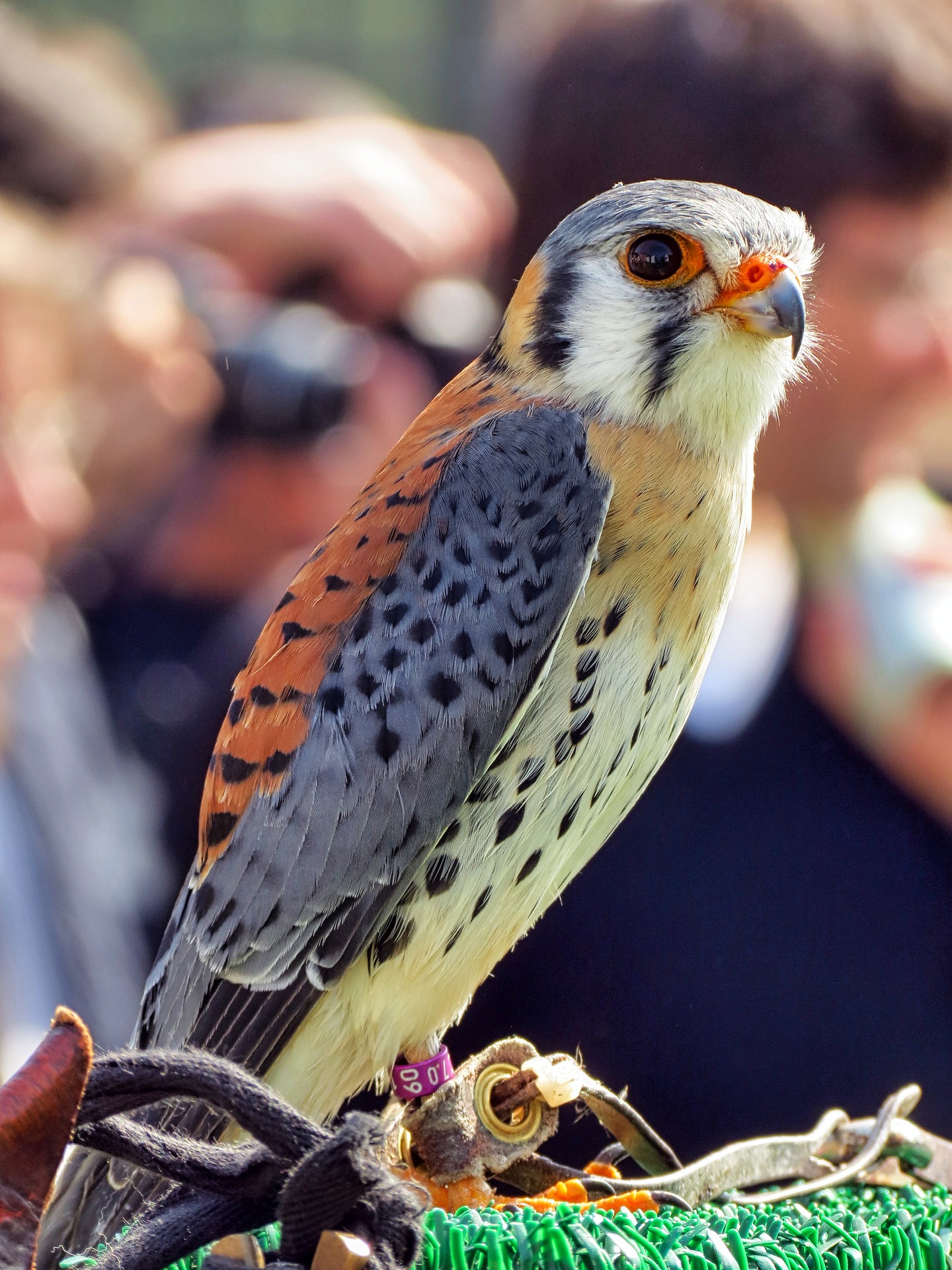
Yes, you can! Getting a license isn’t as straightforward as filling out an application. Falconry is a highly regulated sport that requires dedication, knowledge, and training. From my experience, I’ve realized that in order to be considered for a license, you must meet certain criteria and complete an apprenticeship program. Researching the requirements in your specific area and country is important, as they may vary.
Do you need a licence for falconry?
As a licensed falconer, I can confidently say that, yes, you do need a license for falconry. In fact, it is illegal to practice falconry without a valid permit. Falconry is regulated by the government to ensure the safety of the birds and the falconers. Therefore, obtaining a license is an essential step in becoming a falconer.
Before I began my journey in Falconry, I had to do some research, take an exam, and learn about the laws and regulations surrounding this sport. Each state has its own licensing requirements, so it’s important to check with your local wildlife or conservation agency for specific details.

One of the main reasons for requiring a license is to ensure that falconers are properly educated on caring for and handling birds of prey. Falconry is not simply owning a bird. It involves understanding their natural behaviours and needs, as well as having the skills to handle them in different situations. So, let’s take a look at how you can go about becoming a licensed falconer.
How to get a falconry license
In order to obtain my falconry license, I had to complete the necessary requirements and demonstrate my knowledge and skills in falconry. I have gathered together a step-by-step process to guide you:
- Research Local Regulations:
- Contact your local wildlife or environmental agency to understand the specific regulations and requirements for falconry in your region. Regulations can vary widely, so it’s essential to get accurate and up-to-date information.
- Educational Requirements:
- Many jurisdictions require aspiring falconers to undergo educational training before obtaining a license. This training may include attending workshops, seminars, or apprenticeships under the supervision of an experienced falconer.
- Find a Sponsor:
- In most places, you need a licensed falconer to sponsor you during your apprenticeship. This experienced falconer will guide you through the process and ensure you learn the necessary skills to care for and handle raptors.
- Build Facilities:
- You may need to provide suitable facilities for housing and training the bird. This can include an appropriate mews (housing for the bird) and a place for the bird to exercise and hunt.
- Submit Application:
- Prepare and submit a falconry license application to the relevant wildlife or environmental agency. The application will likely include details about your experience, facilities, and your sponsor.
- Pass a Test:
- Some jurisdictions require applicants to pass written and practical exams to demonstrate their knowledge of falconry and their ability to care for raptors.
- Inspection:
- Expect an inspection of your facilities by wildlife officials to ensure they meet the required standards for keeping and training raptors.
- Waiting Period:
- There may be a waiting period after you submit your application before you receive your license. During this time, officials may review your application, conduct background checks, and process the necessary paperwork.
- Keep Records:
- Once licensed, you’ll likely be required to keep detailed records of your bird’s health, training, and hunting activities. Compliance with these record-keeping requirements is crucial for maintaining your license.

How Long Does It Take To Get A Falconry License?
The process of obtaining a falconry license typically takes two to seven years to become a master falconer. The length of time it takes to obtain a falconry license can vary depending on a few factors.
Firstly, it depends on how quickly you can fulfil the prerequisites, such as completing the required falconry apprenticeship and passing the written and practical exams. This can take several months in itself, as it requires commitment of time and effort.
Once you’ve completed these prerequisites, the next step is to submit my application to the appropriate state or federal wildlife agency. The processing time for the application can vary depending on the agency’s workload and the time of year. It isn’t uncommon for the application to take several weeks or even months to be reviewed and approved.
After the application is approved, there may be additional waiting periods for the actual falconry license. Some states have specific times of the year when new licenses are issued, and I may have to wait until that time to receive my license.
How Much Is A Falconry License?
Obtaining a falconry license requires paying a fee, which typically ranges from $40 to $200. The cost of a falconry license may vary depending on the state or country you’re applying in. In the United States, for example, each state has its own licensing regulations and associated fees. Some states may charge a lower fee, while others may require a higher payment. It’s important to research the specific requirements and fees for your location before applying for a falconry license.
The fee for a falconry license is used to cover administrative costs, such as processing the application and conducting background checks. It also helps fund conservation efforts and educational programs related to Falconry. The exact breakdown of how the fee is allocated may vary depending on the jurisdiction.
While the cost of a falconry license may seem significant, it’s important to consider the responsibilities and benefits that come with it. Falconry is a highly regulated practice, and the license ensures that individuals are properly trained and equipped to care for and handle birds of prey. The fee also contributes to the ongoing conservation and preservation of these magnificent creatures.
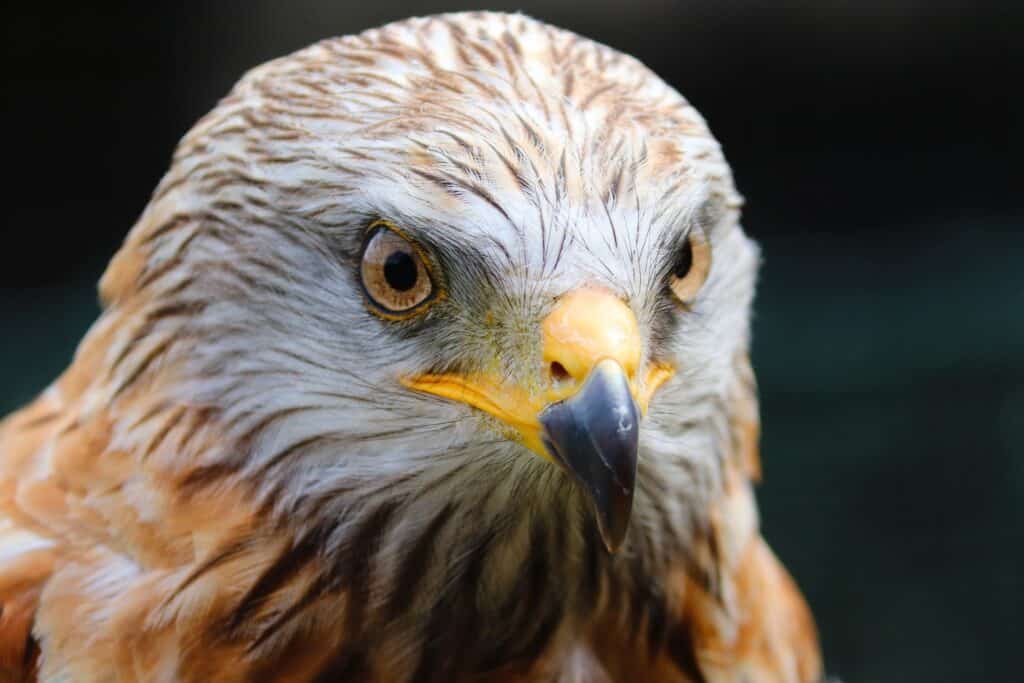
Obtaining a Falconry license is no small feat, but trust me, it’s a rewarding and fulfilling journey for those passionate about Falconry. It requires dedication, hard work, and a deep understanding and respect for birds of prey. But with the right resources and guidance, it’s an achievable goal that opens up a world of possibilities to experience the beauty and majesty of these incredible creatures firsthand. So, if you’re ready to take on this exciting endeavour, follow these steps and get on your way to becoming a licensed falconer.
Frequently Asked Questions
Are There Any Age Restrictions for Obtaining a Falconry License?
Age restrictions for obtaining a falconry license vary by jurisdiction, but applicants typically need to be at least 12 to 18 years old. Check with your local wildlife or conservation agency for specific age requirements in your area.
What Are the Specific Requirements for Passing the Falconry Exam?
To pass the falconry exam, you need knowledge of falconry techniques, bird handling skills, and a thorough understanding of wildlife conservation laws.
Is There a Limit to the Number of Birds a Falconer Can Possess With a License?
Yes, there is a limit to the number of birds a falconer can possess with a license. It varies by state but typically ranges from 2 to 5 birds.
Are There Any Specific Housing Requirements for the Birds Kept by a Licensed Falconer?
Yes, there are specific housing requirements for the birds kept by a licensed falconer. The birds need a safe and secure enclosure that provides adequate space and protection from the elements.
What Are the Consequences for Practicing Falconry Without a License?
Practising Falconry without a license can result in legal consequences, including fines and penalties. It’s essential to adhere to licensing regulations enforced by wildlife or conservation authorities in your jurisdiction.