
Falconry, the ancient art of hunting with trained birds of prey, has evolved considerably since its origins thousands of years ago. While it was once primarily used for hunting games, falconry has found modern-day relevance in many unexpected fields, particularly in conservation research.
Today, falconry is increasingly recognized as an essential tool in protecting endangered species, monitoring ecosystems, and understanding avian behavior in natural habitats. The synergy between skilled falconers and their birds of prey has opened up new avenues for researchers to address global environmental challenges.
Falconry and Conservation: A Historical Perspective
The use of raptors in conservation research is not entirely new. In ancient times, falconry was already intertwined with the human understanding of the natural world, and birds of prey were revered for their hunting abilities and keen instincts. However, it wasn’t until the 20th century that the role of falconry expanded to include conservation.

As wildlife conservation became a priority worldwide, falconers began to realize the unique contributions they and their birds could make in preserving biodiversity.
Falconry-based conservation efforts are grounded in the understanding that birds of prey have specialized skills that allow them to thrive in specific ecosystems. Their natural behaviors, such as hunting, territorial protection, and migratory patterns, make them ideal candidates for studying environmental health and tracking species movement.
Using Falconry to Study and Protect Endangered Species
One of the most exciting modern applications of falconry in conservation research is the role it plays in studying and protecting endangered species. Raptors, with their sharp hunting instincts and precise flight patterns, are often used in monitoring vulnerable species and their habitats. Falconers work closely with researchers to track raptors’ movements and behaviors, helping gather critical data on wildlife migration, population dynamics, and the impacts of human activity on ecosystems.
For instance, falconers have been instrumental in protecting the endangered California condor by using captive-bred birds to help monitor wild populations and increase awareness of their fragile status. Condors are monitored using telemetry systems, where falconers follow the birds’ movements in real-time. This data helps scientists understand habitat preferences, flight patterns, and nesting behavior, providing insights that can shape conservation efforts.
Another example is the use of falconry to aid the recovery of the peregrine falcon. The peregrine falcon was once on the brink of extinction due to the effects of DDT and habitat destruction. Conservationists and falconers worked together to reintroduce captive raptors to the wild and monitor their behavior using satellite tracking. This collaborative effort has been crucial in reviving the peregrine falcon population, leading to its successful recovery and removal from the endangered species list.
Predator Control and Ecosystem Balance
Another fascinating application of falconry in conservation research is its role in predator control. In many ecosystems, the introduction of non-native species or the depletion of apex predators has led to an imbalance in the food chain. In some cases, the presence of invasive species has had a devastating effect on local wildlife populations, disrupting the ecological balance.
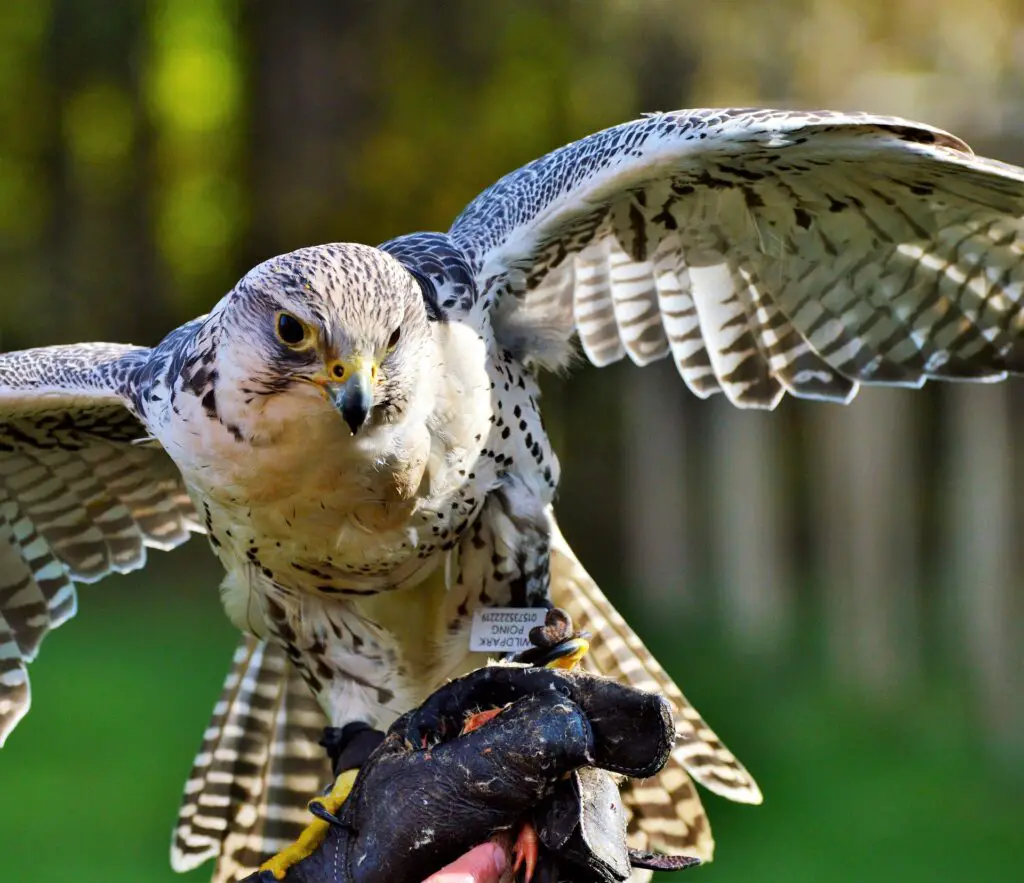
Falconry provides a sustainable, non-lethal approach to controlling pest species, restoring the balance within an ecosystem. Birds of prey, such as hawks and falcons, are often deployed in areas where invasive species threaten native wildlife. By targeting smaller birds or mammals that are causing harm to the local environment, raptors help reduce competition for resources and ensure that native species thrive.
A case in point is the use of falconry in island ecosystems, where invasive species like rats, rabbits, or feral birds can cause significant damage to fragile environments. Falconers working with raptors have been deployed to control these invasive species by allowing the birds of prey to target them. This method reduces the need for chemical pesticides or traps, which can harm the environment and non-target species.
Education and Public Awareness
The role of falconry in conservation research extends beyond fieldwork. Falconers also play an essential role in educating the public about the importance of preserving wildlife and protecting endangered species. Through educational programs, falconers showcase the beauty and significance of birds of prey, raising awareness about their challenges and their vital role in ecosystems.
Public demonstrations of falconry, such as flying displays or guided tours, help engage audiences and foster a deeper connection to the natural world. These programs can also inspire future conservationists and researchers to pursue careers in wildlife protection and contribute to ongoing conservation efforts.
Challenges and the Future of Falconry in Conservation
While the use of falconry in conservation research has proven beneficial, it is not without challenges. Falconry requires highly skilled practitioners who are able to train and care for birds of prey in a way that ensures their well-being and effectiveness in the field. Additionally, the cost of maintaining raptors and the need for ongoing training and permits can be a barrier to some conservation programs.
Despite these challenges, the future of falconry in conservation research is promising. With advances in technology, such as improved tracking devices and a growing understanding of bird behavior, falconry is poised to become an even more powerful tool in preserving the natural world. As more researchers and conservationists recognize the value of raptors in protecting biodiversity, the collaboration between falconers and scientists will only continue to grow.
Conclusion
The role of falconry in modern-day conservation research is both fascinating and essential. By leveraging the natural instincts of birds of prey, falconers and conservationists are able to monitor endangered species, track avian movements, control invasive predators, and promote public awareness of environmental issues. As this ancient art continues to evolve, it will undoubtedly remain a vital tool in the ongoing efforts to protect and preserve the world’s ecosystems.
Interested in learning more about the fascinating role of falconry in conservation? Discover how this ancient practice is shaping modern environmental research and what you can do to support wildlife protection.
Explore more insights on the science of conservation and innovative research techniques!