
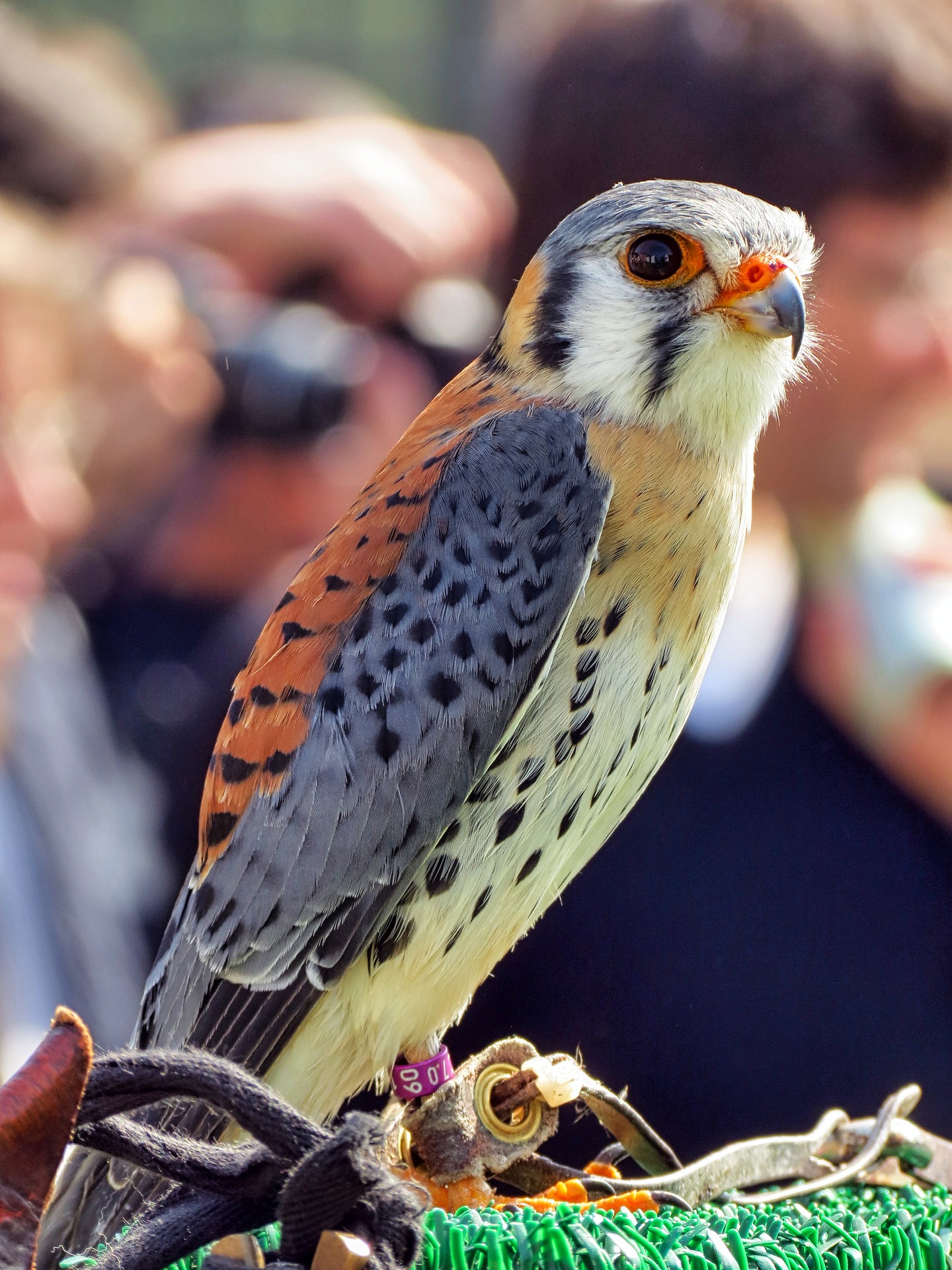
Breeding Merlins for Falconry is a complex process that requires knowledge, patience, and dedication. Let me share some insight from my experience of breeding Merlins for falconry. We covered topics such as selecting suitable breeding pairs, creating a suitable environment for breeding, and taking steps along the way to ensure a successful breeding season.
Obtain any licenses or permits required to breed Merlins.
First and foremost, before attempting to breed Merlins, it is essential to obtain any necessary licenses or permits if required in your country. This will vary depending on your location, so it is important to research and comply with all local laws and regulations. In some countries, it may be illegal to keep wild birds for falconry purposes, while in others, a license or permit is needed to breed Merlins specifically.
The permit ensures that individuals have the knowledge and experience needed to care for these birds responsibly and that they’re committed to following all regulations regarding their breeding and training.
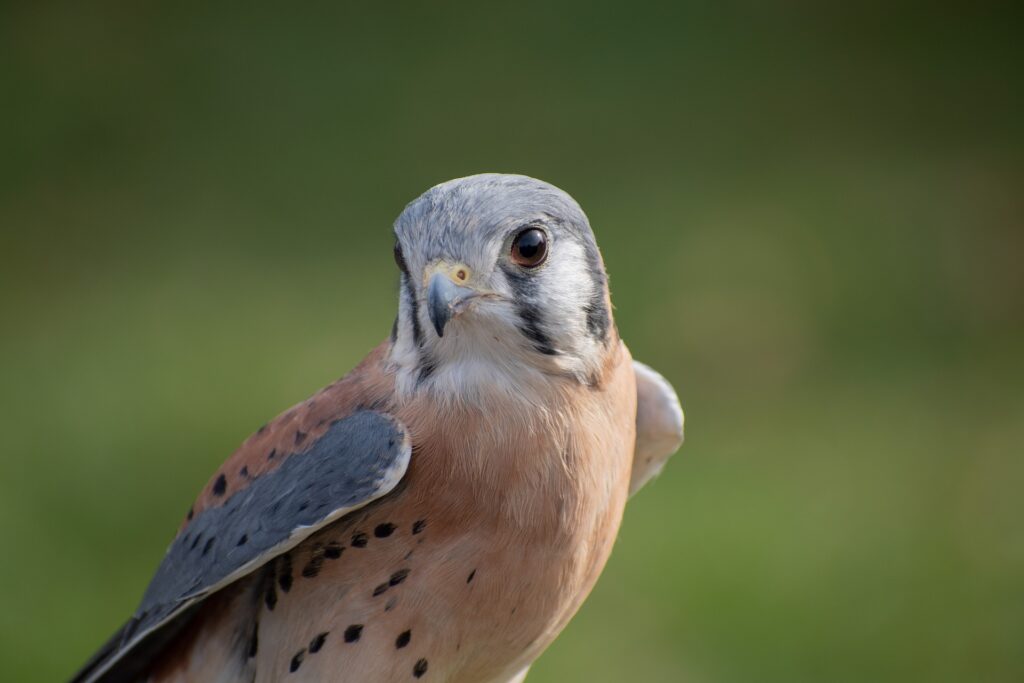
Make sure you have an Equipped Aviary.
All my breeding Merlins are kept in a well-equipped aviary that provides the necessary space and shelter for them to thrive. There are a few important aspects to include in the aviary such as:
Size and Design
Merlins are active birds, so it is important to provide them with ample space to fly and exercise. A breeding aviary should be at least 10 feet long, 6 feet wide, and 6-8 feet high. The design of the aviary should also take into consideration the specific needs of Merlins, such as having perches at different heights and providing areas for privacy during the breeding season.
Nest Boxes
Nest boxes are a crucial aspect of the aviary, as this is where Merlins will lay their eggs and raise their young. The size and design of the nest boxes should be appropriate for the size of Merlins, with an opening of about 4-5 inches in diameter. In the wild, merlins are also known to nest in shallow scrapes in the ground, so if you can mimic that nesting habitat, it may be beneficial for breeding purposes.
Nesting space
When arranging my nesting area, I made sure of the following:
- Nesting Platforms: Provide sturdy platforms with nests where the female Merlin can lay eggs and incubate them safely.
- Privacy Areas: Create secluded spots within the aviary where the Merlin pair can retreat for mating and nesting.
- Nesting Material: Offer natural materials like twigs, feathers, and soft grass for the birds to construct their nest.
- Nesting Boxes: Install suitable nesting boxes to mimic natural nesting sites, ensuring the safety and comfort of the Merlin chicks.
Ensuring proper nesting space is essential for the breeding success of Merlins in captivity, promoting healthy behaviors and successful reproduction.
Perches
When selecting perches for Merlins, it’s essential to consider the material and diameter. Merlins have small, delicate feet and need appropriately sized perches to prevent foot injuries. The recommended diameter for a Merlin’s perch is 1/2-3/4 inches. I used a small bow perch, which is a popular choice among falconers for its comfortable grip and durability.
Perches should be strategically placed throughout the aviary to encourage movement and flight, promoting physical activity and mental stimulation. Providing a variety of perch types, such as natural branches and artificial perches, can also add interest to the aviary.
Good Temperature and Ventilation
Merlins are hardy birds, but proper temperature and ventilation in their aviary are crucial for their health and well-being. In some cases, a heating source may be necessary to maintain an optimal temperature in colder climates or during the breeding season. Adequate ventilation is also essential in preventing respiratory issues and maintaining good air quality.

You should make sure you cover:
- Temperature Control: Install a thermostat to regulate temperatures between 68°F-72°F.
- Ventilation: Ensure proper airflow to prevent humidity buildup and maintain freshness.
- Heating Elements: Use heat lamps or panels to provide warmth during colder months.
- Cooling Systems: Implement fans or misters to prevent overheating in warmer weather.
Protection
To ensure the safety and security of breeding Merlins in falconry, a well-equipped aviary must be designed to provide protection from predators. Predators pose a significant threat to the well-being of the Merlins, so it is crucial to implement effective measures to keep them safe. Here are some key considerations for protecting Merlins from potential threats:
| Aspect | Description | Importance |
| Aviary Design | Secure mesh wiring to prevent entry | High |
| Predator Deterrents | Motion-activated lights and alarms | Medium |
| Roosting Areas | Elevated perches away from ground access | High |
| Monitoring Systems | CCTV cameras for constant surveillance | High |
| Companion Species | Guard animals like dogs for added security | Medium |
Implementing these protective measures will help safeguard the Merlins from harm, ensuring a conducive environment for successful breeding.
Well Sheltered Aviary
Protection from predators is essential for breeding Merlins in falconry. Ensuring they’re well sheltered against harsh weather conditions is equally crucial in maintaining their health and security within a well-equipped aviary. To achieve this, consider the following:
- Insulation: Proper insulation in the aviary helps regulate temperature, keeping the Merlins comfortable in varying weather conditions.
- Weatherproofing: Ensure the aviary is weatherproof to prevent rain and wind from entering, creating a safe haven for the birds.
- Heating: In colder climates, provide heating options to keep the Merlins warm and prevent any cold-related health issues.
- Ventilation: Proper ventilation is key to preventing moisture buildup and maintaining air quality within the aviary, promoting the Merlins’ well-being.
Set up nesting areas to mimic the wild.
When creating nesting areas to mimic the wild for breeding Merlins for falconry, it’s essential to replicate the natural environment as closely as possible to ensure the birds feel comfortable and secure in their surroundings. Merlins, being wild birds of prey, have specific requirements for their nesting spots. To mimic the wild successfully, nesting areas should ideally be situated in elevated locations, like trees or cliffs, to provide a sense of safety and a vantage point for hunting.
The design of the nesting area should also consider the materials used. Natural elements such as twigs, branches, and leaves can be incorporated to resemble a wild nest. The size of the nesting area is crucial; it should be spacious enough to accommodate the breeding pair comfortably and allow for the growth of the young birds. The area should be relatively secluded to reduce disturbances and mimic the isolation of a natural habitat.
Select a Male and Female Merlin
I believe that establishing the foundation for a successful breeding program involves carefully selecting a male and female Merlin that exhibit desirable traits for falconry purposes. When choosing the birds for breeding, it’s crucial to consider various factors to ensure the offspring will be well-suited for falconry training.
Factors to consider when selecting a male and female Merlin:
- Physical Characteristics: Look for birds that are in prime physical condition, with strong muscles, sharp talons, and keen eyesight. These traits are essential for hunting prowess.
- Temperament: Opt for birds that display a calm and focused demeanor. A Merlin that’s easily trainable and not easily spooked will make the falconry experience smoother.
- Hunting Skills: Select birds that have demonstrated successful hunting abilities in the past. This indicates their natural instincts and capabilities in the wild.
- Genetic Background: Investigate the lineage of the potential breeding pair to ensure they come from strong hunting stock. Good genetics can influence the offspring’s hunting skills and overall health.
Introduce the Birds and Monitor their Behaviour
Upon introducing the male and female Merlins, it’s important to closely observe their behavior to assess their initial interactions and compatibility for breeding purposes. This step is crucial in ensuring a successful breeding process. Merlins, like many birds of prey, can be territorial and may exhibit aggressive behavior towards one another if they are not compatible. By carefully monitoring their interactions, you can determine if they are likely to bond and mate successfully.
Behavior Observation Table
| Behavior | Male Response | Female Response |
| Aggressive | Low | High |
| Calm | High | Medium |
| Curious | Medium | Medium |
In the table above, we outline the potential responses of the male and female Merlins to different behaviors. A level of calmness from both birds is a positive sign that they may be compatible for breeding. However, if aggression is displayed, it is essential to separate the birds to prevent injury.
Monitoring their behavior over multiple interactions is key to understanding their dynamic. Look for signs of mutual interest, such as grooming each other or vocalizations that indicate communication. These behaviors can signal a growing bond between the birds, which is a positive indicator of successful breeding. Remember, patience and keen observation are vital during this phase to ensure the well-being of the birds and the success of the breeding program.
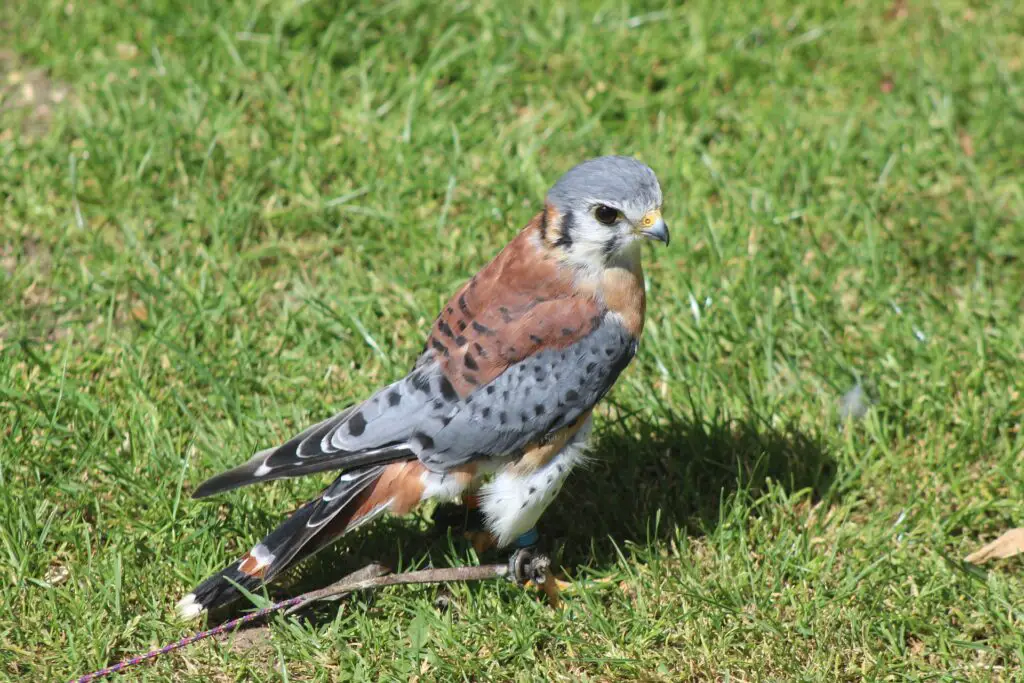
Document the Breeding Process
I observed the behavior of my breeding pairs of Merlins, noting their interactions and patterns. By recording breeding dates, I established a timeline of each pair’s reproductive process.
Pregnant females displayed specific behaviors that indicated their condition, and tracking the number of eggs laid per clutch provided valuable insights into the breeding success of these falcons.
Behavior
During the breeding process of Merlins for falconry, observing the pair’s courtship behaviors is crucial for successful reproduction. Understanding their behavior can help breeders anticipate mating success. Here are key behaviors to note:
- Territorial Displays: Merlins may engage in aerial acrobatics to establish territory boundaries.
- Mutual Preening: Pairs engage in mutual grooming, strengthening their bond.
- Food Sharing: Offering food is a sign of courtship and can indicate pair compatibility.
- Nest Building: Observing the construction of the nest can provide insights into the pair’s readiness to breed.
Breeding dates
Keeping precise records of when courtship behaviors begin, when copulation occurs, and when the female lays her eggs is essential for predicting hatching dates and planning for the care of the chicks.
Gravid Females
When documenting the breeding process of pregnant females, it’s crucial to carefully observe their behavior and physical changes to monitor pregnancy progress effectively. Here are some important points to keep in mind:
- Behavioral Changes: Note any variations in the female’s activity levels, hunting behavior, and interactions with the male.
- Physical Signs: Monitor the female’s weight, as weight gain can indicate pregnancy. Also, observe changes in her vent area and overall appearance.
- Nesting Behavior: Watch for the female’s interest in nest-building materials and potential nest sites.
- Appetite and Feeding Habits: Monitor any changes in the female’s appetite or feeding patterns, as these can provide insights into her condition.
Number of eggs laid
Typically, a female Merlin lays a clutch of 3 to 5 eggs, with the average being around four eggs per breeding season.
The number of eggs can be influenced by various factors such as the female’s age, health, and the availability of prey for nutrition. It’s essential to monitor the female closely during the egg-laying period to ensure she receives adequate care and nutrition.
Monitor Both Birds’ Health throughout the Breeding Process
Throughout the breeding process, it’s imperative to vigilantly monitor the health of both birds to ensure optimal conditions for successful reproduction and offspring development.
- Regular Health Checks: Schedule routine check-ups with an avian veterinarian to assess the breeding pair’s overall health. This includes physical examinations, blood tests, and fecal analysis to detect any underlying health issues promptly.
- Nutritional Assessment: Monitor the birds’ diets to ensure they’re receiving adequate nutrition for breeding. A well-balanced diet rich in vitamins, minerals, and proteins is essential for the birds’ overall health and reproductive success.
- Behavioral Observations: Pay close attention to the behavior of the birds, as any changes could indicate potential health problems or stress. Signs of lethargy, decreased appetite, or abnormal vocalizations should be addressed promptly.
- Environmental Factors: Maintain proper temperature, humidity levels, and cleanliness in the aviary to create a suitable environment for the breeding pair. Avoid exposure to toxins, chemicals, or other harmful substances that could affect the birds’ health.
How to determine when your merlin is gravid
Here are four key signs that can help you determine when your merlin is gravid:
- Changes in Behavior: Gravid female Merlins may show increased restlessness or agitation. They might spend more time rearranging nest materials or exhibiting nesting behaviors like crouching low to the ground.
- Weight Gain: A noticeable weight gain in the female Merlin can indicate a gravid state. Regular weight monitoring can help track this change over time.
- Feeding Patterns: Gravid Merlins may display altered feeding patterns. They might consume more food than usual to support the growing eggs inside them.
- Physical Changes: Physical changes such as a visibly distended abdomen can be a clear indicator of gravidity. The abdomen may appear swollen, especially towards the vent area.
How long after copulation can we expect an egg?
After copulation, the typical timeframe for the female Merlin falcon to lay an egg ranges from 24 to 72 hours. This period, known as the preovulatory interval, is crucial in the breeding process. During this time, the female’s body prepares for egg production, a complex physiological process. Following copulation, the male’s sperm fertilizes the female’s ovum, initiating the formation of the egg. The female’s reproductive system then goes into overdrive, producing the necessary components for egg formation.
Within the first 24 hours post-copulation, the female Merlin’s body begins the process of creating the eggshell within her oviduct. This stage involves the deposition of calcium carbonate, which gives the egg its structural integrity and protection.
Factors such as the female’s overall health, age, and environmental conditions can influence the exact timing of egg-laying post-copulation. Monitoring the female closely during this period is essential to ensure optimal conditions for successful egg production.
Breeding Merlins is a precise process that needs careful observation, monitoring, and expert care. Knowing courtship behaviours, egg-laying cycles, and signs of gravidity is vital for successful breeding. Keeping detailed records of breeding dates, closely monitoring the birds’ health, and noting any behavioural changes help create the best conditions.
Frequently Asked Questions
How long does the breeding process usually take for Merlins in captivity?
- The breeding process can take anywhere from two to four months, depending on the age and health of the birds, as well as environmental conditions.
Do female Merlins lay eggs every year?
- Typically, female Merlins lay eggs once a year during the breeding season. However, factors such as nutrition and overall health can affect their reproductive cycles.
What is the average clutch size for a Merlin breeding pair?
- The average clutch size is four eggs, but it can range from three to five eggs per breeding pair.
How Can I Stimulate the Breeding Pair to Mate if They Are Not Showing Interest?
- If the breeding pair lacks interest in mating, consider adjusting their environment to mimic natural mating conditions. Provide ample privacy and proper diet, and ensure they are in optimal health. Consult with a falconry expert if issues persist.