
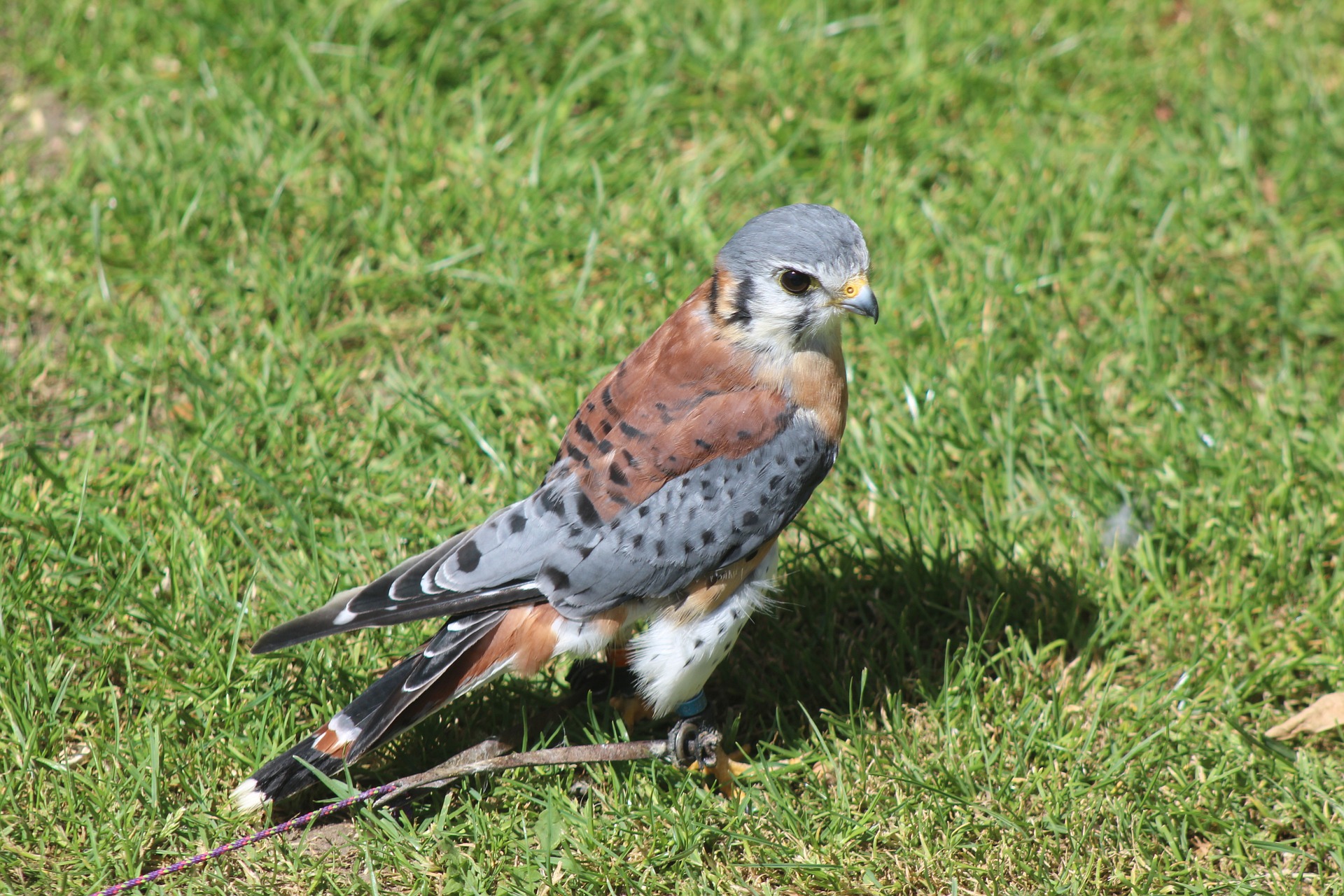
So, I guess you’re ready to embark on the exciting journey of training your very own Merlin? As a seasoned falconer, I am thrilled to share my expertise with you in this article.
The process of training a Merlin involves building trust between the bird and its trainer, providing proper care and nutrition, and gradually introducing it to hunting techniques. Training should be done in a controlled environment, and it’s essential to follow all laws and regulations related to owning and training birds of prey.
With proper training and care, these feathered friends can become loyal hunting companions that will awe and impress anyone who sees them in action. So, grab your notebook and get ready to learn everything you need to know about how to train a merlin like a pro!
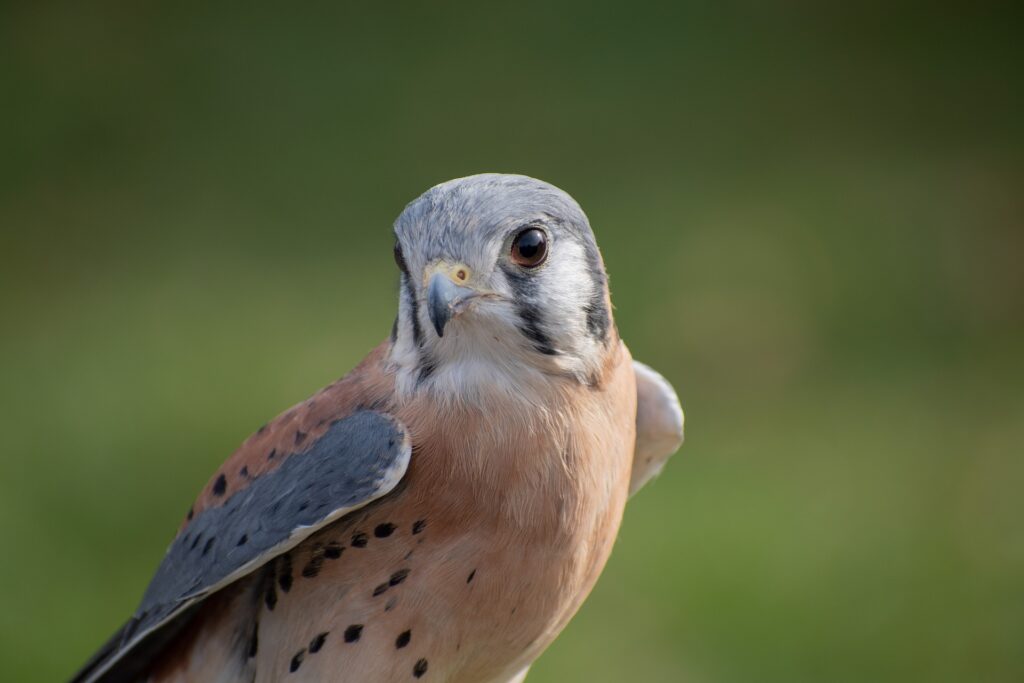
Essential Equipment For Training A Merlin?
When it comes to training a merlin, the right equipment is essential. Personally, I like to use a combination of the leather hood, jesses, swivel, leash, lure, training perch and weighing scale. These tools are crucial in making sure that your bird is comfortable and safe during the training process.
The leather hood is one of the most important pieces of equipment you will need when training your Merlin. It helps keep your bird calm and relaxed by blocking out any distractions around them. Jesses are also necessary as they help keep your bird secure on your glove while allowing for some movement so that they don’t feel restricted.
A swivel is an excellent addition to ensure that the leash doesn’t get tangled up with other equipment or objects. Leashes should be used carefully since too much tension can cause injury to your bird’s legs or feet. The lure can be used to motivate the Merlin during its training exercises without having to give it food rewards every time.
Training perches provide a stable base for your Merlin while also giving them a place to rest between sessions. Finally, using a weighing scale regularly will allow you to monitor their weight accurately throughout their training journey.
What I Chose When I Started Training My Merlin?
When I first started training my Merlin, I knew that it was going to be a challenging and rewarding experience. The bond between trainer and bird is one of great trust and mutual respect, and it takes time to establish this connection. That’s why the first thing I did when starting out was to create a calm and safe environment for my Merlin.
One of the key things I chose to focus on during our early training sessions was building up Merlin’s confidence. This involved gradually increasing her exposure to new sights, sounds, smells, and experiences while always providing positive reinforcement along the way. By doing this, I was able to help her develop the confidence she needed to take on more complex tasks later on in our training journey.
Another important aspect of merlin training involves teaching your bird how to hunt effectively. This requires patience and persistence as you work with your Merlin to hone their natural instincts and hunting abilities. To accomplish this, I spent countless hours practising various techniques such as lure swinging, perch drills, and flight recall exercises until my Merlin became an expert hunter.
How I Built Trust And Established A Relationship With My Merlin?
Trust is the foundation of any successful training program, especially for birds of prey. When you have their trust, they will be more willing to learn from you.
Firstly, make sure your Merlin is comfortable around you before starting any training exercises. Spend time sitting near its cage or perch so it can get used to your presence. You can also offer food from your hand to show that you are not a threat. Once it starts taking food from you without hesitation, move on to the next step. Secondly, start basic commands such as having your Merlin step up onto your glove or perch. Use positive reinforcement like treats and verbal praise whenever it follows through with your command correctly. This will help create a positive association between following commands and rewards. Thirdly, gradually increase the complexity of the tasks that you ask of them but keep in mind not to push too hard too fast as it may cause distress for both parties involved. It takes patience and care to ensure success in training a merlin; every bird has different needs and learning styles.
Remember always to use positive reinforcement techniques like treats and verbal praise while respecting the unique personality traits of each bird we work with – this helps us create strong bonds based on mutual respect between humans and birds alike!
A Step-By-Step Guide On How I Trained My Merlin?
When I made the decision to train my Merlin, I felt like I was standing at the base of a mountain with just my determination and instincts to rely on. Although it was challenging and daunting, it also brought me a lot of excitement and adventure.
The first step in training my Merlin was basic obedience. This is crucial for any bird of prey because it lays down the foundation for all other skills. We started with simple commands like “come” and “stay”. Once she had these down pat, we moved on to more complex manoeuvres like a recall from a distance.
Next came hunting skills. Teaching her to hunt required patience and persistence on both our parts. I would use lures to encourage her to chase after prey until, eventually, she learned how to do it herself. Alongside this, I also trained her not to eat anything that wasn’t given to me directly.
Consistency is key when it comes to training a merlin or any bird of prey really. So every day, rain or shine, we practised together using positive reinforcement techniques such as treats and praise whenever she did something right.
Throughout this process, there were times when things got tough, and I needed help. Seeking professional guidance helped us get through those moments when progress seemed impossible. But even then, it was up to me not only to listen but implement what they told me consistently.
Getting Your Bird To Respond To Recalls
Now that your Merlin is comfortable and settled in, it’s time to start training them. One of the most important things you can teach your bird is how to respond to recalls. This means teaching them to come back to you on command, which can be crucial for their safety and well-being.
To begin recall training, start by standing a short distance away from your bird with some food or treats they like. Say their name followed by “come” in a clear and confident tone of voice. When they come towards you, reward them immediately with the treat.
Repeat this exercise several times until your bird begins responding consistently to the recall command. As they become more reliable at coming when called, gradually increase the distance between you and your bird during each session.
It’s also important to keep recall training consistent and positive so that your Merlin continues to associate coming back to you with pleasant experiences. Never punish or scold your bird if they don’t respond right away – instead, simply try again later or adjust your approach as needed.
Additional Tips:
- Use a distinct whistle or sound cue in addition to saying their name for added effectiveness.
- Practice recall training in different locations and environments (such as indoors vs outdoors) for maximum success.
- Avoid calling your bird unnecessarily throughout the day – only use the recall command when necessary so that it remains meaningful and effective.
Remember: every bird learns at their own pace, so be patient and persistent in your training efforts. With consistency and positivity, your Merlin will soon learn how to respond reliably to recalls.
Basic Techniques
Now that you’ve acquired your Merlin, it’s time to start training. The first step in basic techniques is lure training. This involves using food as a reward to coax the bird towards you or a target. Start by offering small pieces of meat from your hand and gradually move them further away until the Merlin flies towards you for its treat.
Next comes to tether training, where you attach a leather strap called a jess to one leg of the bird and tie it to a perch or post. This allows the Merlin to exercise its wings while keeping it in place so that it doesn’t fly away. You can then practice calling the bird back to your glove, rewarding it each time with a piece of meat. Hoping to the glove is another technique used in training. Once tethered, hold out your gloved hand and encourage the bird to jump onto it from its perch. This teaches it to trust you and rely on you as a source of food and safety.
Finally, creance training involves attaching a long line (creance) to the jesses instead of tethering the bird. With this method, you can take your Merlin outside and allow it more freedom without fear of losing control over it if something goes wrong during the flight.
Introduce Smaller Prey, Gradually Moving Up To The Larger Game
One way to start is by introducing them to small rodents such as mice or rats. These types of prey are easy targets and can be found in abundance, making them a great starting point for your bird of prey.
Once your Merlin has mastered catching these smaller animals, you can gradually move on to slightly larger prey, such as rabbits or squirrels. Take note of how they react during the hunt and adjust accordingly. It’s important not to rush this process, as each bird learns at their own pace.
Remember that patience is key when training any animal, especially birds of prey like the Merlin. With time and consistent practice, you’ll see improvement in both their hunting skills and overall behaviour towards you as their handler.
Markdown list:
- Always have an ample supply of food available during training sessions.
- Provide positive reinforcement through verbal praise or treats when your Merlin successfully catches its prey.
- Regularly clean and maintain all equipment used during training sessions for optimal performance.
Advancing To Free-Flight Training: Moving To The Field
Now that your Merlin is comfortable with smaller prey, it’s time to advance to free-flight training. This means moving from the controlled environment of your home or indoor space into an open field where your bird can practice hunting in a more natural setting.
To begin this next phase of training, you’ll need the following equipment:
| EQUIPMENT | PURPOSE |
| Jesses | Securely attach jesses to your bird’s legs |
| Leash | Use the leash to keep your bird close and safe |
| Hood | Keep your bird calm and focused |
| Perch or Glove | Provide a place for your bird to rest while not flying |
First, take your Merlin outside on a leash and allow them to get used to their new surroundings. Once they seem comfortable, put on their hood and carefully remove the leash. Allow them some time to adjust before calling them back onto the glove.
Next, use live bait (such as quail) tied to a string attached to a pole or stick. Have someone else hold the bait out in front of the Merlin while you call them from across the field. As they fly towards you, have the person holding the bait slowly move it away so that your Merlin has to chase after it.
Repeat this exercise several times until your bird becomes proficient at chasing down live prey on their own. Eventually, you can move on to using lures instead of live prey.
Here Are Some Tips For Those Looking To Start Their Own Merlin Training Journey:
First things first: before diving into the actual training process, it’s crucial to establish a strong bond with your bird. Spend time getting to know them – learn their likes and dislikes, observe their behaviours closely, and most importantly, be patient. Remember, trust is key when it comes to working with any animal.
Once you feel comfortable around each other, it’s time to start laying down the groundwork for your training regimen. Here are four essential steps that should form the foundation of your approach:
- Establishing basic obedience skills: Teaching your Merlin commands like “come” and “stay” can go a long way in building respect between you two.
- Getting them used to equipment: Merlins need to wear jesses (leather straps) so they don’t fly away during training sessions or out hunting.
- Introducing them to prey: For obvious reasons, merlins must become accustomed to living prey if they are going to hunt effectively.
- Focusing on fitness: A healthy bird is more responsive and trainable than an unhealthy one.
Remember that every bird has its own unique personality and learning style; there is no one-size-fits-all approach when it comes to Merlin training. Be adaptable in your methods but always remain consistent in your expectations.
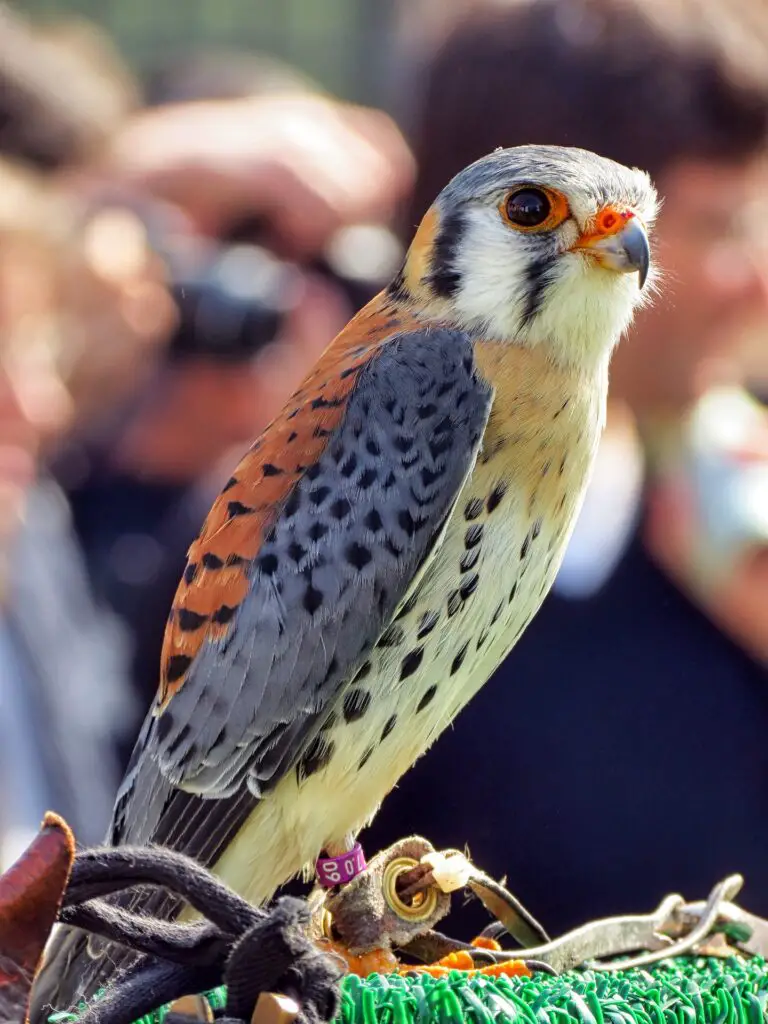
Start By Releasing The Bird Into An Area With An Abundance Of Prey And Allow Them To Hunt At Their Own Pace
Now that you have your Merlin, it’s time to start training them. My suggestion is to release the bird in an area with abundant prey and allow it to hunt at its own pace. This will boost its confidence and aid in the development of its hunting abilities.
To excel in this phase, please keep in mind the following steps: Begin by making sure that both you and the bird are safe in the designated area. After that, pick an area abundant in prey, such as rabbits or small birds. Finally, give your Merlin sufficient time and patience to acclimate and learn in their new environment.
One way to monitor progress during this stage is by keeping a record of each successful hunt in a table format. For example:
| Date | Prey Type | Success Rate |
|——|———–|————–|
| 05/01/2021 | Rabbit | 50% |
| 06/01/2021 | Pheasant | 75% |
| 07/01/2021 | Sparrow | 100% |
By tracking these statistics, you can see how well your Merlin is performing and identify areas for improvement.
As your Merlin becomes more comfortable hunting on their own, you can begin introducing other aspects of training, such as recall and perch work. However, always remember to prioritize their safety and well-being above all else.
Fine-Tuning Your Training: Perfecting The Basics
Like a sculptor shaping clay, training a merlin requires patience and skill. It’s not enough to simply teach the bird how to fly or catch prey; you must perfect the basics until they become second nature. Fine-tuning your training will take time, but with dedication and practice, you can transform your Merlin into a masterful hunter.
Start by focusing on the fundamentals: recall, perch training, and basic commands. These building blocks are crucial for establishing trust between you and your Merlin. Use positive reinforcement techniques like clicker training or treats to reward good behaviour. Be consistent in your approach so that your bird understands what is expected of them.
Once you have established a solid foundation, it’s time to move on to more advanced skills, such as hunting and flying at higher altitudes. This is where things get exciting! Watch closely for signs of progress and adjust your training accordingly.
Based On My Experience With Training A Merlin
Make sure you have the right equipment. You’ll need a good-quality glove made from thick leather, as well as jesses (leather straps) to attach to your bird’s legs. It’s also important to use positive reinforcement techniques when training your Merlin – reward them with treats and praise when they do something correctly.
Next, begin by simply spending time around your bird without trying to handle them at first. This will help build trust between you and your Merlin, which is essential for successful training. Once they’re comfortable being in your presence, start introducing the glove so they become familiar with it.
When your bird seems ready, move on to more advanced training exercises such as recall or flight training. These activities require a lot of patience and repetition, so don’t get discouraged if progress is slow at first. With consistency and dedication, you’ll see results in no time!
Remember that training a merlin requires care and attention every step of the way. By providing consistent positive reinforcement, building trust through quality time spent together, and practising various exercises regularly – you too can train a happy and healthy Merlin!