

It is a little-known fact that Merlin falcons are one of the smallest birds used in falconry, yet they possess an incredible hunting ability. These small raptors have been kept and trained by falconers for centuries, but what do these skilled hunters feed their Merlins to keep them healthy and strong?
Here’s a list of some common prey items that falconers may feed their merlins:
- Quail
- Sparrows
- Mice
- Other small birds
- Insects
- Reptiles
- Rabbits
- Squirrels
- Pigeons
- Rats
As a falconer, I understand the importance of providing proper nutrition for my birds of prey to maintain optimal health and performance. The diet of a Merlin must be carefully balanced with protein, fat, vitamins, and minerals to ensure its physical needs are met.

The Importance Of Proper Nutrition For Merlins
Proper nutrition is essential for the health and well-being of merlins, which are small falcons often used in falconry. As predators at the top of their food chain, these birds require a diet that mimics what they would naturally eat in the wild. A well-balanced diet provides them with all the necessary nutrients to maintain good physical conditions and perform their hunting duties effectively.
Merlins typically feed on small birds such as sparrows, finches, and larks. In captivity, however, their diet may include various other foods like quail, mice, rats, or even insects to supplement their nutritional requirements. It’s crucial to ensure that captive-bred merlins receive enough calcium and vitamins from their diets because they don’t have access to the natural sunlight needed for synthesizing these critical nutrients.
Falconers should keep track of their merlin’s weight by regularly weighing it during training sessions. If a bird loses too much weight in a short time frame or gains excess weight due to overfeeding, there might be something wrong with its diet plan. Undernourished merlins can suffer from weakness, lethargy, and poor feather quality, while obese ones can develop joint problems or fatty liver disease.
In summary, proper nutrition plays an integral role in maintaining healthy and active merlins. Providing them with a balanced diet rich in protein sources like fresh meat, along with supplements containing vital nutrients, will ensure optimal growth and development for these majestic raptors.
Everything A Falconer Feeds Their Merlins
After discussing the importance of proper nutrition for merlins, it is time to delve into what falconers typically feed their beloved birds.
When it comes to feeding these magnificent creatures, there are several options available for falconers. One such option is day-old chicks or quail, which can be purchased from reputable suppliers. These are considered staple foods as they provide all the necessary nutrients needed by a merlin to thrive. Additionally, some falconers opt to supplement their bird’s diet with mice or rats, which add variety but also require extra care when handling due to potential diseases.
Another popular choice among falconers is game meat such as pheasant or grouse, which provides not only nutritional value but also helps maintain a merlin’s hunting instincts. This type of food needs careful preparation and storage, though, as improper handling can lead to bacterial growth and contamination. Some other alternatives include lean beef or lamb, rabbits, and even fish (depending on the species).
It goes without saying that regardless of what type of food a falconer chooses for their merlin, hygiene and safety should always be a top priority. Proper storage and handling techniques must be followed at all times in order to prevent any health risks both for the bird and its owner. As seasoned experts in our field, we take pride in ensuring that our feathered friends receive nothing but the best possible care – after all, they deserve nothing less than perfection.
Feeding a merlin may seem like an arduous task, especially with so many options available today, but ultimately, it boils down to choosing high-quality ingredients while practising safe handling procedures every step of the way.
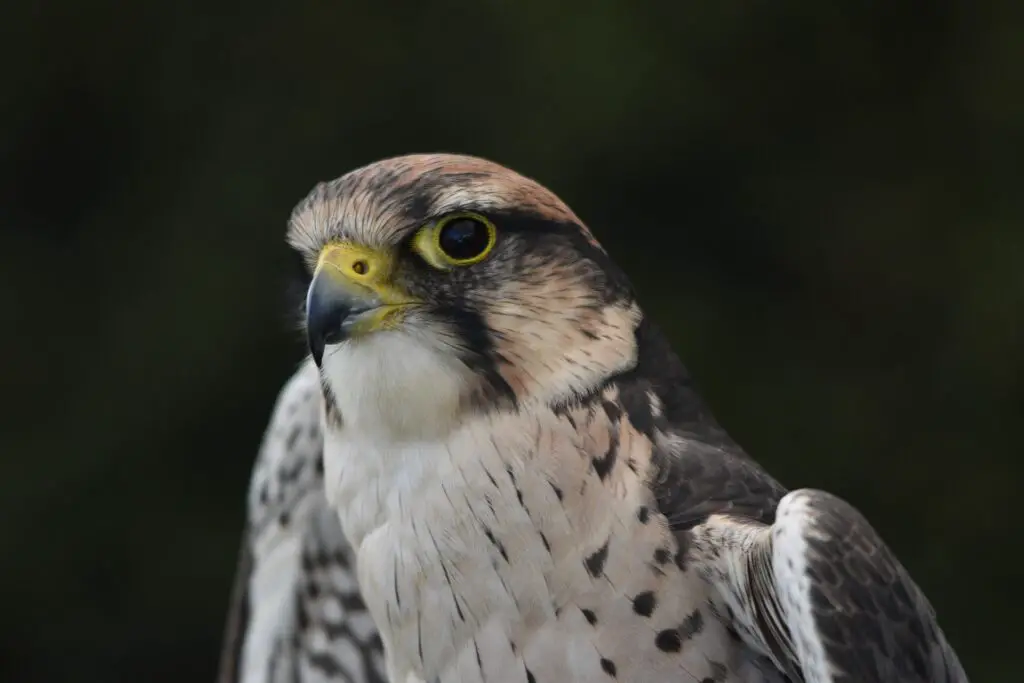
Supplements For Merlins To Ensure They Get All Nutrients
One recommended supplement for merlins is calcium. It is essential for strong bones and eggshell formation in female merlins. Calcium can be provided through various sources, such as cuttlebone or powdered supplements mixed into their food. However, too much calcium can lead to health problems like kidney stones, so it’s crucial to provide appropriate amounts based on individual needs.
Another vital nutrient for merlins is vitamin E, which helps boost immune function and aids in muscle development. Vitamin E deficiency can result in vision problems, paralysis, and weakened muscles. To avoid these issues, falconers often offer foods high in vitamin E, such as wheat germ oil or sunflower seeds.
In addition to these specific nutrients, it’s important to provide a varied diet that includes different types of meat and other protein-rich options like mice or day-old chicks. By offering a diverse range of foods along with targeted nutrient supplementation, merlins can live long and healthy lives under the care of skilled falconers.
How Much Should I Feed And How Many Times A Day Should I Feed My Merlins
Feeding your merlins is an important aspect of caring for these birds. As a falconer, it is essential to provide them with the proper nutrition they need to stay healthy and strong. Merlins are carnivorous birds, which means that their diet consists primarily of meat.
When it comes to feeding your merlin, you should offer them small portions several times a day. This approach mimics how they would eat in the wild and helps prevent overeating or obesity. Typically, adult merlins require between 2-4 ounces of food per day, while juvenile birds may need up to 6 ounces daily.
It’s crucial to give your merlin fresh food every time you feed them. Their meals should consist of whole prey items such as quail, pigeons, or other small game animals. You can also supplement your diet with vitamin and mineral supplements if necessary.
How Do Falconers Prepare Their Merlins Food And How Do They Serve It
When it comes to feeding merlins, falconers must be knowledgeable about the nutritional needs of these birds. These raptors require a diet high in protein and fat to maintain their energy levels for hunting. Falconers typically feed their merlins a combination of whole prey items, such as quail or mice, and commercial game bird mixes.
Before serving food to their merlins, falconers must ensure that the prey is fresh and free from disease. They also need to make sure that the size of the prey matches the size of the bird. Overfeeding can lead to health issues like obesity, and underfeeding can result in malnutrition. Therefore, it’s crucial that they pay close attention to Merlin’s dietary requirements.
To prepare the food, some falconers prefer to thaw frozen prey overnight while others serve them freshly killed prey. The latter option requires more effort but helps stimulate natural hunting instincts in captive-bred birds. In some cases, falconers may supplement Merlin’s diet with vitamins or minerals if necessary.
When it comes time to serve the food, there are different methods depending on personal preference and training goals. Some falconers hand-feed their birds small pieces of meat as rewards during training sessions, while others use lure toys stuffed with meat chunks as motivation for flight exercises.
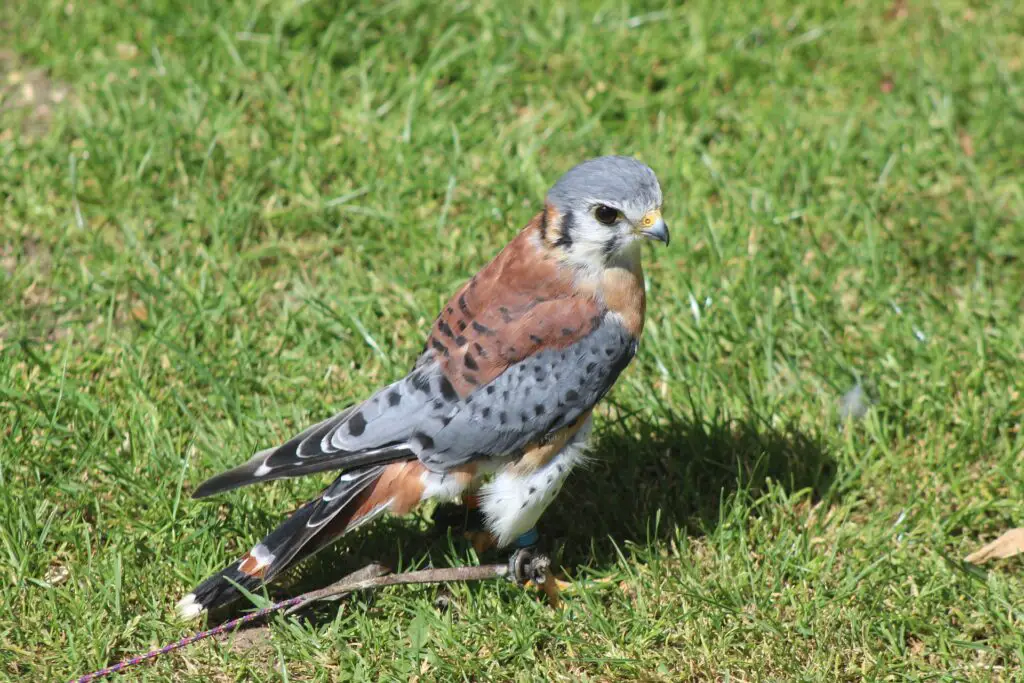
What Foods To Avoid Feeding A Merlins
While it is important for falconers to provide their merlins with a balanced and nutritious diet, it is equally critical to know what foods should be avoided. Feeding your merlin improper food can lead to health issues such as obesity, malnutrition, or even death. To ensure that you are taking proper care of your bird, here are some foods to avoid feeding them.
Firstly, avoid giving your merlins any fatty or processed meats such as bacon or sausage. These types of meat have little nutritional value but contain high levels of sodium and preservatives which can cause digestive problems in birds.
Secondly, do not give your merlins sugary or salty snacks like cookies or chips. These snacks offer no nutritional benefit and can lead to weight gain and other health-related issues. Moreover, excess salt intake may result in dehydration and an increase in blood pressure which could ultimately harm the bird’s well-being.
Thirdly, avocados must also be excluded from their diet since they contain persin – a toxin harmful to many species of birds, including Merlins. Persin can cause diarrhoea and vomiting, among other symptoms leading to severe illness if ingested in large amounts.
Finally, refrain from feeding your Merlin dairy products, as most birds lack the lactase enzymes needed to digest milk-based food items properly. This inability results in stomach troubles ranging from diarrhoea to bloating upsets caused by undigested sugars present in milk products.
Avoiding these food groups will help keep your Merlin healthy while ensuring adequate nutrition. It is crucial always to consult with experts before introducing new diets into their meals for maximum safety measures necessary for our feathered friends’ long life expectancy.
Falconers typically feed their merlins twice a day, morning and evening. The amount of food given depends on the age and weight of the bird. To prepare the food, it is thawed if frozen, then cut into pieces appropriate for the size of the bird. Some falconers may add supplements or medications to the food as needed.
Interestingly enough, studies show that captive-bred merlins have higher survival rates when compared to wild-caught ones due to better nutrition during development (Hood et al., 2018). Therefore, proper nutrition plays an essential role not just in maintaining healthy adult birds but also in ensuring successful breeding programs.
As a seasoned falconer, I would attest providing optimal nutrition will contribute significantly to your Merlin’s overall well-being while helping you achieve your training goals more efficiently. With adequate care and diligence towards your bird’s dietary requirements – coupled with timely veterinary check-ups – your Merlin will thrive under your tutelage!