
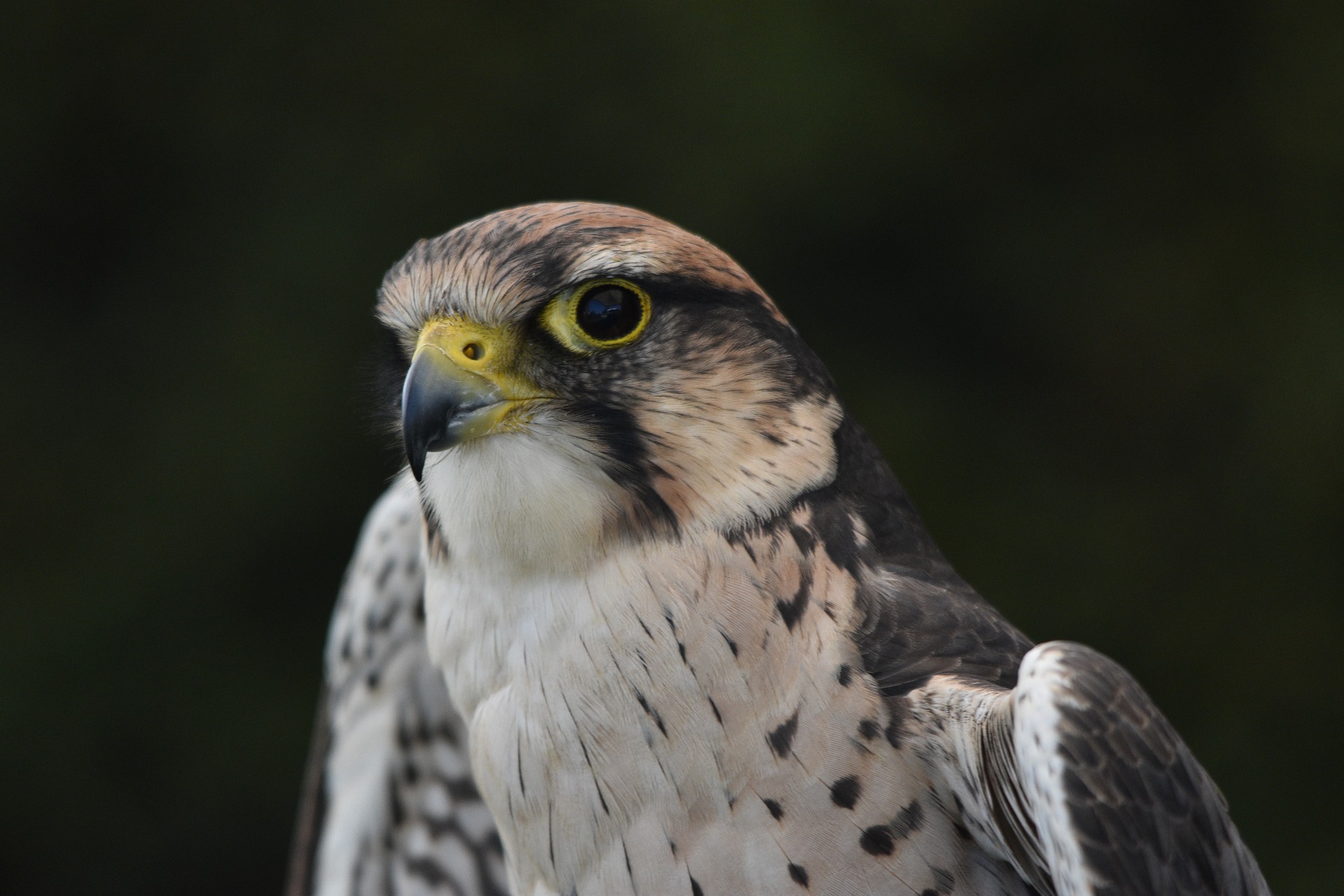
As a falconer, I have worked with several birds of prey during my career. However, Merlin is my absolute favourite. Although relatively small, this bird is incredibly fast and agile in flight, making it a popular choice for hunting. If you’re wondering, we typically use the Merlin to hunt prey.
Merlins are particularly adept at catching small, fast-moving prey such as sparrows and finches. Falconers may also use their Merlins for hunting game birds such as quail or partridge. The specific prey targeted will depend on the falconer’s preferences and the environment in which they are hunting.
Despite their small size, Merlins are fierce predators that can take down impressive games. Whether you are interested in hunting or are simply intrigued by these creatures, this article will provide insight into why Merlins are cherished companions for falconers.
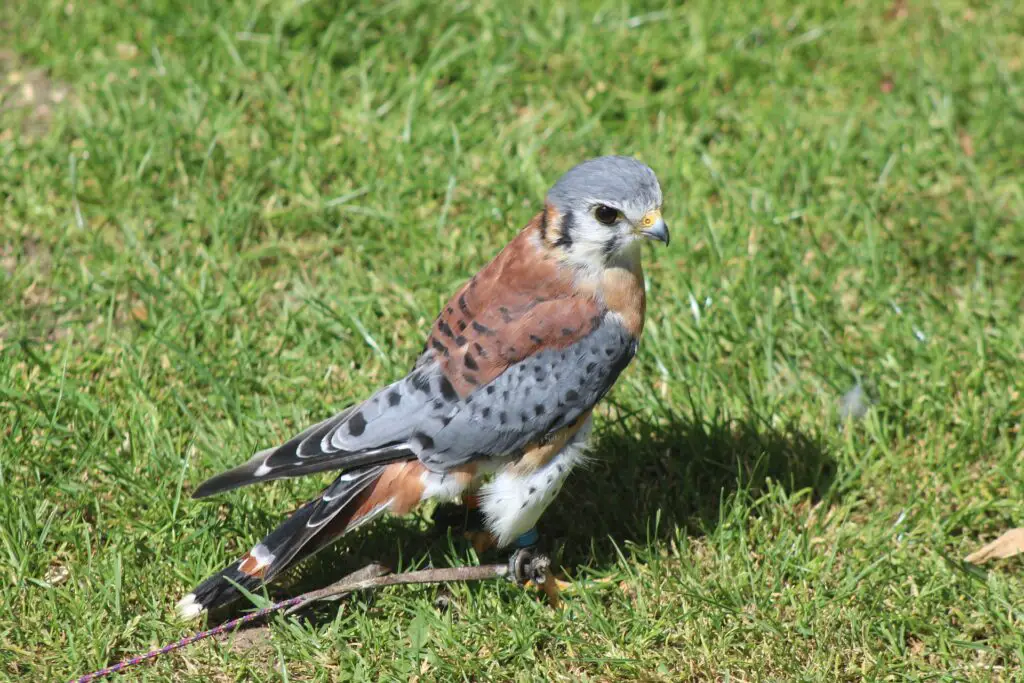
Introduction To Hunting Prey With Merlins In Falconry
As a falconer, I really enjoy working with the Merlin, which is one of my favourite birds. Despite being small, this raptor is very efficient at hunting songbirds and small mammals like voles and mice. It’s impressive to see how it can catch prey that is almost its own size!
To hunt with a merlin, it’s important to remember a few things. You must have a strong bond with your bird since merlins are known to be independent and spirited. Trust between you and your bird is essential for a successful hunt.You’ll want to make sure you’re hunting in an area where these types of prey can be found. Fields or meadows near forests tend to be great spots for finding voles and other small rodents. And if you’re after songbirds, look for areas with dense shrubbery or trees.
Understanding The Prey Of Merlins:
When it comes to prey, small birds are a common target for merlins. These tiny predators have sharp talons and beaks that allow them to capture and kill smaller birds like sparrows and finches with ease. Watching a merlin swoop down from above and snatch its prey mid-flight is truly a remarkable sight.
Merlins eat insects in addition to their regular diet in the wild. Despite being small, insects are important for the bird’s health and strength as they contain crucial nutrients. Merlins are known for preying on various types of insects such as beetles and grasshoppers. They typically hunt for small mammals, like mice and voles, that reside in fields or meadows. With their quick reflexes, they catch the rodents from above before they can flee.
Working with these birds during hunting is an awe-inspiring experience. Their remarkable instincts and abilities are admirable, and it’s an honour to collaborate with them. The partnership is based on trust, respect, and mutual admiration.
Below is a more detailed list of prey that Merlin hunts:
Merlins primarily hunt small birds, but they may also prey on small mammals, reptiles, and insects. Here’s a list of some common prey that merlins hunt:
- Sparrows
- Songbirds
- Finches
- Warblers
- Thrushes
- Wrens
- Pipits
- Larks
- Swifts
- Swallows
- Moths
- Mice
- Shrews
- Voles
Among the list, I have Hunted Sparrows, Songbirds, Finches, Mice, and Voles. Marcey Merlin and I have always had great success on every hunt.
What Do Falconers Need When Taking Their Merlin Out to Hunt?
Here are some essential equipment and gear needed for hunting with my Merlin:
Falconry is a practice of hunting using trained birds of prey such as falcons. To successfully engage in falconry, a falconer requires various tools and equipment. One of these tools is a falconry glove, which is a leather glove that fits on the hand of the falconer and protects their hand from the bird’s sharp talons. Another essential tool is a lure, which is a decoy that is used to call the bird back to the falconer after a successful hunt. Perches are also necessary as they provide a resting place for the bird and tether it in place. Jesses and leashes, thin leather straps that attach to the bird’s legs, are used to control the bird while handling it. A hood covers the bird’s eyes and keeps it calm while being transported or waiting to be released. Bells are attached to the legs of birds to help locate them while they are flying. Jess and leash pliers are used to adjust the jesses and leashes on a bird’s legs. A scale is necessary to weigh the bird and ensure it is healthy and not overweight. A GPS transmitter can also be attached to a bird’s leg to track its location during hunting. Finally, during the training process, tools such as a creance, which is a long line that helps you train your bird to fly towards and back to you, and a swivel, which keeps the jesses from tangling during the bird’s flight, can be used as training aids.
These are some of the essential equipment and gear that a falconer would need for hunting with a Merlin, although some items may vary depending on the specific needs and preferences of the falconer.
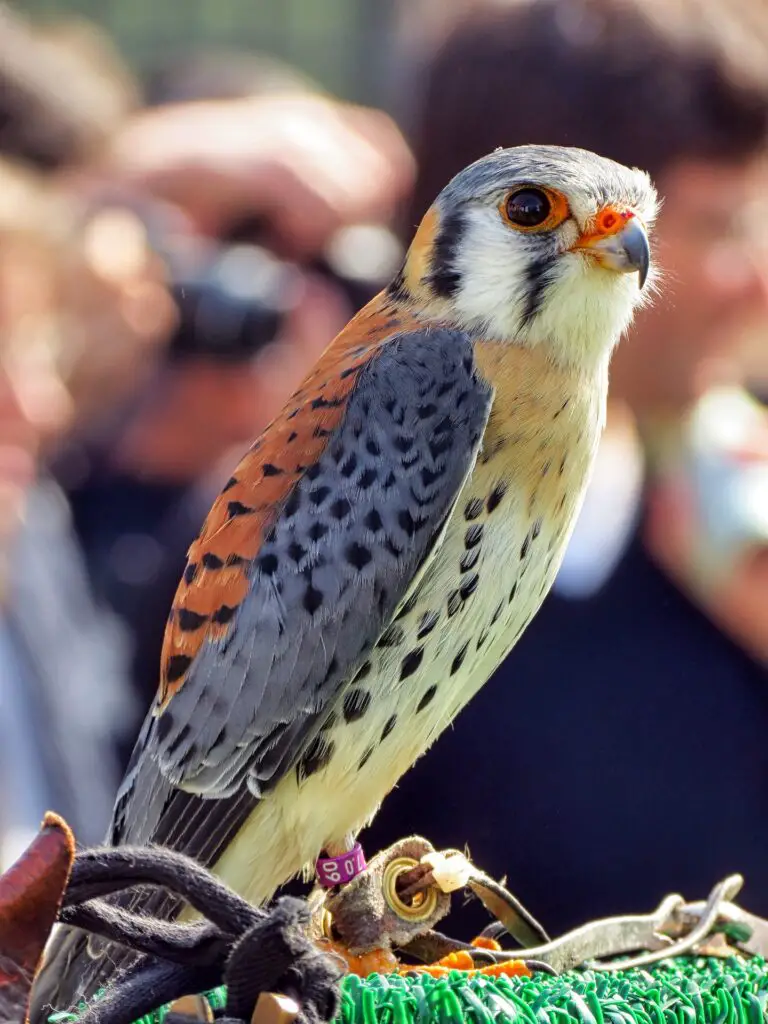
Hunting Techniques For Merlins: Pursuing And Capturing Prey In Flight
To pursue their prey in flight, merlins utilize several techniques. One method is called stooping, where they dive down from above at incredibly high speeds to surprise their target. Another technique involves chasing their prey through trees or other obstacles until they tire out and become easier to catch.
Once the Merlin has successfully caught its prey, it’s time for the falconer to step in and retrieve the bird. This is where having a strong bond between the falconer and the bird is crucial. Using a glove-covered hand or perch, we carefully take hold of our feathered friends without harming them.
It takes patience and practice to master hunting with a merlin, but once you do, there’s nothing quite like watching these majestic birds soar through the sky while doing what they were born to do – hunt. And with every successful catch, both falconer and bird feel a sense of satisfaction that only comes from serving nature’s balance.
| Pros | Cons |
| Fast and agile | Small prey means more catches needed for sustenance |
| Specializes in catching small game | Requires extensive training |
| Efficient hunter | Not suitable for inexperienced falconers |
Hunting with merlins in falconry is a thrilling and rewarding experience. As someone who has spent years training and working with these magnificent birds, I can attest to the excitement that comes from pursuing prey in flight alongside your feathered companion. One statistic that truly highlights the impact of falconry on conservation efforts is this: In England alone, there are over 5,000 registered falconers actively participating in wildlife management programs. These individuals work tirelessly to protect endangered species by controlling populations of predators through ethical and sustainable means.
As a falconer, it’s clear to me that our sport plays an important role in preserving the natural world around us. Through careful training and dedication to proper techniques, we are able to partner with nature in pursuit of mutual benefit for both predator and prey species alike. It’s my hope that more people will come to appreciate the beauty and importance of falconry as a tool for conservation and preservation.