
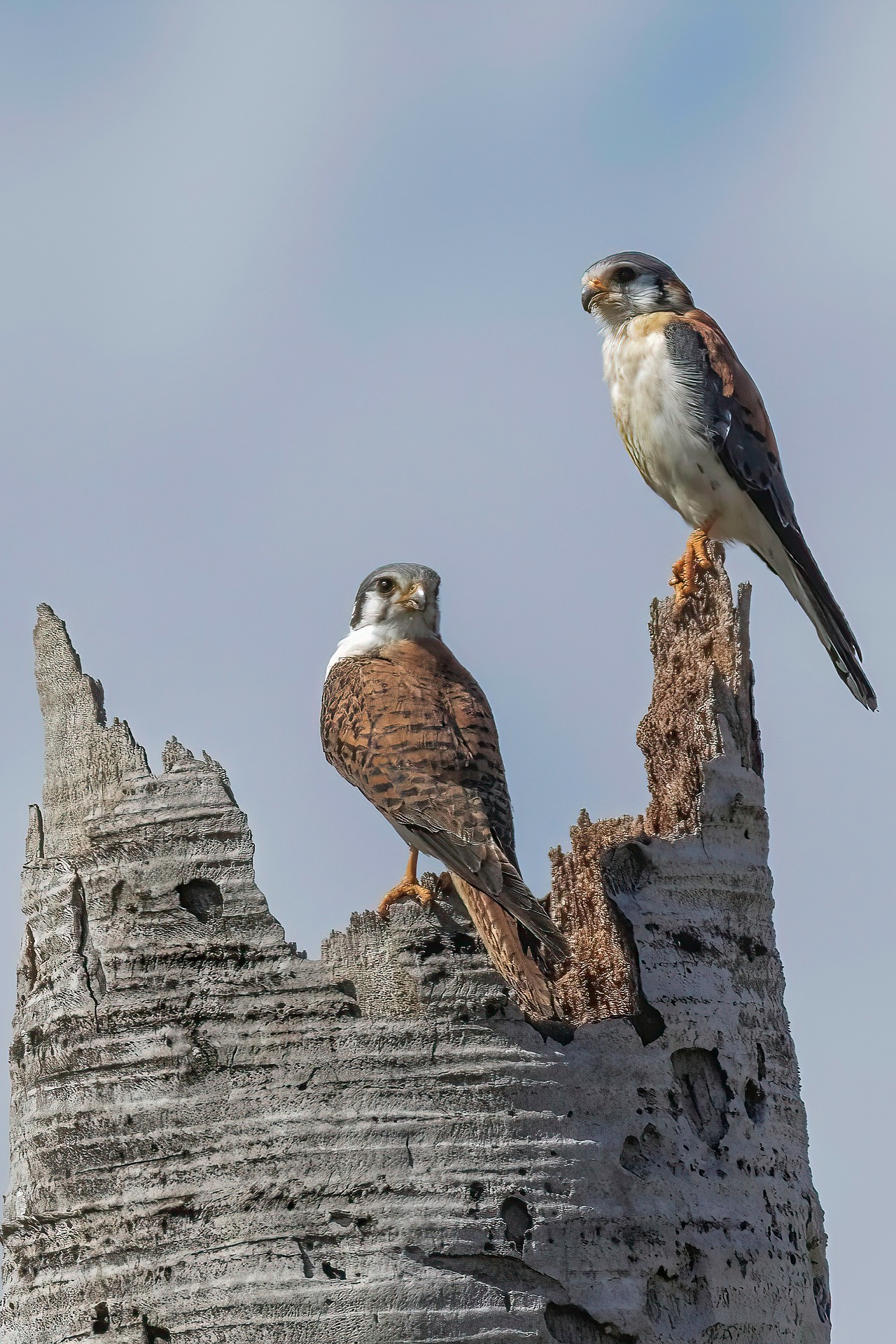
Are you considering adding a Merlin to your household? These birds of prey are majestic creatures that require unique care and housing. Before bringing home a Merlin, it’s crucial to understand their needs and provide them with the appropriate environment.
To house a Merlin, you’ll need a large enclosure with perches, a shelter, and access to water. They need fresh meat daily and a quiet, stress-free environment. Permits may also be required, as they are protected birds of prey.
From the ideal size of their enclosure to the specific toys they enjoy playing with, we will cover all aspects of caring for these magnificent birds. So let’s dive in and explore how to create an optimal living space for your new feathered friend!
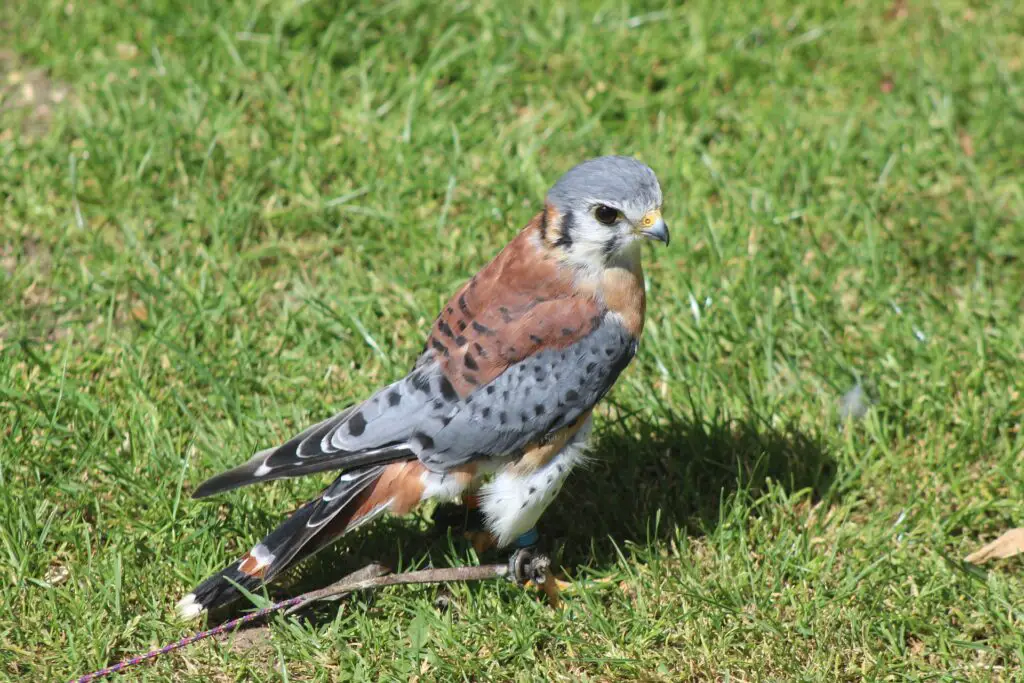
The Essentials To House A Merlin Explained In Detail.
When it comes to housing a Merlin, there are certain essentials that you need to take care of. First and foremost, you need an aviary or mews that is spacious enough for your bird to fly around freely. The size of the enclosure will depend on the species of Merlin you have, but as a general rule, bigger is always better.
Your Merlin also needs perches inside its enclosure where it can rest and sleep comfortably. These should be made from natural materials like branches rather than plastic or metal ones, which can be uncomfortable for your bird’s feet. You’ll also want to provide your Merlin with plenty of toys and enrichment activities to keep it mentally stimulated. Another crucial aspect of caring for your Merlin is diet. This bird of prey requires a high-protein diet consisting mainly of fresh meat such as quail or mice. It’s important to ensure that the food you give them is clean and disease-free, so consider sourcing it from trusted suppliers who specialize in feeding birds of prey.
Shelter (Mews, Aviary)
Now that we have discussed the essentials to house a Merlin let’s move on to another important topic – mews. A mews is a specialized housing for falcons and hawks, designed specifically to meet their needs. As you may know, Merlins are small birds of prey and require an appropriately sized living space. The ideal size for a Merlin mews should be at least 4 feet wide, 3 feet deep and 6 feet high.
When choosing a location for your Merlin’s mews, consider factors such as noise level, temperature fluctuations and exposure to sunlight. These birds need quiet surroundings so they can rest without disturbance. It’s also essential to provide them with adequate shade during hot weather conditions or direct sunlight since they can overheat quickly. Additionally, avoid placing your bird in an area where it might get too cold during the winter months.
In conclusion, well-designed mews play an integral role in ensuring the comfort and health of your pet Merlin. By following these steps when creating your bird’s home environment, you will help ensure its overall well-being while maintaining its natural instincts as much as possible. Remember always to prioritize safety first, both for yourself and your bird!
Perches
The type of perch you choose can also impact Merlin’s health and well-being. Ideally, you’ll want to provide perches made from natural materials like wood or bamboo. Avoid using any metal or plastic perches since these can be slippery and uncomfortable for your bird’s feet unless you have a layer of astroturf over the perch. Furthermore, wooden perches offer a more natural grip for your bird’s talons, which prevents slipping.
Another important factor when choosing perches for your Merlin is ensuring they are at different heights throughout the enclosure. This feature will encourage movement and allow your bird to climb up and down freely. You should place some high enough so that they can see outside but not too close to walls or windows where they could injure themselves if startled.
Good Ventilation
You’ll want to make sure that there are windows or vents installed in the room where your Merlin will be kept. This will allow fresh air to circulate throughout the space, preventing any stagnant or stuffy conditions from developing. Additionally, if you live in an area with high humidity levels, investing in a dehumidifier may also be beneficial for maintaining optimal air quality.
It’s important to keep an eye on temperature levels within your bird’s living space. If things get too hot or cold, this can negatively impact their health and well-being. Make sure that the room is at a comfortable temperature year-round – ideally around 60-65 degrees Fahrenheit.
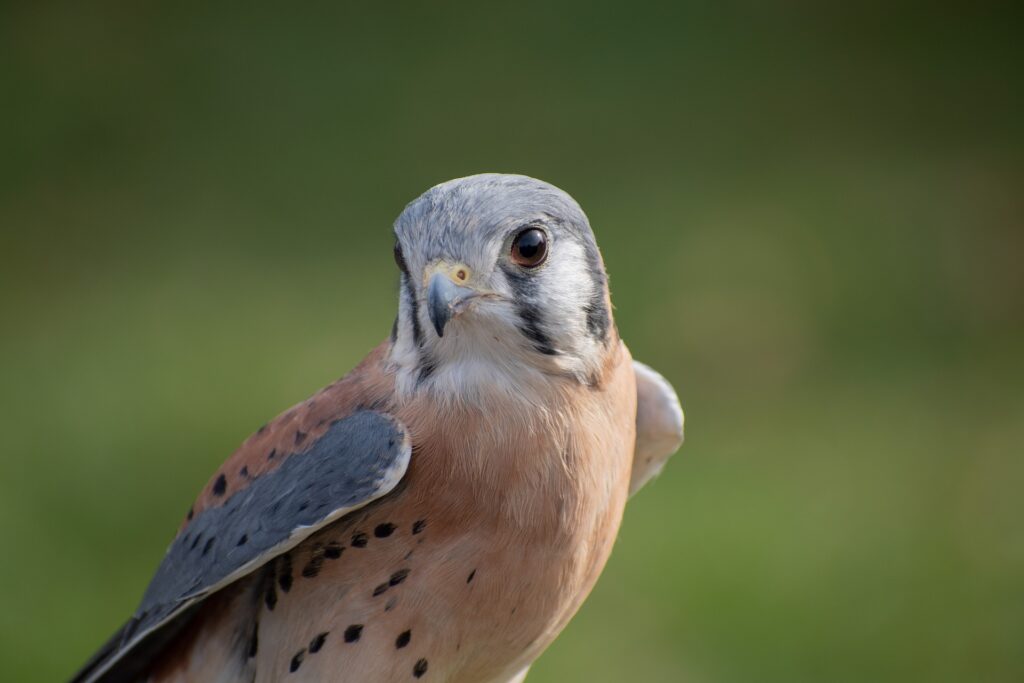
Weather Protection
When it comes to housing your merlin, you’ll want to make sure there’s plenty of insulation. This will help keep the bird cosy when it gets chilly outside. Additionally, you should invest in some high-quality heating equipment, such as heat lamps or radiant heaters, to provide extra warmth when needed.
To summarize, proper weather protection requires insulation, heating equipment, and adequate ventilation. By providing your merlin with a well-insulated and ventilated home that has access to additional heat sources when necessary, you’ll be ensuring their comfort and well-being throughout all seasons.
Equipment
Let’s talk about the most important piece of equipment:
Mews: A mews is an enclosure that is specially made for birds of prey. It must be spacious enough for the Merlin to move around and fly a bit. Additionally, it must have perches, a covered spot for sleeping, and a bath.
Perches: To help your Merlin exercise its feet and talons, it is recommended to have several perches with different sizes and textures. Use natural wood that is non-toxic and free of any pesticides or chemicals for the best results.
Food and water bowls: Make sure to give your Merlin fresh water on a daily basis and provide a diverse selection of foods, including small birds and insects. For detailed feeding guidelines, consult with a veterinarian or an experienced falconer.
Gloves and jesses: If you plan on handling your Merlin, you’ll need specialized gloves made of thick leather to protect your hands from its sharp talons. Jesses are small straps that attach to the bird’s legs and allow you to tether it to a perch.
Hood: A hood is a piece of equipment that covers the bird’s head and keeps it calm and relaxed. You can use it when transporting your Merlin or when it needs to rest.
Weathering area: A weathering area is an outdoor enclosure where your Merlin can exercise and soak up some sun. It should be large enough for the bird to fly, but enclosed so that it can’t escape.
Falconry equipment: If you plan on hunting with your Merlin, you’ll need specialized falconry equipment such as a lure, swivels, and a leash.
Cleaning Supplies
A good quality broom and dustpan set will help keep the area around the cage-free from any debris or food particles. A handheld vacuum can also be useful for quick touch-ups on carpeted areas. Additionally, disinfectant sprays or wipes designed specifically for use with birds can aid in keeping surfaces germ-free.
Using paper towels is important when dealing with bird droppings as they are highly absorbent and can be disposed of easily. I reccomend you use microfiber cloths to clean surfaces effectively without leaving any lint or residue
By implementing these cleaning supplies into your routine, you can create a comfortable and hygienic environment for both yourself and your feathered friend. Remember to always read product labels carefully before use and never mix chemicals together as they may react negatively.
To keep your Merlin healthy and happy, here are three key things to remember:
1) Provide high-quality prey items sourced from reputable suppliers.
2) Always have fresh drinking water readily available.
3) Offer regular bath opportunities so your bird can maintain its feathers’ condition.
Toys And Enrichment Items To Keep Your Bird Occupied
In my experience, it’s essential to provide your merlin with toys and enrichment items that will keep them occupied. These birds are intelligent creatures that require stimulation both physically and mentally. So, what kind of toys should you get for your feathered friend?
You can invest in chewable toys made from natural materials like wood or rope. Merlins love to chew on things, so providing them with safe options prevents destructive behaviour. You can also add puzzle feeders or hide treats around their enclosure to encourage foraging instincts. Also, interactive toys such as swings or ladders create exercise opportunities while promoting balance and coordination skills. This type of equipment is particularly crucial if you have a young or injured bird who needs to build muscle strength gradually. Mirrors are an excellent way to stimulate social interaction between your Merlin and its reflection – they may even start talking! Birds enjoy watching themselves perform various activities; this can be particularly useful if you need to keep them entertained when cleaning their cage.
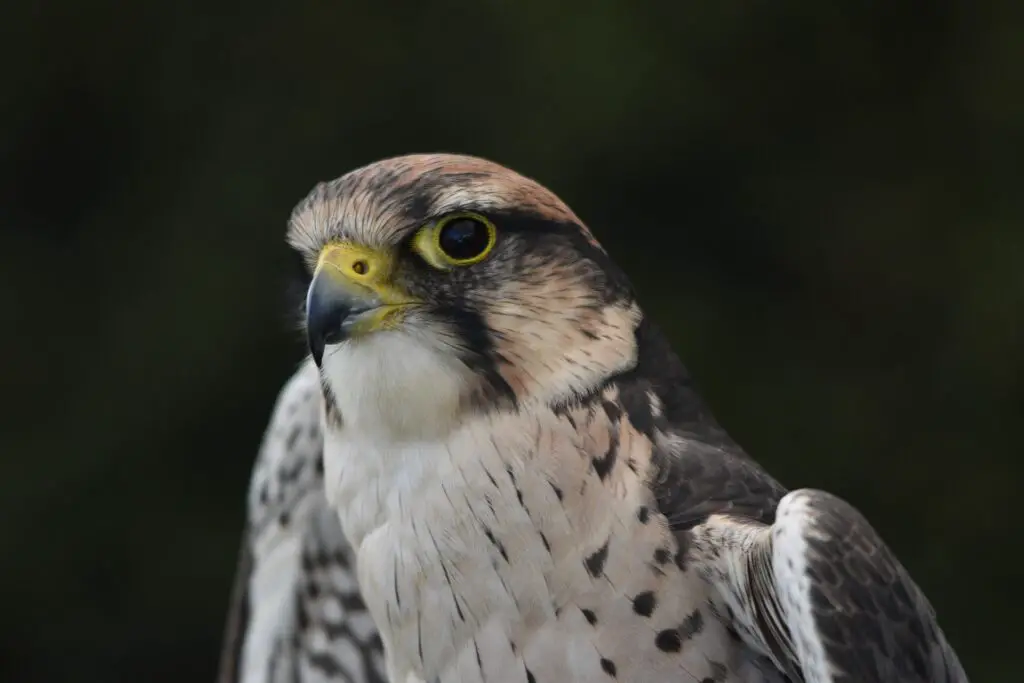
Remember to rotate the toys regularly to prevent boredom from setting in. A bored bird can become unhappy and exhibit aggressive behaviours towards humans and other animals. By adding new items frequently, you’ll keep your pet stimulated while reducing the chances of unwanted actions.
Most importantly, remember always to supervise playtime closely when introducing new toys into your Merlin’s environment. Some items could pose choking hazards or contain harmful toxins that could cause severe health problems for your pet.
As an experienced falconer who has worked with many birds of prey, including Merlins, I would highly recommend doing thorough research before taking on the responsibility of housing a Merlin. They may seem small and easy to manage at first glance, but they require specific living conditions and care that cannot be overlooked. With proper preparation and dedication, however, owning a Merlin can be an incredibly rewarding experience.