

Merlins are birds of prey that belong to the falcon family. They are found worldwide, and there are many different species of Merlin. These birds feed on various things, depending on what is available in their habitat; however, they seem to have a few common foods they prefer to consume.
Merlins are birds of prey; they feed primarily on small birds such as finches, warblers, and sparrows. They will also eat small rodents like mice, voles, and shrews. Insects are another large part of their diet; they may feed on grasshoppers, dragonflies, butterflies, and beetles. Other prey items for merlins can include lizards or snakes that are small enough for them to catch.
Merlins are common in the world of falconry, and feeding them is essential to their development and longevity, so we will take a closer look at what merlins eat and discuss some of the different diets of these fascinating birds!
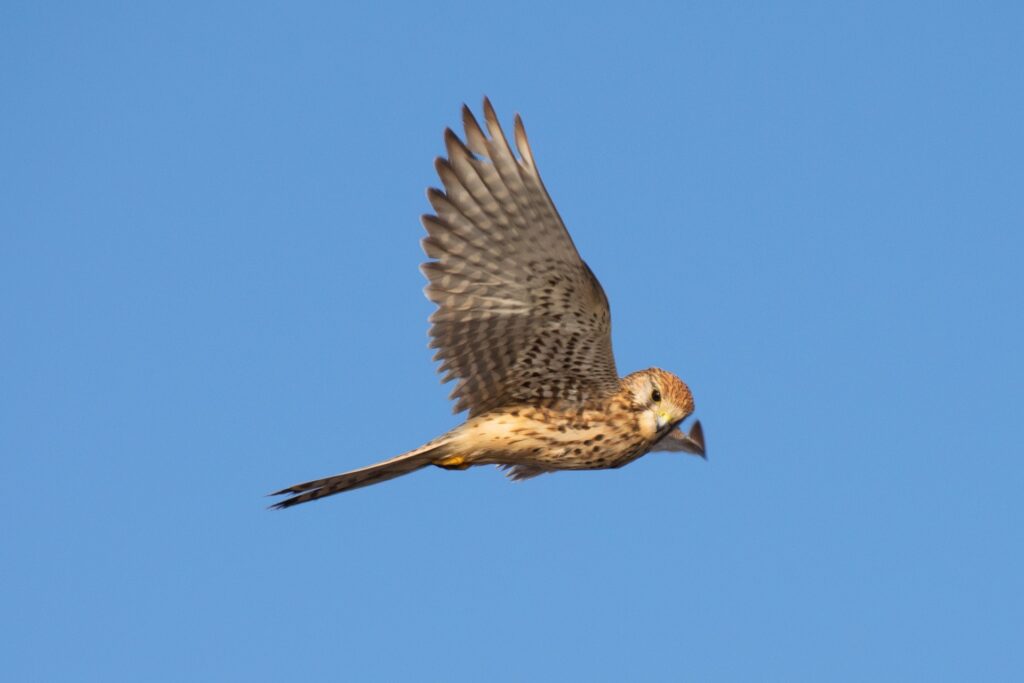
Are Merlins herbivores or carnivores
Merlins are a type of small falcon. They are typically between 9 and 12 inches in length and have dark grey or black plumage. Merlins were once thought to be exclusively carnivores, feeding primarily on small birds. However, recent studies have shown that merlins are opportunistic feeders with a diet that includes meat and plants. In fact, it is not unusual for a merlin to eat more than its body weight in prey every day. In addition, while most of their diet consists of small birds, merlins will also eat insects, rodents, and even berries. Merlins hunt a variety of prey, so its important to know what to training your merlin to hunt for in falconry.
Understanding Merlin’s Diet
One of the most exciting things about birds is how their diet can vary so widely from species to species. For example, the Merlin belongs to the bird of prey family and is found across North America and Europe. While the diet of most Merlins consists mainly of small birds, they are also known to eat rodents, bats, and even snakes. In fact, a Merlin will typically eat whatever it can catch, making it one of the most opportunistic predators in the avian world. This ability to adapt to different prey items is one of the characteristics that makes the Merlin such a successful hunter.
Merlins may also scavenge carrion or the carcasses of dead animals. This can include anything from small mammals to large animals like deer or elk. By scavenging for food, merlins are able to take advantage of food that is already available rather than having to hunt for it themselves. This can be a valuable source of nutrition for these birds, especially when prey is scarce. So next time you see one of these birds speed by, take a moment to appreciate its hunting prowess and eclectic diet!
Identifying Merlin’s Nutritional Needs
Although merlins are found worldwide, very little is known about their nutritional needs in captivity. In the wild, these shy birds feed primarily on insects, so it is assumed that they require a diet high in protein. However, captive merlins often refuse to eat insects, making it challenging to meet their nutritional needs. As a result, many zoos and bird sanctuaries have turned to commercially prepared diets designed explicitly for insectivorous birds. These diets typically contain a variety of bugs, including crickets, mealworms, and wax worms. By providing a diet that meets the unique needs of merlins, zoos and sanctuaries can help these beautiful birds thrive in captivity.
What types of food are best for a Merlin
A Merlin diet in captivity should consist of small songbirds. The best type of food for a Merlin is one that it would eat in the wild. The best diet for a captive-bred Merlin would be Tree Swallows, American Pipits, and White-throated Sparrows. For a wild-caught bird, eating locally will reduce the spread of disease. If you need help getting locally sourced food, you should buy commercially raised small songbirds from North America. 56% of the diet should be composed of voles, 28% passerines, and 16% large insects. 54% of the diet should be composed of animals, and 46% of plants matter. Voles and large insects can be found in nature. Passerines can be bought at your local pet store. This mix should provide all the proteins, fats, carbohydrates, vitamins, minerals, water, etc., your Merlin needs to stay healthy in captivity.

What are the consequences of irregular feeding on my bird?
If you have a pet merlin, it is vital to feed them on a regular schedule. Irregular feeding can lead to a number of consequences, including health problems and behavioural issues. When merlins are not given enough food, they can become malnourished, which can lead to weakness, organ damage, and even death. In addition, if merlins are not given enough food on a regular basis, they may start to hunt for food themselves. This can lead to them damaging property and injuring people or other animals. Finally, irregular feeding can cause behavioural problems in merlins, such as aggression or anxiety. If you have a pet merlin, be sure to feed them on a regular schedule to avoid these consequences.
Are fruits and vegetables safe for my merlins to eat?
As any experienced wizard knows, not all food is safe for merlins to eat. While they have a reputation for being finicky eaters, the reality is that merlins are very sensitive to specific ingredients and can become seriously ill if they eat the wrong thing. Fruits and vegetables are a particularly tricky food group, as some varieties are safe for merlins while others are not. For example, apples and carrots are generally considered to be safe, while grapes and tomatoes should be avoided. As a general rule of thumb, it is always best to be cautious and consult with a qualified falconer before feeding your Merlin anything new.
Do merlins eat fish?
As with all falcons, merlins are carnivores and primarily eat small birds. However, they will also eat rodents, reptiles, and invertebrates. While merlins do not typically eat fish, there have been occasional reports of these birds catching and eating small fish. For the most part, though, merlins stick to their typical diet of small birds and other animals.
While the specifics of what merlins eat are still being studied, it is clear that they are opportunistic predators who will take advantage of any prey they can find. This makes them incredibly versatile and able to live in a wide variety of habitats. Therefore, birders and other wildlife enthusiasts need to be aware of merlins’ diet so that they can identify this species and help protect its population.