
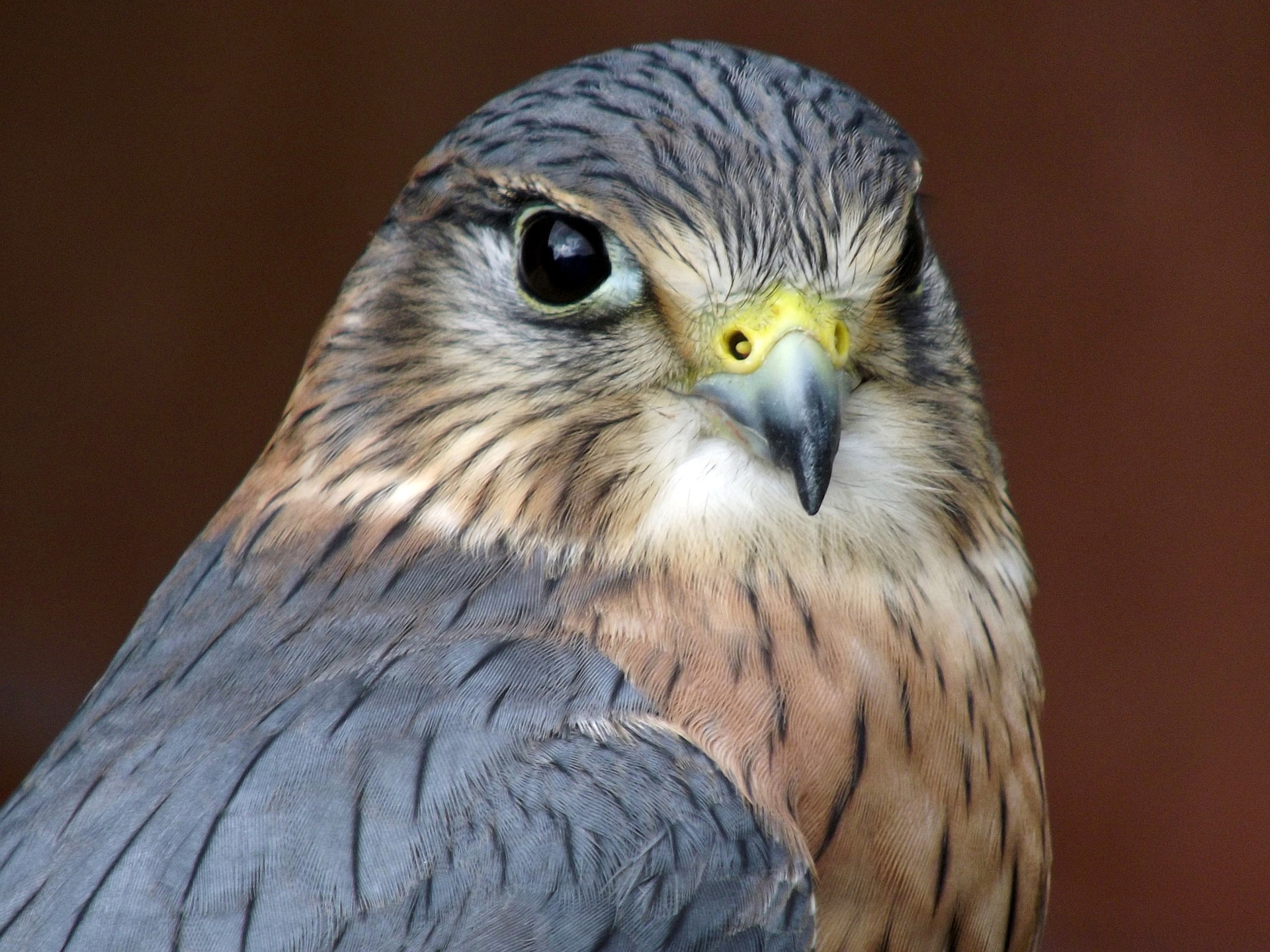
North America and Europe are home to Merlins, which are birds of prey. They are medium-sized birds and are known for their speed and agility in the air. Merlins have been around for centuries and have held a place in mythology and legend. But what is the lifespan of a Merlin? How long do they live?
The average age a Merlin will live in the wild is 7-9 years, with a maximum of ten years(11 years is the oldest recorded in the wild). In captivity, when bred for falconry or in wildlife centres, these raptors can reach an average of 12-14 years (the oldest recorded in captivity is 15 years). Many factors affect their lifespan, i.e. diet, exercise, environmental conditions, etc.
When considering purchasing a Merlin or if you already own one, then one of the foremost things that pop into your mind is how long will this raptor live. So the content below is dedicated to answering this by taking a closer look at the lifespan of Merlins and discussing some of the things that can affect their longevity.
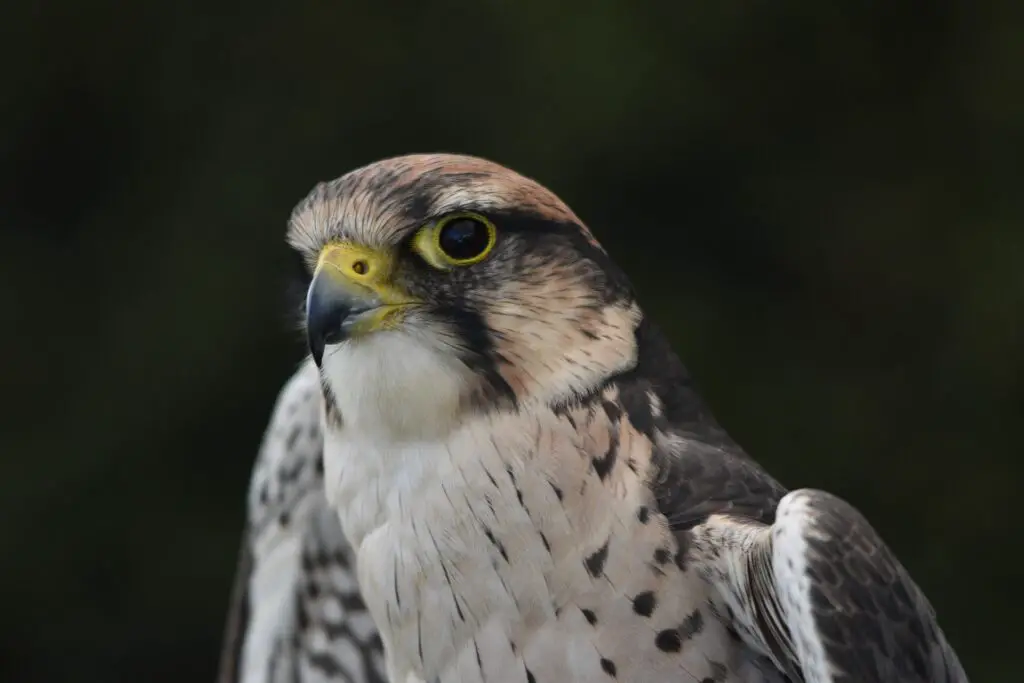
Can a Merlin live longer in falconry than in the wild, and what the differences are?
Though Merlins are wild birds, they have been kept for falconry for centuries. Several studies have been conducted on whether these birds live longer in captivity than they do in the wild. While there is no definitive answer, there are some differences between the two lifestyles that may affect the lifespan of a Merlin. First, captive birds are generally well-fed and have access to veterinary care, while wild birds must fend for themselves. Additionally, captive birds are usually protected from predators and exposure to harsh weather conditions. As a result, Merlins may live longer in captivity than in the wild. However, it should be noted that detention can also be stressful for some birds. This stress may shorten their lifespan, for example, if the bird is confined and has minimal exercise or flight opportunities. In addition, when limited or nothing for long periods, social interaction will also take a toll on these raptors.
Overall, Merlins are beautiful birds with a lifespan that varies from seven to fifteen years, depending on the environment and lifestyle of the particular bird. When it comes to maximizing the lifespan of your Merlin, it is crucial to provide them with proper nutrition, veterinary care, and plenty of exercise and flight opportunities. Additionally, it is wise to make sure that your Merlin is living in a stress-free environment and has plenty of social interaction.
How can I increase my Merlin’s lifespan?
While there is no guarantee that you can extend your Merlin’s lifespan, there are some things you can do to increase its chances of a long and healthy life:
- Be sure to provide a diet of high-quality food, including plenty of fresh fruits and vegetables.
- Make sure that your Merlin has a comfortable place to sleep and rest. A soft bed or perch will help keep your bird healthy and from injury.
- Create a safe and enriching environment for your Merlin to explore.
Providing toys and play opportunities will help keep your bird mentally stimulated, and regular vet visits will help ensure that any health problems are caught early. By taking these simple steps, you can give your Merlin the best possible chance at a long and happy life.
How can my Merlin’s lifespan be shortened?
In captivity, Merlins typically live between 10 and 15 years. Wild birds live much shorter lives, with most birds only living for 5 to 7 years. The main factors that contribute to a shortened lifespan in captivity are poor diet and lack of exercise. High-fat diets and low protein can lead to obesity and heart problems, both of which can shorten a bird’s life. In the wild, Merlins burn a lot of calories hunting for food, but in captivity, they often need more space to fly and exercise properly, take a look at the different prey you should target when taking these birds out on a hunt. This lack of activity can also lead to obesity and other health problems. By providing your Merlin with a healthy diet and plenty of opportunities to fly and exercise, you can help them enjoy a longer, healthier life.
Are regular vet check-ups beneficial to a long life?
While merlins are generally healthy birds, they can be susceptible to specific health problems. Regular vet check-ups can help to identify these problems early and provide treatment that can improve the bird’s quality of life and lifespan. Vet check-ups also allow for routine monitoring of the bird’s weight, nutrition, and overall health. In addition, regular check-ups provide an opportunity for owners to ask questions and learn more about how to care for their Merlin. Overall, regular vet check-ups benefit a merlin’s long life.

How can Merlin improve their quality of life or the environment during their lifetime?
There are many ways to improve your Merlin’s quality of life or the environment during their lifetime in falconry. One way is to provide them with a perch or platform that is the right size and distance from you. Falconry perches are typically made of wood, but you can also use PVC pipes or other materials. As well as providing food and water, you should ensure they are well-nourished. If you are located in an area with a lot of prey, you should release your Merlin several times a week so they can hunt. This keeps them physically active and provides them with mental stimulation. In addition, it’s essential to socialize your Merlin so they’re comfortable around other people and animals. This can be done by taking them to falconry meets or training sessions. Taking these steps can help improve your Merlin’s quality of life or environment during their lifetime in falconry.
How do Merlins die? What is the most common cause?
The most common cause of death for Merlins is malnutrition, a condition that is associated with habitat loss, pesticide use, and disease. Other sources of mortality include predation, vehicle strikes, and electrocution. In captivity, Merlins can also die from poor nutrition, lack of exercise, and other health problems. In order to prevent these causes of death, it’s essential to provide your Merlin with a healthy diet, plenty of space for exercise, and regular vet visits to monitor their health. With an increasing global population and the consequent pressures on the natural environment, these birds will likely continue to face significant challenges in the future.
The Merlin is a beautiful and majestic creature that deserves to be protected. We must learn all we can about the Merlin so that we can help protect them for years to come. Please take a moment to share this article with your family and friends, so they can join in on the effort to save the Merlins.