

In the animal kingdom. Birds of this species have wingspan of up to six feet and are known for their impressive aerial skills. Osprey can be found all over the world, but they are widespread in coastal areas. So what happens if you happen to see an osprey nest near your home or business? Are you allowed to disturb them? Are they protected species?
Ospreys are a protected species according to the U.S. Migratory Bird Treaty Act and Wildlife and Countryside Act, 1981, in the U.K. This is a similar instance in many other countries, and while they are not a significant concern in terms of endangerment in many countries, they are still listed as an endangered species.
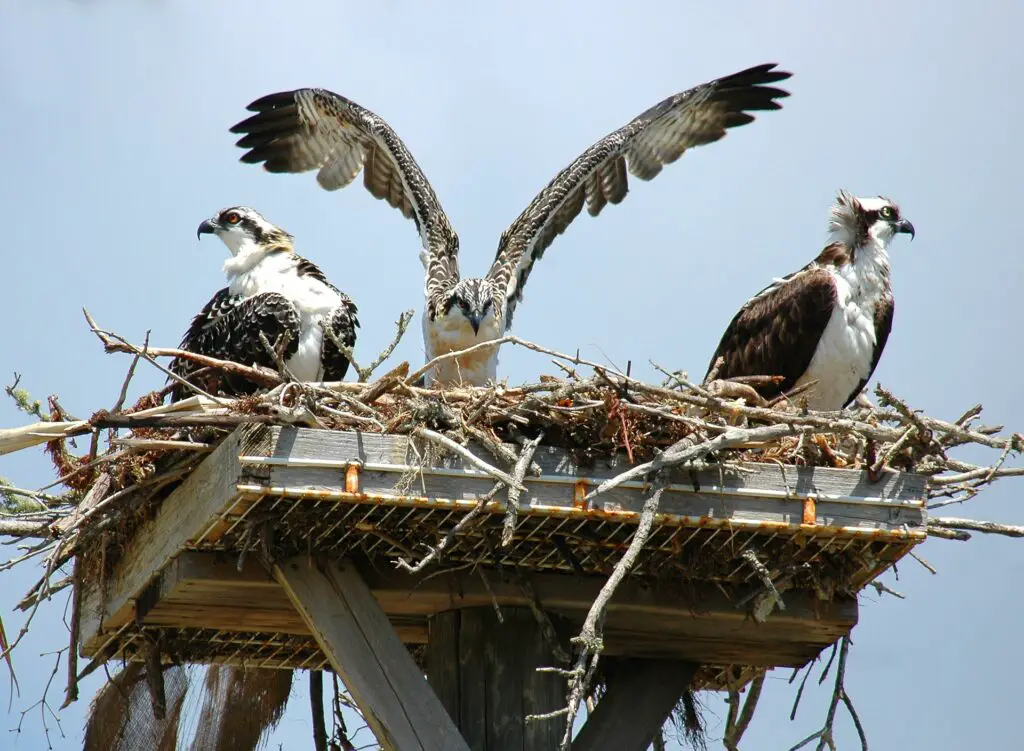
Ospreys are a fascinating species, and they will be seen gracefully flying around bodies of water. Still, there is so much more to these birds, including why they are an endangered species, and we will explore the question as to whether or not ospreys are protected birds and why they are deemed so.
What are Osprey
Ospreys are raptors, which means they are birds of prey. They use hooked beaks and sharp talons to catch their prey. Ospreys are very efficient hunters, capable of taking down prey several times their size. Ospreys live on all continents except Antarctica, inhabiting marine environments and inland wetlands.
Despite being common throughout their range, ospreys are considered endangered species in some parts of the world. As a result of development, birds are suffering from loss of nesting habitat due to development. Ospreys also face threats from pollution and climate change.
Is the osprey species in decline?
Ospreys are iconic bird that is known for their distinctive silhouette and aerial prowess. These majestic birds have long been revered by humans, but in recent years, concerns have been growing about the health of the osprey population. While this species has traditionally been considered to be of least concern, reports indicate that ospreys may, in fact, be declining in certain parts of their range. Factors such as habitat loss, chemical pollution, and power line collisions are suspected of being responsible for the decrease in osprey numbers in Europe and North America. In Asia, meanwhile, the Osprey is threatened by egg collectors and hunting, putting this unique species at risk. Nevertheless, there are efforts underway to help protect these iconic birds and ensure their continued survival. By working together to address threats such as habitat loss and by keeping a close eye on animal populations, we can hopefully slow or even reverse the trend towards a decline in ospreys around the globe.
Are osprey birds hunted by humans?
Osprey is an iconic bird in many parts of the world, admired for its beauty and grace. However, humans pose a significant threat to these fragile creatures. Osprey has been hunted for their feathers since ancient times and used in clothing and headwear. Additionally, their habitat is increasingly threatened by human activities like deforestation, pollution, and urban development. As a result of these threats, osprey populations have declined significantly over the years.
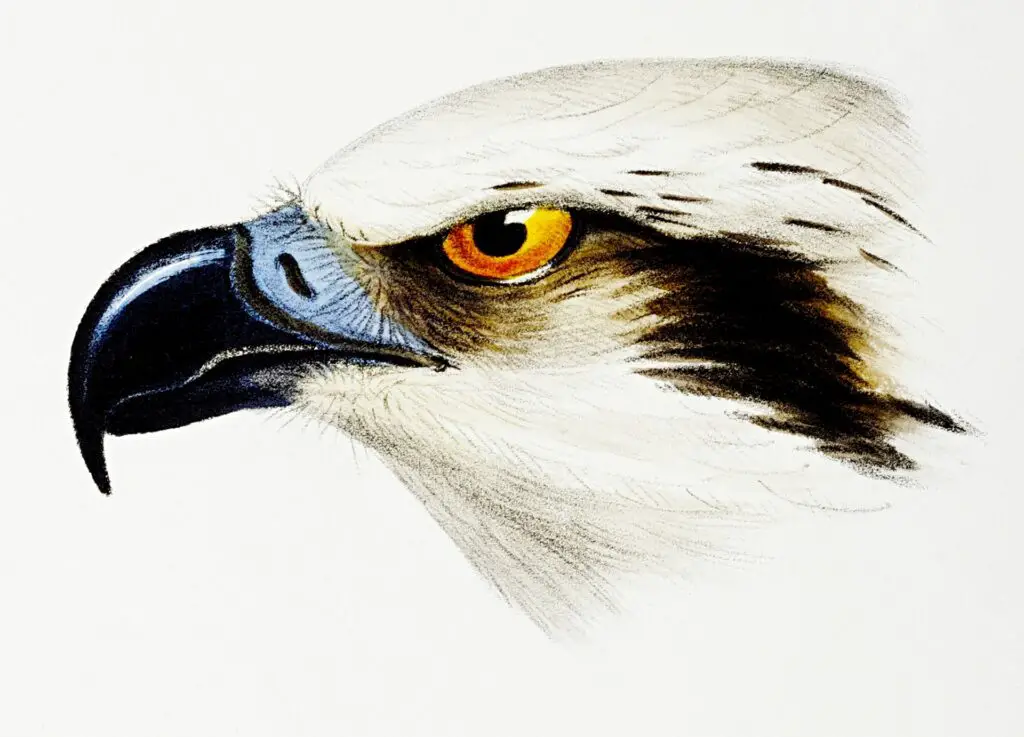
Yet despite these challenges, Osprey has survived and even thrived in some areas. Thanks to conservation efforts and awareness campaigns, people are becoming more aware of the necessity of protecting these majestic birds. As a result, many communities now work to promote osprey habitats and raise funds for conservation efforts, helping them to thrive in the future. Indeed, ospreys prove that with careful management and human support, even the most vulnerable species can prevail.
Is habitat loss contributing to the decline in osprey species?
There is no one answer to whether habitat loss contributes to the decline in osprey species. Some scientists say that habitat loss is a significant factor, while other experts believe that other modifications, such as climate change and pollution, are more to blame. What is clear, however, is that ospreys are in danger of becoming extinct and more needs to be done to protect these birds.
Habitat loss occurs when natural areas are destroyed or degraded, often due to human activities such as development, deforestation, and pollution. This can be devastating for wildlife, as it can lead to the loss of their home range, food sources, and other essential resources. Ospreys are particularly vulnerable to habitat loss, as they require large areas of open water in which to hunt for fish.
Many factors contribute to the decline of osprey species, but habitat loss is definitely a significant concern. If we want to save these magnificent birds, we need to take steps to protect their habitats and make sure that we don’t lose any more of them.
What happens if someone harms an osprey
Given the vital role that ospreys play in coastal ecosystems, it is no surprise that harming these birds can result in severe consequences. Not only are ospreys important for controlling fish populations and preventing ecosystem imbalances, but they also serve as an important indicator species for environmental health. For example, suppose an osprey’s habitat becomes degraded or polluted. In that case, this is likely to negatively affect its health and well-being. In addition, due to the high social status of ospreys in many native cultures, harming these birds is often considered taboo or even criminal. So if someone were to harm an osprey, they would likely face significant penalties and consequences, both legal and otherwise. But, ultimately, we have a moral obligation to protect these magnificent creatures for their sake and ours.
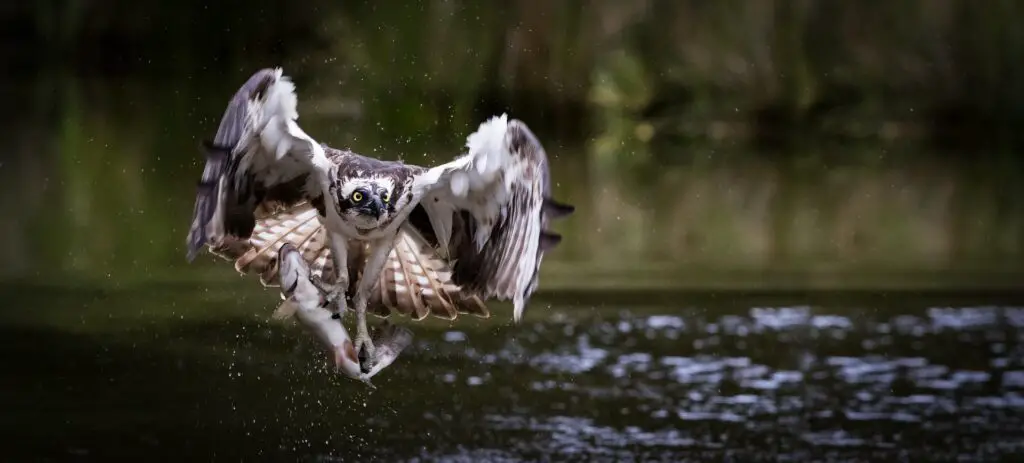
The Osprey is a protected bird in the United States. Ospreys are migratory birds that winter in Central and South America. Ospreys were listed as endangered in 1967, but their population has increased since then due to conservation efforts. The biggest threats to ospreys are loss of habitat, pesticides, lead poisoning, and collisions with power lines. You can help protect ospreys by keeping your distance from them when you see one, not using pesticides near their habitats, and reporting any injured or dead ospreys to authorities.