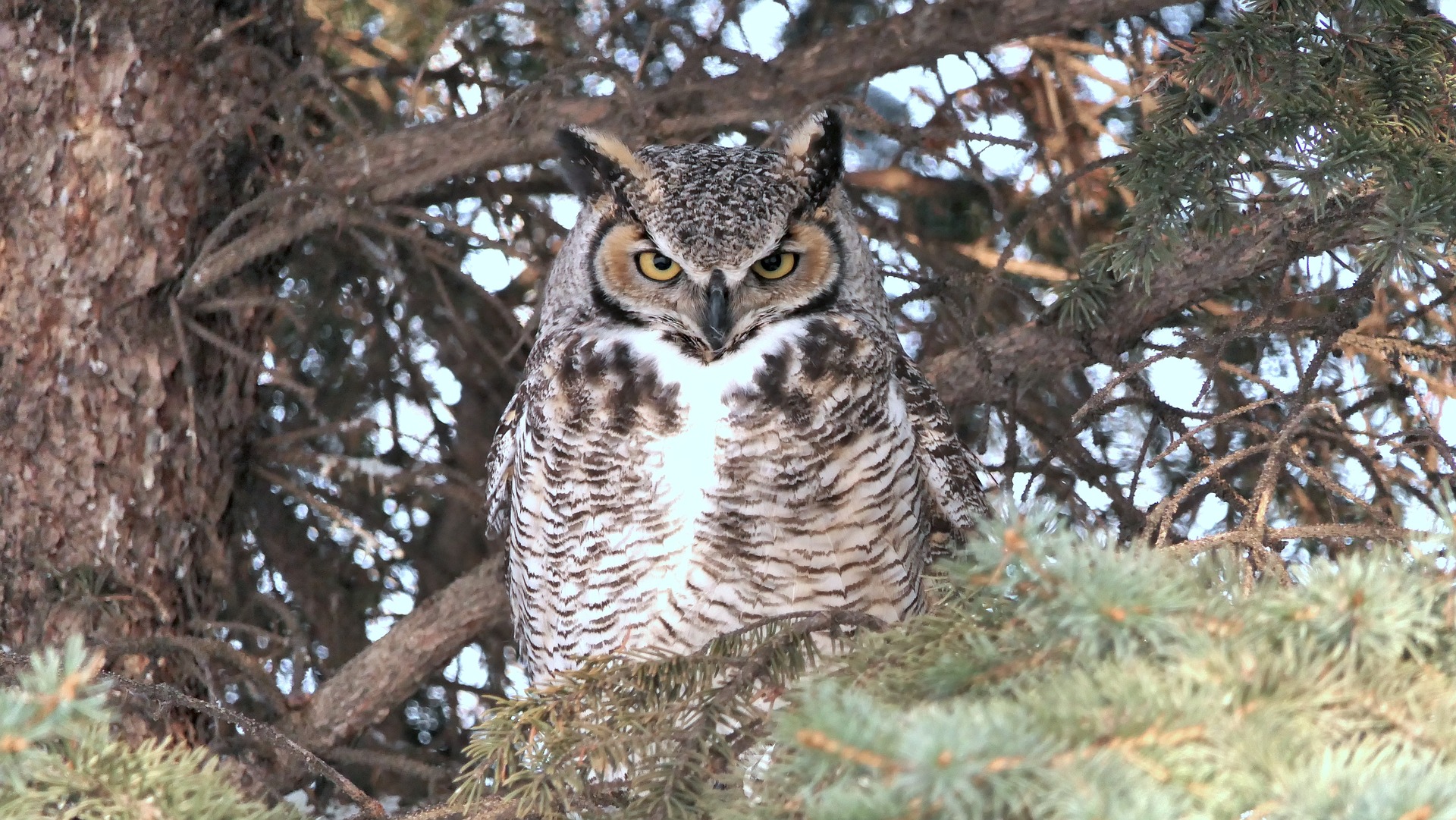
Caring for owls is no easy task. These fascinating birds are not your typical household pets, requiring special attention and care from their owners. Falconers are experts in the art of caring for owls.
Owl Housing and Enclosure Setup
When setting up housing and enclosures for my owls, I always consider my birds’ species-specific needs and behaviours. Owls are nocturnal creatures, so providing them with a quiet, dimly lit space is essential for their well-being. I recommend placing perches at various heights to mimic their natural habitat and give them options for roosting comfortably. It’s also important to include a sheltered area where they can retreat from extreme weather conditions.
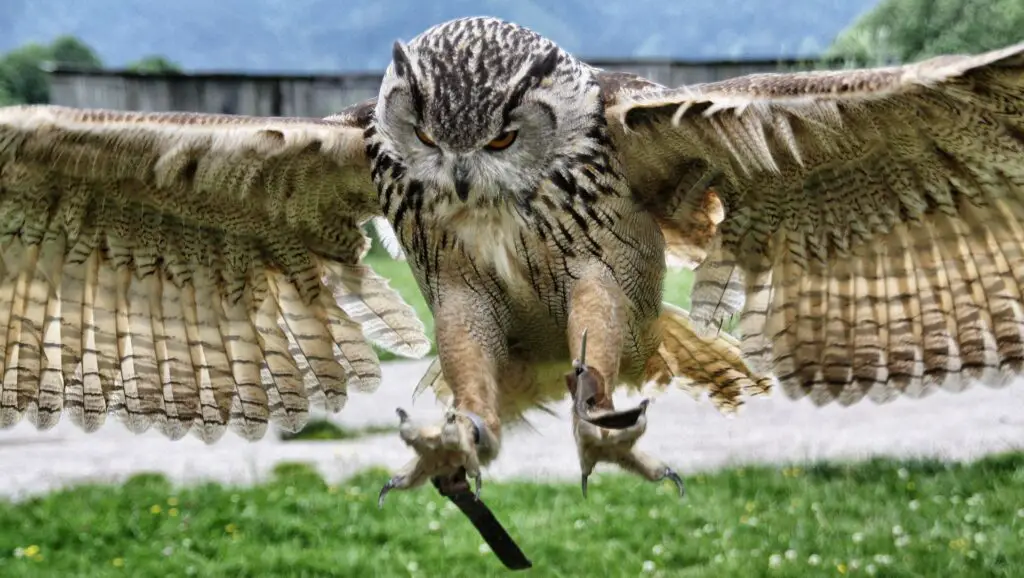
In my experience, I’ve found that owls prefer enclosures with natural materials like wood and branches, as this helps to create a more calming environment for them. Ensuring proper ventilation and adequate space for flight and exercise is vital for their physical health.
Owl Diet and Nutrition Requirements
Proper nutrition through their meals is crucial for the health and longevity of owls. It’s important to provide a balanced and varied diet to your birds. In the wild, owls primarily hunt small mammals, such as mice and voles. As such, in captivity, it’s essential to provide them with whole prey items or high-quality commercial diets specifically formulated for
Below are the prey items that I feed to my owls:
| Nutrient | Food Source |
| Protein | Mice, rats, birds |
| Vitamins | Liver, heart, kidney |
| Minerals | Bones, insects |
Protein is essential for muscle development and overall growth, while vitamins from organs like the Liver provide necessary nutrients for metabolic functions. Minerals sourced from bones and insects contribute to owls’ bone strength and other physiological processes. By simulating the natural diet of wild owls, you can best meet the nutritional requirements, ensuring their vitality and longevity.
Mental Stimulation and Enrichment Activities
Engaging in various mental stimulation and enrichment activities is vital for maintaining the cognitive health and well-being of captive owls. Owls are intelligent creatures that require mental challenges to thrive in captivity.
One strategy that I use to promote mental stimulation is through the use of puzzle feeders. These feeders require the owl to use problem-solving skills to access their food. You can also introduce objects like toys or perches to spark curiosity and engage the owl’s senses, keeping them mentally active.
However, the most important form of mental stimulation is incorporating training sessions into their daily routine. This will help you bond with your owl and keep them active and mentally stimulated. Training exercises such as recall or target training challenge the owl’s cognitive abilities while offering a positive form of interaction.
Physical Health Monitoring and Care
It’s important to pay close attention to the physical well-being of your owls through regular health check-ups and observations.

Here is what I follow regularly:
- Regular Health Checks: I conduct routine physical examinations to assess the owl’s overall health, checking for any signs of illness or injury. This allows for early detection and prompt treatment in case of any health concerns.
- Weight Monitoring: Keeping track of weight is essential to ensure proper nutrition. A sudden decrease or increase in weight can indicate a health issue.
- Nail Trimming: Owls have sharp talons that they use for hunting and gripping prey. The nails need regular trimming to prevent them from getting too long and causing injury to the owl or its owner.
- Feather Health: Inspecting the feathers regularly for any signs of damage or feather plucking is vital. A proper diet rich in protein, minerals and vitamins helps maintain healthy feathers.
Building Trust and Bonding With Owls
Establishing a strong bond with captive owls involves consistent interaction and positive reinforcement to cultivate trust and mutual understanding. Owls, being highly intelligent and sensitive creatures, require patience and respect in bonding. Falconers can build a trusting relationship with their feathered companions by engaging in daily training sessions and handling the owl gently.
Methods for Building Trust and Bonding With Owls:
- Spend time – In the early stages, you may just need to sit near the enclosure without any further interaction to make your owl comfortable with your presence.
- Interaction – Spend time daily interacting with the owl, talking softly and moving calmly around it.
- Positive Reinforcement – Reward the owl with treats or praise when it displays desired behaviours during training.
- Respectful Handling – Approach the owl calmly, avoid sudden movements, and handle it gently to build trust.
Caring for owls requires commitment, patience and specialized knowledge. By providing suitable housing and nutrition, engaging in mental stimulation activities, monitoring their physical health and building trust through positive reinforcement, you can ensure the well-being of owls in captivity.