
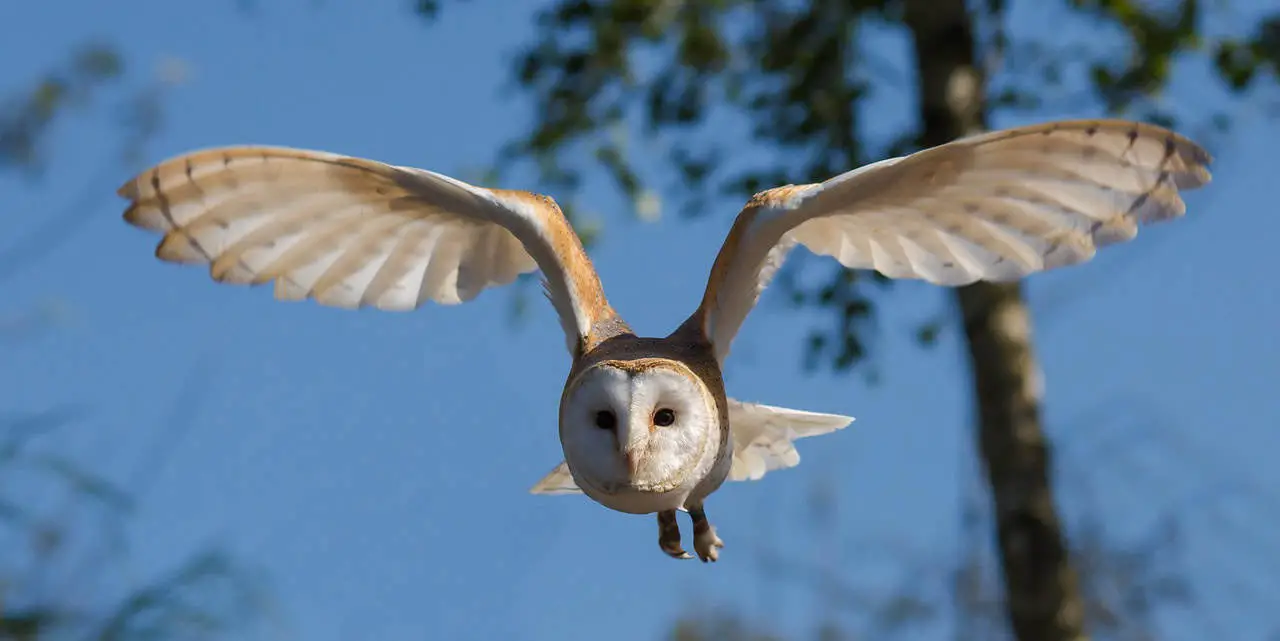
If you are deciding to begin your journey in Falconry with an owl as a pet, it is important to choose the right species for you. Some owls require more care and experience than others, making them better suited for experienced owners. In this guide, we will discuss whether owls are good for beginners and which species to start with.
Are Owls recommended for beginner falconers?
Owls are generally not recommended for beginner falconers due to their complex care requirements and specialized training needs. Owning an owl requires a deep understanding of their natural behaviours, dietary needs, and living conditions. Unlike other birds commonly used in Falconry, such as hawks or falcons, owls have specific adaptations that demand a higher level of expertise to handle properly.
One crucial aspect that makes owls challenging for beginners is their nocturnal nature. Owls are primarily active at night, which goes against the diurnal schedule of many falconers. This means adjusting your routine to accommodate the owl’s natural behaviour patterns, including feeding schedules and training sessions during the nighttime.

Furthermore, owls have unique dietary needs compared to other birds of prey. Their diet consists mainly of whole prey items like mice, rats, and small birds. Providing a balanced diet that meets all their nutritional requirements can be demanding and requires careful planning and sourcing of appropriate food sources.
Reasons it is not advised to start Falconry with an owl
While some people may still choose to start Falconry with an owl, it is generally not advised due to the following reasons:
- Owls are highly specialized predators with unique needs that require advanced knowledge and understanding.
- They have specific housing requirements, such as a quiet and secluded space for roosting during the day.
- Their nocturnal nature makes them unsuitable for falconry displays or hunting during daylight hours, limiting their use in falconry activities.
- Owls have incredibly sharp talons and beaks, making them potentially dangerous to handle without proper training.
How much experience should a falconer have before obtaining an owl for Falconry?
To successfully handle an owl for Falconry, I suggest you should possess a minimum of three years of experience working with diurnal raptors. This level of experience ensures that the falconer has a strong foundation in handling birds of prey and understands the commitment required for owl care in Falconry.
Here are some emotional aspects to consider before embarking on this journey:
- Patience: Working with owls demands patience as these birds have unique behaviours and may take time to build trust with their handler.
- Resilience: Falconry is a challenging sport that requires dedication and resilience in the face of setbacks or difficulties.
- Empathy: Understanding the owls’ needs and emotions is crucial for building a strong bond and successful partnership in Falconry.
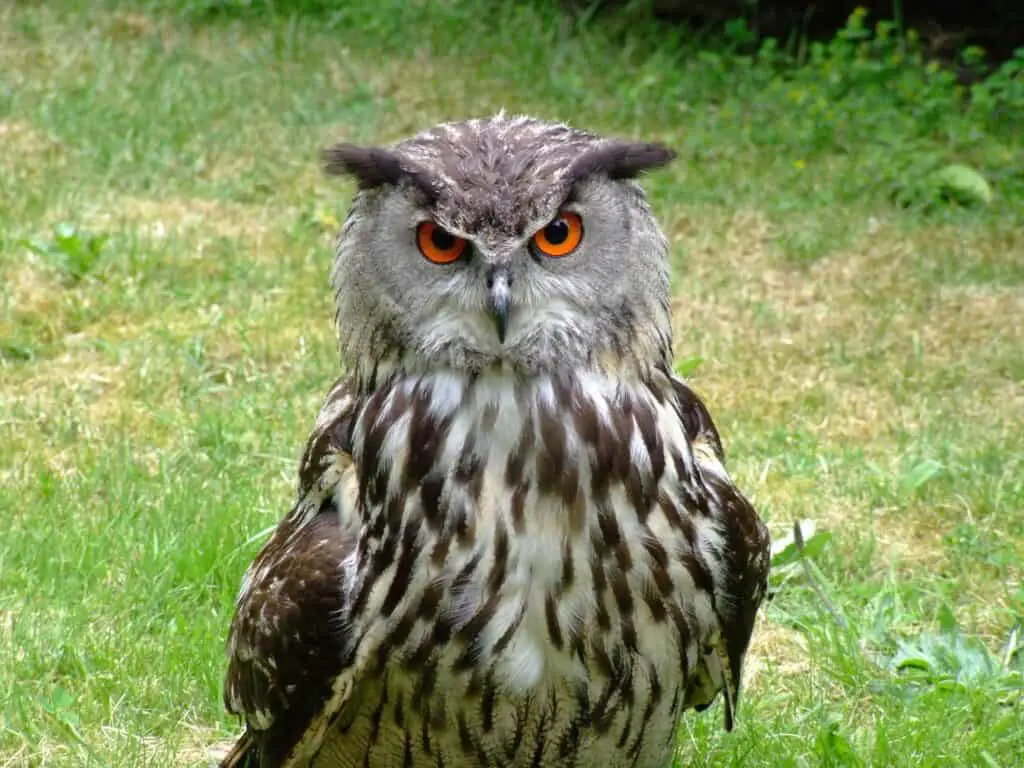
Owls that can be used for Falconry
Experienced falconers often seek out specific owl species known for their suitability in Falconry due to their impressive hunting abilities and adaptability in various environments. Among the owls commonly used in Falconry are the Eurasian Eagle Owl and Great Horned Owl.
The Eurasian Eagle Owl (Bubo bubo) is one of the largest owl species, making it a formidable hunter. Its exceptional eyesight and silent flight enable it to ambush prey effectively.
The Great Horned Owl (Bubo virginianus) is a powerful predator with a diverse diet, ranging from small mammals to other birds. Its adaptability to different habitats and climates makes it a versatile choice for falconers.
When considering owls for Falconry, it’s crucial to prioritize the welfare and training of these magnificent birds to ensure a successful partnership in the ancient art of Falconry.
Frequently Asked Questions
Can I keep an owl as a pet if I am not a falconer?
- Owls are not suitable pets and cannot be kept without proper permits and training, as they have specific needs that only experienced falconers can provide.
Do owls bond with their owners like other pets?
- While owls may develop a trusting relationship with their handlers, it is important to remember that they are wild animals and do not form the same type of bond as domesticated pets.
Can I train an owl without previous experience?
- Training an owl requires extensive knowledge and experience in Falconry. It is not recommended for beginners to attempt training an owl without proper training themselves. So, it is essential to gain experience with other birds of prey before considering an owl for Falconry.