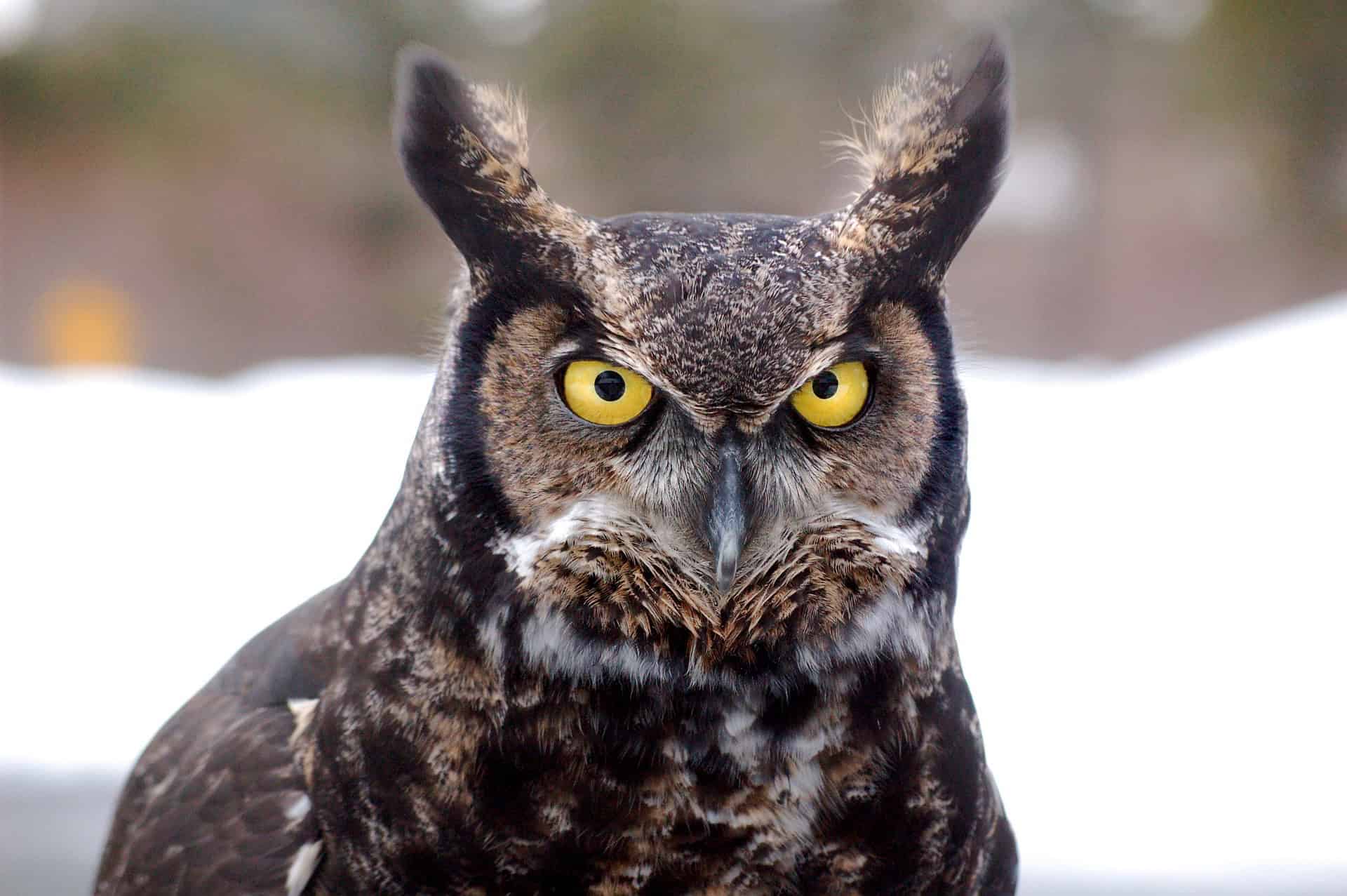
During my first visit to a falconry centre, I witnessed a falconer and his owl, where trust and mutual understanding were as essential as the food he was feeding the owl. As I observed the feeding process, I couldn’t help but wonder, what exactly do falconers feed these demanding companions? Now, after more than 20 years in this field and after the successful attempts of keeping owls on my own, I will answer this question in detail below.
The items falconers feed their owls
- Mice
- Rats
- Birds
- Insects
- Fish
- Lizards
- Snakes
- Small mammals
- Bats (if available nearby)
- Small reptiles

Us Falconers feed our owls a diverse diet to reflect the natural hunting techniques of owls, showcasing their adaptive behaviour. Owl hunting behaviour is characterized by stealth, silence, and precision, making them efficient predators. We use specific training methods to enhance these skills for successful hunting sessions. Understanding this diet sheds light on the intricate relationship between owls and their environment.
Nutritional Requirements of Owls
To ensure optimal health and performance, owls have specific nutritional requirements that must be met through a balanced diet rich in essential nutrients. Owl diet diversity is crucial as these birds thrive on a variety of prey, including rodents, insects, fish, and small mammals. The nutrient absorption in owls is highly efficient, allowing them to extract essential vitamins and minerals from their food sources effectively. Meeting these nutritional needs not only sustains their physical health but also enhances their cognitive abilities and overall well-being, providing various owl health benefits. However, owls have dietary restrictions, with some species being more specialized in their diet than others, depending on their hunting habits and environmental factors. Understanding and meeting these dietary needs are fundamental for the well-being of owls in falconry.
Preparation and Sourcing of Prey Items
Preparation of an owl’s meal is a task that requires meticulousness to mimic their natural dietary habits. The prey, usually purchased frozen, should be thawed completely at room temperature before being presented to ensure the meal is safe for consumption. When sourcing, aim for reputable suppliers who guarantee high-quality, disease-free prey animals. To maintain a balanced regime, diversity in the prey offered is important; thus, establishing connections with multiple sources can be beneficial. Always bear in mind seasonal availability and aim to stock up accordingly. Important tips include:
- Seeking prey variety.
- Adhering to ethical sourcing standards.
- Ensuring that the food’s nutritional profile aligns with specific owl species’ needs to facilitate a healthy diet akin to their natural wild state.
Commercial and supplementation Diets for owls
When considering the dietary requirements of owls, it is essential to evaluate the effectiveness of commercial and supplementation diets in meeting their nutritional needs for optimal health and performance. Dietary preferences play a crucial role in the well-being of owls, as they have specific feeding behaviours that influence their food choices. Providing a diverse food variety is essential to ensure they receive all the necessary nutrients for their diet. Maintaining a proper balance of nutrients is key to preventing deficiencies or imbalances that could impact their health. Establishing a consistent feeding schedule is also important to regulate their intake and support their natural feeding habits. Therefore, understanding these factors is vital in formulating suitable commercial and supplementation diets for owls.
Feeding practices and frequency
Feeding practices and frequency significantly impact the health and behaviour of owls in captivity. Owls, being nocturnal hunters, are accustomed to consuming small meals frequently. Mimicking their natural hunting behaviours, feeding schedules should include multiple small portions throughout the day. Dietary variations are essential to provide a well-rounded nutritional intake, including a mix of whole prey items like mice, rats, and chicks. Understanding the owl’s food preferences is crucial for ensuring they consume an adequate diet. Portion sizes should be appropriate for the owl’s size and metabolic requirements, avoiding overfeeding or underfeeding. By closely monitoring feeding schedules, dietary variations, hunting behaviours, food preferences, and portion sizes, we can maintain the health and well-being of our owl companions.
In conclusion, we falconers feed our owls a meticulously curated diet that fulfils all their nutritional requirements. From sourcing live prey to preparing commercial diets and supplements, every meal is carefully planned to keep these majestic birds in prime condition.
Frequently Asked Questions
Can Owls Be Trained to Hunt for Their Own Food in Captivity?
- Yes, owls can be trained to hunt for their own food in captivity. By tapping into their self-sustaining nature and natural hunting instincts, captive prey training can help maintain their nutritional balance while considering ethical implications.
Are There Any Specific Dietary Requirements for Different Species of Owls?
- Feeding habits, nutritional needs, feeding schedules, dietary restrictions, and food sources all play crucial roles in maintaining the health of different owl species.
How Do Falconers Ensure Their Owls Receive All the Necessary Vitamins and Minerals in Their Diet?
- To provide owls with vital nutrients, it is crucial to offer a range of supplements, maintain a balanced feeding routine, take into account their dietary preferences, and keep an eye out for any health concerns.
Is It Possible to Overfeed an Owl, and What Are the Consequences?
- Yes, it is possible to overfeed an owl. Overfeeding can lead to obesity, which can result in health issues. It can also hinder their hunting abilities and overall performance.