
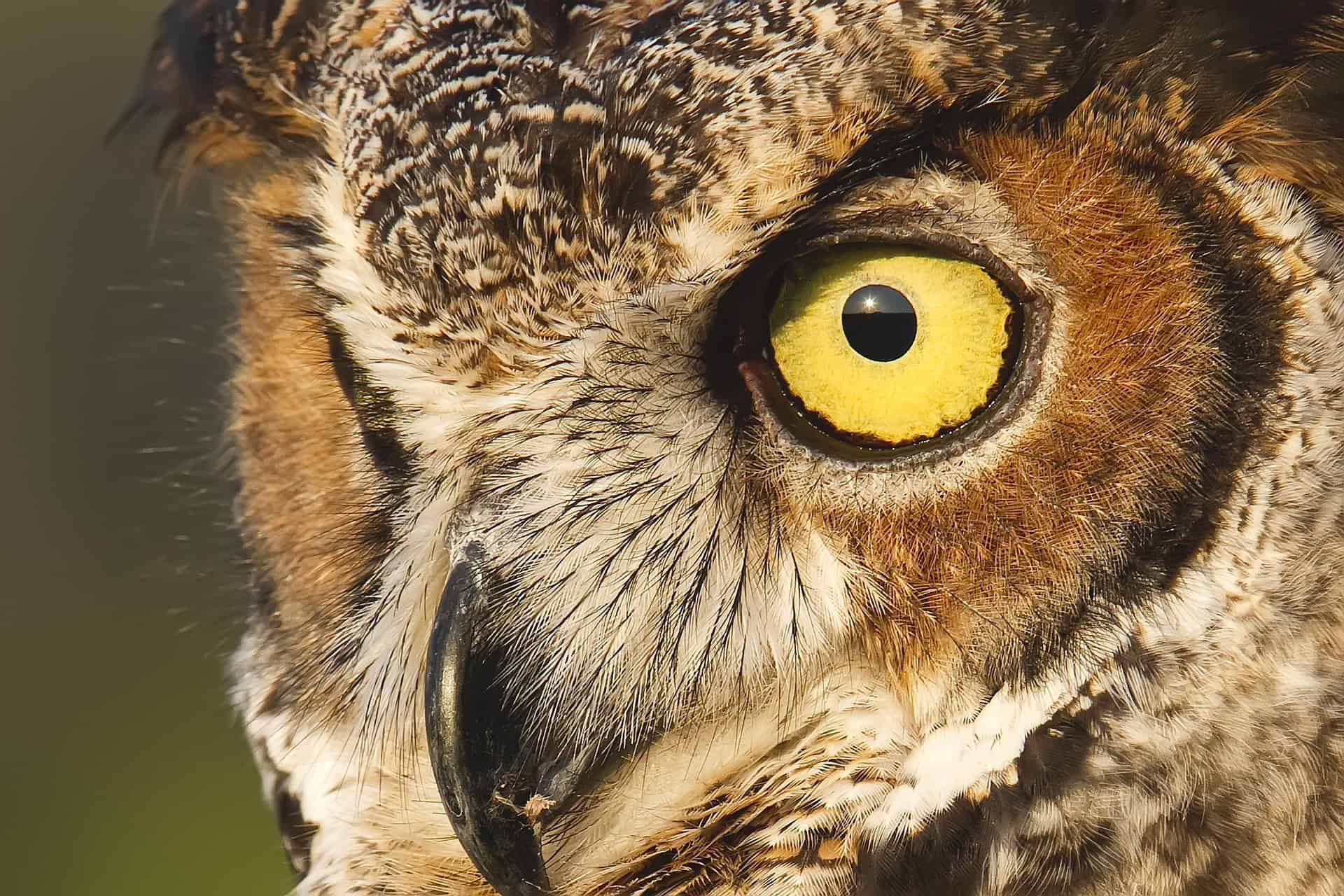
When considering what owls hunt in falconry, it’s essential to understand the diverse range of prey these birds target. From small mammals like mice and rabbits to insects and even other birds, owls showcase their hunting prowess in varied ways. In this section, we’ll take a closer look at some of the prey commonly hunted by owls in falconry.
Types of Prey Owls Target
Owls primarily target a variety of prey ranging from small rodents to larger birds in the practice of falconry. As a falconer, understanding the types of prey that owls hunt is crucial for successful training and hunting sessions.

Small Mammals in Owl Falconry
Small mammals are essential for providing the necessary nutrients and sustenance to support the health and vitality of owls used in falconry.
In my experience, I’ve found that the following small mammals are commonly sought after in owl falconry:
- Field Mice: These quick and elusive creatures are favourites among owls due to their abundance and high energy content.
- Voles: Small rodents like voles are a staple in an owl’s diet, providing essential proteins and fats.
- Shrews: Despite their small size, shrews are rich in nutrients and are often targeted by owls for their high metabolism.
- Young Rabbits: Owls may hunt young rabbits as they’re easier targets and offer substantial sustenance.
- Squirrels: While more challenging to catch, squirrels are a rewarding prey item for owls in falconry due to their size and energy-rich meat.
Insects and Other Prey
Insects, such as beetles, moths, and grasshoppers, are a vital food source for owls due to their high protein content. Owls use their exceptional vision and acute hearing to locate these small creatures, which may be hidden in grass or under leaves. They swoop down swiftly and silently with their sharp talons to catch their prey.
Apart from insects, owls also hunt for other prey like small reptiles, amphibians, and even small mammals. These creatures provide essential vitamins and minerals that contribute to the owl’s overall health and well-being. By targeting a variety of prey, owls can obtain a wide range of nutrients that are necessary for their survival.
I always advise falconers to provide their owls access to an array of insects and other prey, ensuring their dietary needs are met.
Birds Hunted by Owls
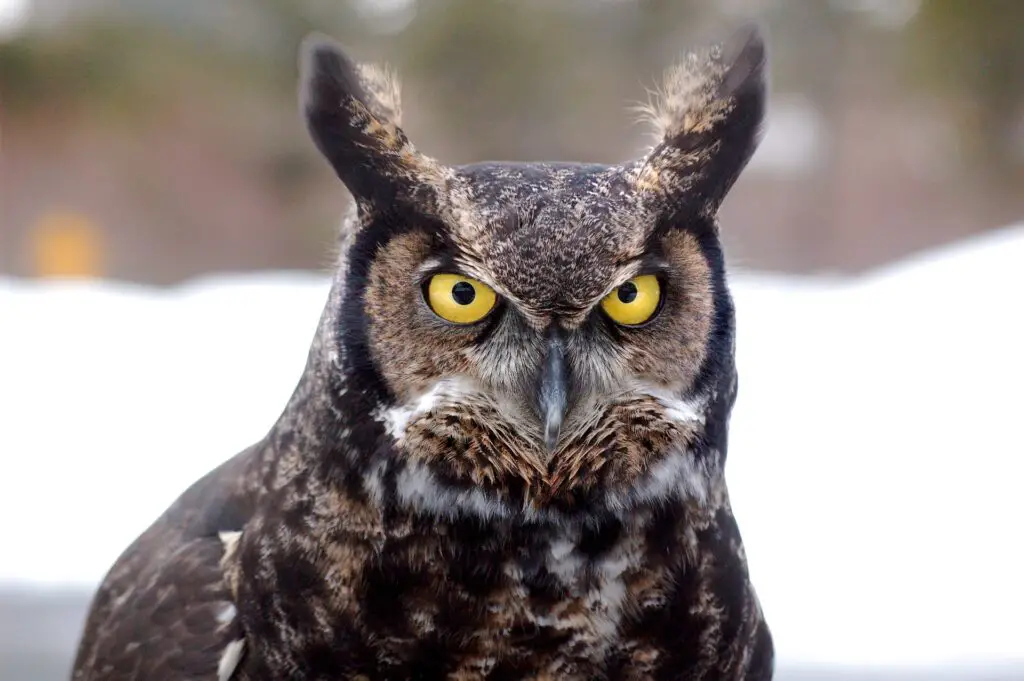
Over the years, I’ve learned that owls are skilled predators capable of hunting a diverse range of avian species.
Here are five types of birds commonly targeted by owls:
- Small Songbirds: Owls are good at ambushing small songbirds like sparrows, finches, and warblers.
- Game Birds: Larger owls like the Eurasian Eagle-Owl may prey on game birds like pheasants and quails.
- Geese: Some larger owl species have the strength and agility to take down geese, making them a challenging but rewarding prey item.
- Ducks: Similarly, owls may prey on ducks, using their sharp talons to immobilize their prey and carry them away.
- Pigeons and Doves: Urban environments often attract owls looking to prey on pigeons and doves for sustenance.
Rodents and Reptiles as Prey
Some species of owl, such as the Great Horned Owl, are also known to prey on snakes and lizards. Their powerful talons and sharp beaks help them easily catch and subdue these creatures. Other rodent species commonly hunted by owls include rats, mice, and even small rabbits.
In conclusion, owls are incredibly versatile hunters and are capable of targeting a wide range of prey in the practice of falconry. As a falconer, understanding the different types of prey that owls hunt is essential for successful training and hunting sessions. By providing them with a varied diet, we can keep them healthy while showcasing their impressive hunting abilities.