
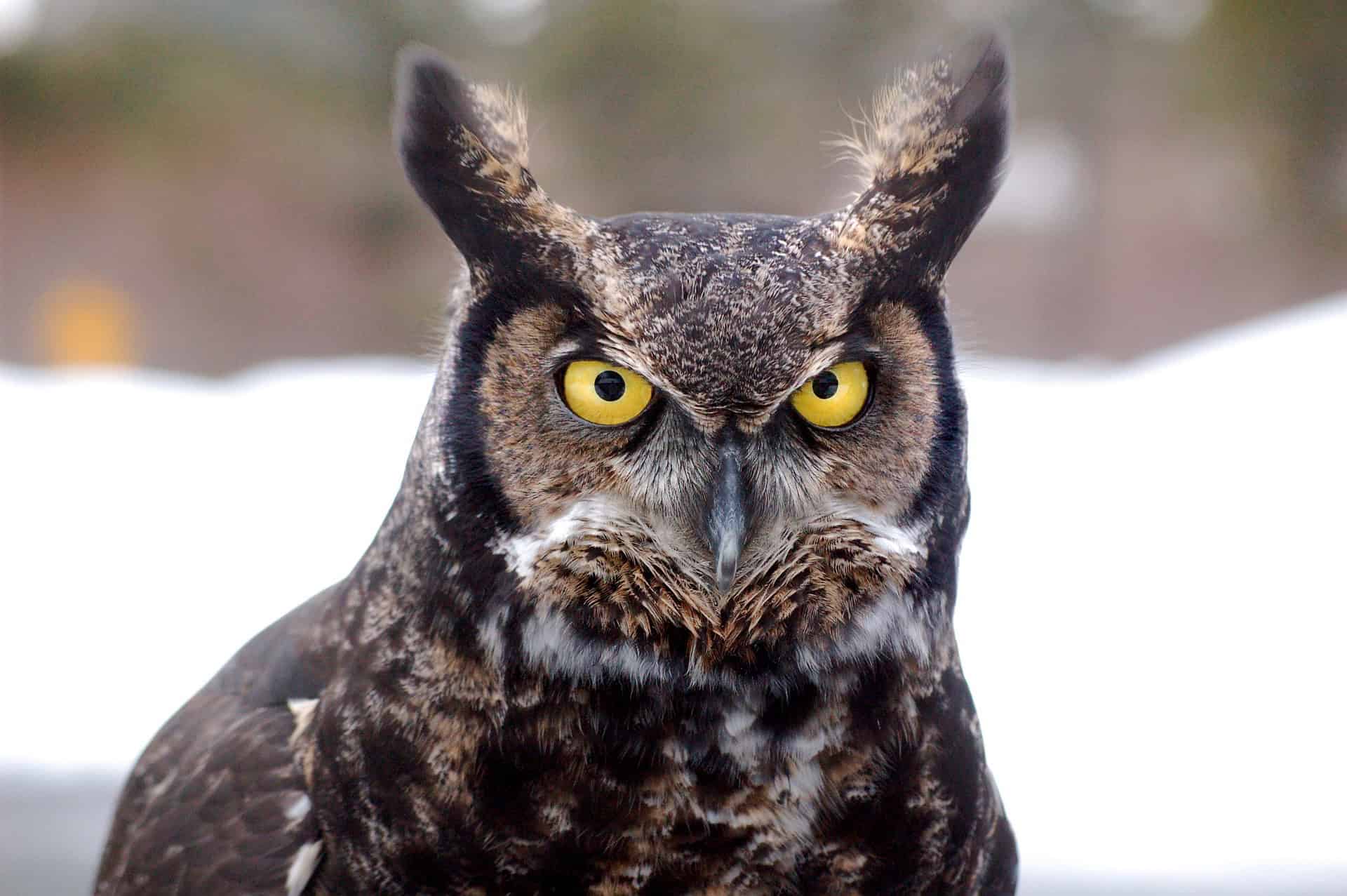
In falconry, the difference in size between the largest and smallest owl species used in falconry is quite a common question among new falconers. While both large and small species of owls are used in falconry, there are certain factors to consider when choosing which type of owl is best for the sport.
Largest Owl Species for Falconry
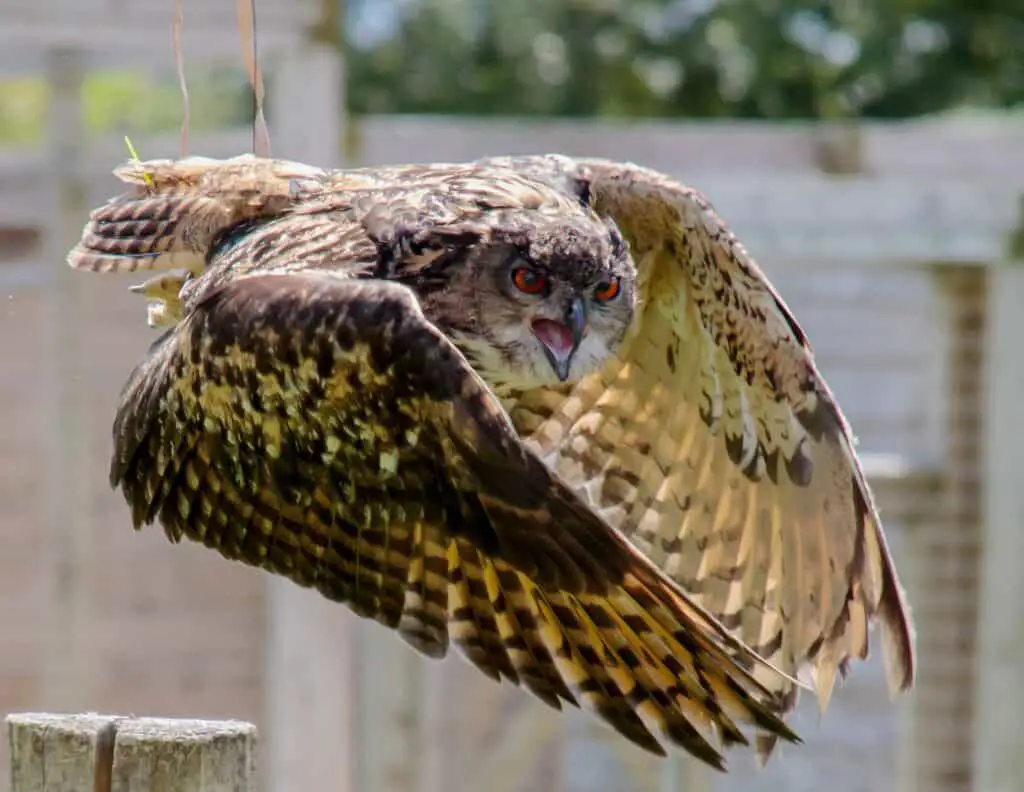
The Eurasian Eagle Owl, known scientifically as Bubo Bubo, stands out as one of the largest owl species utilized in falconry. With a wingspan exceeding 6 feet and a weight that can reach up to 10 pounds, this majestic bird commands respect in the field. Its strength and keen hunting instincts make it an excellent partner in falconry.
Although not commonly used for falconry in modern times, the Eurasian Eagle Owl has a long history of being trained and flown by skilled falconers. Its size and power make it a formidable hunter, able to take down prey as large as deer or foxes.
Smallest Owl Species for Falconry
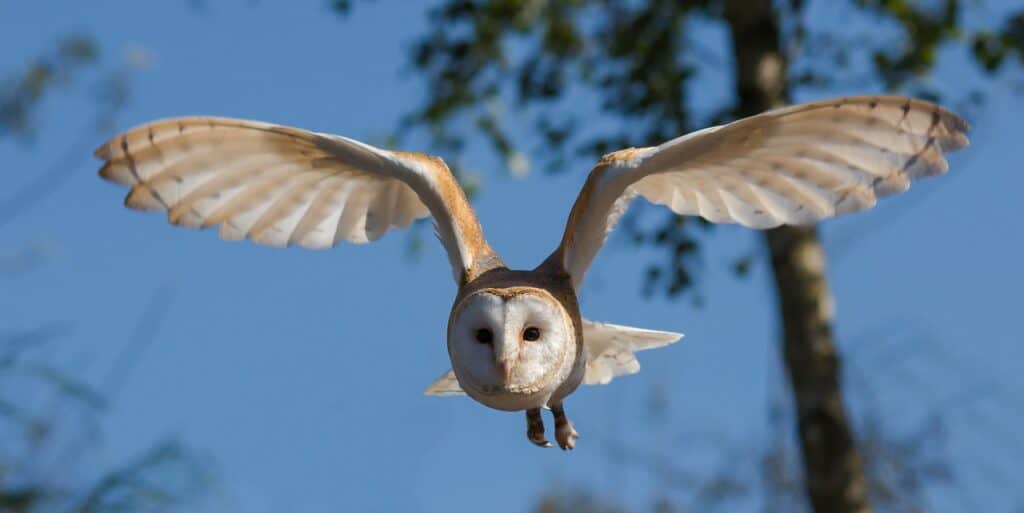
The smallest owl species used in falconry is the Barn Owl. These owls are known for their heart-shaped facial disc and golden-brown plumage. They are also one of the most common birds used in falconry due to their adaptability and ease of training.
Barn Owls, also known as Tyto alba, can be found throughout many different regions around the world including Europe, Asia, Africa, Australia, and North America. Their habitats range from open farmlands to forests, making them easily accessible for falconers to trap or obtain through breeding programs.
In terms of size, Barn Owls are relatively small compared to other raptors used in falconry. They typically weigh around 13-16 ounces and have a wingspan of about 39 inches. However, don’t let their size fool you – these owls are fierce hunters with incredible agility and speed.
One unique characteristic of Barn Owls is their silent flight. This is due to the soft fringes on their feathers that help them fly silently through the air, making them even more effective at hunting small prey such as mice, rats, and voles. Their keen sense of hearing also aids in their hunting abilities, allowing them to locate prey even in complete darkness.
Characteristics of the Biggest Owl: Strength and Power
The largest owl species used in falconry exhibit impressive strength and power due to their size. They are able to take down larger prey and have a commanding presence in the field. However, these birds also require strong handling skills from the falconer, as they can be challenging to manage.
Characteristics of the Smallest Owl: Agility and Speed
While the smallest owl species may not have the same strength and power as their larger counterparts, they make up for it with agility and speed. These birds are quick and nimble, able to manoeuvre through dense vegetation in pursuit of prey. Falconers must also possess precise handling skills when working with these smaller birds.
Training the Largest Owl for Falconry
To effectively train the Eurasian Eagle Owl for falconry, one must focus on establishing a strong bond based on trust and respect between the handler and the bird. When beginning the training process, it’s crucial to create a controlled environment that reduces distractions and ensures the safety of both the owl and the handler. Building trust by using positive reinforcement techniques such as offering food rewards and using consistent training cues is essential for the owl to understand and respond to commands effectively.
Training sessions should be kept short initially to prevent mental fatigue and maintain the owl’s engagement. Gradually increasing the complexity of tasks and challenges will help develop the bird’s skills and capabilities over time. It’s important to monitor the owl’s progress closely, adjusting the training regimen as needed to address any issues or setbacks that may arise. With patience, dedication, and a strong bond with the handler, the Eurasian Eagle Owl can become an impressive hunting partner in falconry.
Training the Smallest Owl for Falconry
Training the Barn Owl for falconry requires similar techniques to those used for larger owl species. The key is to ensure that training sessions are tailored to the bird’s physical and mental capabilities. Due to their small size, these owls may tire quickly and have shorter attention spans compared to larger birds.
Falconers must also be mindful of the Barn Owl’s natural instincts and hunting preferences. For example, they may be more inclined to hunt during dawn or dusk hours, which should be considered when planning training sessions.
In conclusion, the largest and smallest owl species used in falconry each have their unique characteristics and considerations when it comes to training and handling. Ultimately, the most crucial factor is building a strong bond between the handler and the bird, regardless of size.
Frequently Asked Questions
Can any owl species be used in falconry?
- No, only certain species of owls are suitable for falconry.
Is it better to hunt with a big owl or a small owl?**
- It depends on personal preference and the type of prey being hunted. Larger owls are better suited for hunting larger game, while smaller owls excel at catching smaller prey.
What Is the Average Lifespan of the Eurasian Eagle Owl?
- The average lifespan of the largest owl in falconry varies but typically ranges from 20 in the wild and up to 60 years in captivity.
Can the Smallest Owl Species for Falconry Be Trained to Hunt Larger Prey?
- While the Barn Owl may not have the strength and size to take down larger prey, they can be trained to hunt small birds and rodents effectively.
Are There Any Specific Regulations or Restrictions for Handling the Biggest Owl in Falconry?
- Regulations and restrictions for handling the largest owl in falconry may vary depending on the country or state. It’s essential to research and understand any laws or permits required before beginning training.