
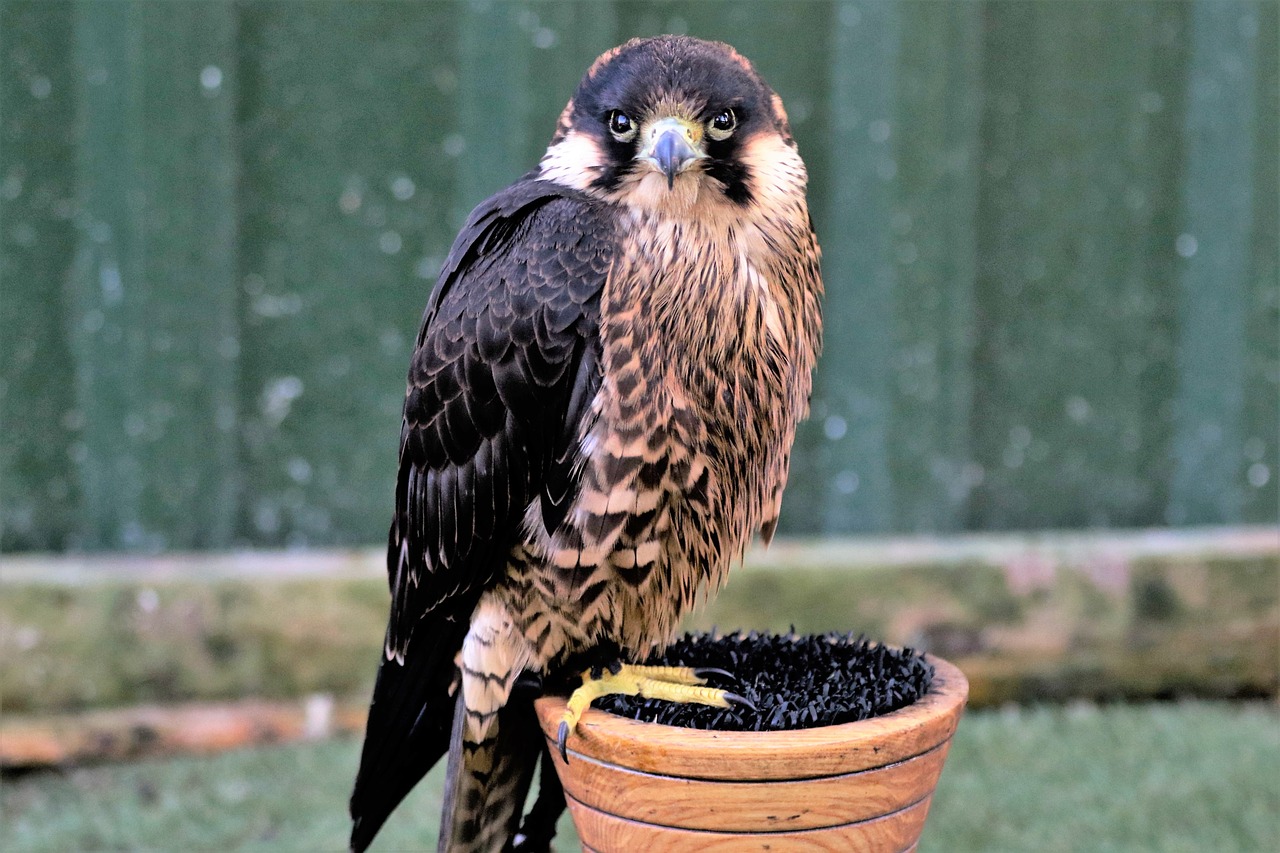
When it comes to selecting a Peregrine Falcon for falconry, male and female falcons each offer unique advantages. I prefer males as they are faster and more agile and do well hunting small, fast prey. On the other hand, females are larger and stronger, making them better suited for capturing larger games. Understanding these physical and behavioral differences is key in choosing the ideal bird for your falconry pursuits. Each gender brings its own set of skills to the table, enhancing your falconry experience in distinct ways. So, consider your hunting goals and training preferences to align with the falcon that best suits your needs.
Physical Differences Between Male and Female Peregrine Falcons
Male and female peregrine falcons exhibit some distinct physical differences, often referred to as sexual dimorphism. These differences can help in distinguishing between the two genders, although they can sometimes be subtle. Here are some of the physical differences I have noticed between a male and female peregrine falcon:
- Size:
- Male: Generally smaller in size.
- Female: Larger and more robust than males.
- Weight:
- Male: Typically weighs between 580 to 750 grams (20 to 26 ounces).
- Female: Heavier, with weights ranging from 900 to 1,500 grams (32 to 53 ounces).
- Wing Length:
- Male: Shorter wingspan, usually ranging from 80 to 100 cm (31 to 39 inches).
- Female: Longer wingspan, typically between 100 to 120 cm (39 to 47 inches).
- Tail Length:
- Male: Shorter tail feathers.
- Female: Longer tail feathers.
- Foot Size:
- Male: Smaller feet and talons.
- Female: Larger feet and stronger talons, which are essential for capturing and holding larger prey.
- Plumage:
- Both male and female peregrine falcons have similar plumage patterns, with dark grey to black upperparts and barred underparts. However, the intensity of the coloration can vary between individuals.
- Head and Facial Features:
- Male: Generally has a smaller head and less prominent facial features.
- Female: Larger head with more pronounced facial features, including a broader facial disk.
Behavioral Traits of Male vs Female Peregrine Falcons in Falconry
Apart from physical differences, male and female peregrine falcons also exhibit distinct behavioral traits that make them suitable for different types of falconry. Here are some of the key differences in their behaviors:
- Hunting Style:
- Female: Due to their larger size, females tend to take larger prey and are often used for hunting medium to large-sized birds, such as ducks and pheasants.
- Male: Smaller and more agile, males are often used for hunting smaller birds, like quail and starlings, due to their speed and maneuverability.
- Temperament:
- Female: Some falconers believe that female Peregrines can be more aggressive and dominant compared to males. They might require a more experienced handler to manage their strong-willed nature.
- Male: Generally considered to be more docile and easier to handle, especially for novice falconers.
- Training:
- Female: Females can be more challenging to train due to their independent and strong-willed nature. They may require consistent and firm handling to establish trust and cooperation.
- Male: Males are often more responsive to training and may bond more quickly with their handlers, making them somewhat easier to train.
- Flight Characteristics:
- Female: Flies with a powerful and direct flight, capable of high-speed pursuits over longer distances.
- Male: Exhibits swift and agile flight, often used for quick maneuvers and rapid descents during hunting.
- Social Behavior:
- Female: Females are more solitary in nature and may not tolerate the presence of other birds, making them better suited for solo hunting.
- Male: Has a higher tendency to form social bonds and can be trained to hunt in pairs or groups.
Training Considerations for Male and Female Falcons
Female Peregrine Falcons’ aggressiveness and territorial nature can greatly impact the training approach needed compared to their male counterparts. When training female peregrine falcons, it is essential to establish dominance early on and consistently reinforce obedience. Males, on the other hand, tend to be more cooperative and responsive to training methods that focus on positive reinforcement.
| Training Considerations | Female Falcons | Male Falcons |
| Aggressiveness | Higher | Lower |
| Territorial Behavior | More prone to territoriality | Less territorial |
| Response to Training | Requires firm handling | Responsive to positive reinforcement |
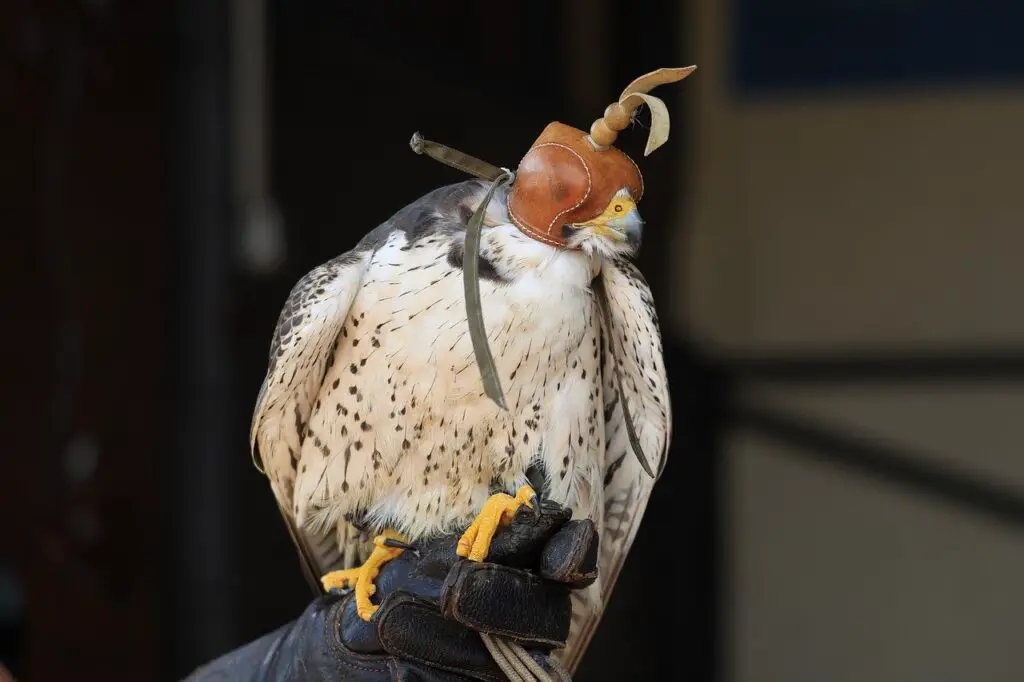
Male falcons may benefit from structured training routines that emphasize discipline, while female falcons might thrive in environments where rewards are used to reinforce desired behaviors.
Hunting Performance: Which Gender Excels?
When assessing hunting performance between male and female Peregrine falcons for falconry, one crucial aspect to think about is their natural instincts and hunting abilities. Female falcons are generally larger and stronger, which can be advantageous for taking down larger prey. On the other hand, male falcons are known for their agility and speed, making them adept at capturing swift or agile targets.
Here are some key points to ponder in comparing the hunting performance of male and female Peregrine falcons:
- Size and Strength: Females are typically larger and more powerful, allowing them to tackle bigger prey.
- Agility and Speed: Males excel in agility and speed, making them skilled at hunting fast-moving targets.
- Hunting Techniques: Females may rely on strength to overpower prey, while males might use speed and precision to catch elusive prey.
- Adaptability: Both genders have unique hunting styles, and their effectiveness can vary based on the type of prey and hunting environment.
Health and Longevity: Male vs Female Falcons
Male and female peregrine falcons have similar lifespans, with an average life expectancy of 15 to 20 years in the wild. In captivity, they can live up to 25-30 years due to reduced exposure to environmental stressors and access to regular medical care.
Here are some factors that can affect the health and longevity of male and female peregrine falcons:
- Diet: Both genders require a well-balanced diet of fresh meats, bones, and feathers to maintain their health.
- Housing: Adequate housing with proper ventilation, perches, and space can promote good health in both male and female falcons.
- Stress Levels: Falconry activities and training can cause stress in both genders, which can affect their overall health and lifespan.
- Genetics: Certain genetic factors may predispose male or female falcons to specific health conditions that can impact their longevity.
While male and female Peregrine falcons share many similarities, they also exhibit distinct physical and behavioral differences that make them suitable for specific types of falconry. Factors such as hunting style, temperament, training, flight characteristics, social behavior, and health can all play a role in determining which gender may excel in certain aspects of falconry. As with any animal, it is crucial to consider individual personalities and choose the best-suited falcon for each falconer’s needs and preferences.