
When I began my journey in falconry, I often asked my sponsors this question, as I was curious to know more about the training process and what it entailed. The answer I received was always the same: ” It depends on the individual bird.” Now, over a decade later, I am being asked this by beginner falconers whom I mentor. So, I decided to look into this question and answer it in a more comprehensive way.
The Nature of Peregrine Falcons
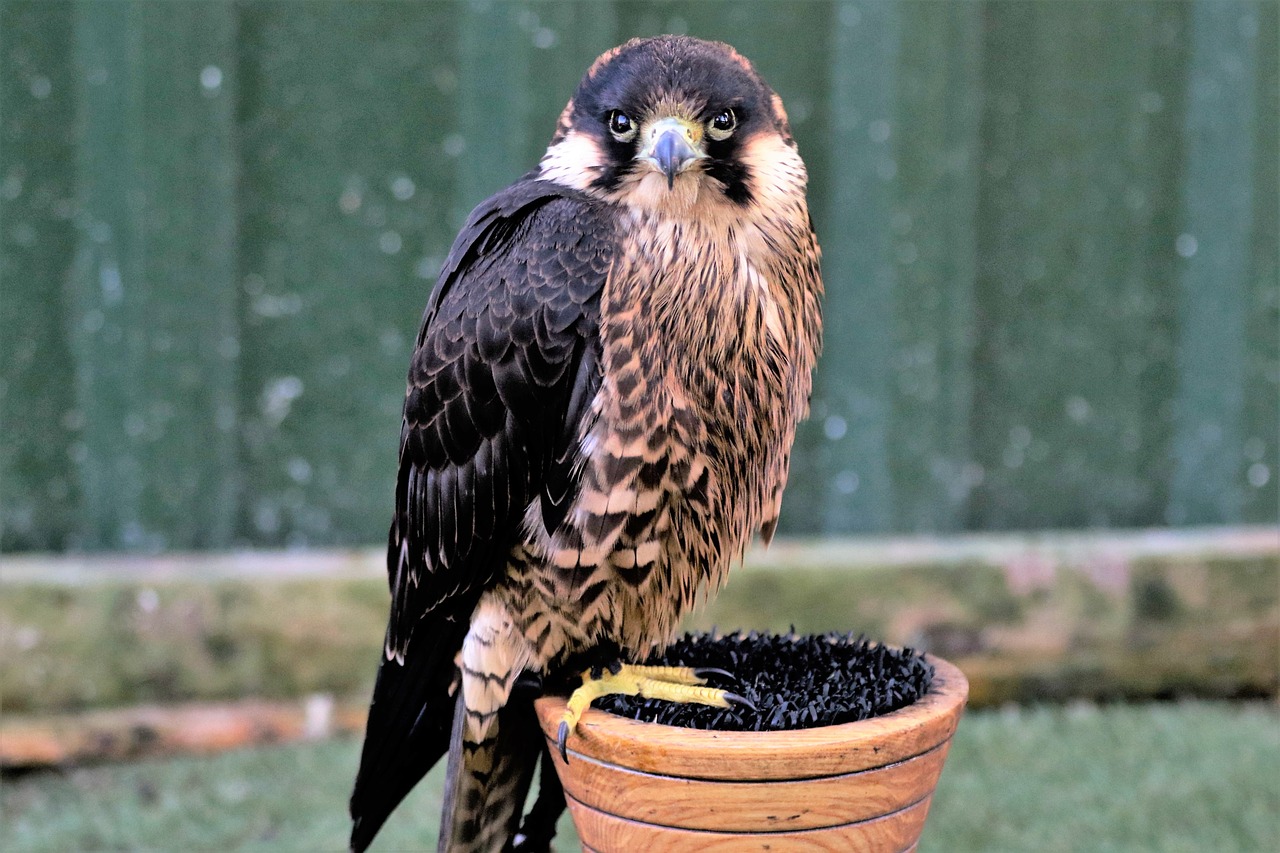
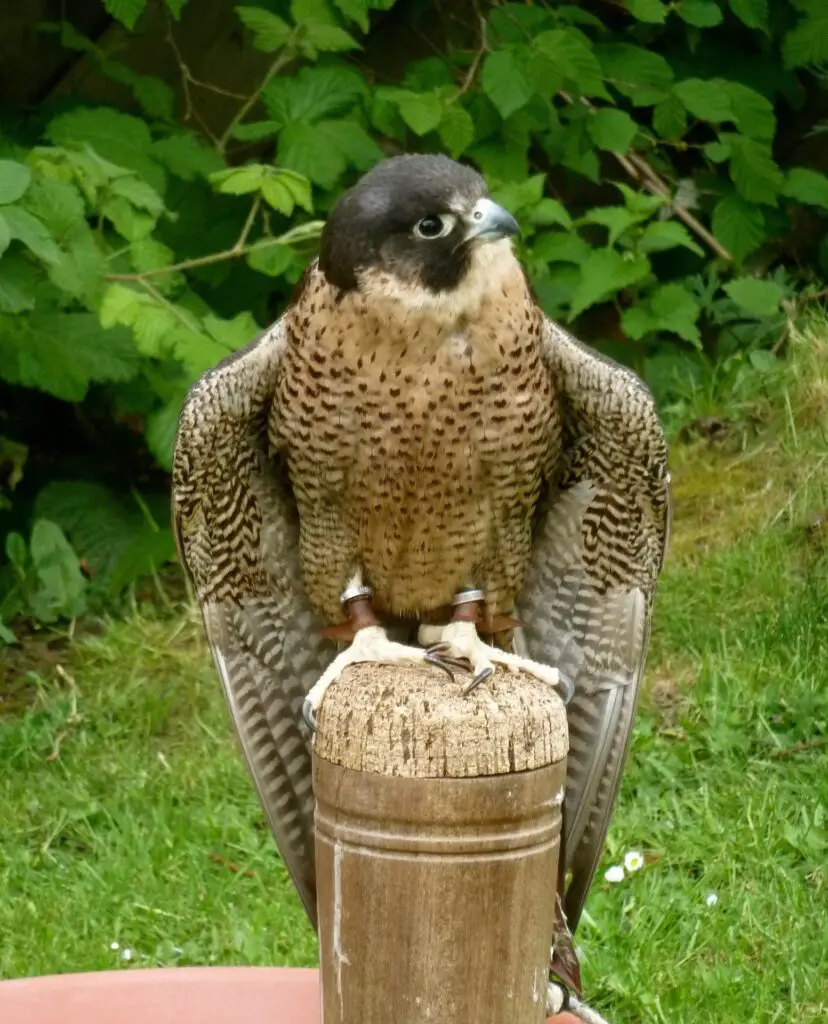
Peregrine falcons are well known for their incredible speed and agility, making them one of the most formidable predators in the world. These birds of prey are known for their distinctive black markings on their white faces, sharp talons, and hooked beaks. With a wingspan of around three to four feet, they’re built for speed, capable of reaching astonishing speeds of up to 240 miles per hour when diving to catch their prey.
Peregrine falcons have keen eyesight, allowing them to spot their prey from great heights. Their diet mainly consists of other birds, such as pigeons, ducks, and smaller songbirds. They’re adept hunters, using their speed and agility to outmaneuver their prey in flight. Peregrines are known for their stoop, a high-speed dive, as they close in on their target with precision.
In terms of behavior, these birds are solitary creatures, preferring to hunt and roost alone. They’re highly territorial and will fiercely defend their nesting sites. Peregrine falcons are also known for their intelligence and adaptability, traits that make them fascinating subjects for training and study.
Challenges in Training Peregrine Falcons
As with any animal, training a peregrine falcon comes with its own set of challenges. One of the main challenges is their natural instinct to hunt and fly away. Falcons are not domesticated animals, and they retain their wild instincts even when in captivity. This means that they can quickly become frightened or stressed, which can lead to unpredictable behavior.
One of the primary challenges in training these raptors is establishing Trust and forming a bond with the falcon, which is crucial for successful training outcomes. Below is a table outlining some of the main challenges faced when training peregrine falcons:
| Challenges in Training Peregrine Falcons | Description | Impact |
| Building Trust | Falcons are wary of humans and must learn to trust their handlers. | Trust is important for effective communication and cooperation during training sessions. |
| Managing Aggression | Peregrine falcons have strong predatory instincts that need to be controlled. | Aggression can hinder training progress and pose safety risks to handlers |
| Maintaining Focus | These birds are easily distracted by their surroundings. | Focus is necessary for learning and executing hunting techniques accurately. |
Effective Training Techniques
It is important to use positive reinforcement techniques to achieve good behavior in falcons during training sessions. Positive reinforcement involves rewarding the falcon immediately after displaying the desired behavior, such as returning to the falconer’s glove. This reinforcement strengthens the likelihood of the behavior being repeated in the future.
One effective technique that I use is clicker training, where a clicker sound is paired with a reward to mark the exact behavior the trainer wants to reinforce. This method helps the falcon associate the click with a reward, expediting the learning process. By breaking down complex behaviors into smaller steps and rewarding the falcon for each progression, the overall desired behavior can be achieved gradually.
Consistency is key in training falcons. Establishing a routine and consistently rewarding desired behaviors will help the falcon understand what’s expected of them. Training sessions should also be short and engaging to maintain the falcon’s focus and motivation.
Patience and Consistency
Maintaining patience and consistency throughout the training process is fundamental for achieving successful outcomes with peregrine falcons. Patience is crucial when working with these magnificent birds of prey. Peregrine falcons are wild creatures by nature, and training them requires time and understanding. It’s important to remember that each falcon is unique, with its own personality and learning pace. Rushing the training process can lead to setbacks and hinder progress.
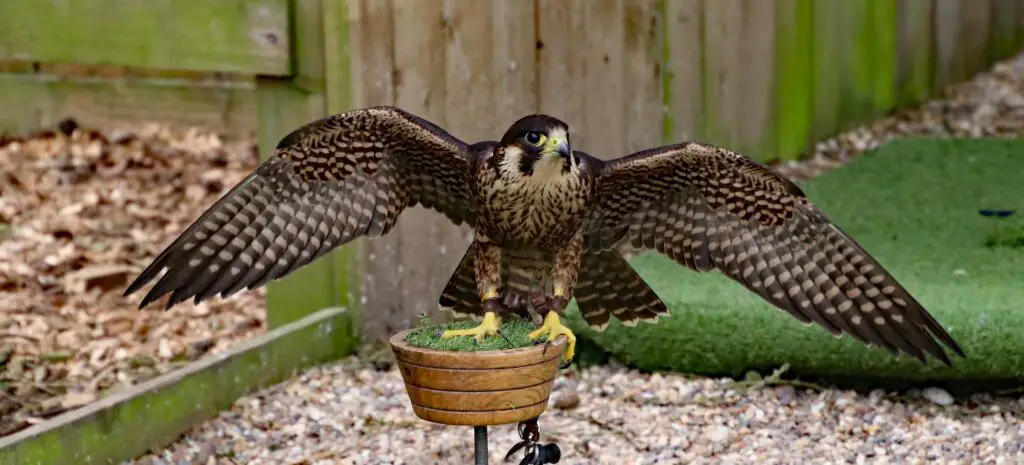
Consistency is equally vital. Falcons thrive on routine and predictability. By establishing a consistent training schedule and using the same cues and rewards each time, you help the falcon understand what’s expected of them. This predictability fosters a sense of security and Trust between the trainer and the falcon. Inconsistencies can confuse the bird and impede the learning process.
During training sessions, I find it helpful to remain calm and composed, even in the face of challenges. Falcons are highly perceptive animals and can pick up on their trainer’s emotions. By staying patient and composed, I provide a stable environment for the falcon to learn and grow. Additionally, I make sure to reinforce positive behaviors consistently to encourage the falcon’s progress. Patience coupled with consistency are the cornerstones of successful falcon training, paving the way for a strong bond and effective communication between the falcon and the trainer.
Building a Bond with Your Falcon
The bond between a falcon and its trainer is crucial for successful training outcomes. It requires time, patience, and understanding from the trainer to establish Trust and form a strong relationship with their bird. Below are some essential tips for building a bond with your peregrine falcon:
- Spend quality time together: Regularly spending time with your falcon outside of training sessions can help build a bond and Trust. This can include activities such as flying together or simply sitting with the bird.
- Understand their body language: Falcons communicate through body language, and it’s essential to understand their cues to better bond with them. Observe your falcon’s postures and behaviors to understand their mood and needs.
- Provide positive reinforcement: Rewarding your falcon with food and praise when they display the desired behaviors can strengthen your bond. This positive reinforcement also helps build Trust and cooperation during training sessions.
- Be consistent: As mentioned earlier, consistency is crucial in building a bond with your falcon. Providing a predictable and stable environment for your bird will foster Trust and understanding between you both.
By following these tips and consistently working on building a bond with your peregrine falcon, you can establish a strong and trusting partnership that will lead to successful training outcomes.
By understanding the unique challenges of training these birds of prey and using effective techniques, such as positive reinforcement and consistency, trainers can achieve successful outcomes. Patience is key in the training process, as well as a deep understanding of falcon behavior. With dedication and perseverance, peregrine falcons can be trained to perform amazing feats and form a strong partnership with their trainers.
Frequently Asked Questions
How Long Does It Typically Take to Train a Peregrine Falcon for Falconry Purposes?
- Training a peregrine falcon for falconry typically takes several weeks to months, depending on the bird’s age and temperament.
Do Peregrine Falcons Require a Certain Amount of Socialization With Humans in Order to Be Trained Effectively?
- Socialization with humans is essential for effective training of peregrine falcons. Building Trust and a positive relationship helps teach behaviors and reduce stress during training sessions.
Are There Any Legal Restrictions or Regulations That Need to Be Followed When Training a Peregrine Falcon?
- As with any type of falconry, it’s essential to follow local laws and regulations regarding training and ownership of peregrine falcons. It’s important to obtain the necessary permits and licenses before beginning the training process.