
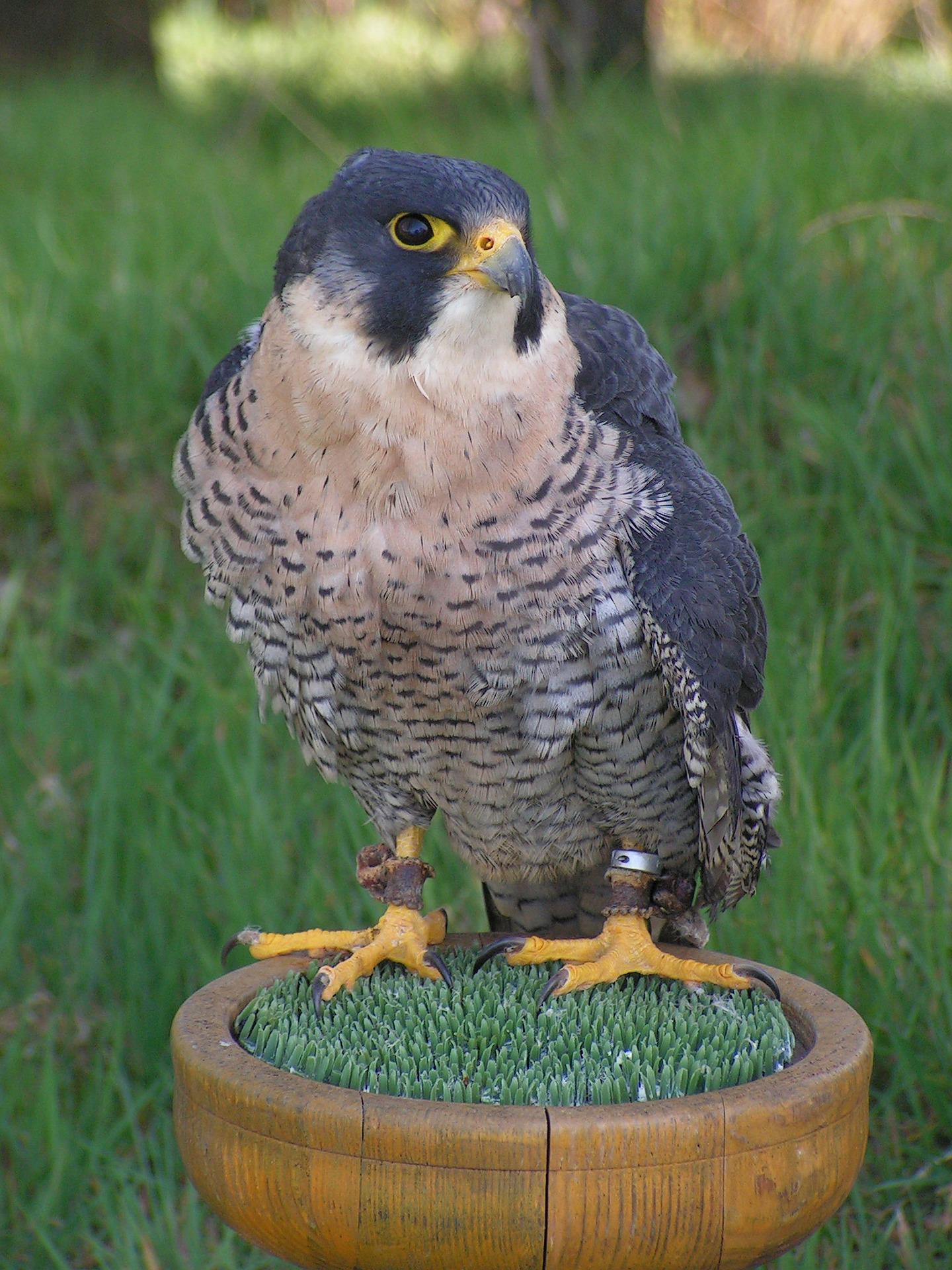
I’ve spent many years of my life working with peregrine falcons, and during that time, I’ve encountered many common diseases that affect captive birds. As a falconer, it’s important to understand these illnesses and how to prevent them to keep our falcons happy and healthy. So, I’ve gathered some of the most common diseases that can affect captive peregrine falcons and how falconers prevent them to help you keep your bird healthy.
Avian Influenza
I’ve seen various cases of Avian Influenza in captive Peregrine Falcons over the years. Peregrine falcons are susceptible to both low- and high-pathogenicity strains of the virus, which is a type of influenza virus that can cause severe respiratory illness in birds. This disease is highly contagious and can spread quickly among captive birds, so it’s important for falconers to take preventive measures to protect their falcons.

One way to prevent Avian Influenza is to practice good hygiene and sanitation in the falconry facility. This includes regularly cleaning and disinfecting equipment and keeping living spaces clean and free of waste. It’s also important to isolate sick birds from the rest to prevent the disease from spreading further.
There is also the option to vaccinate your birds against Avian Influenza. This can be done at an avian vet with a single injection, which provides protection for up to one year.
Prevention Tips for Avian Influenza
One way to prevent Avian Influenza is to practice good hygiene and sanitation in the falconry facility. This includes regularly cleaning and disinfecting equipment and keeping living spaces clean and free of waste. It’s also important to isolate sick birds from the rest to prevent the disease from spreading further.
There is also the option to vaccinate your birds against Avian Influenza. This can be done at an avian vet with a single injection, which provides protection for up to one year.
Aspergillosis
Aspergillosis is a type of illness caused by a fungus called Aspergillus. This fungus can be found in the environment, especially in places where there’s dampness or decaying organic matter, like old hay or bird droppings. The fungus usually enters their bodies when they breathe in spores from the air or when they eat contaminated food.
If your peregrine falcon gets aspergillosis, it can show symptoms like difficulty breathing, weakness, loss of appetite, and sometimes even bleeding from the nostrils. They might also have a change in their droppings, like diarrhea or unusual color. If a falcon shows signs of aspergillosis, it needs to be taken to a veterinarian who specializes in treating birds as soon as possible, as the illness can be serious if left untreated.
Prevention Tips for Aspergillosis
To prevent this fungal infection, it’s essential to keep the falconry equipment clean and dry, as dampness promotes mold growth. Regularly inspect and clean the mews, perches, and equipment to reduce the risk of Aspergillus spores contaminating the falcon’s environment.
Your new/aviary will need good ventilation to prevent moisture build-up, as moisture can create a favorable environment for mold. Provide a balanced diet rich in essential nutrients to boost the falcon’s immune system and help it resist fungal infections.
Bumblefoot
Bumblefoot is a condition that affects birds, including captive peregrine falcons used for falconry. It happens when bacteria get into a bird’s feet, causing swelling, redness, and sometimes sores or ulcers on the bottom of their feet.
Peregrine falcons can get bumblefoot if they spend a lot of time standing on hard or rough surfaces, like perches that aren’t padded or cleaned well. The bacteria that cause bumblefoot can enter through small cuts or scrapes on their feet.
When a peregrine falcon has bumblefoot, you might notice that it does not put weight on one of its feet or seems to be in pain when it walks. Its feet might look swollen, red, or have sores on the bottom.
It’s important for falconers to keep an eye on their birds’ feet and provide soft, clean perches to prevent bumblefoot. If a peregrine falcon does get bumblefoot, they need treatment from a vet to help them heal and prevent further complications.
Prevention Tips for Bumblefoot
To prevent Bumblefoot in captive peregrine falcons, you need to pay close attention to perches, and substrate quality is essential. Bumblefoot, a common condition in raptors, can be avoided by providing smooth, clean perches to prevent abrasions on the feet.
I recommend using materials like sandpaper or textured surfaces to help naturally wear down the keratin overgrowth on the bird’s feet. Additionally, regularly inspecting perches for any signs of wear and tear is important in catching potential issues early on.
Ensuring that the substrate in the falcon’s enclosure is clean, dry, and free of any sharp objects will also help prevent Bumblefoot. By maintaining a hygienic environment and carefully selecting appropriate perches, falconers can reduce the risk of Bumblefoot in their birds.
Trichomoniasis
Trichomoniasis is a parasitic infection that affects the upper digestive tract of birds, including peregrine falcons. It’s caused by the protozoan parasite Trichomonas gallinae and can be transmitted through contaminated food and water sources. Infected falcons can experience symptoms like difficulty swallowing, regurgitation, weight loss, and lethargy. If left untreated, this infection can be fatal for peregrine falcons.
Prevention Tips for Trichomoniasis
To prevent Trichomoniasis in peregrine falcons, it’s important to maintain a clean and hygienic environment. This includes regularly cleaning and disinfecting perches, food and water bowls, and any other equipment that the falcons come into contact with. Providing fresh, clean water and a well-balanced diet can also help boost their immune system and make them less susceptible to infections.
It’s also important to monitor any potential sources of contamination, such as wild birds or contaminated prey, and take precautions to prevent cross-contamination. If you suspect that your falcon may have Trichomoniasis, it’s crucial to seek veterinary care immediately to prevent the spread of the infection to other birds.
West Nile Virus
West Nile Virus is a viral infection that can affect various species of birds, including peregrine falcons. It’s primarily transmitted through mosquito bites and can cause symptoms like weakness, paralysis, and even death in infected birds.
Peregrine falcons are at risk for West Nile Virus because they spend a lot of time outside and may come into contact with mosquitos. To prevent this infection, it’s essential to control mosquito populations in the falconry area by removing standing water and using mosquito-repellent products.
Prevention Tips for West Nile Virus
To protect peregrine falcons from West Nile Virus, it’s crucial to reduce their exposure to mosquitoes. This can be done by eliminating standing water where mosquitos can breed, using mosquito-repellent products, and keeping the falconry area clean and free of debris that may collect water. It’s also important to vaccinate your falcon against West Nile Virus, as there is a vaccine available for birds. Consult with a veterinarian to determine the best vaccination schedule for your falcon.
Lead Poisoning
Lead poisoning is a common and dangerous condition that can affect birds, it occurs when birds ingest or inhale lead particles, which can be found in various sources like fishing weights, ammunition, and paint.
Peregrine falcons may come into contact with lead while hunting or scavenging for food. Lead poisoning can cause severe neurological and digestive issues and can be fatal if left untreated.
Prevention Tips for Lead Poisoning
To prevent lead poisoning in peregrine falcons, it’s crucial to eliminate potential sources of lead in their environment. This includes using non-toxic alternatives to fishing weights and ammunition and regularly checking the falconry area for any potential sources of lead contamination.
As falconers, it’s our responsibility to provide the best care and protection for our birds. By being aware of common health issues like bumblefoot, trichomoniasis, West Nile Virus, and lead poisoning, we can take preventative measures to keep our peregrine falcons healthy and thriving. Regular veterinary check-ups and maintaining a clean and hygienic environment are also essential in ensuring the well-being of our feathered companions. Let’s continue to educate ourselves and others on the proper care and prevention of common health issues in peregrine falcons.