
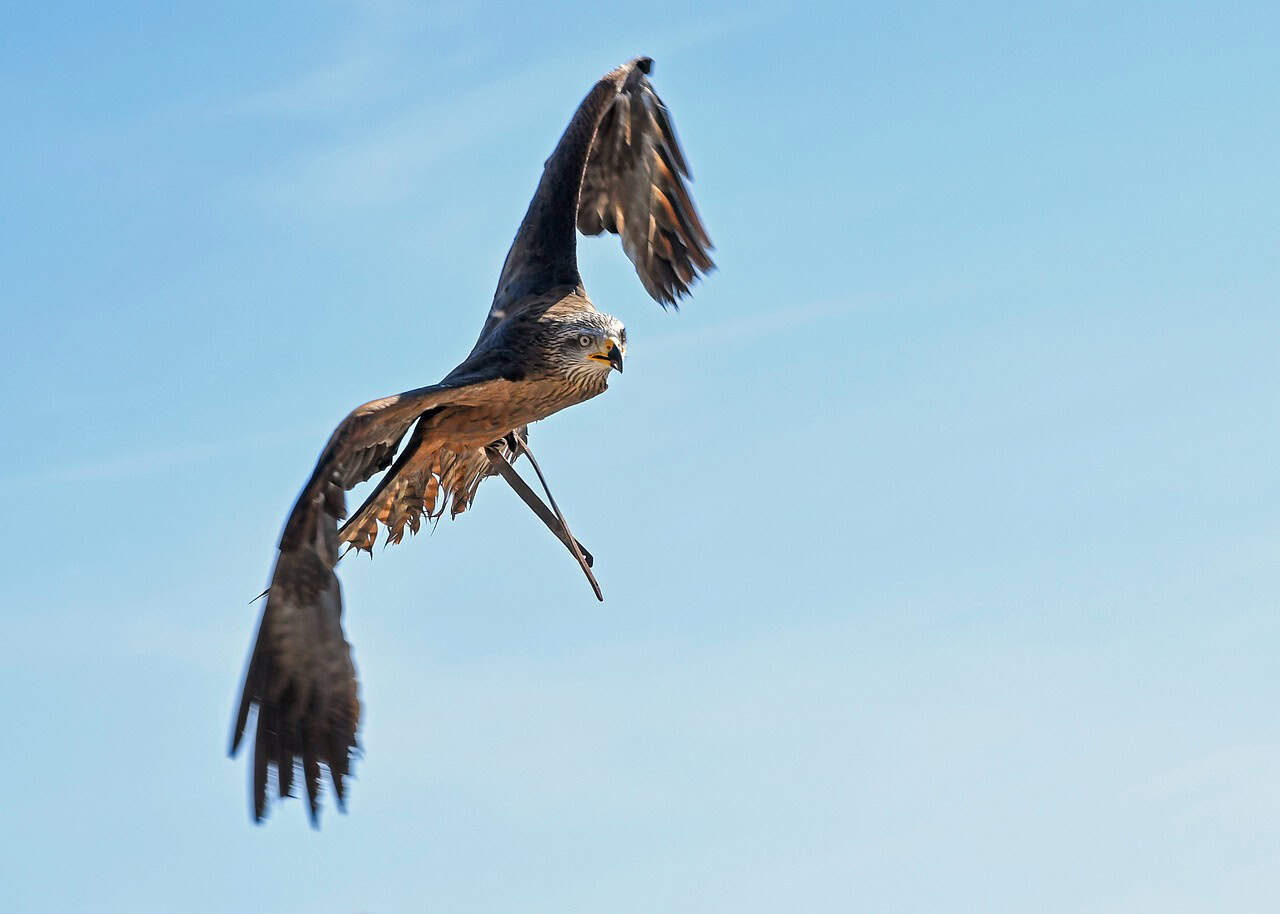
Creance training is essential for peregrine falcons to enhance their flight skills, muscle strength, and hunting abilities. Attaching a creance allows controlled flight exercises to build endurance and accuracy in hunting. The right equipment, like a sturdy glove and telemetry system, ensures safety and focus. Understanding the significance of creance training is necessary for maximizing a falcon’s potential. Additional insights await those exploring this fascinating training method.
Importance of Creance Training
This training method involves attaching a long line or creance to the falcon’s jesses, allowing it to fly freely while remaining tethered to the falconer. Through creance training, falcons can develop their flight muscles, endurance, and hunting techniques in a controlled environment.
During creance training, falcons learn to navigate different flight patterns, adjust their speed, and improve their accuracy in pursuing prey. This method not only helps them physically but also sharpens their hunting instincts.
Furthermore, creance training allows falconers to observe and assess the falcon’s behavior, agility, and response to various stimuli. This insight is essential for tailoring the training program to the individual falcon’s needs, ensuring excellent development and success in hunting. By training regularly, falcons can learn from simple flying tasks to more complex hunting activities.
Equipment Needed for Training
The equipment used for creance training should be of high quality and suitable for both the falcon and the falconer. Here’s a list of equipment I gathered before performing creance training.
- Creance Line: A strong, lightweight, and non-slippery line is ideal for creance training. It should be long enough to allow ample flying space but short enough to remain manageable.
- Glove: A sturdy glove protects the falconer’s hand from the falcon’s sharp talons while providing a secure surface for the bird to land on during training.
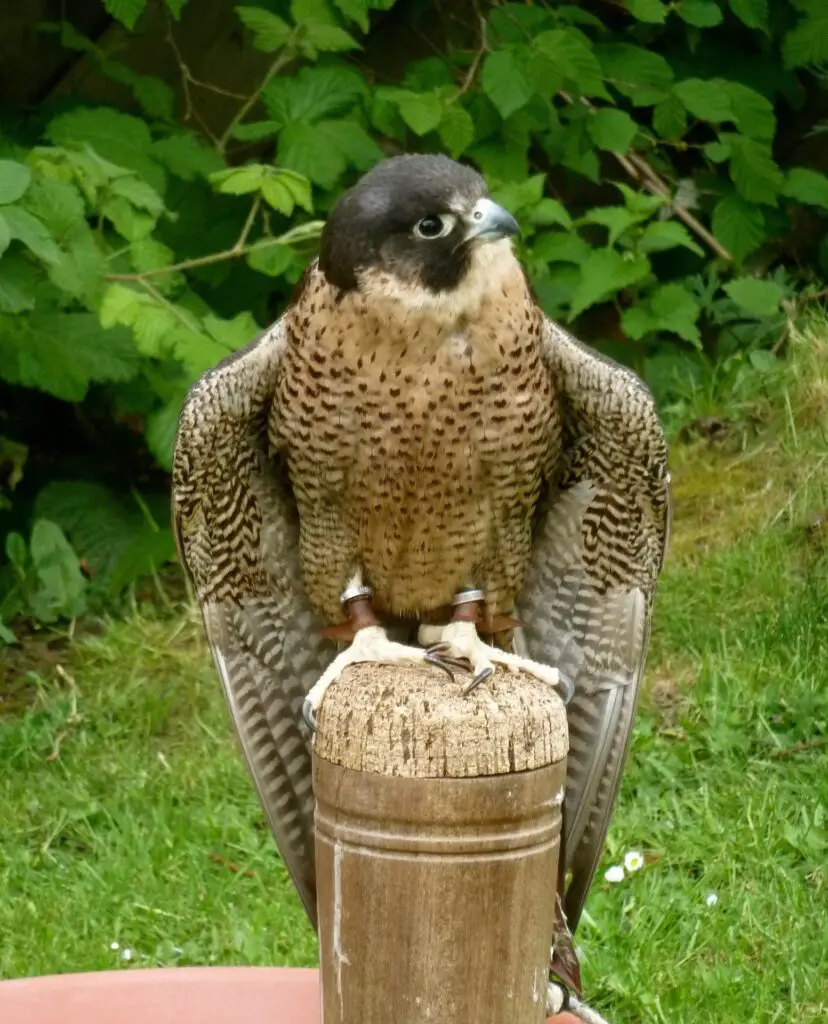
- Jesses: These are short straps attached to the falcon’s legs, allowing easy attachment and removal of the creance line.
- Telemetry System: A telemetry system helps track and locate the falcon in case it becomes lost during training. It provides peace of mind for the falconer and ensures safety for the bird.
Steps for Starting Creance Training
First and foremost, I always like to have a secure training area that allows for ample space for the bird to exercise its flight capabilities. The first step involves selecting a location that’s open and free from obstacles that could disrupt the falcon’s flight path. This area should be spacious enough to accommodate the falcon’s wingspan and provide sufficient room for it to gain altitude and practice flying techniques. Additionally, making sure that the training area is quiet and free from distractions will help the falcon focus on the training exercises.
Next, it’s important to properly fit the creance equipment on the bird. The creance is a long line or cord attached to the falcon’s jesses, allowing the trainer to control the bird’s flight while still giving it the sensation of freedom. Care must be taken to ensure that the creance is securely attached to the jesses without causing discomfort or restricting the falcon’s movement.
Before beginning the training session, it’s essential to conduct a thorough check of all equipment to check its functionality and safety. Inspecting the creance, jesses, and gloves for any signs of wear or damage is critical to prevent accidents during the training process.
Monitoring Progress and Adjustments
Consistently evaluating the falcon’s flight performance and making necessary adjustments are vital components of monitoring progress during creance training for Peregrine falcons. This phase is essential for guaranteeing the falcon is progressing in its training effectively. Here are three important things to think about when checking progress and making changes:
- Flight Performance Assessment: I often observe the bird’s flight, examining its speed, agility, and ability to follow commands and track its flight patterns to see if there’s any progress or issues that need work. Thereafter, I can tweak our training methods to fix any problems and improve the falcon’s skills.
- Physical Condition Monitoring: Monitor the falcon’s physical condition throughout the training process. Look for any signs of fatigue, injuries, or stress that may impact its performance. Adjust the training schedule or intensity as needed to prevent overexertion and safeguard the falcon’s well-being.
- Behavioral Evaluation: Keep a close eye on the falcon’s behavior during training. Note any changes in its response to commands, enthusiasm, or frustration. This information can help identify areas of improvement and tailor the training program accordingly.

Safety Measures During Training
Firstly, I always conduct a thorough pre-training assessment of the falcon’s health. This includes checking for any signs of illness, injuries, or abnormal behavior. By being vigilant in this initial step, I can prevent any potential risks that may arise during training sessions.
During the actual training sessions, it’s important to make sure to use appropriate equipment, such as well-fitted jesses and gloves, to protect both the falcon and myself. These tools not only aid in handling the falcon safely but also prevent any accidental injuries that could occur during training exercises.
Additionally, I maintain a safe training environment free from any potential hazards that could startle or harm the falcon. This includes choosing a spacious and open area for training, away from busy roads, power lines, or other distractions that could endanger the bird’s safety.
Creance training is a crucial part of preparing a Peregrine falcon for hunting and flying free. With the proper equipment, thorough preparation, and continuous monitoring, this training method can achieved without any hassles. Remember to always prioritize safety during the training process and make adjustments as needed to ensure a successful outcome.
Frequently Asked Questions
How Long Does It Typically Take to Complete Creance Training for a Peregrine Falcon?
- The duration of creance training can vary depending on the individual falcon’s progress and response to training. On average, it takes around two to three months for a Peregrine falcon to complete basic creance training.
Can Creance Training Be Done Indoors, or Is It Best to Do It Outdoors?
- Creance training is best done outdoors in a large open space that allows for the bird to freely exercise its flight capabilities.
Are There Any Specific Weather Conditions That Are Best for Creance Training Sessions?
- Ideally, creance training should be done in mild and calm weather conditions. Avoid training during strong winds, heavy rain, or snow, as they can adversely affect the falcon’s flight performance and pose safety risks.