
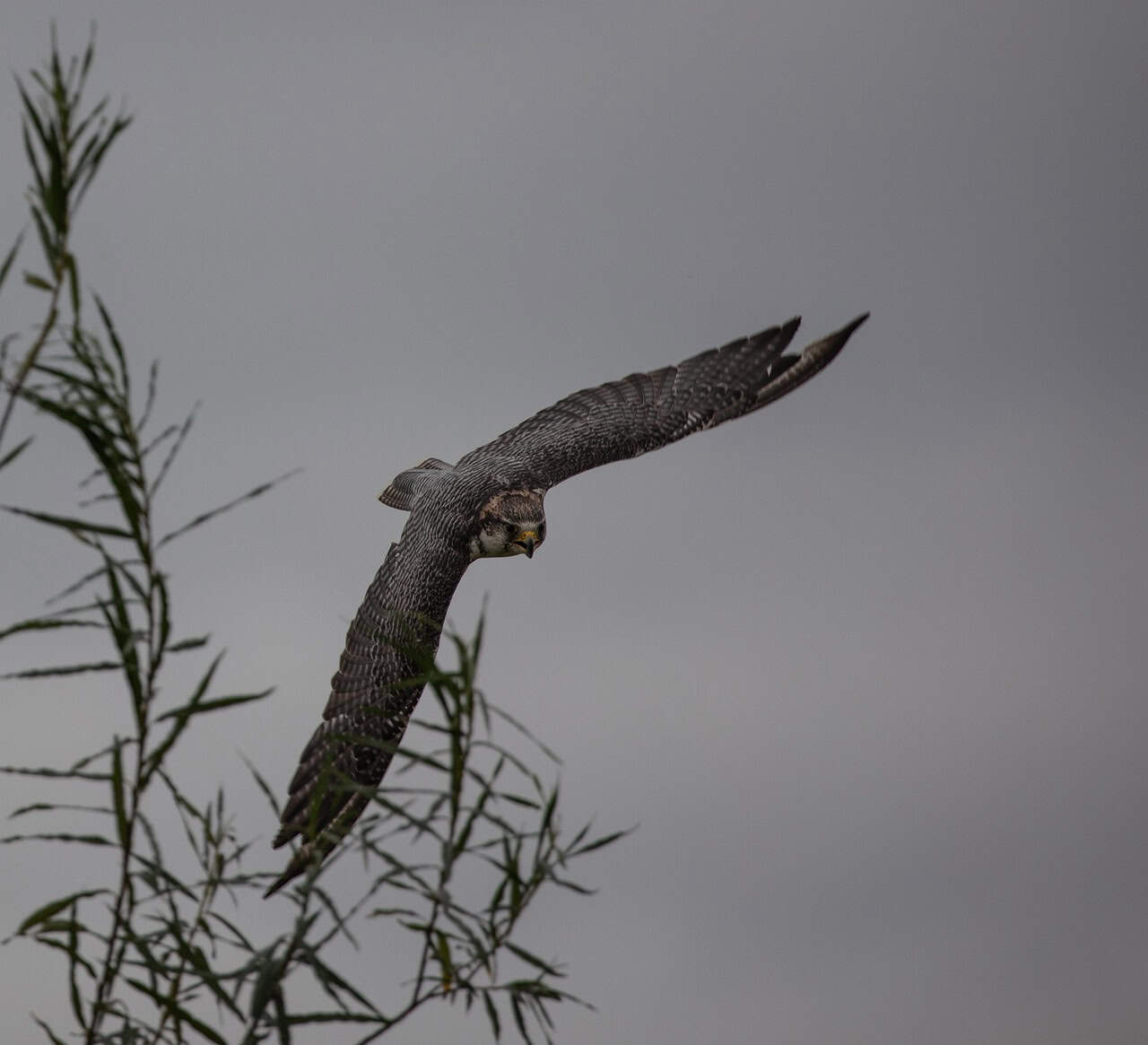
In falconry and wildlife conservation, peregrine falcons have been widely acclaimed for their speed, agility, and hunting abilities. However, many people wonder if these impressive birds of prey pose a threat to humans. The short answer is no – peregrine falcons do not usually attack or harm humans unless they feel threatened.
Are Peregrine Falcons Dangerous to Humans?
Peregrine falcons, whether wild or trained for falconry, typically do not pose a threat to humans. They are not known to attack humans unprovoked, as they primarily hunt other birds as prey. However, there have been extremely rare instances where a peregrine falcon may exhibit defensive behavior if it feels threatened or if it perceives a person as a potential threat to its nest or territory.
In the context of falconry, where peregrine falcons are trained and handled by experienced falconers, the risk of an attack on humans is exceedingly low. Falconry birds are extensively trained and closely supervised, and their behavior is well understood by their handlers. Falconers work to build a strong bond of trust and respect with their birds, which helps minimize any potential for aggression toward humans.
That said, any wild animal, including a trained falconry bird, has the potential to react defensively if it feels threatened or stressed. Proper handling, training, and respect for the bird’s natural instincts are essential in minimizing any risk of aggression or harm to humans.
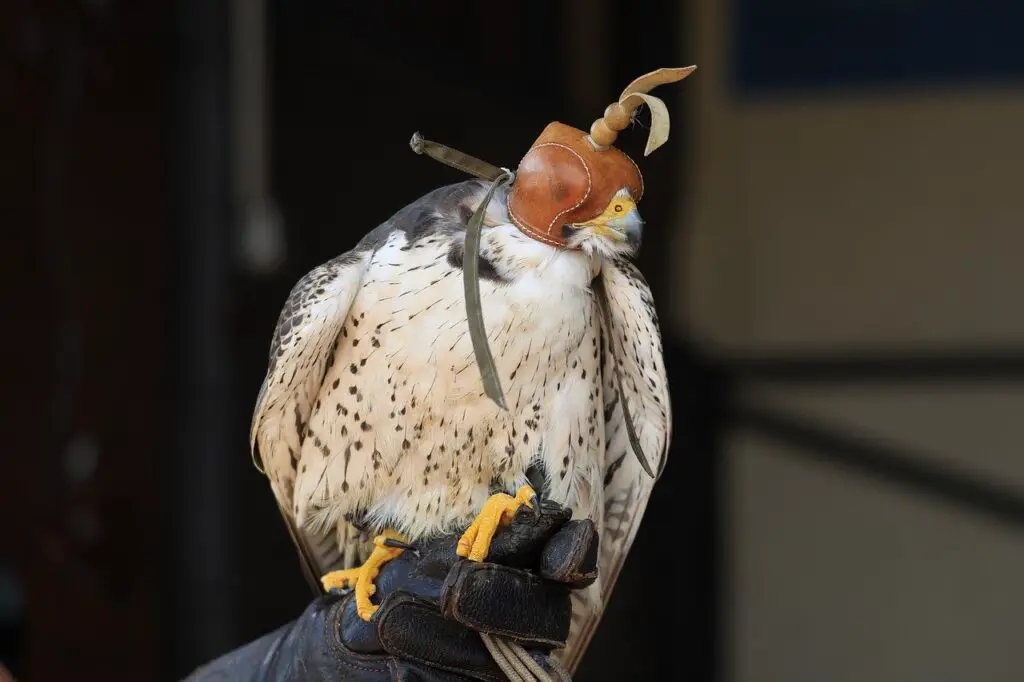
While peregrine falcons are powerful predators, they are not typically aggressive toward humans and are unlikely to attack unless provoked or threatened in some way. With proper training and handling, the risk of any negative interactions between falconry peregrines and humans is greatly minimized.
Instances of Peregrine Falcons Interactions with Humans
In some rare cases, falcons have been known to exhibit curious behavior towards humans, often out of sheer curiosity or territorial instinct. These interactions can vary from harmless curiosity to more assertive behavior, depending on the situation and the individual falcon. Here are some instances showcasing the different ways Peregrine Falcons have interacted with humans:
| Interaction Type | Description | Location |
| Curiosity | Falcons observing humans from a distance | Urban areas |
| Territorial Defense | Falcons swooping down near their nest | Cliffs and tall buildings |
| Hunting Assistance | Falcons targeting prey near human activity | Coastal regions |
| Communication | Falcons vocalizing around human presence | Parks and open spaces |
These interactions offer insights into the diverse behaviors exhibited by Peregrine Falcons when encountering humans.
Reasons Peregrine Falcons Might Attack
One common reason why peregrine falcons might attack is to defend their territory from perceived threats. These birds are fiercely protective of their nesting sites and hunting grounds, and any perceived intrusion could trigger a defensive response. Additionally, during the breeding season, peregrine falcons become even more territorial as they work diligently to guarantee the safety of their offspring.
- Territorial Defense: Falcons attack to protect their nesting sites and territories.
- Perceived Threats: Any activity or presence that’s seen as a threat can lead to defensive attacks.
- Protecting Offspring: During the breeding season, falcons aggressively defend their young from potential harm.
Understanding these reasons can help us avoid situations that may provoke a peregrine falcon to attack.
How to prevent being attacked by a peregrine
To prevent being attacked by a peregrine falcon, it’s essential to be aware of your surroundings and avoid approaching their nesting sites or territories. Peregrine falcons are protective of their nests and may view humans as potential threats, especially during the breeding season. When in areas where peregrine falcons reside, such as cliffs, tall buildings, or bridges, it’s vital to respect their space and keep a safe distance.
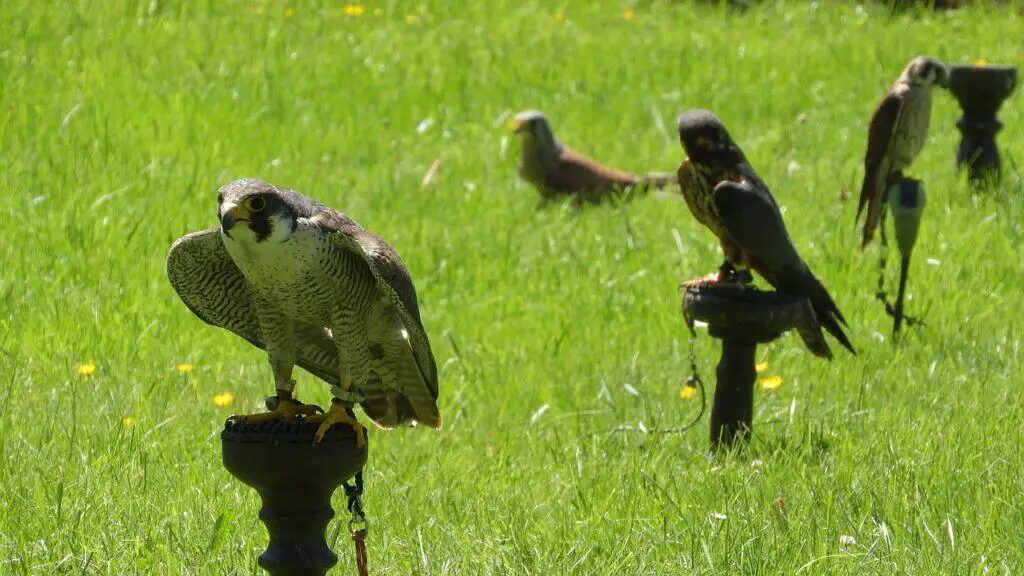
Additionally, wearing a hat or using an umbrella can provide some protection if a peregrine falcon perceives you as a threat and swoops down. Being mindful of sudden movements or loud noises that may startle the falcon is also important in preventing potential attacks. It’s advisable to walk calmly and steadily through areas where peregrine falcons are known to inhabit to avoid triggering their defensive instincts.
Overall, peregrine falcons are not considered dangerous to humans. They are incredible birds of prey that play a vital role in the ecosystem and have a long history of coexisting with humans through falconry. With proper understanding, respect, and caution, any potential risks or negative interactions between humans and peregrine falcons can be minimized.