
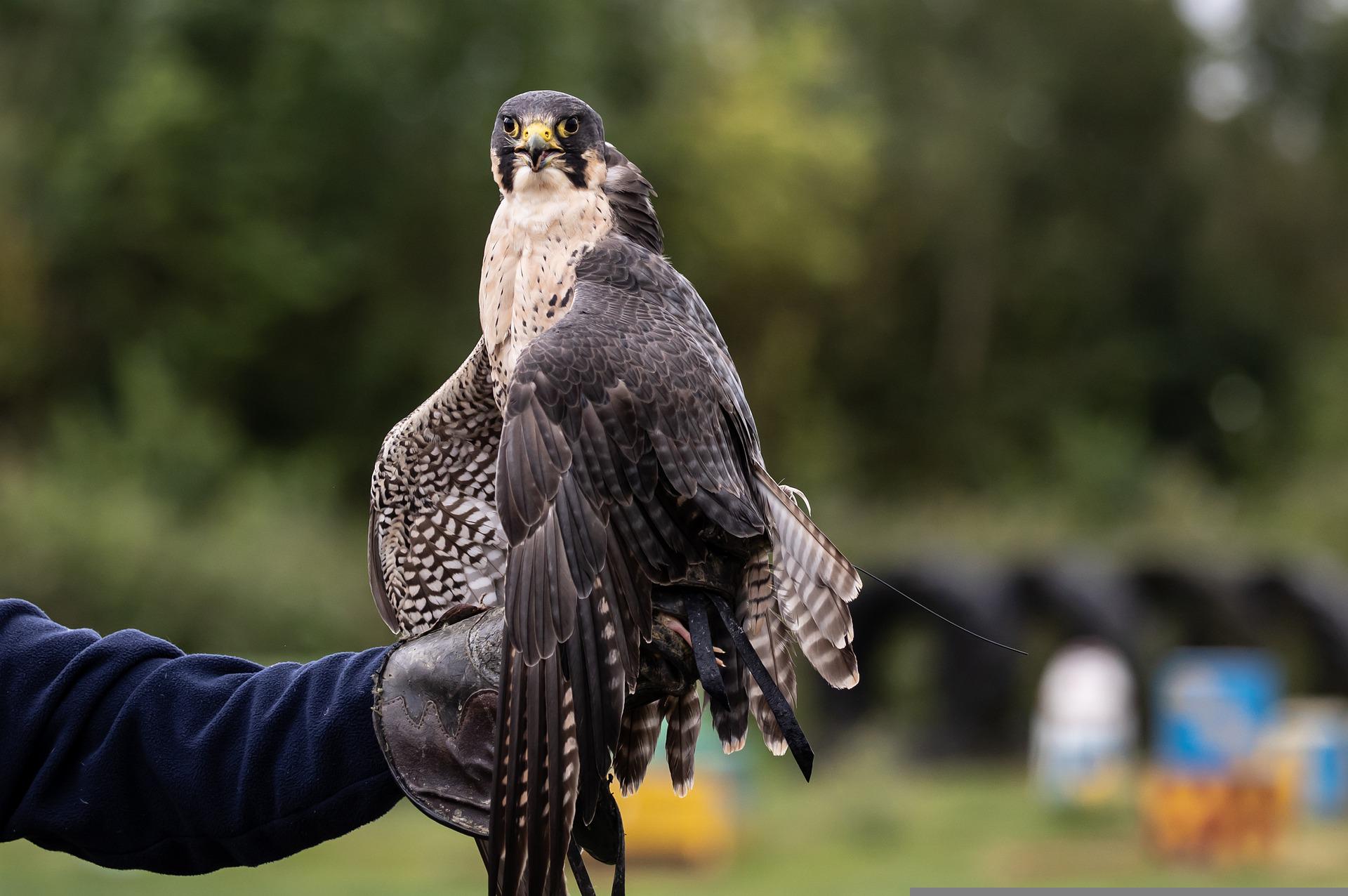
Selecting a Peregrine falcon for falconry involves a lot of consideration to see if you have them. When choosing my Peregrine Falcon for falconry, I focused on its temperament, behavior, age, health, and physical characteristics. These factors play an important role in the success of falconry. Below is a list of factors for you to consider before getting a Peregrine falcon:
Temperament and Behavior
When selecting your peregrine falcon for falconry, considering their temperament and behavior is essential for a successful partnership. The temperament of a falcon can greatly impact its training and overall suitability for falconry. Falcons can vary in temperament, with some individuals being more aggressive or easily stressed than others. Choosing a falcon with a temperament that aligns with your own handling style and experience level is important. Additionally, observing the behavior of a falcon can provide valuable insights into its hunting potential and adaptability to training.
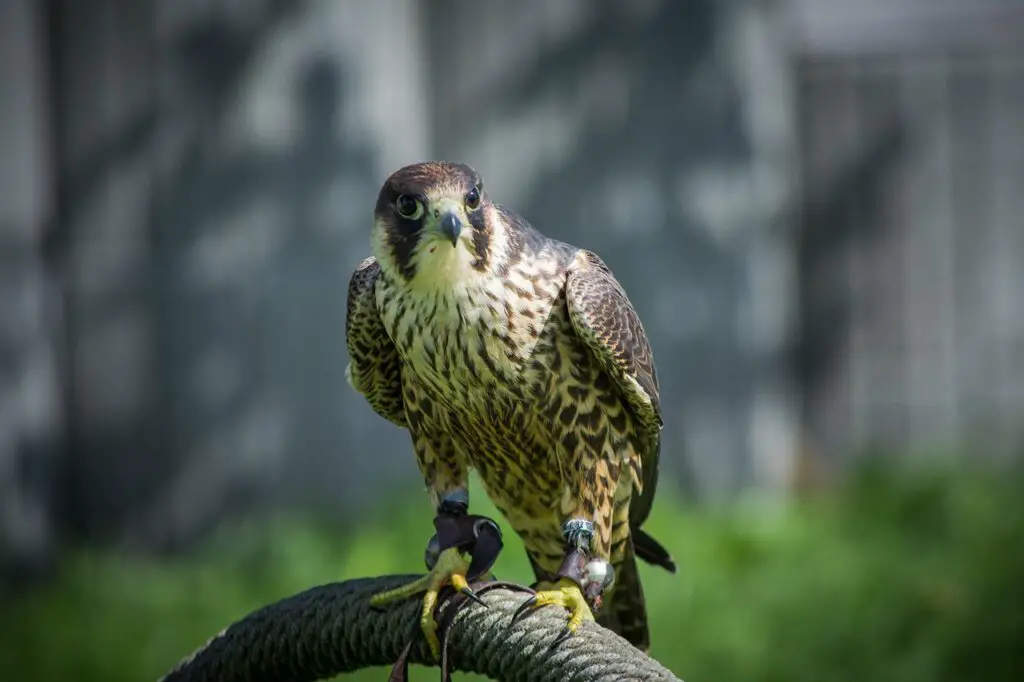
Understanding the behavior patterns of a peregrine falcon is vital in forming a strong bond and effective communication during falconry activities. Falcons exhibit specific behaviors such as hunting techniques, response to stimuli, and social interactions. By closely observing these behaviors, falconers can anticipate their falcon’s actions and needs, leading to a more successful hunting experience. Training and working with a falcon that displays desirable behavior traits can enhance the falconry experience for both the falconer and the bird.
Hunting Skills and Abilities
The main purpose of falconry is to hunt with a trained bird of prey. Therefore, considering a Peregrine falcon’s hunting skills and abilities is crucial when selecting one for falconry. Peregrine Falcons are known for their incredible speed and agility, making them highly efficient hunters. However, individual birds may have different skill levels and experience in hunting techniques. When checking how good a peregrine falcon is at hunting, think about these points:
- Flying Speed: A peregrine falcon is known for its remarkable speed, reaching up to 240 miles per hour when diving to catch prey. This speed is vital for successful hunts.
- Hunting Technique: Peregrine falcons are adept at hunting birds in mid-flight. Their stoop, a high-speed dive, allows them to strike with precision, making them efficient hunters.
- Agility: A falcon’s agility in the air is essential for maneuvering swiftly during a hunt. Their ability to change direction rapidly and adjust their flight path aids in capturing prey.
- Hunting Instinct: The instinct plays a significant role in a falcon’s hunting success. A peregrine falcon with a strong hunting instinct will show persistence, focus, and determination when pursuing prey.
Size and Physical Characteristics
A peregrine falcon’s size and physical characteristics are also crucial factors to consider when selecting one for falconry. Falcons come in varying sizes, with female peregrines being larger than males on average. A larger bird may be more intimidating and challenging to handle but can also be advantageous when hunting larger prey.
The size of a peregrine falcon plays an important role in its hunting ability. Larger falcons, like females, have more power and can take down larger prey, while smaller falcons, like males, are swifter and more agile, making them better suited for hunting smaller, faster birds.
Physical characteristics such as feather coloration, eye color, and beak shape can also impact a falcon’s effectiveness in hunting. Darker feathers provide better camouflage in certain environments, while lighter feathers help blend in elsewhere. Falcons with dark eyes tend to have better vision in low-light conditions, enhancing their hunting prowess. Additionally, a sharp, well-shaped beak is essential for efficiently dispatching prey.
Training and Exercise Requirements
Training a falcon is a time-consuming and challenging process that requires dedication, patience, and experience. This requirement is based on you and not the bird. It’s essential to select a bird that responds well to training and has the potential to become an effective hunting partner.
Here are some basic requirements for training and exercising your bird for falconry:
- Regular Flying Exercises: Provide ample opportunities for your peregrine falcon to fly freely in a safe environment to build up its strength, endurance, and hunting abilities.
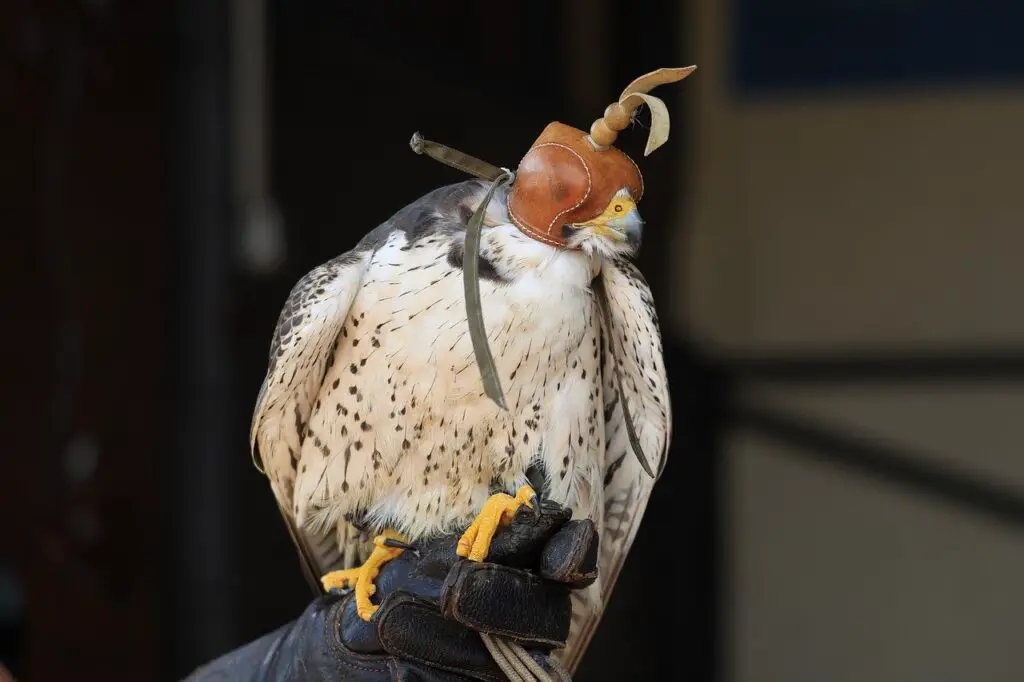
- Hood Training: Familiarize your falcon with the hood to keep it calm during transportation and avoid hunting distractions.
- Lure Training: Train your peregrine falcon to follow a lure to enhance its hunting skills and reinforce obedience.
- Fitness Regimen: Implement a balanced diet and exercise routine to ensure your falcon remains in top physical condition for successful hunting expeditions.
You must fulfill these basic requirements regularly to succeed with your bird.
Legal Considerations and Regulations
Understanding the legal framework and regulations surrounding falconry is essential for aspiring falconers to navigate the complexities of owning and training a peregrine falcon. In the United States, falconry is regulated by state and federal laws, requiring falconers to obtain permits, follow specific training guidelines, and adhere to strict reporting requirements. Researching and understanding these regulations before acquiring a Peregrine falcon is important to guarantee compliance with ethical falconry practices. Additionally, certain species of falcons, including the peregrine falcon, are protected under the Migratory Bird Treaty Act, making it illegal to trap, possess, or hunt them without the proper permits.
Furthermore, understanding the legal considerations extends to the welfare of the bird. Falconers must provide proper housing, nutrition, and veterinary care for their peregrine falcon by animal welfare laws. Failure to meet these standards could result in legal consequences and the revocation of falconry permits. Thus, aspiring falconers must prioritize both the legal requirements and the well-being of their birds to engage responsibly in the ancient art of falconry.
In conclusion, numerous factors come into play when selecting a Peregrine falcon for falconry. It’s crucial to thoroughly research and understand these factors before ensuring a successful and fulfilling partnership with your bird of prey. By carefully considering the temperament, behavior, hunting skills, size, physical characteristics, and age and health of a peregrine falcon, you can make an informed choice that will benefit both you and your bird in the long run.
Frequently Asked Questions
How Do I Know if a Peregrine Falcon Is Right for Me?
- To decide if a peregrine falcon suits you, consider your falconry experience, preferred prey, and the commitment needed. It’s important to have experience with birds of prey before training and handling a peregrine falcon.
What Should I Look for in a Peregrine Falcon’s Hunting Abilities?
- When choosing a Peregrine Falcon for falconry, focus on their hunting abilities. Look for speed, agility, and accuracy in flight. A falcon with precise hunting skills can be a valuable asset in the field.
How Much Time and Effort Is Needed to Train a Peregrine Falcon?
- Training a peregrine falcon demands dedication, patience, and consistency. It requires daily practice in falconry techniques, conditioning, and bonding. Understanding the bird’s behavior and adapting training methods is key. Training times vary but typically span several months.