
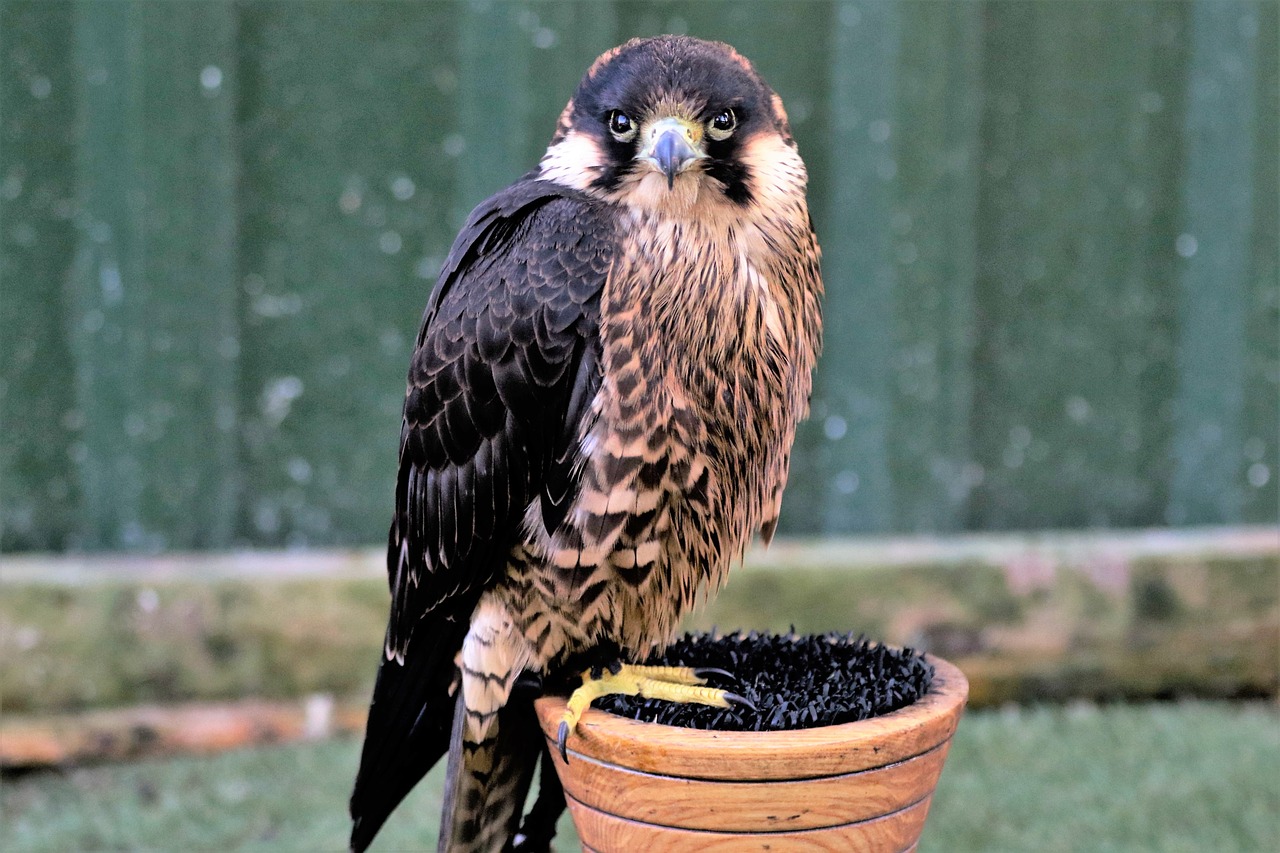
Caring for a peregrine falcon is an important responsibility that requires knowledge, patience, and dedication. These birds of prey are highly intelligent and require specialized care to thrive in captivity. Understanding their natural behaviors, dietary needs, and housing requirements is important to ensure their health and well-being. Having owned and cared for numerous peregrine falcons, I have compiled this guide to share my knowledge and experience with you.
Understanding the Basics
Before bringing a peregrine falcon into your care, it is important to understand the basics of their natural behaviors and needs. Peregrines are migratory birds that can be found in many parts of the world, including North America, Europe, and Asia. They are known for their incredible speed during hunting to catch their prey. In captivity, they require ample space to fly and hunt, as well as enrichment activities to keep them mentally stimulated.
Ensuring your Bird is Well Fed and Nourished
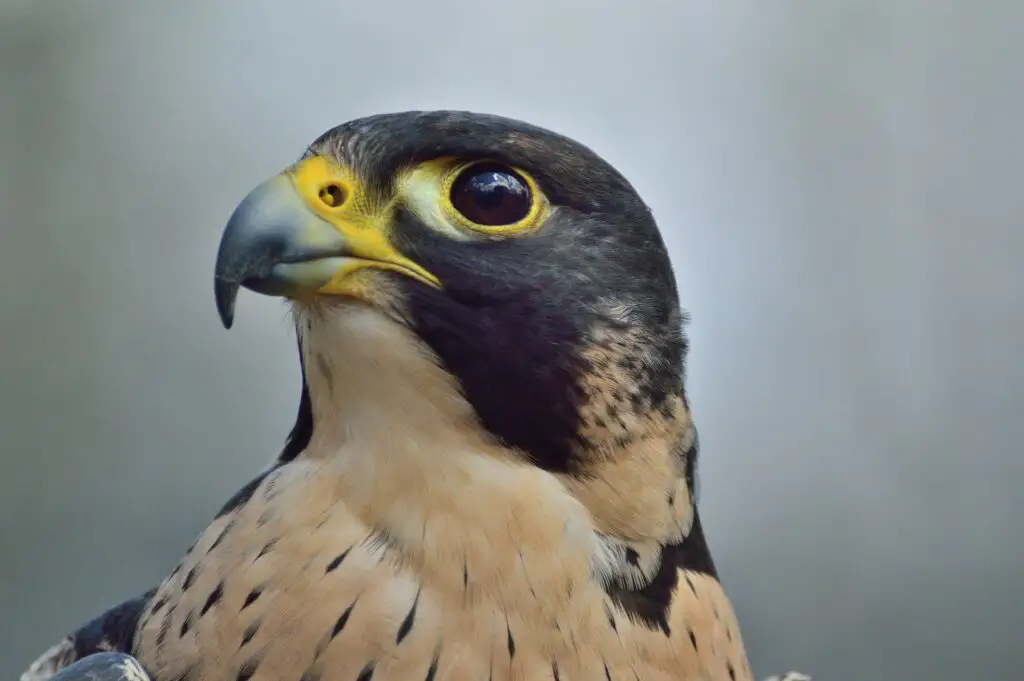
Feeding and nutrition play an important role in maintaining the health and well-being of a Peregrine Falcon. As a falconer dedicated to the care of these birds, I understand the importance of providing them with a balanced and nutritious diet. In the wild, Peregrine Falcons primarily feed on small to medium-sized birds such as pigeons, doves, and songbirds. To make sure their nutritional needs are met in captivity, it’s key to offer a variety of fresh prey items that mimic their natural diet.
I feed my Peregrine Falcon a combination of quail, chicks, and occasionally mice to provide the necessary nutrients for optimal health. It’s critical to source high-quality prey items to prevent nutritional deficiencies. I also supplement their diet with vitamins and minerals to ensure they receive all the essential nutrients they need to thrive.
When feeding a Peregrine Falcon, it’s important to consider its activity level and adjust its food intake accordingly. Regular monitoring of the bird’s weight, physical condition, and feather quality is essential in preventing issues such as obesity or malnourishment. I suggest you offer a varied diet that mimics its natural prey and provides enrichment activities that can contribute to the falcon’s overall well-being and mental stimulation. It is also important to make sure that there is access to a clean and fresh water source at all times for hydration and digestion.
Housing and Enclosures for Peregrine Falcons
This species of raptor is known to be active and energetic, so they require ample space to fly and exercise. When it comes to housing, I recommend a large aviary or mews with plenty of perches, roosts, and room for flight. Here are some factors to consider when getting the enclosure ready:
- Size Matters: Make sure the enclosure is spacious enough for your Peregrine Falcon to move around comfortably. They need room to stretch their wings and exercise to stay healthy.
- Natural Light and Ventilation: The enclosure should have access to natural light and proper ventilation. This will promote good health by providing fresh air and natural sunlight for essential vitamin D production.
- Perching and Roosting Spots: Peregrines need elevated perching and roosting spots to feel secure and comfortable. Natural branches or platforms at different heights can provide the necessary variety for your bird.
- Water: are
- Enrichment: These active birds require mental stimulation, so it’s important to provide enrichment activities or objects to explore.
- Protection: Since peregrine falcons are preyed upon in the wild, it’s important to provide adequate protection from potential predators. The enclosure should have strong walls and roofs to keep your bird safe.
Regular Training Activities
Training is an important aspect of caring for a peregrine falcon. Regular training sessions help maintain the bird’s physical and mental well-being while also strengthening the bond between falconer and bird. Training activities can include flying exercises, target training, and recall exercises. These activities not only keep your falcon in top shape but also allow you to monitor its health and behavior closely.
To begin with, I start with basic obedience training, using positive reinforcement techniques such as rewards to encourage desired behaviors. By creating an important association with training sessions, my falcon becomes more willing to learn and cooperate, making caring for them easier.
An important part of the training involves practicing flying to the glove, following commands, and hunting. I introduce these skills gradually, beginning in a controlled setting before moving to open areas. Monitoring my falcon’s progress closely to adjust the training routine to suit its pace and capabilities.
Building trust is vital. Think about it… Wouldn’t it feel impossible to care for a raptor that doesn’t trust you or your presence? I spend time daily with my falcon, engaging in activities that strengthen our bond. Regular handling and socialization help the falcon become comfortable with me as its handler, leading to a more successful training experience.
Health and Veterinary Care
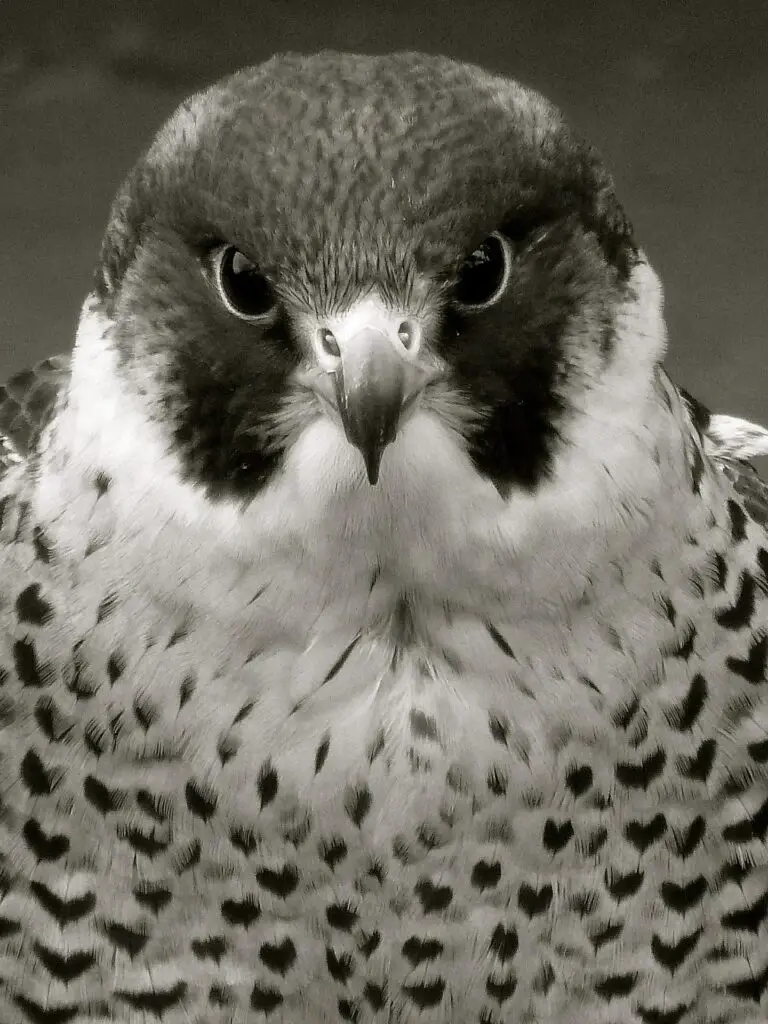
Your Peregrine’s well-being involves regular veterinary check-ups and attentive monitoring of its physical condition. This ensures that any potential issues are addressed promptly, keeping the bird in good health and allowing it.
Here’s how I maintain good health with my Peregrines:
- Regular Check-Ups: I schedule annual check-ups with a veterinarian experienced in raptor care. During these appointments, the bird is weighed, its physical condition is assessed, and any necessary vaccinations or treatments are administered.
- Observation and Monitoring: Aside from regular check-ups, it’s important to keep an eye on your falcon’s behavior and appearance daily. Any changes in activity levels, appetite, or feather quality can indicate underlying health issues that require attention.
- First Aid and Emergency Care: I always keep a first aid kit on hand for any minor injuries or illnesses that may arise. In cases of more serious emergencies, it’s crucial that first aid comes in handy until I can transport the bird to the vet.
Molting and Feather Care
Peregrine Falcons undergo an annual molt, where they shed and replace old feathers with new ones. This process is necessary for maintaining healthy flight and hunting abilities.
During the molt, it’s important to provide a stress-free environment for your bird and ensure it has access to high-quality nutrition and fresh water. Supplementing its diet with vitamins can also promote healthy feather growth. Regular grooming and checking for any damaged feathers is also crucial during this time to ensure they are replaced efficiently.
Bathing helps remove dirt and debris, keeping the feathers clean and healthy. Additionally, I avoid handling my falcon excessively during this time to reduce stress and allow it to focus on the molting process. Once the molt is complete, it’s important to resume regular training and exercise routines gradually to prevent any injuries or strain on new feathers.
Preventing Common Illnesses
Prevention is key when it comes to keeping your Peregrine Falcon healthy. Here are some common illnesses and how I prevent them:
- Aspergillosis: A fungal infection that affects the respiratory system. To prevent this, ensure clean and dry housing conditions, regular cleaning of perches and equipment, and avoiding exposure to damp environments.
- Bumblefoot: An infection of the feet caused by bacteria. Providing clean and dry perches, regular foot checks, and a well-balanced diet with appropriate levels of Vitamin A can prevent this condition.
- Avian Pox: A viral infection that affects the respiratory system, eyes, and skin. Regular vaccinations and avoiding contact with infected birds can help prevent this illness.
- Feather Picking/Plucking: A behavioral issue that can arise from boredom or stress. Providing mental stimulation, proper socialization, and addressing any underlying health issues can prevent this behavior.
- Obesity: A common issue in captive birds, caused by a lack of exercise and an unhealthy diet. I ensure my falcons have ample space to fly and hunt and their diet is appropriate for their energy needs.
Scheduling routine health check-ups with an avian vet will also help to detect any potential health issues early. These check-ups can help identify any signs of illness or disease before they escalate, allowing for quick treatment.
Behavioral Enrichment
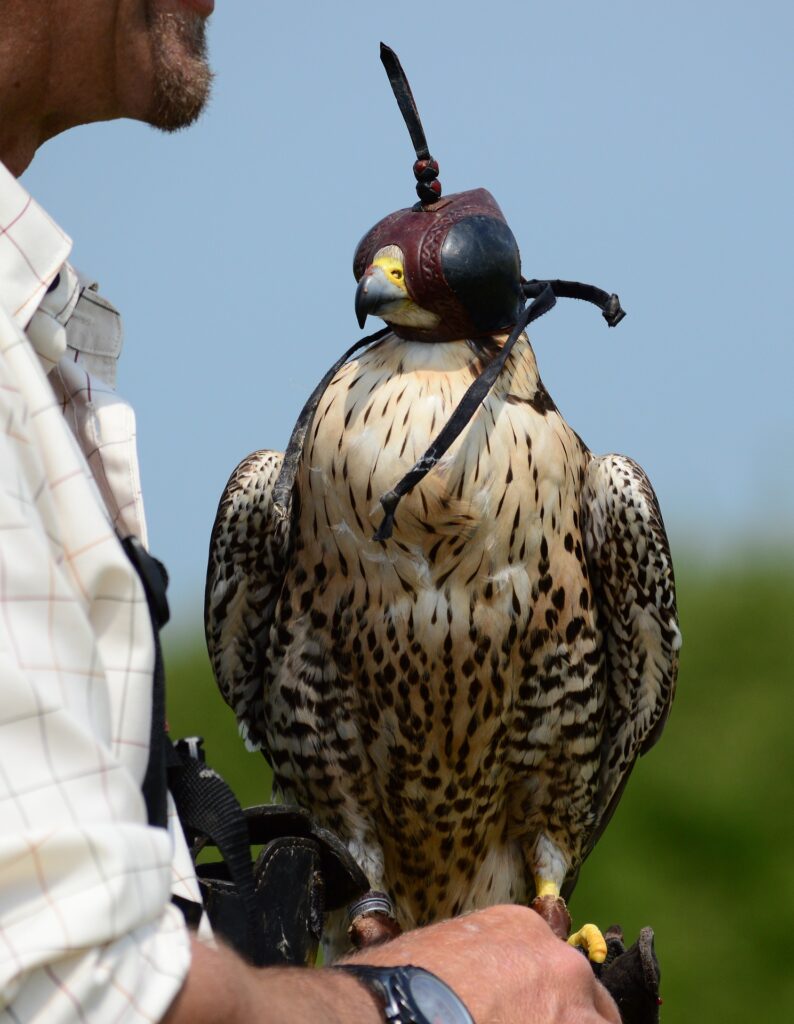
I always stress the importance of engaging in stimulating activities, which helps maintain the behavior of your bird.
One way I provide behavioral enrichment for my falcon is through interactive training sessions. These sessions stimulate their minds and strengthen our bond.
I also make certain that my Peregrine has access to a spacious aviary where they can exercise their wings and practice flying. Your bird’s behavior will be drastically impacted if the enclosure is too small, which will prevent them from flying. Providing them with ample space for flight also reduces stress and encourages obedient behaviors.
Proper care and attention are vital for the well-being of your Peregrine Falcon. From regular veterinary check-ups and attentive monitoring of health to providing a stress-free environment and behavioral enrichment, taking these steps will ensure a happy and healthy falcon. By building trust through daily handling and positive reinforcement training techniques, you can establish a strong bond with your bird, making caring for them a whole lot easier.