

If you’re interested in practicing falconry with a Peregrine Falcon, you’ll need a few essential pieces of equipment. I have summed up a list of everything you may need to begin the process. Bear in mind that this is based on my experiences and the equipment that I have used. So here goes, let’s get started!
Falconry Glove
Wearing a falconry glove is essential for handling a Peregrine Falcon safely and effectively. When working with these birds, ensuring their comfort and safety is paramount. The glove serves as a protective barrier between the falcon’s sharp talons and the handler’s skin, preventing any accidental injuries during the training or handling process.
I find that the falconry glove protects me and gives the bird a steadier grip on my hand. By using the glove, I can confidently offer my hand to the falcon without fear of harm, allowing for a more intimate and cooperative relationship to develop.
The falconry glove also provides stability and control when handling the Peregrine Falcon. Its reinforced leather construction offers a secure grip, ensuring the bird remains steady on the handler’s hand during training sessions or flights. This stability is important for guiding the falcon during hunting exercises or when practicing aerial displays.
Falconry Hood
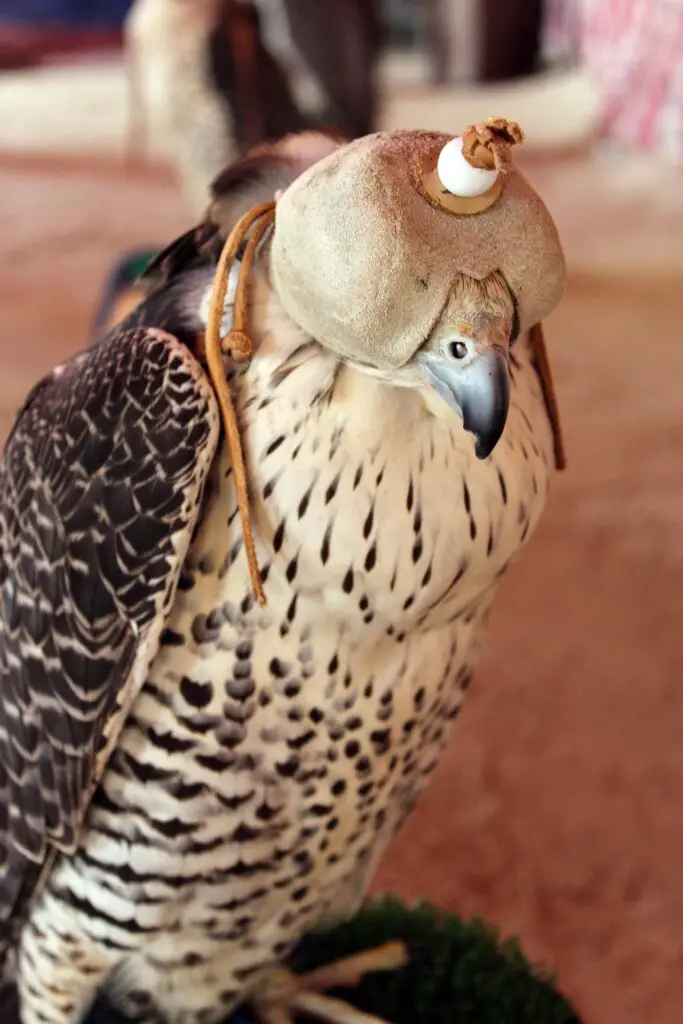
The falconry hood acts as a sensory deprivation tool, helping to keep the Peregrine Falcon calm by limiting its visual stimuli. This is critical during training sessions or when transporting the bird, as it reduces stress and allows the falcon to concentrate on the task at hand. By using a hood, I can make sure that my falcon remains focused on the training process without being distracted by its surroundings.
Additionally, the hood provides protection for the bird’s eyes. Peregrine Falcons have incredibly sharp vision, and the hood shields their eyes from bright lights or sudden movements that could potentially harm them.
Jesses and Anklets
Jesses and anklets are leather straps that attach to the Peregrine Falcon’s legs, allowing for secure handling and transportation. They allow the falconer to secure the bird while handling or training. Anklets are metal or leather bands that go around the bird’s ankles and serve as attachment points for the jesses. Together, these items provide a secure way to handle and train a Peregrine Falcon safely.
Proper fitting of jesses and anklets is crucial for the bird’s comfort and safety. Ill-fitting equipment can cause discomfort or even injury to the bird, hindering training progress. You should inspect the Jesse and anklets regularly and make adjustments where needed.
Swivel and Leash
These tools come in handy for the safety and control of the falcon during training and flights. Here are some important points to keep in mind when using a Swivel and leash for the first time:
- Quality Swivel: A durable and well-crafted swivel allows your falcon to move freely without getting tangled in the leash. It should be strong enough to withstand the bird’s movements yet light enough not to hinder its flight.
- Proper Leash Length: The leash should be the right length to give your falcon enough space to fly and exercise while still keeping it under control. Too long of a leash can lead to entanglement, whereas too short of a leash can restrict the bird’s movements.
- Secure Attachment: Ensuring that the swivel is securely attached to both the falcon’s jesses and the leash will prevent any accidents or escapes. Regularly check the connections to make sure they’re in good condition.
- Comfortable Material: I always opt for a leash made from soft, non-abrasive Material to prevent any discomfort or injury to your falcon. Comfort is important for your bird’s well-being and cooperation during training sessions.
- Regular Maintenance: Regularly inspecting and maintaining the swivel and leash will help ensure their longevity and effectiveness. Replacing any worn-out parts promptly will prevent accidents or malfunctions during training.
Perches and Blocks
Perches and blocks are essential pieces of equipment for a Peregrine Falcon’s housing and training. They provide the bird with a safe, comfortable place to rest while allowing the falconer to move or transport them easily.
When selecting perches and blocks, keep in mind the size and weight of your bird. A sturdy perch is crucial for ensuring that it can support the bird’s weight without breaking or tipping over. The surface of the perch should also be non-slip for the falcon’s safety and comfort.
Blocks are used as elevated platforms for training exercises, such as tethered flights or lure training. They should be stable, durable, and large enough to accommodate your falcon comfortably.
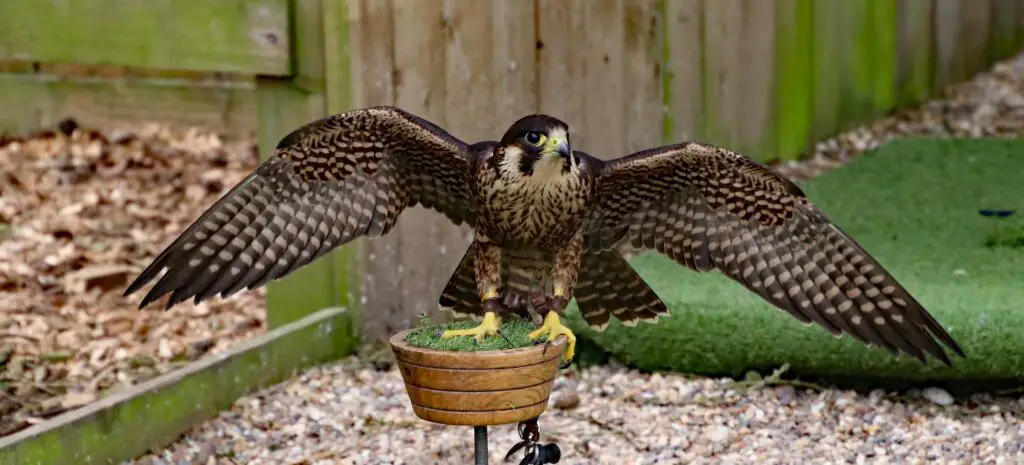
Here is a breakdown of the perches and blocks I use for my Peregrine Falcon:
| Type | Purpose | Material |
| Bow Perch | Resting Spot | Wood |
| Block Perch | Feeding Platform | Stone |
| Flying Block | Exercise Station | Wood |
Lure and Creance
A lure is a feathered object used as a training tool for falcons. Its purpose is to mimic the movements and actions of prey, keeping the bird’s hunting instincts sharp and providing exercise opportunities. A creance is a long cord or leash attached to the bird’s jesses, allowing for controlled flying exercises.
Together, these tools are invaluable for teaching a Peregrine Falcon how to fly, hunt, and return safely to the handler’s glove. Using a lure and creance will help ensure safe and supervised training sessions. Here are some key points to take into account:
- High-Quality Lure: A well-crafted lure mimics the falcon’s natural prey, such as a bird or a piece of meat. It helps in training the falcon to return to you during exercises and hunts.
- Durable Creance: A strong creance, which is a long line attached to the falcon’s jesses, allows you to safely control the bird during training sessions. It gives the falcon freedom to fly while keeping it tethered to you.
- Proper Training Techniques: Correct use of the lure and creance is essential for the falcon’s development. Seek guidance from experienced falconers on how to use these tools effectively.
- Consistent Practice: Regular training sessions with the lure and creance help build trust between you and the falcon. Consistency is critical to reinforcing desired behaviors.
- Safety Measures: Always prioritize safety when working with a Peregrine Falcon. Properly securing the creance and handling the lure can prevent accidents and guarantee successful training sessions.
Scales and Equipment Bag
Accurate weight monitoring is essential. Scales are used to weigh the bird regularly, ensuring that it stays at an optimal weight. An equipment bag provides a convenient way to transport all of your falconry tools when traveling or going on hunting trips.
Here are some key items that I find essential for this purpose:
- Digital Scale: An accurate digital scale is critical for monitoring the weight of my falcon. It helps me make sure that my bird is at a healthy weight and allows me to adjust its diet accordingly.
- First Aid Kit: A stocked first aid kit is essential for addressing any minor injuries or health concerns that may arise while working with my falcon. Being prepared ensures quick and effective care for my bird.
- Water Bottle and Dish: Staying hydrated is critical for both me and my falcon during training sessions. Having a water bottle and dish ensures that we can both stay refreshed and focused throughout our practice.
Mews or Weathering Area
Establishing a suitable mews or weathering area is essential in preparing for the care and training of my Peregrine Falcon. The mews serve as a safe and comfortable space where the falcon can rest, exercise, and acclimate to its surroundings. It should be spacious enough to allow the bird to move freely but not so large that it impedes its ability to fly.
When constructing a mews or weathering area, it’s vital to take into account the falcon’s natural habitat. Peregrine Falcons are cliff-dwelling birds, so the mews should replicate this environment as closely as possible. Providing perches at varying heights, natural sunlight, and proper ventilation will help the falcon feel at home and thrive in captivity.
Bath Pan and Grooming Supplies
Peregrine Falcons are naturally clean birds and require regular bathing and grooming to maintain their health. A shallow bath pan filled with lukewarm water allows the falcon to clean its feathers and remove any excess oils or debris. Grooming supplies such as a soft brush, talon clippers, and feather trimmers are also essential for keeping the bird’s plumage in top condition.
Proper grooming is essential for a Peregrine Falcon’s health and well-being, and the following steps should be taken into consideration:
- Bath Pan: The bath pan should be shallow enough for the falcon to stand comfortably. Keep it filled with fresh water and change it regularly to prevent bacteria buildup.
- Grooming Tools: Use soft brushes and gentle grooming techniques to avoid stressing the falcon. Avoid clipping or trimming feathers without proper training.
- And guidance.
- Nail Clippers: Regularly trimming your falcon’s nails is important for its comfort and health. Sharp talons can cause injuries to the falcon or its handler, so keeping them clipped to an appropriate length is necessary.
- Soft Bristle Brush: Gently brushing your falcon’s feathers helps remove dirt and debris, keeping its plumage clean and tidy. It also stimulates blood flow to the skin, promoting overall feather health.
- Towel: It is essential to have a soft towel on hand to dry your falcon after a bath. Drying your falcon thoroughly helps prevent any moisture-related issues and keeps it comfortable.
Proper equipment and supplies play a crucial role in the training and care of a Peregrine Falcon. From lures and creases to grooming tools and mews, each item serves a specific purpose in ensuring the bird’s health. It is essential to invest in high-quality equipment and seek guidance from experienced falconers to provide the best care for your feathered friend.
By having the right tools and resources, you can provide a safe and enriching environment for your Peregrine Falcon to thrive and develop its natural abilities.