
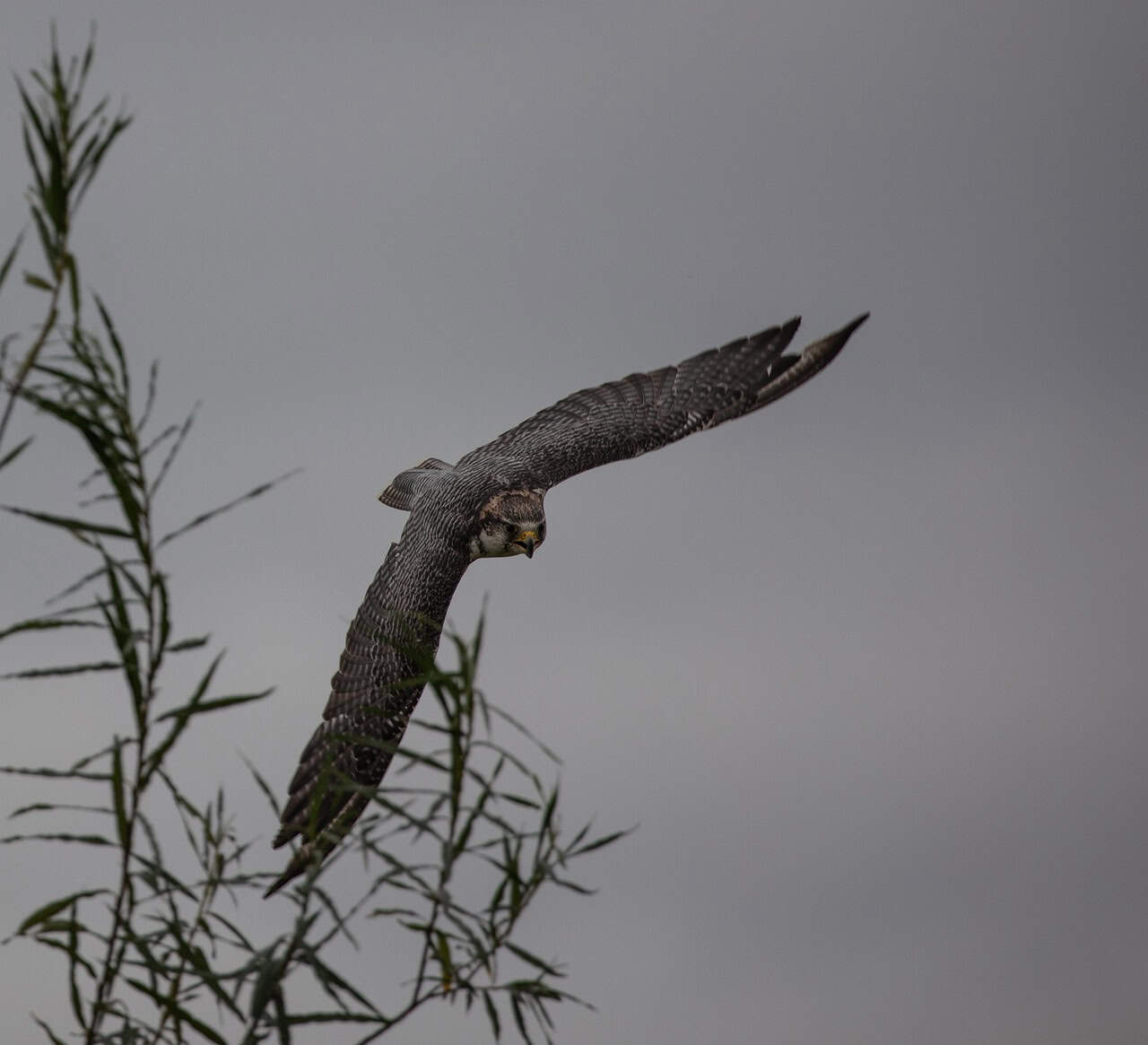
Peregrine falcons are undoubtedly known for the speed and agility with which they fly. These birds of prey are capable of reaching speeds up to 240 miles per hour when diving for their prey. But have you ever wondered how far a falconer can fly their peregrine falcons?
The flying distance depends on weather, wind, and the bird’s condition, showcasing their speed and hunting prowess. Factors like age, health, and prey availability impact flight range. Training builds endurance and agility through gradual exercises in varied conditions. I believe that trust and communication are essential for successful long flights. You should tailor your regimens and diet and make adjustments to optimize flight range. Falconers play an important role in maximizing the falcon’s potential. Witnessing their soar is a demonstration of their remarkable abilities.
Flight Range of Peregrine Falcons
When falconers fly their peregrine falcons, the distance the birds can cover in flight, known as their flight range, is an important aspect to take into account. The flight range of a peregrine falcon can vary depending on various factors as mentioned above.
The flight range of captive peregrine falcons can vary depending on several factors, including their training, habitat, and purpose. Peregrine falcons are highly agile and can cover considerable distances during flight. In captivity, their flight range may be limited by the size of their enclosure or the scope of their training exercises.
In falconry, where peregrine falcons are trained for hunting or display purposes, they may fly within a range determined by their handler. During training sessions, captive peregrines may fly several miles from their release point before returning to their handler. However, this range can be extended through specialized training techniques.
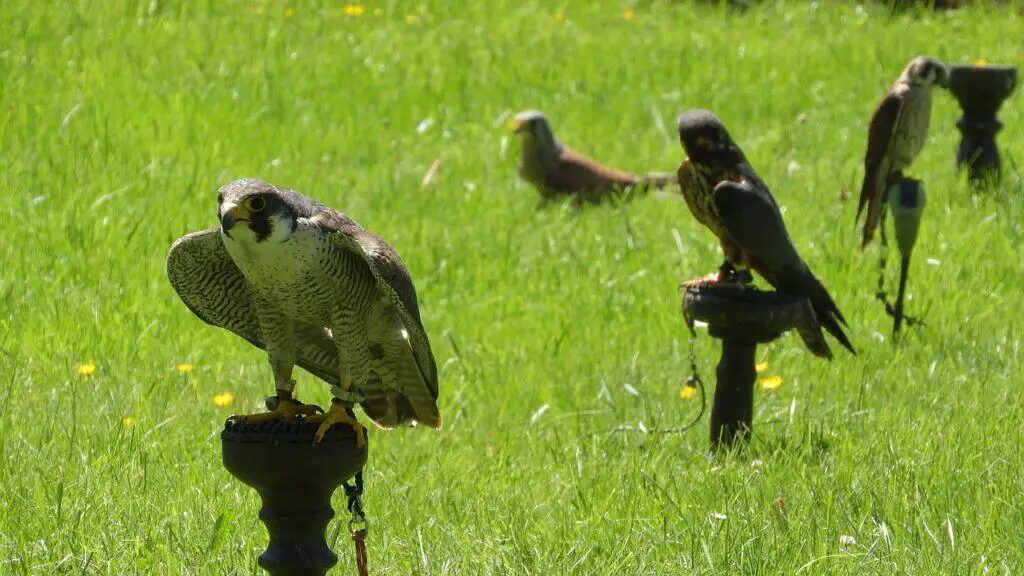
For conservation or educational purposes, captive peregrine falcons may also be flown in larger aviaries or enclosed spaces, allowing them to exhibit natural flight behaviors within a confined area.
Factors Affecting Flying Distances
Factors affecting flying distances include the bird’s age, physical condition, and natural abilities. Younger falcons generally have more energy and endurance, allowing them to fly longer distances compared to older birds.
The physical condition of a falcon also plays a vital role. Healthier birds can sustain flight for extended periods. Additionally, weather conditions such as wind speed and direction impact how far a falcon can fly. Tailwinds can assist falcons in covering greater distances, while strong headwinds may limit their range.
Another significant factor influencing flying distances is the availability of prey along the flight path. Falcons may fly farther in search of food-rich areas, pushing their limits to explore new territories. Understanding these factors is important for falconers to promote the well-being and efficient performance of their peregrine falcons.
Training for Extended Flights
To prepare peregrine falcons for extended flights, I train my birds to build up endurance and agility, ensuring they can cover significant distances with ease and efficiency. Training sessions are carefully planned to enhance the falcon’s physical condition, stamina, and flying skills. Initially, I start with short training flights to assess the falcon’s abilities and gradually increase the distance covered. I also use positive reinforcement techniques like rewarding with food to encourage desired behaviors during training.
Training for extended flights also involves acclimating the Falcon to various weather conditions and terrains it may encounter during long flights. This helps the bird adapt and perform effectively regardless of external factors. Regular exercise routines such as flying drills, agility exercises, and free flight training are essential components of preparing a peregrine falcon for extended flights.
Falconer’s Role in Flight Distance
As a falconer, I take pride in my responsibility to make sure my peregrine falcon reaches its full potential in flight. Here are some key aspects of the falconer’s role in influencing the flight distance:
- Building Trust: Establishing a strong bond with the Falcon is essential for successful flights.
- Physical Conditioning: Implementing a tailored exercise regimen to enhance the bird’s stamina.
- Flight Pattern Analysis: Observing and adjusting the bird’s flight patterns for best distance.
- Nutritional Planning: Providing a balanced diet to support the falcon’s energy levels during flights.
- Environmental Awareness: Adapting training techniques based on weather conditions and terrain for safe and efficient flights.
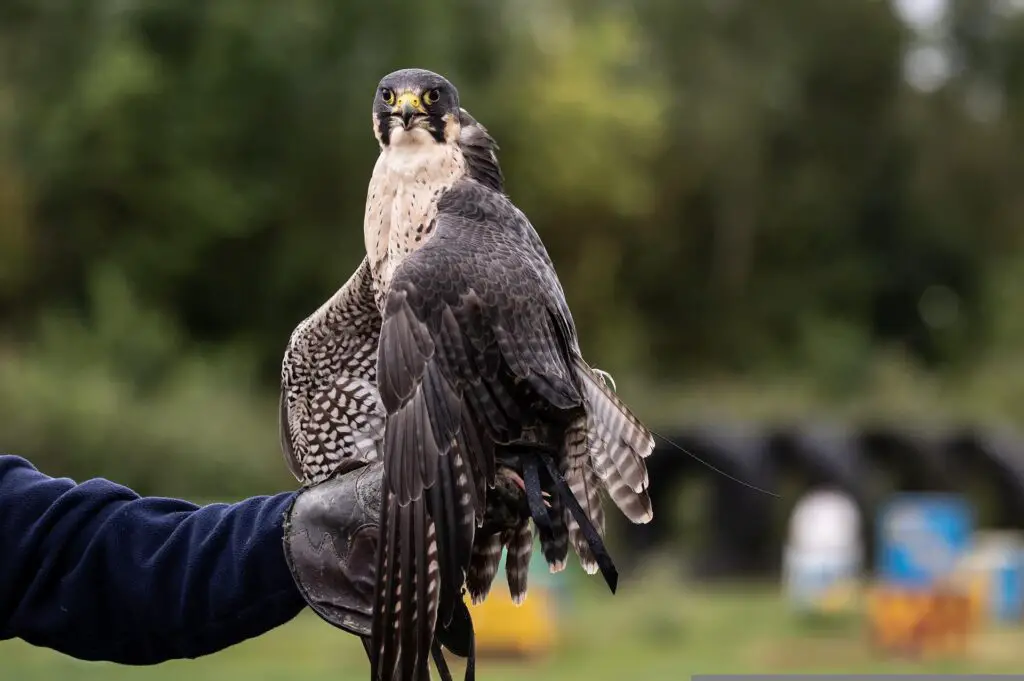
Peregrine falcons are impressive creatures, capable of flying long distances with remarkable speed and agility. While their flight range may vary depending on several factors, the role of a falconer in preparing and supporting these birds cannot be understated. Through trust, training, and proper care, falconers can help peregrine falcons reach their full potential and soar to new heights.
Frequently Asked Questions
How Do Falconers Track Their Falcons During Long Flights?
- We rely on radio telemetry. This technology allows us to monitor the bird’s location and movements in real-time, ensuring their safety and our ability to intervene if needed.
Can Falconers Use Technology to Assist in Flight Distances?
- GPS devices and telemetry systems are valuable tools that contribute to the success of the falconry experience.
What Precautions Do Falconers Take for Long-Distance Flights?
- Always prioritize the safety and well-being of your falcons. Consider weather conditions, terrain, and potential risks before allowing our birds to fly long distances.