
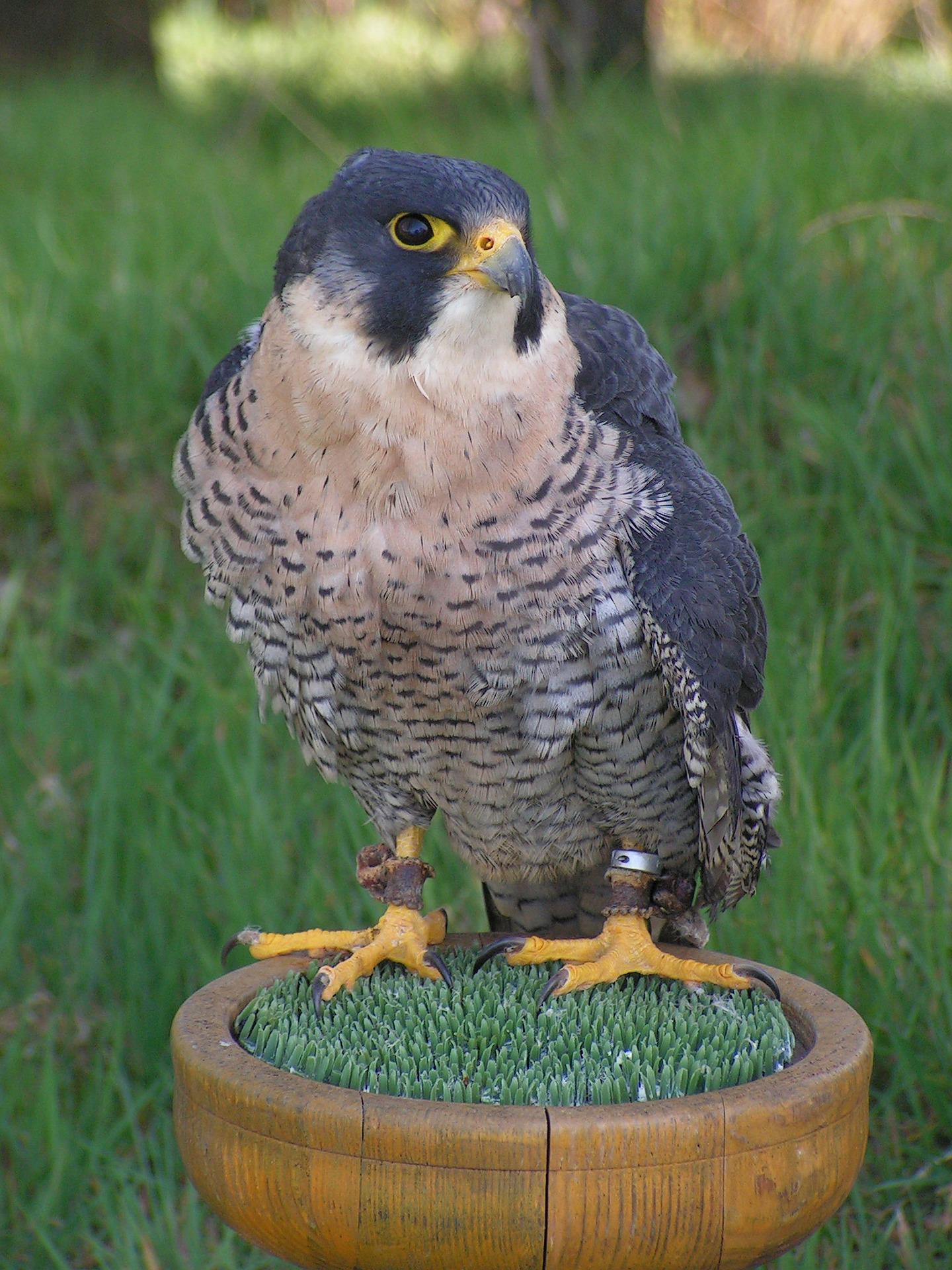
Having owned and trained Peregrine falcons for over a decade, beginner falconers often ask me the same question: How much do captive Peregrine Falcons need to eat each day?
The answer may surprise you—it depends. There is no one-size-fits-all answer to this question, as it depends on various factors, such as the falcon’s age, size, level of activity, dietary needs, and overall health. Generally speaking, a captive Peregrine Falcon will require anywhere between 70 grams of food per day. Let’s take a look at some of the factors that can influence a captive Peregrine Falcon’s daily food requirements.
Dietary Needs of Peregrine Falcons
Peregrine Falcons are carnivorous birds. Their diet primarily consists of other birds, such as pigeons, doves, and small songbirds. These falcons require a high-protein diet to support their active lifestyle and their energy levels for hunting and flight.
A critical component of a Peregrine Falcon’s diet is the balance between protein, fats, and vitamins. Proteins are important for muscle development, repair, and overall growth. Fats provide a concentrated source of energy, crucial for sustaining the falcon’s high metabolic rate. Additionally, vitamins such as vitamins A, D, and E are necessary for maintaining proper immune function, bone health, and overall well-being.
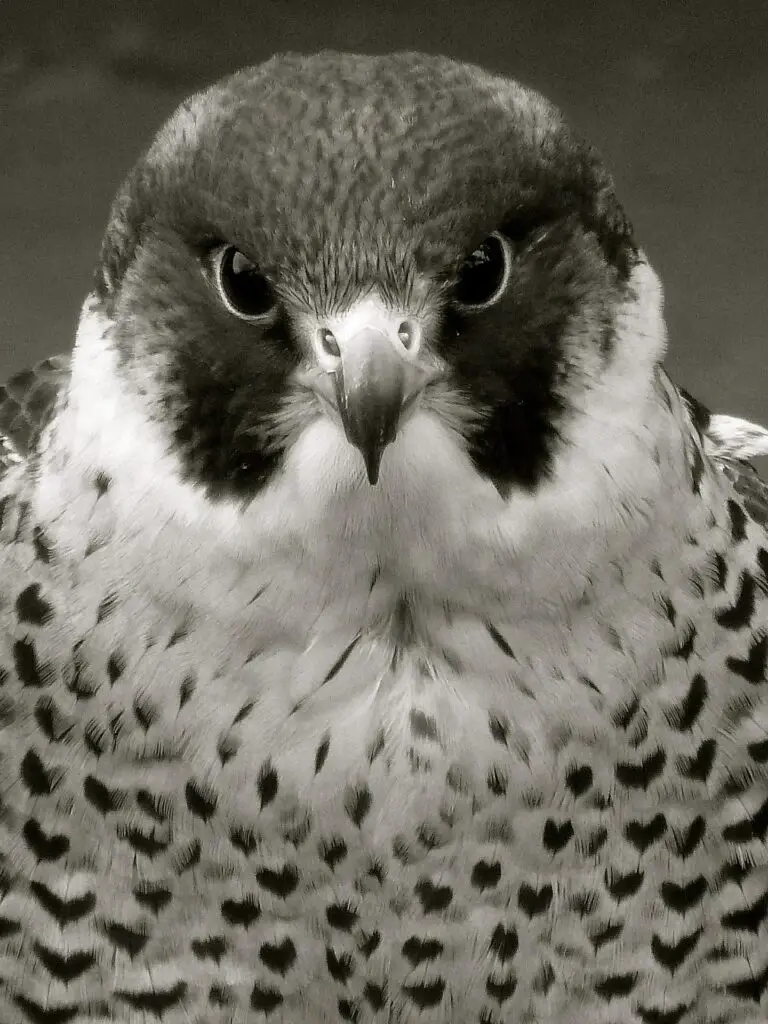
To ensure the best health of my Peregrine Falcon, I provide a varied diet that mimics their natural prey. This includes offering a mix of fresh, whole prey items like quail, mice, and chicks. I also try to supplement their diet with vitamins and minerals to prevent any deficiencies that could impact their health and performance.
Understanding the dietary needs of Peregrine Falcons is vital in providing proper care and support for these birds of prey.
Factors Affecting Daily Food Intake
Factors influencing the daily food intake of captive Peregrine Falcons include their age, activity level, and reproductive status. I noticed that younger falcons, especially chicks, have higher energy requirements because of their rapid growth and development. As they mature, their food intake may decrease slightly. Your bird’s activity level will also help determine its daily food needs.
Peregrines that are breeding are another significant factor affecting food intake. Falcons that are breeding or caring for young chicks have increased nutritional demands to support egg production, incubation, and feeding offspring. During these periods, I always increase their food intake substantially compared to non-breeding falcons.
During colder weather, falcons may need more food to maintain their body temperature as well as energy levels. In hot climates, they may reduce their food intake to cope with heat stress. By adjusting their diet based on age, activity level, reproductive status, and environmental conditions, you can ensure that these birds receive the appropriate nutrition to thrive in captivity.
Adjusting Diet for Age and Activity
Young falcons, known as eyasses, require more energy due to their rapid growth and development. To support their growth, their diet should consist mainly of small birds, insects, and rodents. As they age and become fledglings, their activity levels increase as they start learning to fly and hunt. At this stage, I begin incorporating larger prey, like pigeons or quails, which can provide the necessary energy for their increased physical demands.
Adult Peregrine Falcons, on the other hand, have different dietary needs based on their activity level. Falcons used for falconry or breeding require a diet tailored to sustain their hunting and reproductive efforts. This diet often includes a variety of prey species to ensure they receive all the essential nutrients for peak performance. For falcons in a more sedentary lifestyle, such as those in educational programs or rehabilitation centers, a diet with fewer calories may be necessary to prevent obesity and associated health issues.
Feeding Schedule and Frequency
I’ve noticed that a regular feeding schedule is important for their health and performance. Here are some key points to keep in mind regarding the feeding schedule and frequency:
- Regular Timing: Peregrine Falcons thrive on routine; therefore, feeding them at the same times each day helps regulate their metabolism and digestion processes effectively.
- Essential Frequency: Providing meals at appropriate intervals ensures that the falcons receive an adequate amount of nutrients without overeating or becoming hungry between feedings.
- Observation: Observing the falcon’s behavior around feeding times can offer valuable insights into their appetite, health, and satisfaction with their diet.
Monitoring Weight and Health Indicators
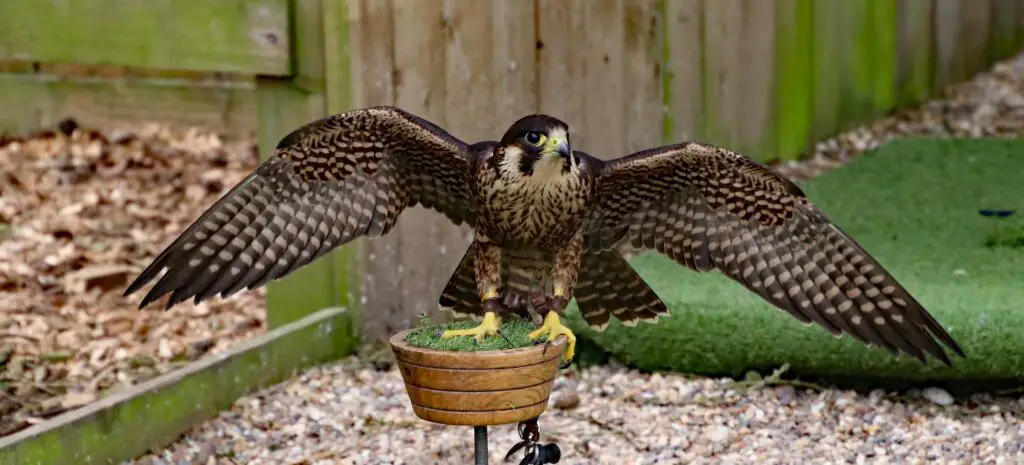
When monitoring the weight and health indicators of Peregrine Falcons, it’s essential to track their physical condition through regular assessments and observations. Weight is an important parameter to monitor, as it can reflect changes in the bird’s overall health. By regularly weighing the falcons, I can detect fluctuations that may indicate issues such as dehydration, illness, or improper nutrition.
It is also necessary to observe the falcon’s behavior and physical appearance. A healthy Peregrine Falcon should exhibit alertness, bright eyes, clean feathers, and smooth scales on its feet. Any changes in behavior, such as lethargy or aggression, could signal an underlying health issue that requires attention.
Consulting an Avian Nutrition Specialist
Consulting an avian nutrition specialist allows for precise evaluation and tailored dietary recommendations to optimize the health and performance of captive Peregrine Falcons. Working closely with these specialists can help you determine the specific nutritional needs of these birds, ensuring their well-being and vitality. Here are some key benefits of consulting an avian nutrition specialist:
- Customized Diets: Specialists can create individualized meal plans based on the falcon’s age, weight, activity level, and overall health status.
- Nutritional Analysis: Through detailed nutritional analysis, specialists can identify any deficiencies or excesses in the falcon’s current diet and make necessary adjustments.
- Behavioral Observations: Avian nutritionists can also observe the falcon’s feeding behavior and preferences to tailor diets that the birds will readily consume.
- Health Monitoring: Regular consultations with nutrition specialists can aid in monitoring the falcon’s health markers, ensuring early detection of any nutritional imbalances or health issues.
So, understanding the dietary needs of Peregrine Falcons is crucial in providing proper care and support for these birds. By considering factors such as age, activity level, reproductive status, and environmental conditions, adjusting their diet accordingly, and monitoring their weight and health indicators regularly, we can ensure that these birds receive the nutrition they need to thrive in captivity.
Frequently Asked Questions
- Can Captive Peregrine Falcons Be Trained to Hunt for Their Own Food?
Yes, captive peregrine falcons can be trained to hunt for their own food.
- How Do Captive Peregrine Falcons’ Dietary Needs Change During Molting Season?
During molting season, captive peregrine falcons’ dietary needs shift to support feather regeneration. I’ve noticed an increased demand for protein-rich foods like quail or pigeon to aid in the molting process, ensuring healthy feathers.
- What Precautions Should I Take When Feeding My Falcon?
It is essential to handle food safely and wash all surfaces, utensils, and hands before and after handling raw meat.