
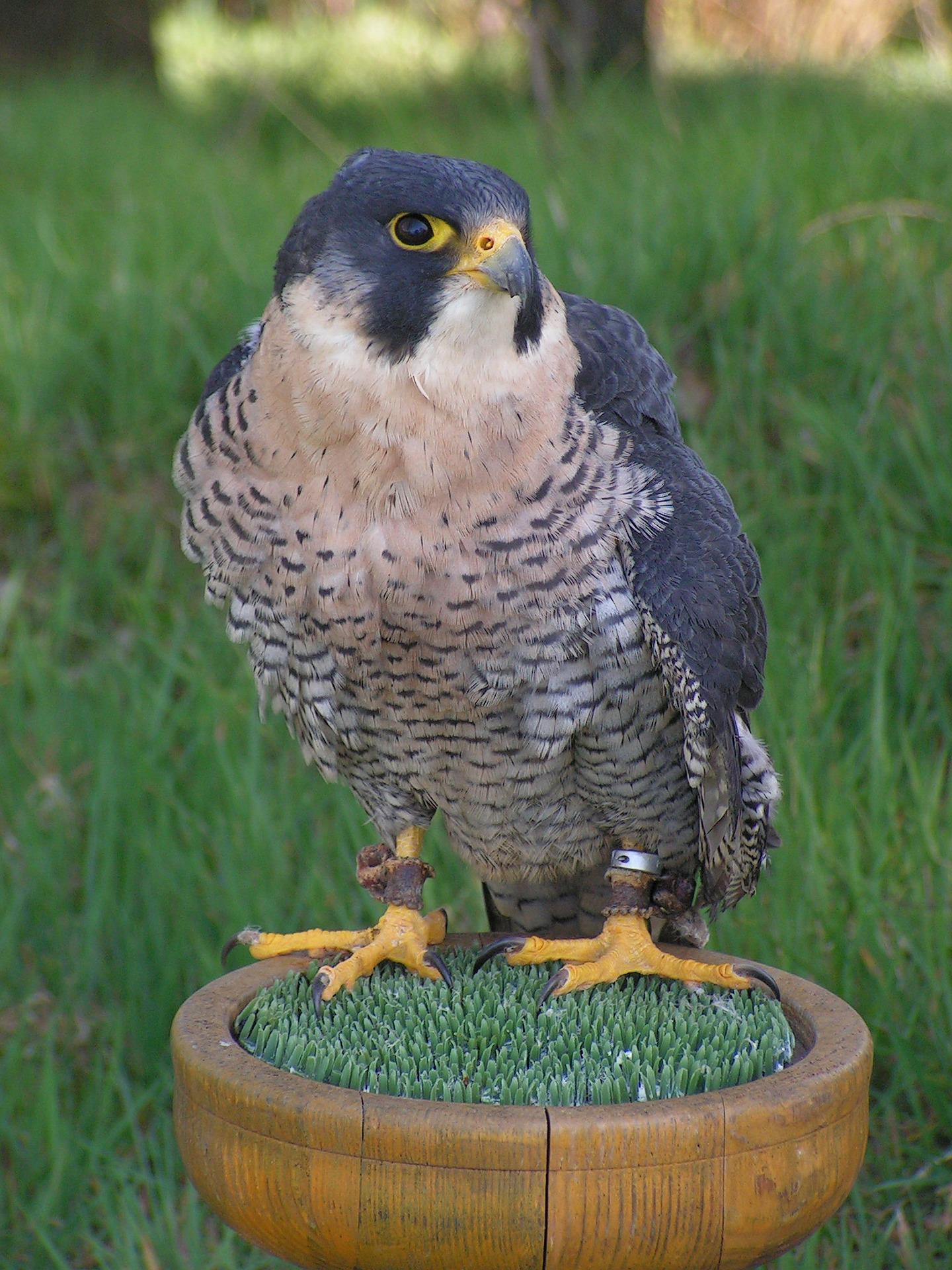
Regular flying sessions are important to maintain your Peregrine Falcon’s peak health and hunting skills. But how often is it required for falconers to fly their birds?
Importance of Regular Flying Sessions
Regular flying sessions with peregrine falcons are crucial for various reasons, both for the falcons’ well-being and for the falconers who work with them. It isn’t just a hobby but a responsibility that comes with owning these birds. Here’s a breakdown of the importance of these sessions:
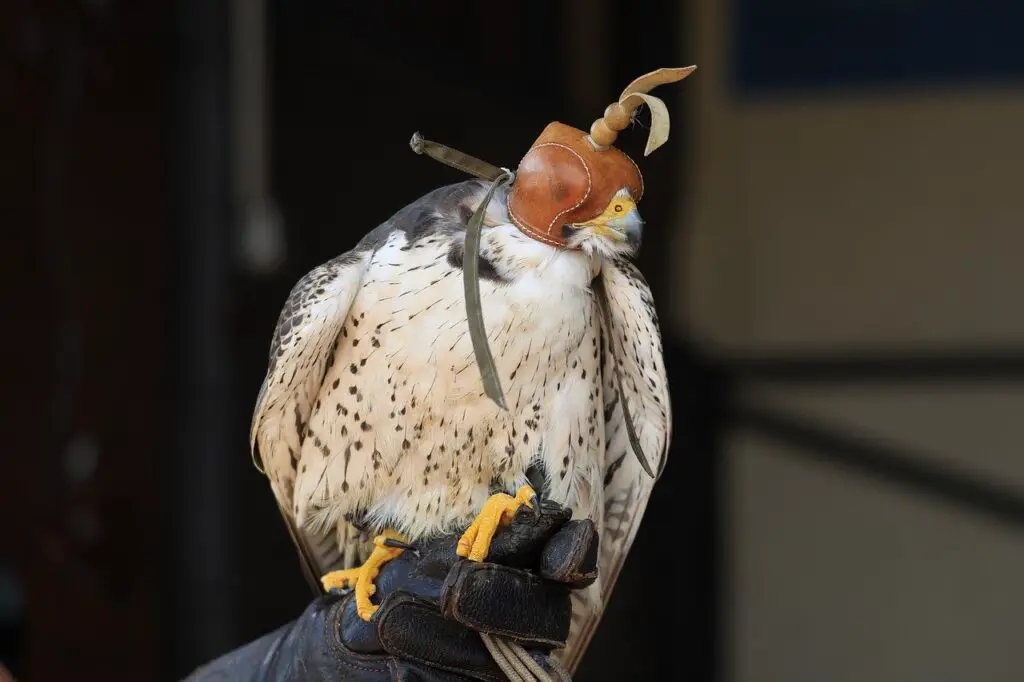
- Physical Fitness: Peregrine falcons are high-performance birds that require regular exercise to maintain peak physical condition. Flying sessions help them develop and maintain strong muscles, improve cardiovascular health, and enhance physical fitness.
- Mental Stimulation: Flying is a natural behavior for falcons, and regular flying sessions provide them with mental stimulation. This helps prevent boredom, encourages natural behaviors, and reduces stress or unwanted behaviors arising from inactivity.
- Skill Development: Flying sessions offer opportunities for skill development, including honing flight agility, speed, and hunting techniques. These sessions are essential for falconers to train them to perform well in hunting and falconry activities.
- Bonding and Trust: Consistent interaction during flying sessions helps build a strong bond of trust between the falconer and the falcon. This trust is essential for effectively communicating, handling, and managing the bird.
- Monitoring Health: Regular flying sessions allow falconers to closely monitor the falcon’s health and behavior. Any flight performance or behavior changes can be early indicators of potential health issues requiring prompt veterinary attention.
- Hunting Practice: For falconers, flying sessions often include hunting practice, allowing falcons to hone their hunting skills and instincts. This prepares them for successful hunting outings and ensures they remain effective predators in their natural environment.
- Natural Behavior Expression: Flying is an innate behavior for peregrine falcons, and regular flying sessions enable them to express their natural instincts and behaviors freely, contributing to their overall well-being and happiness.
- Preventing Obesity: Regular flying sessions help prevent obesity in falcons by burning excess calories. Obesity can lead to various health problems, so maintaining an appropriate weight through exercise is vital for the falcon’s health.
Recommended Flying Schedule for Falcons
The recommended flying schedule for peregrine falcons can vary depending on factors such as the bird’s age, fitness level, hunting requirements, and whether it’s kept for falconry or as a companion animal. However, here’s a general guideline for a flying schedule:
- Daily Flying: Peregrine falcons benefit from daily flying sessions whenever possible, especially during the hunting season. These sessions can be divided into morning and evening flights, simulating natural hunting times.
- Duration: Each flying session should typically last around 20 to 30 minutes, although this can vary depending on the falcon’s stamina and fitness level. Younger birds or those in training may have shorter sessions initially, gradually increasing as they build up endurance.
- Variety: It’s essential to vary the flying sessions to prevent boredom and provide mental stimulation. Different flying environments, such as open fields, wooded areas, or urban settings, offer diverse experiences for the falcon.
- Weather Considerations: Falconers need to consider weather conditions when planning flying sessions. Flying is generally avoided during heavy rain, strong winds, or extreme temperatures to ensure the falcon’s safety and comfort.
- Before each flying session, falconers should perform pre-flight conditioning exercises to warm up the bird’s muscles and prepare it for flight. This can include stretching exercises or gentle flights from a low perch.
- Post-flight Care: After each flying session, falconers should provide post-flight care to ensure the falcon’s well-being. This includes checking for injuries, providing water for hydration, and offering food if the bird hasn’t hunted during the session.
- Rest Days: While regular flying is essential for maintaining a falcon’s fitness and skills, it’s also crucial to incorporate rest days into the schedule. Rest days allow the bird to recover physically and mentally, reducing the risk of overexertion or burnout.
- Off-season Maintenance: During the off-season or when hunting opportunities are limited, falconers should still provide regular flying sessions to maintain the falcon’s fitness and prevent boredom. These sessions can focus more on exercise and enrichment rather than hunting.
- Consultation with Experts: Falconers should consult with experienced mentors or avian veterinarians to tailor the flying schedule to their falcon’s specific needs and ensure it remains healthy and happy.
Signs of Overflying or Underflying Your Bird
Overflying or underflying a falcon can negatively impact its health and well-being. Here are some signs to watch out for that may indicate your bird is being flown too much or too little:
- Physical Exhaustion: If your Peregrine Falcon appears excessively tired after a flight or shows signs of fatigue during training sessions, it may be a sign of overflying. On the other hand, if your falcon seems lethargic or disinterested in flying altogether, it could indicate underflying.
- Weight Fluctuations: Monitoring your falcon’s weight is crucial. Sudden weight loss can indicate overflying, indicating the bird is burning more calories than it can replenish. Conversely, weight gain may suggest under flying and lack of exercise.
- Feather Condition: Inspect your falcon’s feathers regularly. Excessive strain can cause feathers to overfly and damage or wear out, while underflying may result in poor feather quality and a lack of preening activity.

Adjusting Flying Routine for Seasons
Adjusting peregrine falcons’ flying routine according to the changing seasons is essential for maintaining their peak health and performance in the field. The shifting seasons bring about variations in temperature, daylight hours, and prey availability, all of which impact the falcon’s behavior and flying capabilities.
During spring and summer warmer months, when days are longer and temperatures are higher, Peregrine Falcons are more active and agile. This season allows longer flying sessions, enabling the falcon to hone its hunting skills and build endurance. As autumn approaches, the days shorten, and temperatures drop, signaling a time for adjustments in the flying routine.
Shorter flying sessions with adequate rest periods become vital to prevent overexertion and maintain the falcon’s strength. When conditions are harsher in winter, flying sessions may be limited to promote the bird’s safety and well-being. Adapting the flying routine to suit the seasons demonstrates a falconer’s dedication to the care and peak performance of their avian partner.
Regular flying is essential for the physical and mental well-being of peregrine falcons. A properly planned and tailored flying schedule can help prevent health problems, maintain fitness, improve hunting skills, and promote a healthy bond between the bird and its falconer. Consistent monitoring of the falcon’s condition and making necessary adjustments to the flying routine according to changing seasons and the bird’s needs will ensure a happy and thriving falcon.