

If you want to expand your falconry journey by breeding your own Peregrine falcons, you have come to the right place. Breeding a peregrine falcon for falconry requires dedication, patience and knowledge. It is not a task to be taken lightly, as these birds are powerful predators and need special care.
This post will take you through breeding a peregrine falcon, from selecting the right pair to AI insemination. Each step is crucial in ensuring the successful breeding of a Peregrine falcon.
The Breeding Process
Breeding Peregrine Falcons requires a precise and well-planned process to ensure successful reproduction and healthy offspring. As a falcon breeder, my main aim is to preserve the genetic diversity of the Peregrine Falcon population, considering factors such as health, temperament, and suitability for future breeding.
To begin the breeding process, I often start with selecting breeding pairs based on their genetic compatibility and physical characteristics. Peregrine Falcons are monogamous birds, so choosing the right pair is crucial for successful breeding. Once the pair is selected, I carefully monitor their behaviour and interactions to ensure they’re compatible and likely to bond.
Next, I try to create a suitable nesting environment for the falcons. Peregrine Falcons prefer high nesting sites, so I provide them with tall structures that mimic their natural habitat. The nest box is designed to be spacious enough for the female to lay eggs comfortably while providing security for the offspring.
It’s crucial to ensure the birds get a nutritious diet for egg production and chick health. By closely monitoring the breeding pair and giving them the best conditions, you will have a successful breeding season and healthy Peregrine Falcon chicks.
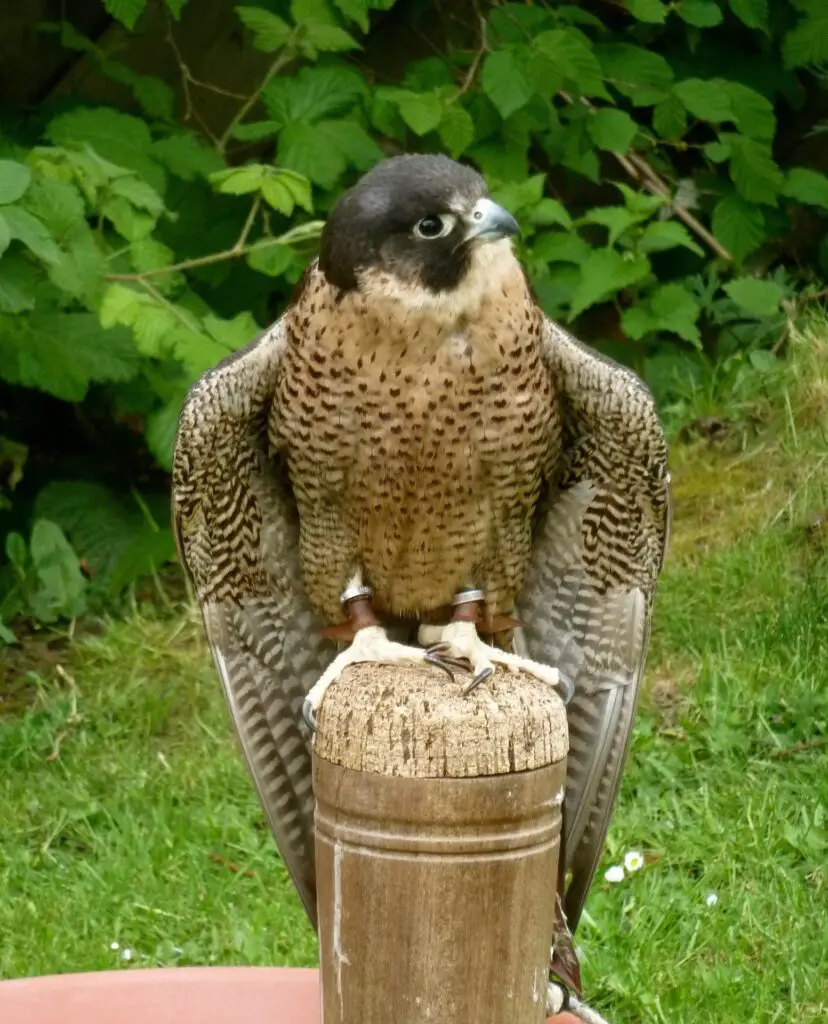
So Let’s Begin:
Obtain Proper Permits:
Before proceeding with any breeding activities involving Peregrine Falcons, it is imperative to obtain the necessary permits and authorizations mandated by local, state, and federal regulations to legally engage in falcon breeding and conservation efforts.
When I began my breeding program, I made sure to check with the local and state governments where I reside, as well as federal agencies, such as the United States Fish and Wildlife Service (USFWS), if I was allowed to breed captive-bred Peregrine Falcons. These regulations are in place to protect both wild and captive-bred falcons, ensuring that breeding is done ethically and responsibly.
These permits are crucial for legal compliance and conservation efforts when breeding Peregrine Falcons.
Prepare the Aviary
Space is of utmost importance when preparing the aviary for breeding Peregrine Falcons. The aviary should be large enough to provide ample room for the breeding pair. I often use falconry weathering perches in the aviary for the birds to rest and exercise.
- Ample Space for Flying and Exercise:
To ensure optimal breeding conditions for Peregrine Falcons, the aviary must be meticulously prepared to provide ample space for flying and exercise.
- Size: The aviary should be spacious enough to allow the falcons to soar and dive freely.
- Height: A tall structure is essential to accommodate their high-speed dives, mimicking their natural hunting behaviour.
- Perches and Platforms: Installing various perches and platforms at different heights encourages exercise and helps strengthen their muscles.
- Protection from Predators:
As predators themselves, Peregrine Falcons are constantly on the lookout for potential threats. Ensuring the aviary is fortified against potential predators is vital for safeguarding the Peregrine Falcons during the breeding process. I constrict my aviary with sturdy materials such as heavy-duty wire mesh with small gaps, essential to prevent access to predators like raccoons, snakes, or larger birds of prey. I also installed a secure locking mechanism on all entry points and conducted regular inspections of the perimeter for any signs of weakness or breaches, which is crucial.
- Netting: I use netting around the aviary to protect against potential aerial predators, such as hawks or eagles.
- Fencing: Installing fencing around the aviary can also deter potential ground predators.
- Cover: Providing cover and hiding spots within the aviary helps the birds feel safer and more at ease.
After setting up the aviary, it’s essential to regularly maintain it to ensure a healthy and safe environment for the falcons.
- Nesting Area:
Creating an appropriate nesting area is crucial. The nest box should be large enough to accommodate the female comfortably and provide security for the eggs.
You should consider these tips:
- Nesting Material: Offer a variety of materials such as twigs, grass, and feathers for the falcons to construct their nest.
- Nesting Platform: Provide a sturdy platform lined with soft materials like moss for the falcons to lay their eggs.
- Privacy: Ensure the nesting area is secluded from human disturbances to minimize stress and encourage breeding behaviour.
- Perches:
Perches should be sturdy and durable to uphold the weight of the falcons, ensuring they have a secure grip. It is advisable to offer perches of varying heights and textures, allowing the falcons to exercise their feet and maintain their agility.
- Temperature Control and Ventilation:
Maintaining optimal temperature control and ventilation within the aviary is vital for creating a comfortable and healthy environment for Peregrine Falcons.
- Regulate Temperature: Install a thermostat-controlled heating system to keep the temperature between 37.2°C-37.8°C.
- Provide Proper Ventilation: Ensure fresh air circulation by installing vents at the top and bottom of the aviary.
- Monitor Humidity Levels: Use a hygrometer to keep humidity levels around 40-60% to prevent respiratory issues.
- Shelter from Harsh Weather Conditions:
With the drastic changes in weather conditions, we often face sudden heavy downpours or heavy winds and hail. This is why I always choose to safeguard the shelter against harsh weather, such as strong winds, heavy rain, or extreme temperatures, which is essential to avoid any disaster or disturbance to the birds.
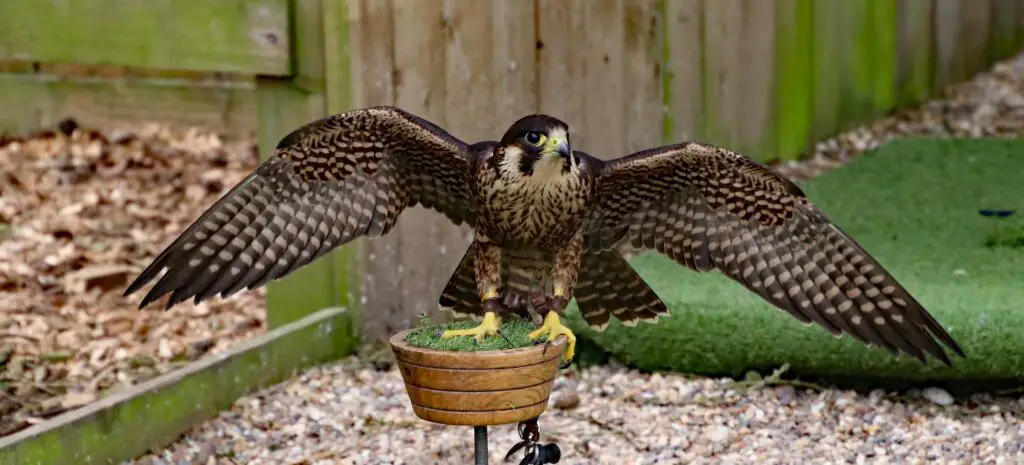
Selecting a Breeding Pair of Peregrines:
When selecting a breeding pair of Peregrine Falcons, I always look for:
– Health
– Genetic diversity
– Temperament
– Physical traits
I suggest you always check to ensure the pair is genetically unrelated to avoid inbreeding and potential health issues. The birds should have a compatible temperament and hunting instincts to ensure successful breeding and rearing of chicks.
- Health:
It would be best to check the birds’ overall physical condition, including their feather quality, weight, and any signs of illness or injury.
I am always very careful when selecting my breeding pair. Here’s what to consider when choosing your pair:
- Physical Examination: I prefer birds with no history of hereditary diseases or abnormalities.
- Age: Select a pair that has reached sexual maturity and are of similar age.
- Compatibility: Observe how the potential breeding pair interacts with each other, ensuring they have a compatible temperament and hunting instincts.
- Previous Breeding Record: If the bird has been bred before, I suggest that you research the bird’s previous breeding records to ensure there have not been any issues with breeding in the past.
- Genetic diversity
Genetic diversity helps prevent inbreeding, which can lead to genetic disorders and reduced fitness in offspring. When choosing a breeding pair, it’s crucial to consider the genetic makeup of each bird to ensure a wide range of genetic variations. By choosing partners with diverse genetic traits, we can improve the general health of the falcon. We are giving you better chances of successful breeding and healthy chicks.
- Temperament
Explain why temperament is important when selecting a breeding pair of peregrines.
The temperament of the breeding pair is crucial, as it can greatly affect the success of breeding and chick rearing. A pair with a compatible temperament will likely have a better bond and be more attentive to their young, resulting in a higher chance of successful hatching and survival rates. Additionally, a pair with a calm temperament will be less likely to become aggressive towards each other or their chicks, creating a safer and more stable environment for breeding.
- Physical traits
When selecting a breeding pair, it’s important to consider physical traits such as size, colouration, and overall appearance. These traits will show on the chicks. For example, choosing birds with different feather colours can result in more vibrant and diverse chicks, making them more desirable for future breeding or falconry purposes. You should look for traits like:
- Size: Selecting birds with similar sizes is ideal, as it allows for easier breeding and reduces the risk of injury during mating.
- Colouration: Choosing a pair with different feather colours can result in more diverse and aesthetically pleasing offspring.
- Physical condition: Ensure both birds are in good physical condition and free from any genetic disorders or abnormalities that could be passed
- Plumage: Bright and distinctive markings on feathers indicate good health and genetic diversity.
- Claws: Strong, sharp talons are crucial for hunting and protecting offspring.
- Wingspan: Longer wings provide better aerodynamics for agile flight and successful hunting.
Overall, choosing a breeding pair of Peregrine Falcons requires careful consideration of various factors to ensure successful breeding and healthy offspring. By providing the right nesting conditions, regulating temperature and ventilation, sheltering from harsh weather, and selecting a compatible breeding pair with diverse genetic traits and suitable temperaments, you can increase the chances of producing strong and thriving chicks. Remember to prioritize the well-being of the birds and continually monitor their health.
Introduce the Breeding Pair:
When I introduce my pair to each other for the first time, I always allow them to acclimate gradually to each other, closely monitoring their behaviour for signs of mutual interest and compatibility. Peregrine Falcons are known for their strong territorial instincts and can be aggressive towards unfamiliar individuals. By slowly introducing the selected pair in a controlled environment, we can observe their interactions and ensure they establish a positive relationship.
During the introduction phase, it’s essential to provide the falcons with ample space to move freely while still being able to see and hear each other. This setup allows them to become accustomed to each other’s presence without feeling threatened. You should monitor their behaviour for indicators of mutual interest, such as vocalizations, courtship displays, and shared food exchanges.
Mimic Breeding Conditions:
I always try my best to make the birds feel as comfortable as possible during mating. So, I often try to mimic their natural habitat by adding things or positioning perches and nests at different heights around the aviary.
- Perches:
Peregrines prefer to roost in high places, so I always provide ample perching options for the pair to choose from at various heights. You should also ensure that the perches are sturdy and wide enough for both birds to comfortably stand on.
- Natural Lighting:
Natural lighting plays a crucial role in triggering breeding behaviour in peregrines. Therefore, if the enclosure is indoors, I provide as much natural light as possible within the aviary, mimicking the intensity and duration of daylight during the breeding season.
- Natural Nesting Materials:
I find that adding some sort of natural nesting materials makes the female more comfortable to nest in the area. My most common choice is grass and twigs. I feel that this is the most versatile and easy-to-come-by material that can be added to the aviary. Remember to replace the nesting material regularly.

Monitor breeding pairs for compatibility.
Even after the initial introduction and successful breeding, it’s essential to continue monitoring the pair for signs of compatibility. Sometimes, birds can become aggressive or lose interest in each other over time due to various factors such as changes in health or environment. By observing their behaviour and addressing any issues promptly, we can ensure a stable and happy partnership for continued successful breeding.
During the monitoring process, it’s essential to pay close attention to the interactions between the male and female falcon. Aggressive behaviour, such as pecking, chasing, or vocalizations, can indicate that the pair isn’t compatible. Intervening promptly in such situations is important to prevent any potential conflicts that could lead to breeding failure.
Data Collection and Monitoring:
It is crucial to thoroughly record data when breeding peregrine falcons. By closely monitoring laying dates, hatch rates, and chick development, we can better understand the effectiveness of our breeding programme and make informed decisions for future pairings.
In our efforts to achieve breeding success, certain key data points need careful monitoring and recording, such as:
- Laying Dates: The timing of when eggs are laid is a fundamental aspect in predicting the approximate hatching dates and strategically planning for the incubation process. By recording laying dates, we can also detect any potential issues or delays in egg-laying.
- Embryo growth: By candling the eggs, we can monitor the development of the embryo and track its growth. This data is crucial in determining if any intervention or assistance is needed during incubation.
- Hatch Rates: We can accurately determine our hatch rate by tracking the correlation between the number of eggs laid and the subsequent number of chicks hatched. This analytical approach allows us to pinpoint any underlying issues that may be hindering optimal hatch rates.
- Chick Development: Regular and thorough monitoring of the growth and progression of chicks plays a crucial role in safeguarding their overall health and well-being. This will include daily check-ups on their weight, size, and behaviour. In the case of any abnormalities or health concerns, prompt action must be taken to ensure the successful development of the chick.
This ongoing observation not only ensures their welfare but also aids in the early detection of any potential genetic anomalies or irregularities that may arise.
Nutritional Requirements for Breeding Pair
During the breeding season, it is crucial to provide the birds with a balanced and nutrient-rich diet to support their reproductive health and the growth of their offspring. Peregrin Falcons require a diet that is high in quality proteins, vitamins, and minerals to ensure optimal health and successful breeding. Here is a breakdown of the essential nutritional requirements for breeding Peregrine falcons:
| Nutrient | Importance |
| High-quality proteins | Essential for muscle development and overall health |
| Vitamins | Support various physiological functions and immune system |
| Minerals | Aid in bone strength and overall metabolic processes |
Providing a diet that meets these specific nutritional needs is vital for the success of producing healthy offspring. A well-rounded diet will not only benefit the health of the bird but also contribute to the overall success of the breeding program. It is important to consult with avian nutritionists or veterinarians specializing in birds of prey to formulate a diet that meets the precise requirements of breeding Peregrine falcons. By ensuring that the birds receive the appropriate nutrients, you are setting the stage for a successful breeding season and the growth of strong, healthy falcon chicks.
If you follow these steps, you will be on your way to breeding successful and healthy Peregrine falcons in captivity. Remember to always prioritize the welfare of the birds and seek advice from experts when needed. By creating a suitable environment, monitoring pair compatibility, collecting and analyzing data, and providing a balanced diet, you will set the stage for a successful breeding program that can help contribute to the conservation of these birds in a controlled and sustainable manner. Keep observing, learning, and adapting to continuously improve your breeding methods and contribute to the conservation of Peregrine Falcons!
Breeding Peregrine Falcons via Artificial Insemination:
Artificial insemination (AI) has become an increasingly popular method for breeding birds, including Peregrine Falcons, in captivity. This process involves collecting semen from the male falcon and artificially introducing it into the female’s reproductive tract. It offers several benefits, such as:
- Genetic Diversity: AI allows breeders to introduce new genes into captive populations, helping to prevent inbreeding and maintain a healthy genetic diversity.
- Controlled Breeding: Through AI, breeders can precisely control the timing of fertilization, resulting in more consistent and successful breeding results.
- Increased Breeding Opportunities: Some birds may have difficulty breeding naturally due to injury or reproductive issues. AI provides an alternative method for these birds to successfully reproduce.
However, AI also has its challenges and should only be performed by experienced professionals under strict guidelines and with the well-being of the birds as a top priority. It is important to consider the following before opting for AI:
- Expertise: Performing artificial insemination requires specialized training and experience in handling birds of prey, collecting semen, and accurately inserting it into the female’s reproductive tract.
- Stress Management: The process of AI can be stressful for falcons, and careful measures must be taken to minimize any discomfort or injury during the procedure.
- Regulations: Depending on your location, there may be specific regulations and permits required for performing AI on birds of prey. It is essential to research and adhere to these guidelines before proceeding with this breeding.
When breeding Peregrine Falcons via artificial insemination, precise techniques are employed to collect and inseminate semen under controlled conditions.
- Selection of Birds: The first step is to select suitable male and female Peregrine Falcons for the breeding program.
- Collection of Semen: Semen collection from the male falcon is typically done through a process using an AI Hat. This specialized hat has rubber-lined cones that collect semen when the male mounts and copulates with it.
- Evaluation of Semen: The collected semen is evaluated for quality, including sperm count, motility, and morphology. Only high-quality semen is used for artificial insemination.
- Preparation of Female Falcon: The female falcon is prepared for insemination by monitoring her reproductive cycle and ensuring that she is in the appropriate stage for insemination. This may involve hormonal treatments to synchronize ovulation.
- Insemination Procedure: The actual insemination procedure involves carefully introducing the collected semen into the female falcon’s reproductive tract using sterilized equipment to deposit the semen into the female’s cloaca. The timing and technique of insemination are critical for its success.
- Post-Insemination Care: After insemination, the female falcon is closely monitored for signs of fertility and successful fertilization. Veterinary care may be provided to ensure the health and well-being of the birds throughout the breeding process.

With careful attention to detail and strict protocols, artificial insemination is a useful tool for breeding Peregrine Falcons when natural mating isn’t possible or when specific genetic traits need to be introduced.
Frequently Asked Questions:
Are Peregrine Falcons easy to breed in captivity?
- Breeding Peregrine Falcons can be challenging and requires specialized knowledge and experience. It takes years of experience and knowledge to breed these birds.
How Long Does It Typically Take for a Breeding Pair of Peregrine Falcons to Produce Offspring?
- Once mated, the female takes around 30 to 35 days to produce an egg.
What Are the Most Common Challenges Faced When Breeding Peregrine Falcons in Captivity?
- Common challenges when breeding Peregrine Falcons include compatibility issues between pairs, health concerns, and behaviour problems.