

Peregrine falcons need proper grooming to maintain their health and appearance. Grooming not only helps keep their feathers clean and healthy but also allows them to fly better and hunt efficiently. Grooming is not for everyone, but with proper knowledge and practice, you will learn how to groom a peregrine falcon quickly. In this post, we will discuss the essential steps and techniques I use when grooming a peregrine falcon.
Understanding the Peregrine Falcon’s Grooming Needs
Peregrine falcons have a specialized oil gland located at the base of their tail called the preen gland. This gland produces an oily substance that they spread on their feathers while grooming. The oil helps keep the feathers waterproof, flexible, and aerodynamic. Since peregrine falcons are active birds of prey that often hunt in wet or dirty environments, they need regular grooming to maintain their feathers’ quality. Ensuring that their feathers are clean, well-aligned, and free from damage is a priority when grooming these birds.
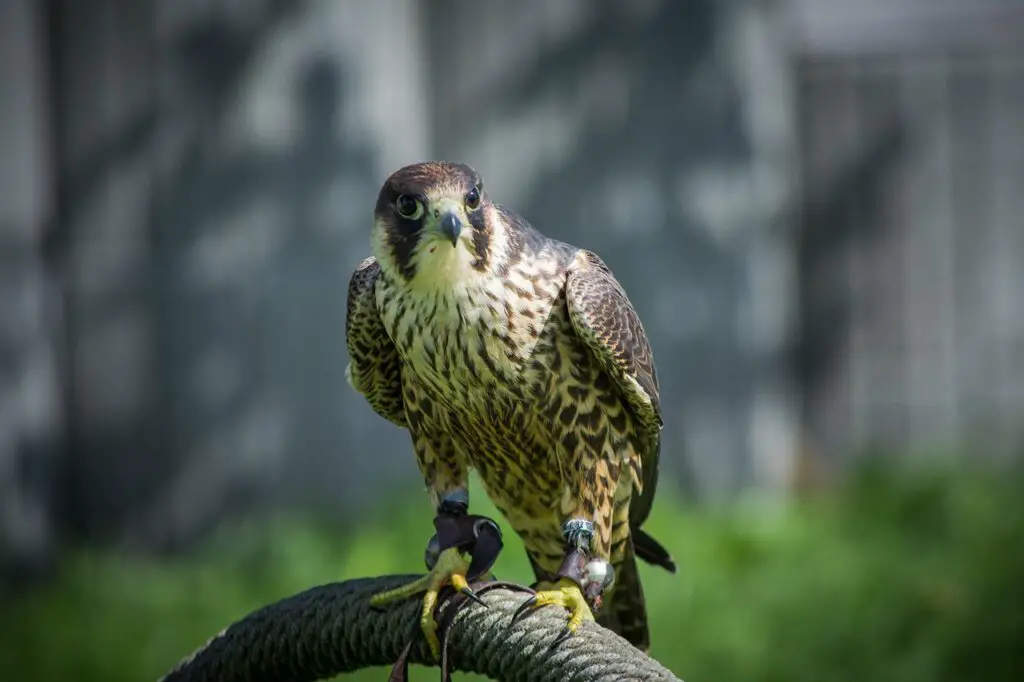
Falcon Grooming Tools and Supplies
Grooming a Peregrine falcon requires specialized tools to maintain their feathers, talons, and overall health. Here’s a list of essential grooming tools for grooming a Peregrine falcon:
- Gloves: Protective gloves made from leather or kevlar to handle the Peregrine falcon safely and securely.
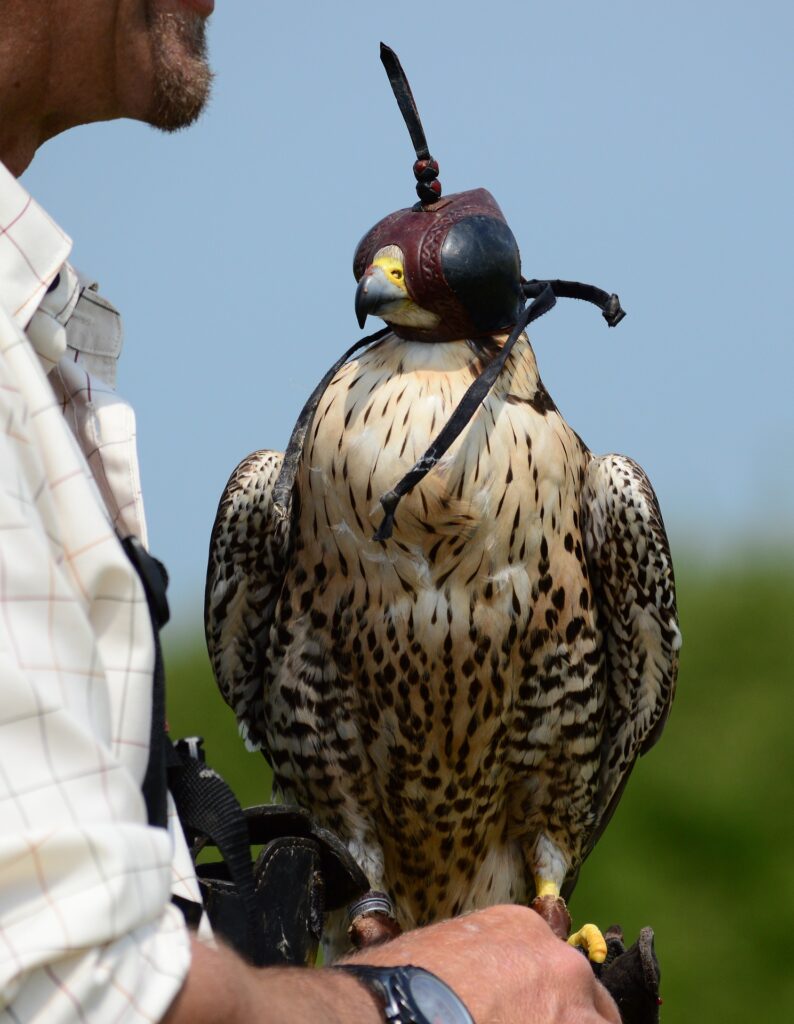
- Hood: A leather hood used to calm and restrain the Peregrine falcon during grooming sessions.
- Leather Jesses: Soft leather straps attached to the Peregrine falcon’s legs for handling, training, and tethering.
- Scissors: Small, sharp scissors designed for trimming feathers and nails without causing harm to the bird.
- Nail Clippers: Clippers specifically designed for bird talons to safely trim the Peregrine falcon’s nails.
- Feather Shears: Specialized scissors for trimming flight and tail feathers, ensuring they are kept in optimal condition.
- Feather Conditioner: A spray or liquid solution to condition and maintain the quality of the Peregrine falcon’s feathers, promoting healthy feather growth.
- Bath Pan: A shallow pan filled with lukewarm water for the Peregrine falcon to bathe and clean itself.
Creating a Safe and Comfortable Grooming Environment
Creating a safe and comfortable grooming environment for your bird is important. Falcons are sensitive creatures, so providing them with a calm and secure space for grooming is important. I choose a quiet room or outdoor area away from loud noises and other animals to keep my bird relaxed during grooming. Ensure the temperature is moderate, as extreme heat or cold can stress out your bird.
When preparing the grooming area, lay down a soft towel or mat for your falcon to stand on comfortably. Clear the space of potential hazards or sharp objects that could harm your bird. Keep the grooming tools organized and within arm’s reach to avoid any sudden movements that might startle your falcon.
Step-by-Step Grooming Process for a Peregrine Falcon
Preparing for a successful grooming session with your Peregrine Falcon involves establishing a quiet, distraction-free environment that fosters relaxation and trust between you and your majestic bird. Here is a step-by-step guide to grooming your Peregrine Falcon:
Step 1: Secure the Falcon
- Carefully handle the Peregrine falcon and gently place the leather hood over its head to calm and restrain it.
- Attach the leather jesses securely to the falcon’s legs to maintain control and stability during grooming.
Step 2: Check the Feathers
- Inspect the falcon’s feathers for any signs of damage, wear, or abnormalities.
- Use feather shears to trim any damaged or overgrown flight feathers, ensuring a clean cut without causing pain or discomfort to the bird.
- Apply feather conditioner to maintain the quality of the feathers and promote healthy growth.

Step 3: Trim the Talons
- Gently hold the Peregrine falcon’s foot and extend the talons for inspection.
- Use specialized nail clippers to trim the talons carefully, avoiding the quick (the blood vessel inside the talon).
- Ensure the talons are trimmed to a safe length to prevent injury to the bird and yourself.
Step 4: Bathing (Optional)
- Prepare a shallow pan filled with lukewarm water for the Peregrine falcon to bathe.
- Allow the falcon to bathe and clean itself, which helps maintain its feathers and skin health.
- After bathing, gently dry the Peregrine falcon with a soft towel or you can allow it to air dry in a warm, draft-free environment.
Skin and Beak Care for Falcons
After ensuring your Peregrine Falcon’s feathers are well-maintained, attention to its skin and beak is vital for overall health and grooming. Proper care of a falcon’s skin and beak contributes to their well-being and ability to hunt effectively. Here are some key aspects to keep in mind:
- Beak Hygiene: Regularly check the beak for any signs of damage or overgrowth. Trimming may be necessary to ensure the beak remains at an appropriate length for hunting and feeding.
- Skin Condition: Inspect the skin for any abnormalities such as dryness, redness, or lesions. Maintaining healthy skin is essential for a falcon’s overall health and comfort.
- Moisturizing: I use specialized moisturizers or oils to keep their skin hydrated and prevent dryness. This helps maintain the falcon’s natural protective barrier and promotes a glossy, healthy appearance.
Feather Inspection and Maintenance Tips
It’s essential to consistently inspect and maintain your Peregrine Falcon’s feathers between grooming sessions. Here are some tips for keeping their feathers in top condition:
- Feather Quality: Check the overall health of the feathers, including color, alignment, and texture. Any changes could indicate a potential issue that requires attention.
- Molting: Falcons molt once a year, and it’s essential to provide them with a healthy diet during this time to support feather regrowth.
- Feather Care: Use a soft brush to clean any debris or dirt from your falcon’s feathers. This helps remove any build-up that could cause irritation or prevent proper preening.
| Feather Inspection | Feather Maintenance |
| Check for signs of wear and tear | Gently preen and clean feathers |
| Look for parasites or debris | Provide a balanced diet for healthy feather growth |
| Assess feather alignment | Trim any damaged feathers carefully |
| Monitor feather condition over time | Ensure proper moulting cycle |
Falcon Handling and Restraint Techniques for Grooming
Handling and restraint are essential skills to master when grooming a Peregrine Falcon. Proper handling techniques reduce stress and establish trust between you and your bird. Here are some key points to remember:
- Approach with Confidence: Falcons respond well to a calm and confident handler. Approach the bird slowly and confidently to establish trust and minimize stress.
- Proper Restraint: Utilize appropriate falconry gloves and equipment to restrain the falcon during grooming sessions safely. This guarantees both your safety and the bird’s comfort.
- Gentle Touch: When handling a Peregrine Falcon, always maintain a gentle touch. Avoid making any sudden movements or even loud noises that could startle the bird. Building a positive relationship through gentle handling is essential for successful grooming sessions.
Common Mistakes to Avoid When Grooming a Peregrine Falcon
When grooming a Peregrine Falcon, it is crucial to avoid any mistakes that can impact the bird’s well-being and grooming process. Here are some common mistakes to avoid:
- Improper Handling: Mishandling the Peregrine falcon can lead to stress, injuries, or escape. Always handle the bird with care and confidence, using proper falconry techniques.
- Incorrect Use of Tools: Using grooming tools improperly can cause injuries to the bird. Ensure you are familiar with each tool’s correct usage and always use them carefully and gently.
- Over-trimming Feathers: Trimming feathers too short can affect the Peregrine falcon’s flight and balance. Always trim feathers conservatively, ensuring they are not cut too close to the feather shaft.
- Trimming Talons Incorrectly: Cutting the talons too short can cause bleeding and severe pain to the bird. Trim the talons carefully, avoiding the quick (blood vessel inside the talon), and consult with experienced falconers if unsure.
- Not Using a Hood: Neglecting to use a hood during grooming can increase stress and make the grooming process more challenging. A hood helps calm and restrain the falcon, making grooming safer and more comfortable for both the bird and the handler.
- Skipping Regular Check-ups: Neglecting regular grooming and health check-ups can lead to overlooked issues or health problems. Establish a routine grooming schedule and monitor the Peregrine falcon’s health regularly.
- Ignoring Signs of Stress or Discomfort: Not paying attention to the Peregrine falcon’s body language and signs of stress can lead to injuries or mishaps. Always be observant and responsive to the bird’s behavior during grooming.
- Inadequate Preparation: Properly preparing the grooming area and tools can lead to accidents or contamination. Ensure the grooming area is clean, organized, free from distractions, and with all tools within easy reach.
- Using Incorrect Products: Using unsuitable or harmful grooming products can irritate the Peregrine falcon’s skin and feathers. Always use high-quality, avian-safe grooming products recommended for falcons.
- Not Seeking Professional Guidance: Grooming a Peregrine falcon without proper knowledge or experience can be risky. If you are new to falconry or grooming, seek guidance from experienced falconers or avian veterinarians to ensure you are following the correct techniques and practices.
Grooming a Peregrine Falcon is a crucial aspect of falconry that requires patience, care, and proper techniques. Regular grooming not only keeps your bird looking its best but also promotes their physical and mental well-being. Following these tips and avoiding common mistakes discussed in this guide ensures your falcon remains healthy, comfortable, and ready for successful hunting and flight.
Frequently Asked Questions
How Often Should I Groom My Peregrine Falcon?
- I groom my peregrine falcon every 4-6 weeks. Regular grooming helps maintain its health and appearance, ensuring its feathers are in peak condition for flying and hunting. Consistent care is key to a happy falcon.
Can I Use Human Grooming Products on My Falcon?
- I wouldn’t recommend using human grooming products on a falcon. Birds have skin and feather needs that are different from those of humans.
What Signs Indicate That My Falcon Needs Grooming?
- Signs include ruffled feathers, excessive molting, or visible dirt.
How Do I Prevent My Falcon From Getting Stressed During Grooming?
- To prevent stress during grooming, make sure to handle the bird with confidence and gentleness.