
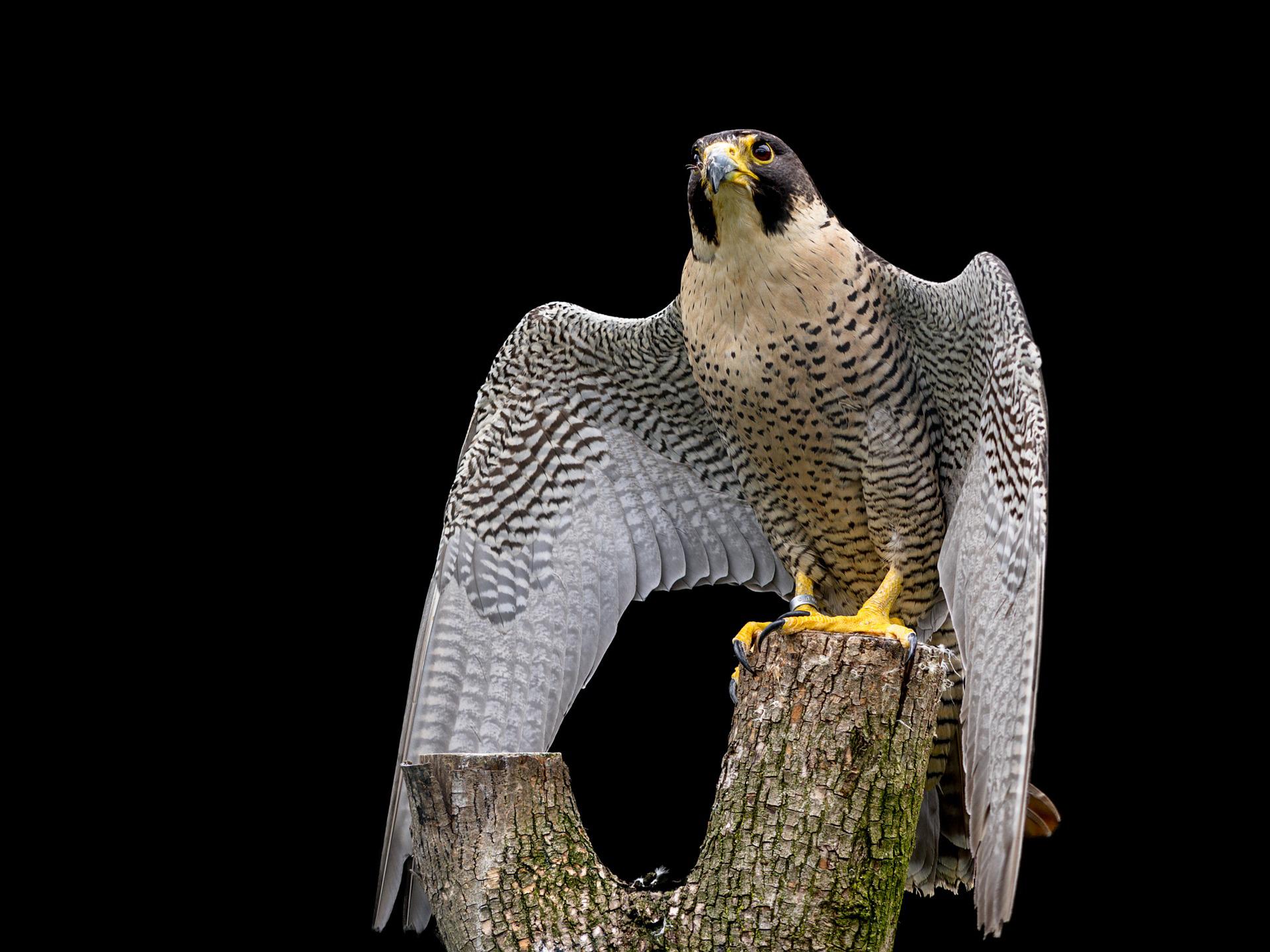
Breeding a peregrine falcon is no walk in the park. If you want to reproduce chicks that are healthy, strong, and genetically fit, you need to take the selection of your breeding pair seriously. This task requires a combination of knowledge, experience, and patience. When I bred my first peregrine falcon pair, I had to learn many things the hard way. To make sure you don’t have to go through the same thing, here are some tips on how to choose the perfect breeding pair for your peregrine falcons!
Importance of Selecting the Right Breeding Pair
When it comes to selecting the right breeding pair of peregrine falcons, there is no one-size-fits-all approach. Each falcon has its unique set of qualities and characteristics that make them suitable for different breeding purposes. However, some general guidelines can help you in your selection process:
- Observe Multiple Pairs: Before deciding on a specific pair, it is crucial to observe multiple pairs of peregrine falcons. This will give you a better understanding of their behaviors and compatibility.
- Consider Age: Choosing birds that are at least two years old can ensure they have reached sexual maturity and have higher chances of successful breeding.
- Assess Health: It is essential to examine the overall health of both birds before selecting them as a breeding pair. This can include physical examinations, blood tests, and genetic testing.
- Monitor Interactions: Pay attention to how the birds interact with each other and their surroundings, as this can give you insight into their behavioral compatibility.
- Consult an Expert: If you are new to breeding peregrine falcons, it is always helpful to seek advice from an experienced falconer or avian veterinarian.
Genetic Considerations
Genetics plays a significant role in determining the health and success of the offspring. By understanding the genetic makeup of the potential breeding pair, we can predict the likelihood of genetic diseases, deformities, or other undesirable traits being passed on to the offspring.
I recommend conducting thorough genetic testing on both falcons to make sure they don’t possess any harmful genetic mutations that could be harmful to their young. It’s crucial to look for diversity in the gene pool to increase the chances of producing robust and healthy chicks.
Genetic compatibility also influences the behavior and adaptability of the offspring. Birds with compatible genetics are more likely to have similar instincts and behavioral traits, which can contribute to successful parenting and hunting skills in their young.
Physical Attributes
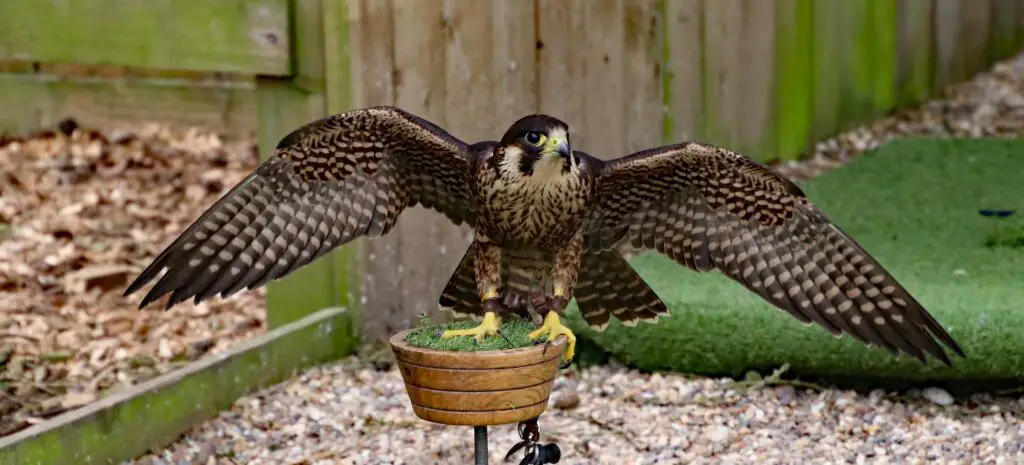
When selecting a pair, it’s important to assess their size, as females are typically larger than males. Ideal health indicators include bright, clear eyes, shiny feathers, and well-groomed talons. A strong beak and robust feet are also signs of good physical condition.
Feather quality is another key aspect to evaluate, as it indicates overall health and nutritional status. Look for sleek, well-aligned feathers without signs of damage or molting issues. The wings should be symmetrical, and the tail feathers should be in good condition, as these are essential for flight and hunting prowess.
Closely observe the birds in motion to assess their agility, balance, and speed. These are critical factors that can impact their ability to hunt and rear offspring successfully.
Behavioral Assessment
To assess the behavioral compatibility of potential peregrine falcon breeding pairs, observe their interactions and communication patterns closely. Understanding how the falcons interact can provide valuable insights into their dynamic as a pair. I always look for behaviors like mutual preening, coordinated hunting, and vocalizations that indicate a strong bond. Pay attention to how they share space and resources, as this can reflect their ability to cooperate in raising offspring.
Observe how the falcons respond to stressful situations together. Do they support each other or show signs of aggression? A compatible pair will often comfort one another and work as a team to overcome challenges. Take note of any aggressive or dominant behaviors that could indicate potential issues in the future.

Compatibility Evaluation
When evaluating compatibility, it’s important to observe how the falcons interact with each other. Positive signs include mutual grooming, vocalizations, and coordinated hunting behaviors. These behaviors indicate a strong bond and potential for successful breeding.
Monitoring the communication patterns between the pair is essential. Peregrine falcons communicate through various vocalizations, body language, and displays. A compatible pair will demonstrate effective communication, showing understanding and cooperation with each other.
Compatibility evaluation also involves observing how the falcons handle conflicts. Disagreements are natural, but it’s important to make sure that conflicts are resolved peacefully and without causing harm. A strong breeding pair will work through disagreements constructively, maintaining a healthy and harmonious relationship.
Health and Disease Screening
When evaluating peregrine falcon breeding pairs, an important aspect to prioritize is conducting thorough health and disease screening checks. Guaranteeing the potential breeding pair’s health is essential for successful reproduction and offspring wellbeing.
Here’s what I look for during the health and disease screening process:
- Veterinary Examination: Schedule a detailed check-up with a qualified avian veterinarian to assess overall health.
- Blood Tests: Perform blood tests to check for any underlying health issues and ensure the falcons are in top condition.
- Fecal Analysis: Examination of fecal samples can reveal parasitic infections or digestive issues that may affect breeding success.
- Genetic Testing: Explore genetic testing to identify any hereditary diseases that could be passed on to offspring.
- Vaccination Status: Confirm that the falcons are up to date on vaccinations to prevent the spread of infectious diseases within the breeding pair and to their young.
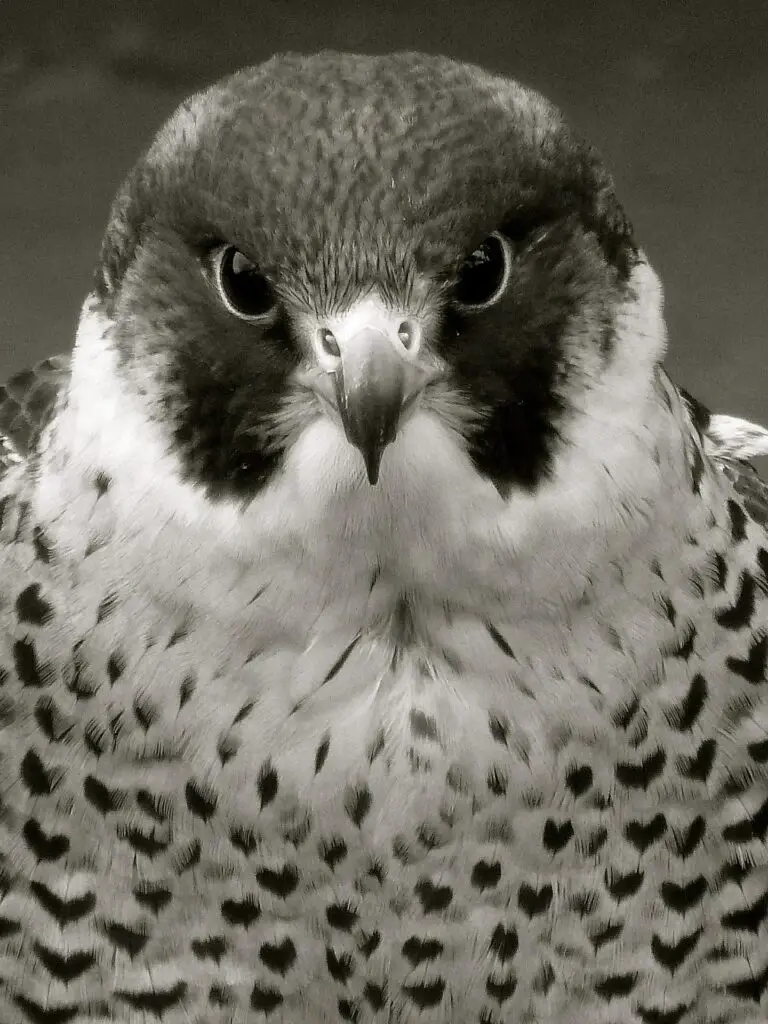
Selecting a compatible breeding pair is essential for successful peregrine falcon reproduction. It involves assessing physical attributes, behavior patterns, and compatibility and conducting thorough health and disease screenings. By carefully evaluating these factors, you can increase the chances of producing healthy offspring and contribute to the conservation efforts of this magnificent bird species.
Frequently Asked Questions
Can peregrine falcons breed in captivity?
- Yes, peregrine falcons can breed successfully in captivity with proper care and management.
What is the ideal age for breeding peregrine falcons?
- Peregrine falcons reach sexual maturity at around two years of age, so this is typically the recommended age for breeding.
Do peregrine falcons mate for life?
- While some pairs may remain together throughout their lives, peregrine falcons do not necessarily mate for life and can switch partners if necessary.
What should I feed my breeding pair of peregrine falcons?
- A healthy and balanced diet is crucial for breeding success. Peregrine falcons should eat a diet consisting of high-quality protein sources, such as quail or pigeons.
How often do peregrine falcons breed?
- Peregrine falcons typically breed once a year during the breeding season, which varies depending on geographic location. In North America, it usually occurs between March and May.