
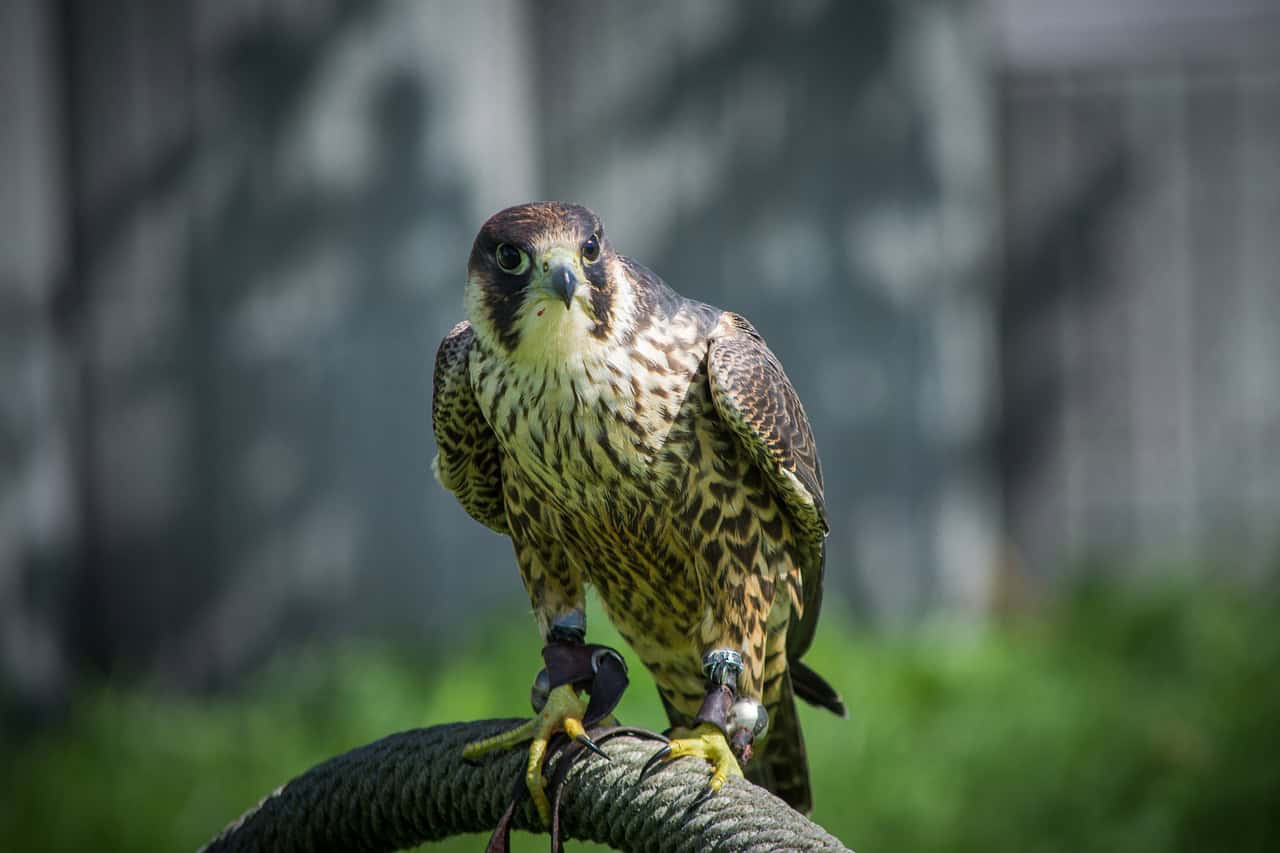
In my experience, indoor and outdoor training play crucial roles in developing a peregrine falcon. Indoor training offers focus and consistency, aiding in skill progression regardless of weather. It allows close observation for immediate feedback and targeted teaching. However, outdoor training is where the falcon thrives, honing instincts, speed, and agility in natural elements. While external factors can complicate outdoor sessions, balancing the two environments yields holistic growth. Combining indoor precision and outdoor freedom is key to a well-rounded peregrine falcon training regimen.
Environmental Factors to Consider
Environmental factors are important when deciding whether indoor or outdoor training is best for a peregrine falcon. Peregrine falcons thrive in diverse environments, so it’s important to consider their natural habitat when considering training options.
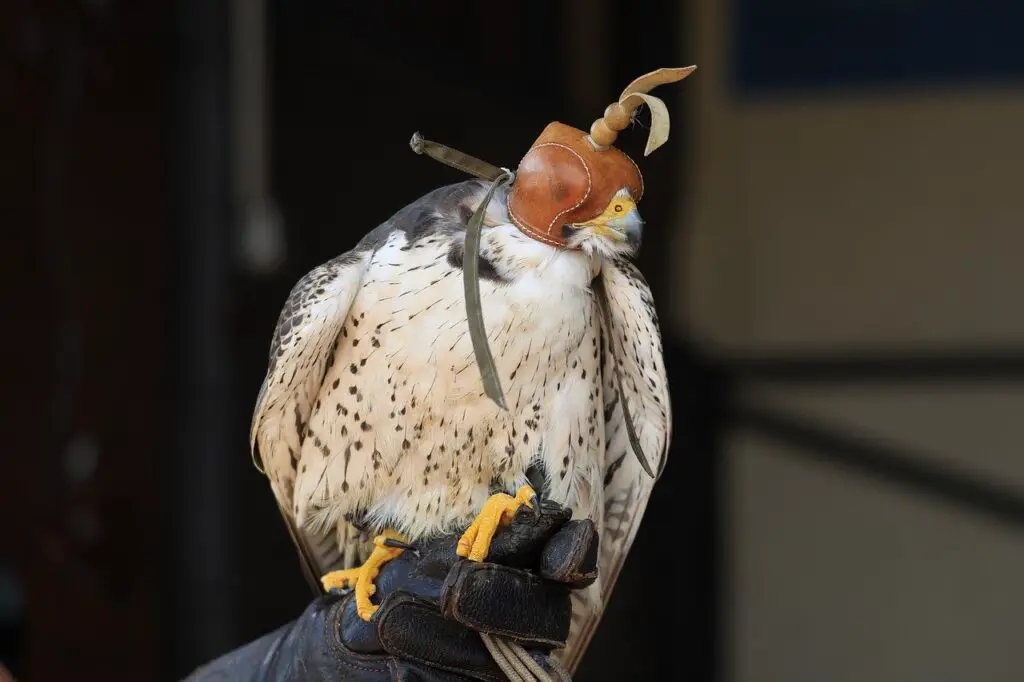
Outdoor training allows falcons to experience real-life situations, like varying weather conditions and natural prey, which are essential for their development. The open skies provide ample space for the falcon to soar and strengthen its wings, a critical aspect of falcon training. Exposure to outdoor elements can help the falcon adapt and build resilience.
On the other hand, indoor training provides a controlled environment where distractions are minimized, making it easier to focus on specific training tasks. Indoor settings can benefit the initial training stages, where the falcon learns basic commands and behaviors. They also ensure the safety and security of the falcon during training sessions. However, it’s important to balance indoor and outdoor training to offer a holistic training experience that considers both environmental factors and the falcon’s well-being.
Benefits of Indoor Training
Indoor training offers a conducive environment for focused learning and skill development essential for the growth of a peregrine falcon. In an indoor setting, distractions are minimized, allowing the falcon to concentrate fully on the training tasks. This focused environment is perfect for teaching the bird new behaviors, whether mastering flight techniques or practicing hunting strategies. Indoor training also provides a controlled space where weather conditions won’t interfere with the training schedule, ensuring consistent progress.
One significant benefit of indoor training is the ability to monitor the falcon’s progress closely. In an indoor facility, trainers can observe the bird’s behaviors up close, allowing immediate feedback and adjustments to the training regimen. This level of supervision is important for addressing any issues promptly and ensuring that the falcon is developing the necessary skills effectively.
Challenges of Indoor Training
Indoor training of peregrine falcons presents several challenges due to the unique nature of these birds and the environment in which they are being trained. Here are some of the challenges:
- Limited Space: Indoor spaces often restrict the movement of peregrine falcons, known for their high-speed flight and aerial agility. This limited space can hinder their natural behaviors and flight exercises.
- Safety Concerns: Indoor environments may contain hazards such as windows, mirrors, and other obstacles that risk the falcon’s safety during flight training.
- Lack of Natural Stimuli: Indoor settings lack the natural stimuli and environmental cues that peregrine falcons encounter in the wild. This can make it challenging to simulate real-world hunting scenarios and behaviors.
- Regulation and Permits: Training birds of prey indoors may require specific permits and adherence to regulations to ensure animal welfare and conservation compliance.
- Environmental Control: Maintaining appropriate temperature, humidity, and lighting conditions indoors to mimic natural environments can be challenging and costly.
- Limited Hunting Opportunities: Indoor training may limit opportunities for the falcons to practice hunting and prey capture skills, which are essential for their survival in the wild.
- Behavioral Adaptation: Peregrine falcons are wild birds with specific behaviors and instincts. Adapting them to indoor training environments without causing stress or behavioral issues can be challenging.
- Equipment Limitations: Indoor training may require specialized equipment to facilitate flight exercises, such as perches, lures, and training aids. Ensuring that the equipment is safe and effective for the falcons is crucial.
Advantages of Outdoor Training
Outdoor training of peregrine falcons offers several advantages that align with their natural behaviors, needs, and environmental requirements. Here are some of the advantages of outdoor training:
- Natural Environment: Outdoor training allows peregrine falcons to experience and interact with their natural environment, providing them with essential stimuli, challenges, and opportunities to exhibit their natural behaviors.
- Flight Conditioning: Outdoor spaces offer ample room for peregrine falcons to practice and refine their flight skills, including high-speed dives, aerial maneuvers, and hunting techniques, which are vital for survival in the wild.
- Environmental Adaptation: Training outdoors helps peregrine falcons adapt to various weather conditions, wind patterns, and lighting conditions, preparing them for real-world hunting scenarios and environmental challenges.
- Behavioral Enrichment: Outdoor training provides enrichment opportunities through exposure to natural sights, sounds, and stimuli, promoting mental stimulation, curiosity, and engagement in the falcon’s daily activities.
- Hunting Opportunities: Outdoor training allows peregrine falcons to practice hunting and prey capture skills naturally, enabling them to develop and refine their hunting techniques, target recognition, and pursuit strategies.
- Physical Fitness: Outdoor training contributes to the physical fitness and health of peregrine falcons by encouraging natural flight exercises, physical activity, and muscle development, which are essential for their overall well-being and vitality.
- Social Interaction: Outdoor training can facilitate social interaction and bonding opportunities with other birds of prey, fostering social skills, communication, and natural behaviors among peregrine falcons.
- Stimulus Variation: Outdoor environments offer various stimuli, including natural prey, environmental cues, and sensory experiences, providing diverse learning opportunities and challenges for peregrine falcons.
Limitations of Outdoor Training
While outdoor training offers numerous advantages for a peregrine falcon, it also has limitations that must be carefully considered.
- Weather Dependency: Outdoor training is heavily reliant on weather conditions. Adverse weather, such as strong winds or heavy rain, can disrupt training sessions and hinder the falcon’s progress.
- Distractions: The outdoor environment can present various distractions for a peregrine falcon. Other birds, animals, or human activities can divert the falcon’s attention away from training tasks, making it harder to maintain focus.
- Limited Control: Unlike indoor training settings, outdoor environments offer less control over external factors. This lack of control can introduce unpredictability into training sessions, potentially impacting the falcon’s learning consistency and overall performance.
- Environmental Disturbances: Outdoor training can be disrupted by environmental disturbances such as noise pollution, human interference, and natural events like storms or wildfires, impacting the falcon’s training progress and well-being.
- Behavioral Challenges: Peregrine falcons are wild birds with instinctual behaviors and reactions. Adapting to outdoor training environments while managing instincts, territorial behaviors, and potential aggression can be challenging.
This is why indoor and outdoor training have advantages and limitations regarding peregrine falcon training. Ultimately, it is essential to strike a balance between the two methods and adapt training techniques to best suit the falcon’s individual needs.