
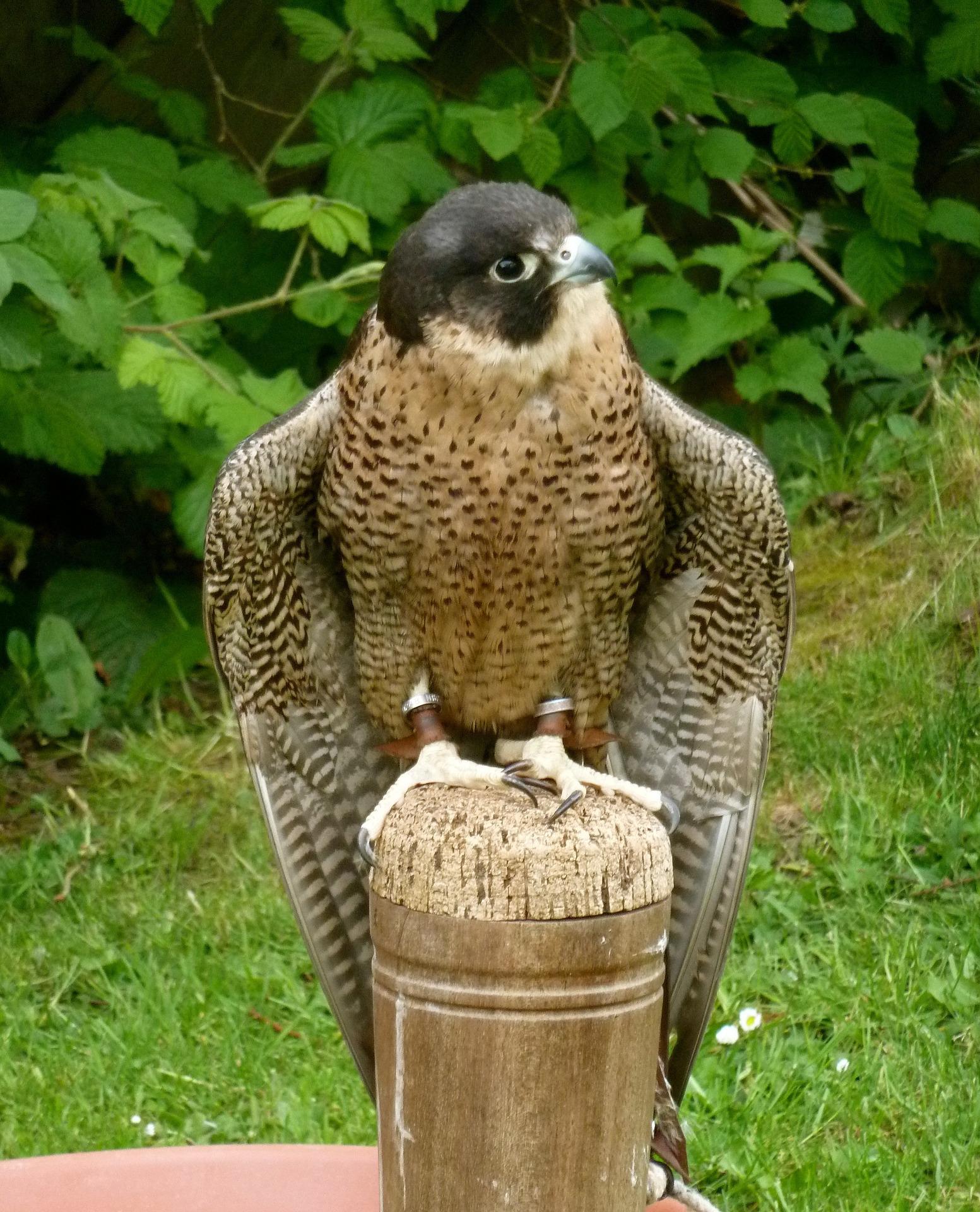
As a falconer, I know firsthand that peregrine falcons live around 12 to 15 years in the wild. Whereas, I’ve seen some cases where these birds have lived up to 25years in captivity. But, have you ever wondered what contributes to the lifespan of these magnificent creatures?
Average Lifespan in the Wild
According to research, the average lifespan of a peregrine falcon in the wild is approximately 12-15 years. However, this can vary depending on various factors such as geographic location, availability of food sources, and environmental conditions. In regions with harsher climates or limited prey, peregrine falcons may have shorter lifespans due to increased competition for resources.
Captivity vs. Wild
One of the main reasons why peregrine falcons tend to live longer in captivity is due to the controlled environment and availability of food sources. In the wild, these birds face numerous challenges such as predation, territorial disputes, and limited access to prey. On the other hand, captive peregrine falcons have access to a steady supply of food, protection from predators, and veterinary care.
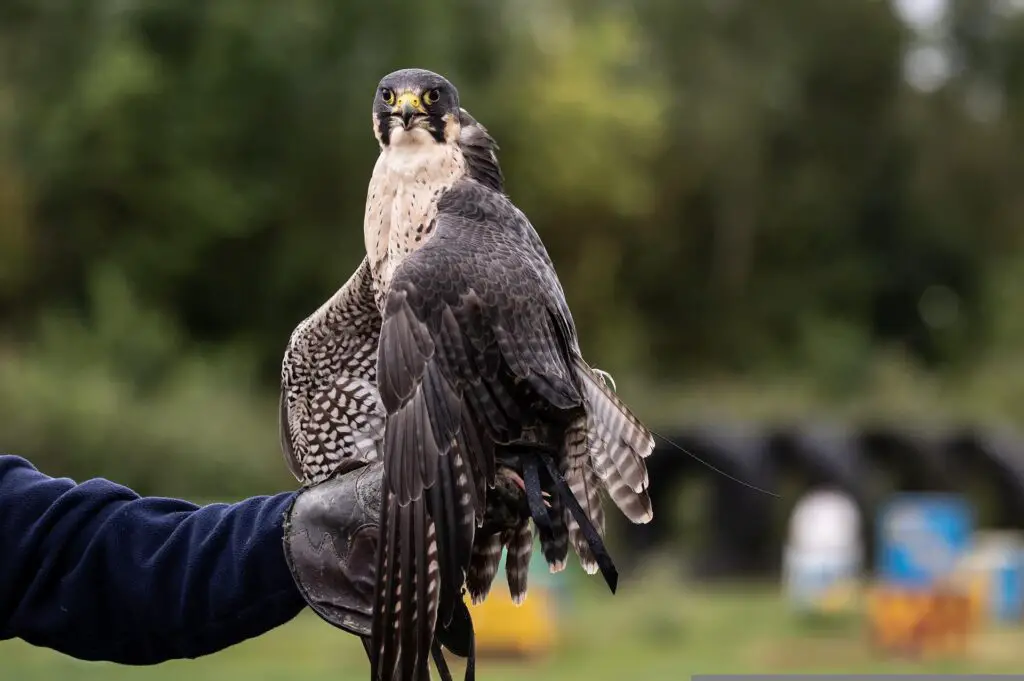
Factors Influencing the Lifespan of Captive Peregrine Falcons
The lifespan of captive peregrine falcons can be influenced by various factors, including:
- Genetics: The genetic background of the individual bird can play a significant role in determining its lifespan. Birds with strong genetic health and vitality are more likely to live longer.
- Nutrition: Proper nutrition is essential for maintaining the health and longevity of captive peregrine falcons. A balanced diet that mimics their natural prey, such as pigeons or quail, is crucial. Malnutrition or deficiencies can lead to health problems and reduced lifespan.
- Housing and Environment: The quality of the falcon’s housing and environment can affect its lifespan. Adequate space, proper ventilation, and environmental enrichment are important for physical and mental well-being. Stressors such as overcrowding, loud noises, or exposure to harmful chemicals can negatively impact lifespan.
- Veterinary Care: Regular veterinary check-ups and prompt treatment of any health issues are essential for maximizing the lifespan of captive peregrine falcons. Preventive measures such as vaccinations and parasite control also play a role in ensuring their health and longevity.
- Exercise and Enrichment: Providing opportunities for exercise and mental stimulation is crucial for captive peregrine falcons. Enclosures should allow for flight and hunting behaviors, as well as enrichment activities such as toys and perches. Opportunities for social interaction can help prevent boredom and improve overall well-being.
- Breeding Practices: Breeding practices can influence the health and genetic diversity of captive peregrine falcons. Responsible breeding programs aim to maintain genetic diversity and avoid inbreeding, which can help produce healthier birds with longer lifespans.
- Stress: Minimizing stressors in the captive environment is important for the well-being and longevity of peregrine falcons. Stress can weaken the immune system and make birds more susceptible to disease and other health problems, ultimately shortening their lifespan.
- Human Interaction: Positive human interaction, such as training for falconry or educational programs, can contribute to the overall well-being of captive peregrine falcons. However, improper handling or excessive stress from human contact can have negative consequences on their health and lifespan.
By addressing these factors and providing optimal care, captive peregrine falcons can live longer, healthier lives in captivity.
Lifespan in Captivity Vs. Wild
While captive peregrine falcons may have longer lifespans, it is important to note that their quality of life and natural behaviors may be compromised. In the wild, these birds have the freedom to hunt, fly, and interact with other falcons in their natural habitat. Captive peregrine falcons may not have the same opportunities for exercise, socialization, or natural behaviors.
- Predation and Environmental Hazards: In the wild, peregrine falcons face numerous threats, such as predation by larger birds of prey, accidents during hunting or migration, and exposure to environmental hazards like severe weather conditions. These risks can significantly reduce their lifespan compared to captive individuals, where such threats are minimized or eliminated.
- Access to Food: Peregrine falcons in captivity are provided with a steady and reliable source of food, often in the form of whole prey items such as quail or pigeons. In contrast, wild peregrines must actively hunt for their food, which can be challenging and unpredictable. Availability of prey and competition with other predators can affect their ability to secure enough food for survival and may impact their lifespan.
- Medical Care and Disease: Captive peregrine falcons typically receive regular veterinary care and are monitored for any signs of illness or disease. In contrast, wild birds may not have access to medical intervention when they become sick or injured, making them more vulnerable to the negative effects of diseases and injuries on their lifespan.
- Human Interference: Human activities, such as habitat destruction, pollution, and accidental encounters with man-made structures like buildings or power lines, can pose significant threats to wild peregrine falcons. In captivity, these risks are generally minimized, providing a safer environment for the birds.
- Reproductive Success: While captive breeding programs can contribute to the conservation of peregrine falcons, the reproductive success of wild individuals may vary due to factors such as habitat quality, availability of suitable nesting sites, and competition with other birds for resources. Successful breeding can impact the overall population dynamics and lifespan of wild peregrine falcons.

Conservation Efforts and Lifespan
Peregrine falcons were once on the brink of extinction due to pesticides and other human activities. However, thanks to conservation efforts such as banning harmful chemicals and implementing captive breeding programs, their populations have recovered in many regions. These conservation efforts have also contributed to increasing the lifespan of these birds by protecting them from environmental hazards and providing medical care when needed.
As we continue to learn more about the needs and behaviors of peregrine falcons in captivity, we can further improve their care and help ensure their survival for future generations. By providing a suitable environment, proper nutrition, veterinary care, and opportunities for natural behaviors, captive peregrine falcons can live long and healthy lives while contributing to conservation efforts. It is our responsibility to ensure that these birds continue to thrive in captivity and the wild. With proper care and conservation efforts, we can help maximize the lifespan of peregrine falcons for years to come.
Peregrine falcons are fascinating birds with incredible speed, agility, and adaptability. In captivity, they require specialized care to thrive and live longer lives compared to their wild counterparts. By addressing factors such as nutrition, medical care, exercise and enrichment opportunities, breeding practices, stress management, and human interaction, we can help ensure the well-being and longevity of captive peregrine falcons.