
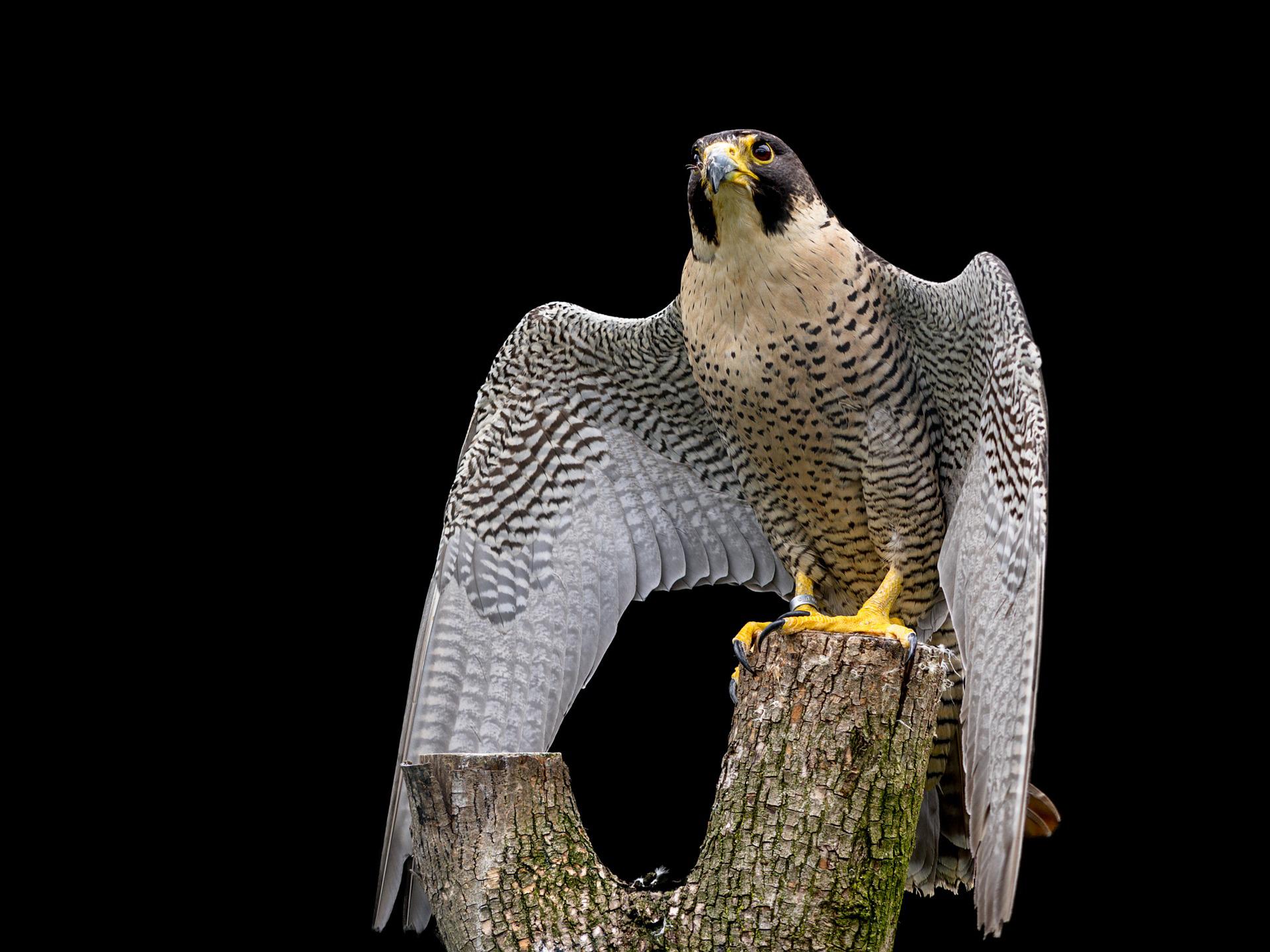
The nesting season for captive peregrine falcons is usually between late winter and early spring. This is the time when these birds of prey begin preparing for their annual breeding and nesting cycle. Here I’ll discuss the nesting behavior of captive peregrine falcons and what steps can be taken to ensure a successful nesting season.
Nesting Behavior
Captive peregrine falcons follow similar nesting behaviors as their wild counterparts. They usually select a high, protected location for their nest, such as a cliff or tall building. In captivity, this can be simulated with
Courtship
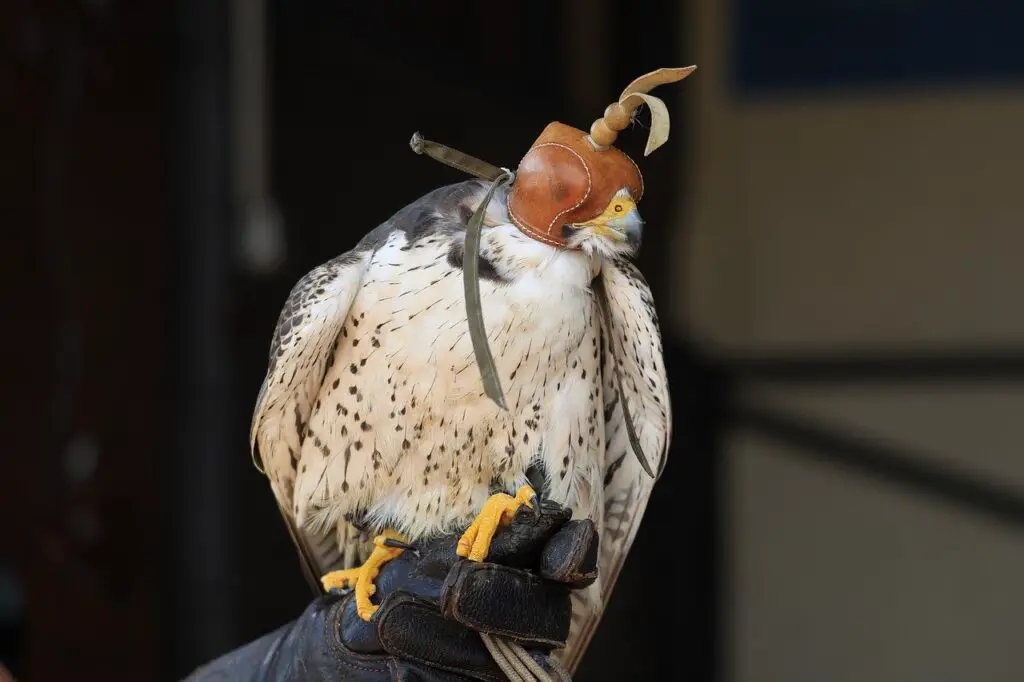
One of the first signs of the nesting season for captive peregrine falcons is courtship behavior. Male and female falcons will perform aerial displays and vocalize to each other, establishing their bond and preparing for breeding. It’s important to provide a suitable mate for captive birds in order to stimulate this courtship behavior.
Nesting Material
Once the pair has bonded, they will begin constructing their nest. In captivity, this can be done by providing branches, straws, and other suitable nesting material. It’s important to regularly check and replace the nesting material as needed, ensuring a clean and safe environment for the falcons.
When do peregrine falcons breed
Peregrine falcons typically breed in the spring months. This period, characterized by longer daylight hours and increasing temperatures, triggers hormonal changes in these birds, signaling the start of their breeding activities.
Peregrine falcons are monogamous birds, forming strong pair bonds that often last a lifetime. When the breeding season approaches, these pairs engage in elaborate courtship displays, which involve acrobatic aerial pursuits and vocalizations to reinforce their bond.
The female falcon lays a clutch of eggs, usually numbering 2 to 4, which both parents take turns incubating for about a month. This shared responsibility highlights the strong partnership between the male and female falcon.
When do peregrine falcons lay their eggs
Egg-laying typically occurs within a specific timeframe following the successful copulation phase. After the female peregrine falcon has mated with the male and fertilization has taken place, she’ll start preparing for egg-laying. This process usually happens around late March to early April, although it can vary depending on the geographic location and environmental conditions.
The female peregrine falcon typically lays a clutch of 3 to 4 eggs, with each egg being laid approximately every other day. The incubation period, which starts once the last egg is laid, lasts for about 29 to 32 days.
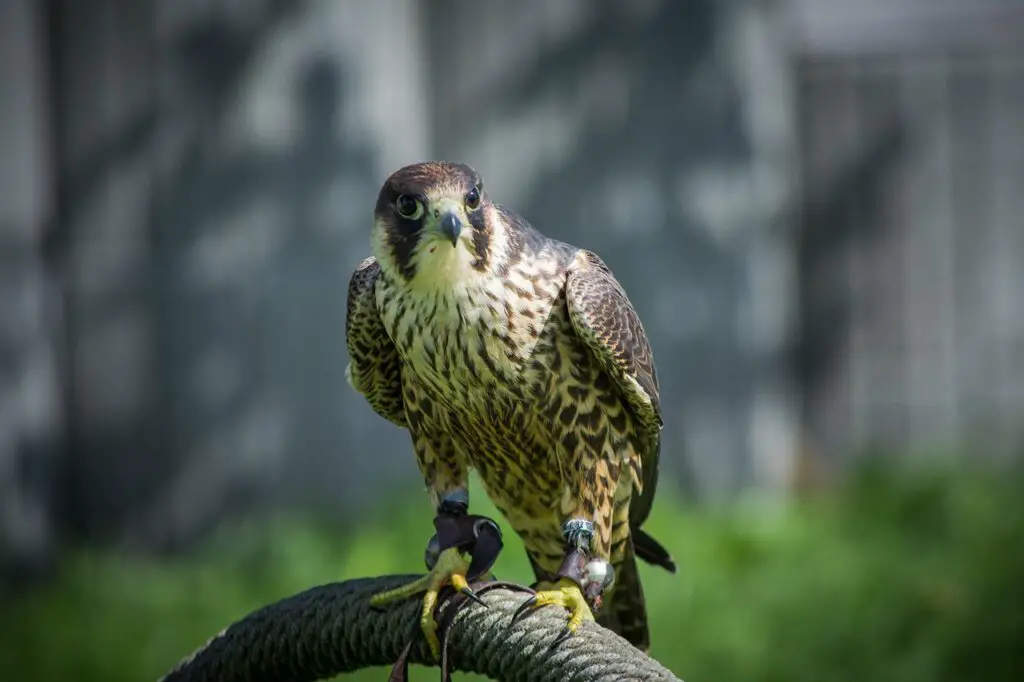
In conclusion, the nesting season for captive peregrine falcons is an exciting time that requires careful planning and management. Providing a suitable environment, mate selection, and monitoring the courtship and breeding behaviors are crucial for a successful nesting season.
Frequently Asked Questions
How Long Does the Peregrine Falcon Nesting Season Typically Last?
- The nesting season for captive peregrine falcons usually lasts from late winter to early spring, with the actual breeding and egg-laying process taking place in the spring months.
Do Peregrine Falcons Need Special Nesting Material?
- In captivity, it’s important to provide suitable nesting material for peregrine falcons, such as branches and straws. This helps simulate their natural nesting behavior and ensures a clean and safe environment for the birds.
How Many Eggs Does a Typical Peregrine Falcon Clutch Consist Of?
- Typically, a peregrine falcon clutch consists of 3 to 4 eggs.