
When I think of the Peregrine falcon, I envision the embodiment of speed and grace. This extraordinary bird, known for its breathtaking dives and agile flight, has captivated falconers for centuries. Having owned a few Peregrines over the years, I can attest to their intelligence, loyalty, and adaptability.
Its remarkable intelligence and adaptability make it an ideal partner in the field. Falconers appreciate the Peregrine not just for its incredible speed—reaching over 240 mph during stoops—but also for its ability to bond with humans.
In falconry, this bird represents a unique blend of tradition and respect for nature. Engaging with a Peregrine falcon enriches our understanding of wildlife and deepens our commitment to conservation and service.
Biology and Natural History of Peregrine Falcons
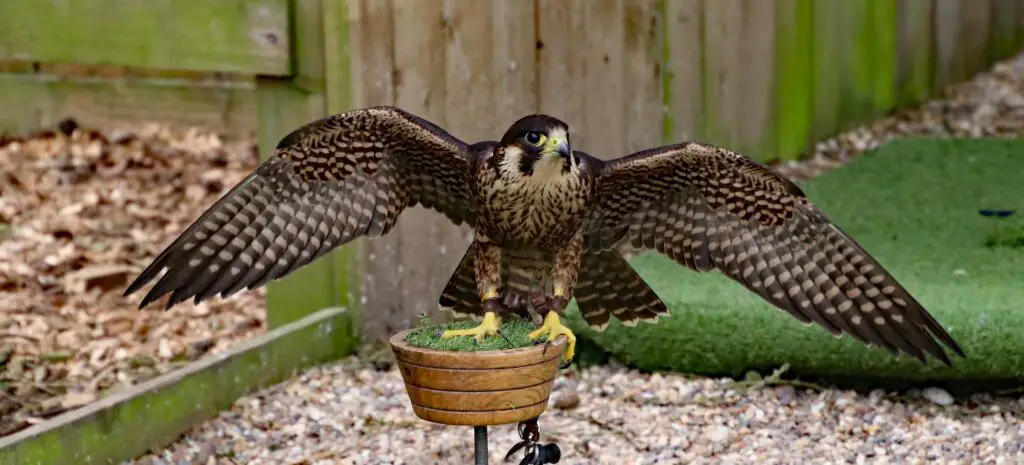
The Peregrine falcon is a medium-sized bird of prey. It has a wingspan of about 3 feet and weighs between 1 to 3 pounds. Its distinctive features include long, pointed wings, a powerful chest, and sharp talons.
Originating from North America, this species can now be found in most parts of the world except Antarctica. They are typically found nesting on cliffs or tall structures such as skyscrapers and bridges.
The Peregrine falcon is known for its monogamous breeding habits and usually mates for life. During courtship displays, the male will perform impressive aerial acrobatics to attract the female’s attention. Once paired, they will build their nest together and take turns incubating the eggs.
Taxonomy and classification
Though I find the classification of the peregrine falcon fascinating, it’s essential to understand its place within the broader context of avian taxonomy. Scientifically, it belongs to the family Falconidae, which houses the world’s raptors. Here’s a quick overview of its taxonomy:
| Classification Level | Name | Details |
| Kingdom | Animalia | Multicellular organisms |
| Phylum | Chordata | Vertebrates |
| Class | Aves | Birds |
This structure helps illustrate the Peregrine’speregrine’s evolutionary connections and its significance in the ecosystem. Understanding this taxonomy deepens our appreciation for these magnificent birds.
Physical characteristics
Peregrine falcons have unique physical characteristics that enable them to excel in their hunting pursuits. For starters, they have excellent eyesight and can spot prey from over a mile away. They also have specialized nostrils that allow for efficient breathing during high-speed flights.
Moreover, their cere (the fleshy tissue above the beak) is yellow or blue, depending on the subspecies. Their feet are equipped with sharp talons and spicules, which provide an extra grip on their prey while diving at high speeds.
Here’s a Breakdown of their Physical Characteristics:
Size & Build
- Length: 14–19 inches (36–49 cm)
- Wingspan: 3.3–3.6 feet (100–110 cm)
- Weight:
- Males: 0.7–1.1 lbs (330–700 g)
- Females: 1.5–2.3 lbs (700–1,500 g) (Females are significantly larger)
Plumage & Markings
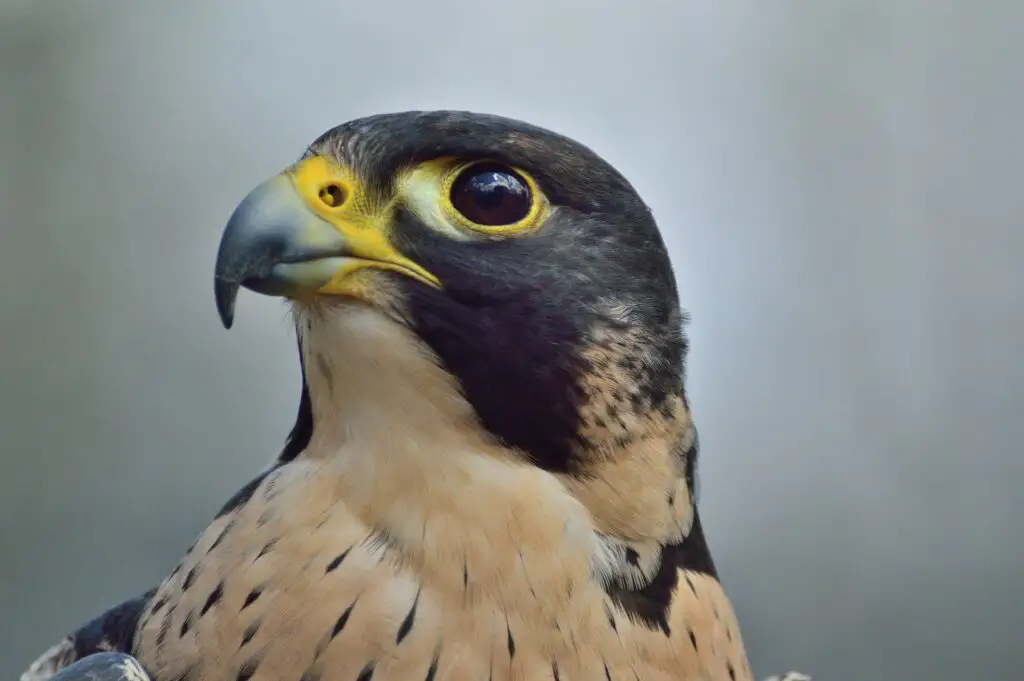
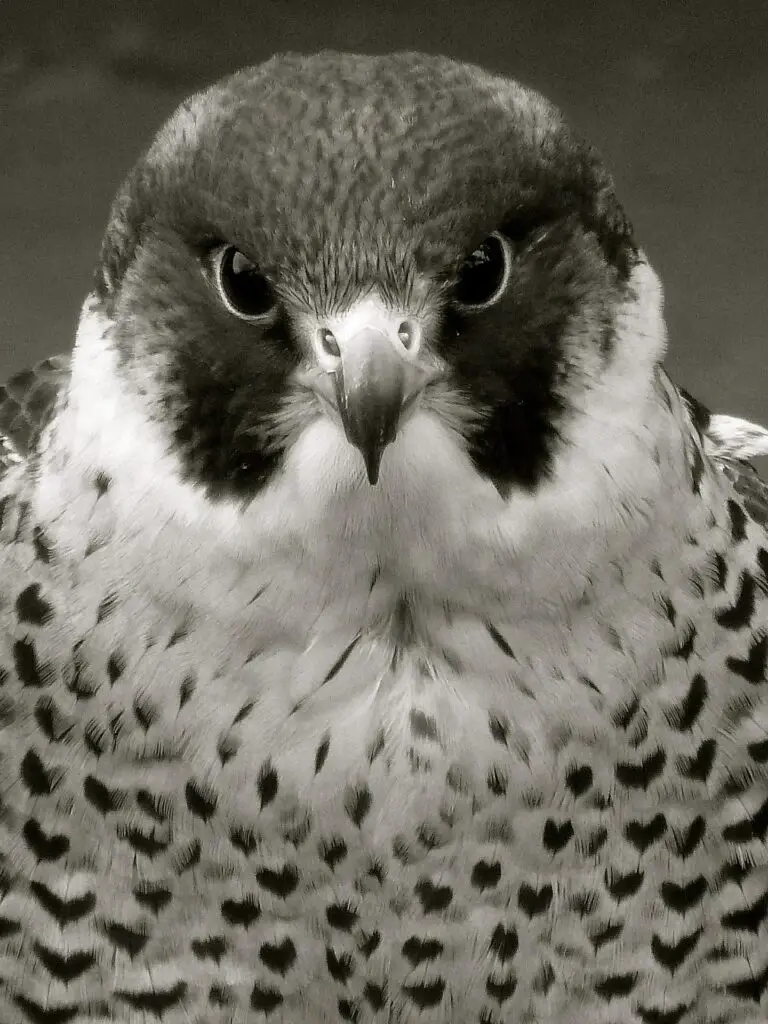
- Head: Dark “helmet” or cap with a bold mustache mark.
- Back & Wings: Bluish-gray to slate-gray.
- Chest & Belly: White to buff with dark barring.
- Tail: Long, narrow, and barred with a dark tip.
- Eyes: Large, dark, and surrounded by a yellow ring.
- Beak: Short, hooked, and has a specialized “tomial tooth” to kill prey efficiently.
- Legs & Feet: Yellow with sharp, black talons.
Adaptations for Speed
- A streamlined body reduces air resistance.
- Long, pointed wings with stiff feathers provide exceptional aerodynamics.
- Large keel (breastbone) for powerful flight muscles.
- An efficient respiratory and circulatory system supports sustained high-speed flight.
Notable Speed
- They can reach over 240 mph (386 km/h) in a hunting dive (stoop), making it the fastest animal on Earth.
Native habitat
Peregrine falcons (Falco peregrinus) are found on every continent except Antarctica and can thrive in a variety of environments, including:
Natural Habitats:
- Cliffs and Mountain Ranges: Their traditional nesting sites are high cliffs, often near rivers or coastlines.
- Coastal Areas: They are frequently found near large bodies of water, where seabirds provide a steady food source.
- Deserts and Grasslands: Some populations inhabit open landscapes, using rock outcrops or tall trees for nesting.
- Forests: While not their primary habitat, some peregrines nest on tall trees or rock ledges in wooded areas.
Urban Adaptation:
These raptors have adapted well to cities, using tall buildings, bridges, and other structures as nesting sites. Urban environments provide an abundance of pigeons and other prey, making them a successful part of many city ecosystems.
Social Structure and Hunting Behavior
Peregrine falcons (Falco peregrinus) are generally solitary birds outside of the breeding season. They do not form flocks or engage in cooperative hunting like some other raptors. However, their social interactions change during breeding and migration:
- Breeding Pairs: Peregrine falcons form monogamous pairs, often staying together for multiple seasons or even for life. Each year, they return to the same nesting sites (cliff ledges, tall buildings, or bridges).
- Territoriality: They are highly territorial during the breeding season and will aggressively defend their nesting area from other birds of prey.
- Parental Roles: Both males and females take part in raising the chicks. The male does most of the hunting while the female incubates the eggs and protects the young.
- Juvenile Independence: After about 6–10 weeks, young falcons leave the nest and disperse to find their own territories, sometimes traveling great distances.
Hunting Behavior of Peregrine Falcons
Peregrine falcons are renowned for their incredible speed and aerial hunting techniques:
- Prey Preference: They mainly hunt medium-sized birds such as pigeons, doves, shorebirds, and songbirds but may occasionally take bats or small mammals.
- Hunting Strategy:
- High-Speed Dives (Stooping): Peregrines hunt by spotting prey from high altitudes, folding their wings, and diving at speeds over 240 mph (386 km/h)—the fastest recorded speed of any bird.
- Aerial Strikes: They often knock their prey out of the air with a powerful blow from their talons before circling back to catch it mid-air or retrieving it from the ground.
- Chasing and Surprise Attacks: When hunting at lower altitudes, they may pursue prey in horizontal chases or ambush from a concealed position.
- Feeding Behavior: Peregrines pluck the feathers from their prey before eating. They sometimes store extra food, known as a “cache,” in hidden locations.

Lifespan and Health of Peregrines
Peregrine falcons are incredibly resilient birds, built for speed and precision, but like all raptors, their lifespan and health depend on various factors. In the wild, a peregrine typically lives around 10 to 15 years, though some have been known to reach over 20 years in captivity with proper care. Their mortality rate is high in the first year of life—many young falcons don’t survive past their first winter due to inexperience in hunting and natural threats.
Lifespan in the wild vs. captivity
The lifespan of a peregrine falcon varies significantly between the wild and captivity due to differences in environmental risks, diet, and medical care.
Lifespan in the Wild
In the wild, peregrines typically live 10 to 15 years, though many don’t survive past their first year. Young birds face high mortality rates due to:
- Starvation (lack of hunting experience)
- Predation (especially from larger raptors like great horned owls)
- Injuries (collisions, fights over territory)
- Environmental threats (pesticides, habitat destruction, lead poisoning)
If a peregrine makes it past that crucial first year, its chances of surviving longer improve. However, the daily challenges of hunting and avoiding danger keep their average lifespan lower than in captivity.
Lifespan in Captivity
In falconry or conservation programs, peregrines often live 20 years or more, with some individuals exceeding 25 years. This increased lifespan is due to:
- Regular, nutritious feeding (eliminating starvation risk)
- Veterinary care (treating injuries, preventing disease)
- No predation threats
- Controlled flying conditions (reducing risks of fatal injuries)
However, captive birds can develop issues like boredom, obesity, or bumblefoot if not properly exercised and cared for. A dedicated falconer ensures their bird stays in peak condition, both physically and mentally.
Ultimately, while a peregrine in the wild lives a shorter but free and instinct-driven life, one in captivity can enjoy a longer, healthier existence under the right care.
Common Diseases and Health Concerns
Signs of illness and veterinary care
Recognizing the signs of illness in peregrine falcons is vital for their health and longevity.
When caring for these birds, watch for these key indicators:
- Change in appetite– Sudden refusal to eat can signal distress.
- Abnormal droppings– Unusual color or consistency may indicate health issues.
- Changes in behavior– Lethargy or aggression can denote illness.
- Physical symptoms– Look for swelling, discharge, or feather loss.
If you notice any of these signs, seek veterinary care immediately.
Comm Diseases to be Aware of:
As a falconer, keeping a close watch on my Peregrine’speregrine’s health is a daily responsibility. These birds are built for endurance and speed, but they are not immune to illness. Here are some of the most common diseases and health concerns peregrine falcons face:
1. Aspergillosis (Fungal Infection)
- One of the most serious respiratory diseases in raptors is caused by the Aspergillus fungus.
- Symptoms: Labored breathing, weight loss, weakness, reduced appetite.
- Causes: Damp, moldy environments or prolonged stress that weakens the immune system.
- Prevention: Keeping housing dry and well-ventilated, avoiding moldy bedding or food.
2. Bumblefoot (Pododermatitis)
- A bacterial infection that affects the feet is often caused by rough perches or small wounds.
- Symptoms: Swelling, redness, sores on the feet, reluctance to land or grip properly.
- Causes: Poor perching surfaces, obesity, lack of exercise.
- Prevention: Regular foot inspections, clean perches, and maintaining the bird’s weight.
3. Trichomoniasis (“Frounce”)
- A parasitic infection caused by Trichomonas gallinae is often contracted by eating infected pigeons.
- Symptoms: White, cheesy lesions in the mouth and throat, difficulty swallowing, weight loss.
- Causes: Eating diseased prey, particularly pigeons.
- Prevention: Feeding only healthy, clean prey; treating infected birds with antiprotozoal medication.
4. Lead Poisoning
- Occurs when falcons consume prey contaminated with lead, often from lead-shot ammunition.
- Symptoms: Weakness, tremors, seizures, disorientation.
- Causes: Scavenging on prey shot with lead bullets.
- Prevention: Avoiding wild prey from hunting areas where lead ammunition is used.
5. Parasites (Internal & External)
- Internal parasites include worms and protozoa that affect digestion and overall health.
- External parasites like feather mites and lice can damage feathers and irritate the skin.
- Symptoms: Weight loss, lethargy, poor feather condition, itching.
- Prevention: Regular fecal tests, good hygiene, and occasional use of parasite treatments.
6. West Nile Virus
- A mosquito-borne virus that can be fatal to birds of prey.
- Symptoms: Neurological issues, weakness, tremors, incoordination.
- Prevention: Reducing mosquito exposure, keeping housing clean, and using mosquito deterrents.
7. Avian Influenza
- A highly contagious viral disease affecting birds worldwide.
- Symptoms: Sudden death, respiratory distress, swollen eyes, nasal discharge.
- Prevention: Avoid contact with infected birds and maintain strict hygiene practices.
8. Impact Injuries (Collision Trauma)
- Peregrines are high-speed hunters, and crashes can lead to broken bones, concussions, or feather damage.
- Causes: Colliding with windows, buildings, or other obstacles during flights.
- Prevention: Careful training in open areas, avoiding urban hazards.
Here are Some Tips on How I Keep Track Of my Peregrine’s Health and Wellness:
✔ Inspecting the bird daily for signs of illness.
✔ Keeping housing clean, dry, and well-ventilated.
✔ Feeding a controlled, high-quality diet.
✔ Providing routine health checks and immediate treatment when needed.
Peregrines are tough, but vigilance and proper care can mean the difference between a short life and a thriving, long-lived bird.
Diet and Nutrition
A falcon’s diet is the foundation of its health, performance, and longevity. In my years of working with birds of prey, I’ve learned that proper nutrition is non-negotiable. The key is providing a diet that closely mimics what they would eat in the wild—whole prey, rich in muscle meat, organs, and bone.
For my birds, I primarily feed quail, pigeon, and rabbit, with the occasional day-old chick or rat for variety. These offer the right balance of protein, fat, and essential nutrients. Freshness is crucial—spoiled meat can make a bird sick fast. Its important to always check for signs of decay and avoid freezer-burned food.
Supplements aren’t usually necessary if you’re feeding high-quality prey, but I do occasionally dust food with calcium if I notice weak talons or beak issues. Hydration is another overlooked aspect of nutrition. Falcons get most of their moisture from their food, but I still offer fresh water daily, especially in hot weather.
One of the most important things I stress to new falconers is to weigh your bird daily. A slight drop in weight can indicate anything from illness to stress, while sudden gains might mean you’re overfeeding. Keeping a log helps track their condition and performance.
Feeding isn’t just about nutrition—it’s about trust and training. When done right, it strengthens your bond with your bird and ensures they’re always in peak condition.

Care and Maintenance
When caring for a Peregrine Falcon, I focus on creating comfortable housing, providing appropriate perches and baths, and incorporating environmental enrichment to keep them engaged.
Housing: Mews and weathering yards
Since proper housing is crucial for the wellbeing of a Peregrine Falcon in falconry, I’ve found that investing time and resources into building a suitable mews and weathering yard pays off immensely.
Here’s what I focus on:
- Size: Ensure ample space for flying and moving around comfortably.
- Ventilation: Good airflow keeps the environment fresh and healthy.
- Shade and Sunlight: A balance of both protects from extreme temperatures.
- Safety: Secure structures prevent escape and protect from predators.
Housing & Perching
Your Peregrine’speregrine’s mews should be spacious, well-ventilated, and safe from predators and extreme weather. I prefer a mews with a secure weathering area, allowing the bird time in natural sunlight while being protected. Inside, a well-padded block perch or bow perch prevents foot problems like bumblefoot. Keep perches clean and check daily for signs of wear or injury.
Health & Conditioning
Peregrines are built for speed, and if they’re not flown regularly, they’ll lose muscle tone fast. Weather permitting, I free-fly mine several times a week, ensuring they stay strong and maintain their hunting instincts. Regular weight checks are crucial; even a slight weight gain or loss can affect performance and health. I also often inspect their feathers, feet, and beaks for any issues.
Molt Management
I adjust their diet and handling during the molt to support healthy feather growth. Higher protein intake and supplements like calcium help with strong new feathers. Some falconers cut back on flying during this period, but I still handle my bird regularly to maintain our bond.
Mental Stimulation & Handling
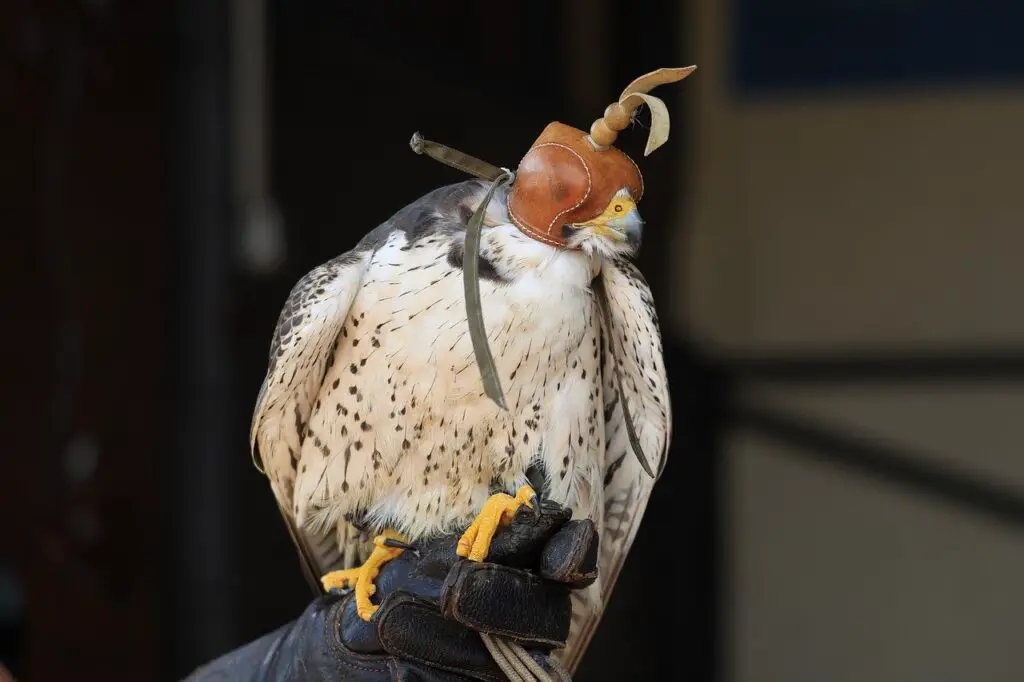
Peregrines are intelligent and can become bored or stressed in captivity. Hooding helps them stay calm when not flying, but I also make sure they get regular interaction. Manning sessions, hunting, and even small training exercises keep them engaged.
Training and Handling
Training and handling a falcon isn’t something that happens overnight—it’s a gradual, patient process. Over the years, I’ve learned that building trust is the foundation of successful training. Here’s how I approach it:
The First Step: Building Trust
Before any training happens, you need to build a solid relationship with your bird. This begins with manning, the practice of getting your bird accustomed to your presence and handling. I start by spending time with the birds every day, letting them get used to the sight and sound of me without any pressure. I’ll talk softly, offer food, and gently touch them when appropriate. It’s all about making them feel safe and comfortable around you.
Hooding and Taming
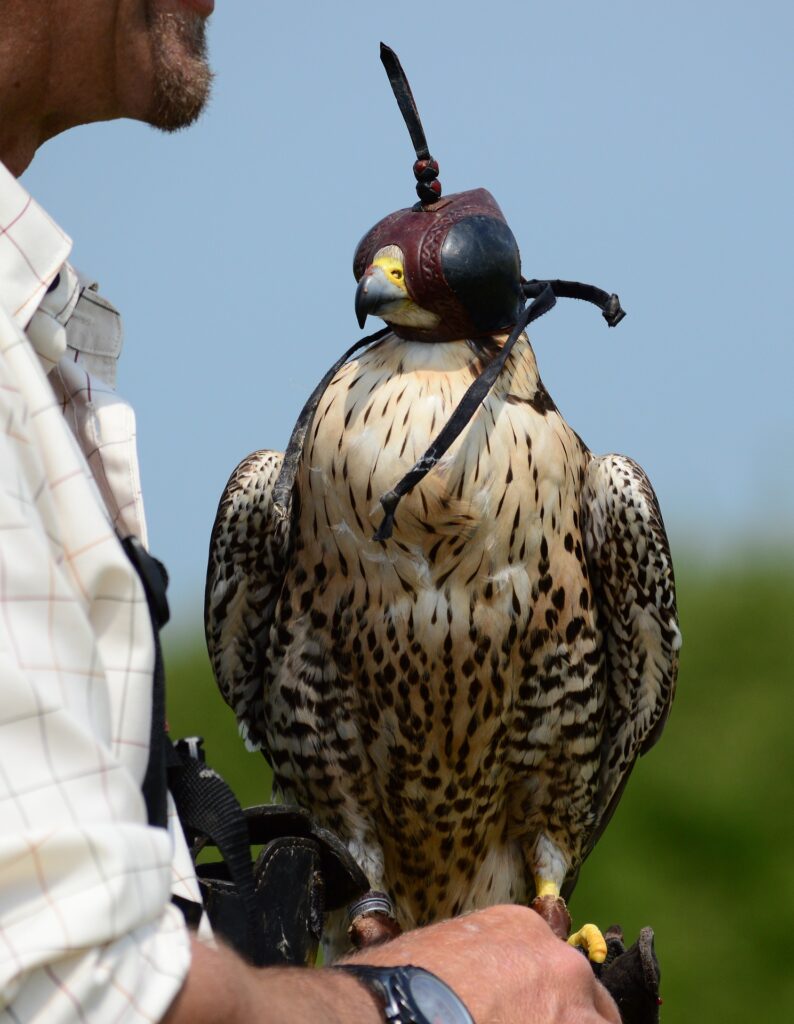
The hood is a valuable tool for calming a bird. It helps reduce stress and is vital for keeping them settled when not flying. I start with short sessions, just getting them used to wearing it. Over time, they learn to associate the hood with calm and security. Never rush this step—take it slow, and always ensure the hood fits properly.
Training with Food
Food is a huge motivator for falcons. I use it as a reward in training sessions, especially when teaching them to come to the glove. For me, the key is consistency. I always reward the bird immediately after they do something right, whether it’s flying to the glove or even taking a short hop. Timing is critical—wait too long, and they won’t connect the action with the reward.
Recall Training
Teaching a falcon to come back to the glove is one of the most important skills they’ll learn. I start with short flights, making the birds fly to me for food. Keeping the sessions short and positive is important to prevent frustration or stress. Over time, you can increase the distance of the recall flights, but always be mindful of their body language. If they seem tired or unwilling, it’s time to wrap it up.
Handling During Flight
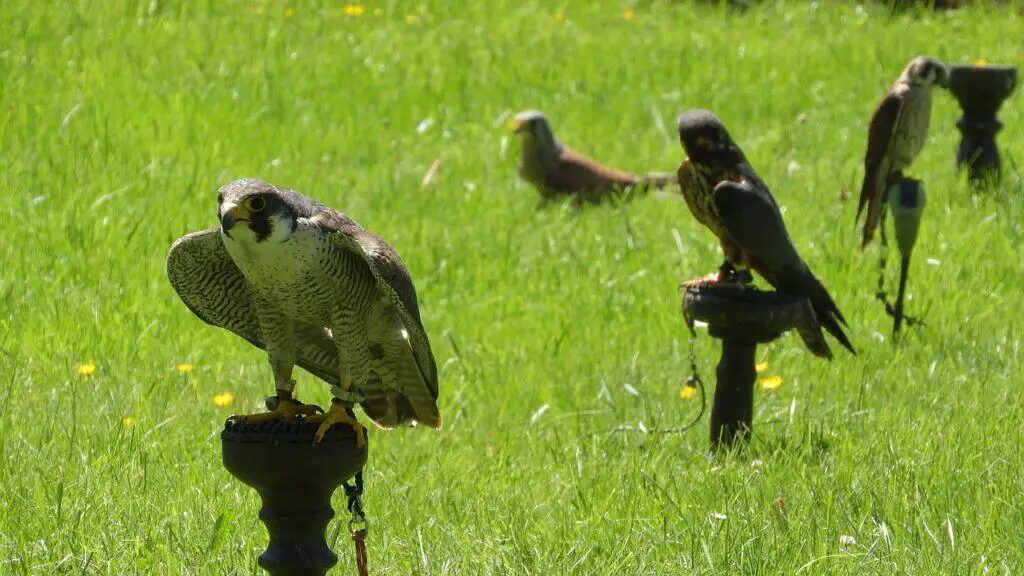
Once the bird is in the air, handling becomes a different challenge. Communication during flight is subtle but crucial. You need to learn the signs of when they’re comfortable, focused, or ready to come down. One of my biggest tips is to never chase them; instead, let them come to you when they’re ready. If they’re hesitant, I’ll offer food on the glove or give them time to settle down on a perch.
Patience is Key
Training and handling require an immense amount of patience. Each bird is different, and they may learn at their own pace. Some falcons are quick to pick up on things, while others need more time. What’s always helped me is remembering that falconry is a partnership. You’re not training a pet—you’re building a relationship with a wild animal. Respect, trust, and consistency will take you a long way.
Remember, falconry is about progress, not perfection. Small victories over time lead to strong, successful partnerships.
Legal and Ethical Considerations
There are several legal and ethical considerations that all falconers, whether seasoned or beginners, need to be aware of when handling peregrine falcons.
Legal Framework
In many countries, including the UK and the US, peregrine falcons are protected by strict wildlife laws. In the US, for example, the Migratory Bird Treaty Act (MBTA) prohibits peregrine falcons’ capture, possession, and transportation without the proper permits. Similarly, in the UK, the Wildlife and Countryside Act offers protection to wild peregrines, and a license is required to keep one.
Before acquiring a peregrine, it’s essential to check local laws to make sure you have the right permits. This can include licenses for taking birds from the wild (in some regions, this is restricted), as well as handling and keeping birds in captivity. Violating these laws can result in hefty fines or even criminal charges, so always do your homework.
Conservation and Ethics of Wild Peregrines
Ethically speaking, one of the most important principles is respecting wild populations. While peregrine falcons have made a remarkable recovery in many parts of the world, they’re still vulnerable in certain areas. In some countries, capturing wild peregrines is illegal unless it’s part of a specific conservation effort or if the bird is injured and cannot survive on its own.
If you’re considering working with a wild bird, always ensure it has been rehabilitated and approved for release into captivity. Wild peregrines shouldn’t be removed from their natural habitats unless absolutely necessary for their health or survival. I’ve worked closely with licensed wildlife rehabilitators, and their expertise is invaluable if you ever find yourself dealing with an injured wild falcon.
Ethical Treatment and Wellbeing
Once you have a peregrine in your care, its ethical treatment becomes your top priority. This means providing adequate space, a natural diet, and mental and physical stimulation. Falcons, especially peregrines, are highly intelligent and active. Keeping them in cramped conditions or failing to meet their needs can be considered both unethical and harmful to the bird’s welfare.
Additionally, you should always be mindful of their mental health. Overworking or stressing the bird can lead to behavioral issues or even health problems. Ethical falconry means balancing the bird’s need for exercise with its need for rest and never forcing it to do something it’s not ready for, such as hunting or flying for extended periods.

Wildlife Trade and Breeding
The wildlife trade is another critical ethical consideration. Some falconers breed peregrines for sport, and in these cases, you must ensure the breeding is done responsibly. Only breed birds that are healthy and follow all regulations related to breeding and selling birds of prey. Falcons bred in captivity should never be released into the wild unless they’ve been specifically trained for that purpose.
If you’re considering purchasing a peregrine falcon, buying from reputable breeders committed to responsible breeding practices is crucial. Ensure that they comply with all legal regulations and ask questions about the bird’s lineage and how it was raised.
Respecting the Land and Environment
Lastly, ethical falconry extends beyond the bird itself—it includes respecting the land and environment where you fly and hunt. It’s important to practice leave-no-trace principles when hunting in nature. Avoid disturbing wildlife, respect hunting grounds, and be mindful of the impact your presence may have on other animals in the area.
To engage responsibly, consider these key points: As I delve into the world of falconry, it’s crucial to recognize the legal and ethical framework that governs this ancient practice.
Hunting with a Peregrine Falcon
Choosing the right prey species is crucial for a successful hunt with a peregrine falcon. I’ve found that understanding what works best makes all the difference in our outings.
Here’s a list of ideal prey species:
- Pigeons
- Doves
- Quail
- Waterfowl
Hunting techniques
Hunting with a peregrine falcon demands a blend of strategy and understanding of the bird’s incredible capabilities.
- The Stoop (High-Speed Dive)
- The stoop is the Peregrine’sPeregrine’s signature move, a high-speed dive from great heights reaching over 200 mph. Once the falcon spots prey, she folds her wings and drops at incredible speed, often catching her target mid-air with a precise strike.
- Hunting from the Ground (Flush and Pursue)
- Peregrines can also hunt by flushing prey from cover, like rabbits or grouse, and chasing them through the air. This method relies on the falcon’s agility and stamina to catch prey in flight.
- The Surprise Attack
- Peregrines sometimes hunt by silently circling above and waiting for prey to appear. When it does, she dives quickly, catching it before the prey even realizes the danger.
- Cooperative Hunting
- In cooperative hunting, the falconer flushes out prey while the falcon waits at a high perch, ready to dive and catch the prey as it is startled into flight.
Advantages and Challenges of Peregrine Falcons in Falconry
Advantages
- Incredible Speed and Agility
- The Peregrine is famous for its speed, especially when it comes to the stoop, which can reach up to 200 mph. This makes them one of the most effective hunters in the sky, particularly when targeting fast-flying birds. If you’re looking for a bird that can chase down prey at lightning speed, a Peregrine is hard to beat.
- Sharp Hunting Instincts
- Peregrines have honed their hunting instincts over centuries, and you can really see it in action. They are exceptional at spotting prey from great distances and can execute precise, well-timed strikes, often catching prey mid-air. Their natural ability to read the environment and decide when to hunt is one of the things that makes them so reliable.
- Impressive Aerial Displays
- Watching a Peregrine in flight is a truly awe-inspiring experience. Their power and grace in the air are unmatched, making them a joy to watch, even if you’re not actively hunting. They’ve got that perfect combination of beauty and strength that leaves an impression on anyone who sees them in action.
Challenges
- High Maintenance
- Peregrines are not the easiest birds to care for. They require a lot of attention and regular exercise to keep them in top shape. Their high energy levels mean they need consistent training and flying time to stay focused and healthy. You can’t just set them on a perch and expect them to be good to go; they need ongoing commitment.
- Temperament
- Peregrines can sometimes be more temperamental than other species. They’re highly independent and might not always be as willing to work with you as some other birds. Patience and building a strong bond with your Peregrine is key to success. They can be sensitive to their environment and may require a bit more time to trust and connect with their handler.
- Prey Selection
- While Peregrines are excellent hunters, they tend to specialize in fast-flying birds, such as pigeons or ducks. This limits the types of prey you can hunt effectively with them compared to other birds of prey. If you want to hunt a wider range of animals, a Peregrine may not always be the best choice, especially if you’re looking for versatility in your hunting.
Overall, Peregrine Falcons make incredible hunting partners for those who are committed to the practice of falconry. They require a unique set of skills and dedication from their handlers, but their impressive capabilities and stunning aerial displays make them well worth the effort.