
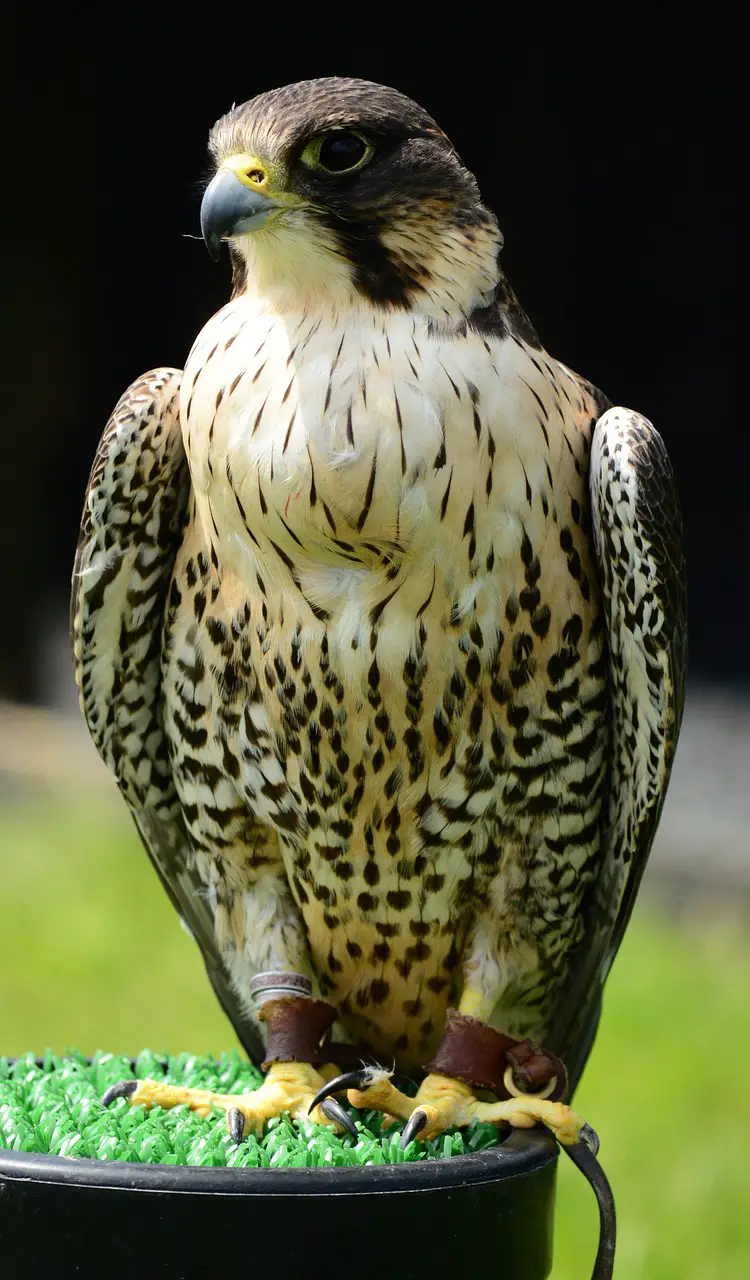
As a dedicated falconer, I’ve practiced for years to develop a precise step-by-step method for training Peregrine Falcons with kites. This training mirrors these birds’ natural hunting abilities. When I began kite training, I struggled to find a comprehensive guide that covered all the important steps in detail. So, I decided to create my own and share it with other falconers.
Introduction to Peregrine Falcon Kite Training
In kite training, we simulate natural hunting behaviors by flying a kite that mimics the movements of prey. This technique helps develop their hunting skills, stamina, and aerial abilities.
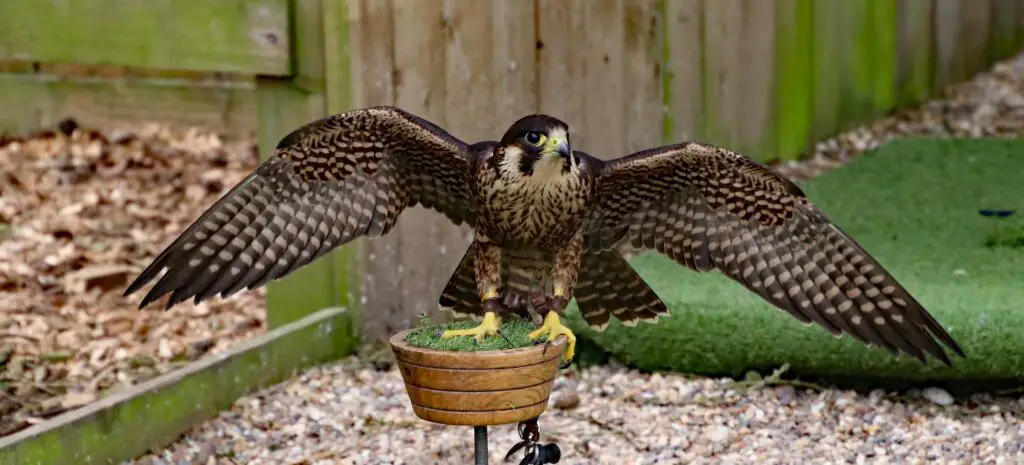
Understanding the Falcon’s natural behaviors is vital. Peregrines are diurnal hunters, meaning they hunt during the day. By utilizing kites during training sessions, we tap into their natural instincts, encouraging them to hunt and kill their “prey.”
Patience is key when training Peregrine Falcons with kites. These birds are intelligent and sensitive, requiring a gentle approach to build trust and cooperation. Observing their reactions to the kite’s movements provides valuable insight into their progress and allows for adjustments to be made to optimize training sessions.
Kite Assembly
To assemble the Falcon Kite effectively, carefully lay out all components in a clear, organized manner for easy identification and step-by-step construction.
I begin by unfurling the kite body, ensuring the fabric is taut and free of wrinkles. Thereafter, attach the cross spars to the designated pockets along the kite’s wingspan, securing them firmly. Connect the bridle lines to the kite’s attachment points, ensuring they’re of equal length to maintain stability during flight.
Next, attach the flying line to the bridle, ensuring a secure knot to prevent detachment mid-flight. Before proceeding, check all connections for proper alignment and tightness.
Once all components are securely in place, gently test the kite’s responsiveness to wind by giving it a light tug to simulate flight conditions. Confirm that the kite maintains its shape and stability.
Preparing the Bird for Kite Interaction
After successfully assembling the Falcon Kite, the next crucial step is to acclimate the peregrine falcon to its presence and interaction with the kite.
- Create a Safe Environment: Make sure that the area where the Falcon will interact with the kite is free from distractions and potential hazards. This will help the Falcon focus on the kite without any unnecessary stress or danger.
- Introduce the Falcon Gradually: Begin by allowing the Falcon to observe the kite from a distance. Slowly bring the kite closer over multiple sessions, giving the falcon time to adjust to its presence.
- Positive Reinforcement: Reward the Falcon with treats or praise when it shows curiosity or interest in the kite. This positive association will help the Falcon feel more comfortable and confident around the kite.
Preparing the Falcon for Flight with kite
When teaching a peregrine falcon to fly using a kite, it’s important to handle it gently and slowly get it used to flying. This helps the bird learn to fly well.
Before the Falcon is ready for flight with the kite, it’s important to ensure that the bird is comfortable and familiar with the equipment. This involves acclimating the Falcon to the presence of the kite, allowing it to inspect and interact with it in a controlled environment. Positive reinforcement techniques, such as providing treats when the Falcon shows interest or calm behavior around the kite, can help form a bond of trust.

It’s important to monitor the Falcon’s body language during these preparatory stages. Signs of stress or discomfort should be heeded, and the training should progress at a pace that’s suitable for the individual bird.
Gradual Elevation: Increasing Height Training
During the essential elevation phase of peregrine falcon kite training, the focus shifts towards acclimating the bird to increasing altitudes for improved flight readiness.
- Altitude Increment: Elevate the kite gradually to higher levels, allowing the Falcon to adjust to the changing altitudes incrementally.
- Observation and Monitoring: Watch the Falcon closely as you increase the altitude, noting any signs of discomfort or unease to make sure the training remains safe and effective.
- Flight Endurance: Build up the Falcon’s endurance by extending the duration of flight at higher altitudes, encouraging strength and stamina in flight.
As the bird becomes accustomed to flying at higher altitudes, its flight capabilities will improve, preparing it for the challenges it may face in the wild. This phase of training is vital for ensuring the Falcon’s readiness for various flight conditions and environments, ultimately enhancing its overall flying skills and adaptability.
Rewarding Progress and Positive Interactions
Throughout the kite training process, it’s important to reward and acknowledge progress and positive interactions between Falcon and kite. This not only encourages continued learning but also strengthens the bond of trust between falconer and bird.
When observing improvements in flight accuracy or stamina, offer treats and praise to reinforce these behaviors. As the Falcon becomes more comfortable with the kite, it allows for more freedom in its interactions, encouraging natural hunting behaviors and increasing the complexity of training scenarios.
By consistently reinforcing positive progress and providing a safe and stimulating training environment, the Falcon will continue to develop its skills and become a successful hunter.
| Reward Type | Description | Effect |
| Praise | Verbal encouragement | Boosts morale and confidence |
| Treats | Small pieces of meat or prey | Reinforces positive behavior |
| Playtime | Interactive sessions | Builds rapport and engagement |
| Rest | Allow for breaks | Safeguards falcon’s well-being |
| Training Gear | Introduce new equipment | Familiarizes falcon with tools |
Safety Precautions for Falcon Kite Training
It’s important to note that falcon kite training requires a controlled and safe environment to ensure the well-being of both the bird and the trainer. The following precautions should be taken:
- Weather Conditions: Falcon training sessions should only take place in suitable weather conditions, avoiding extreme temperatures or strong winds.
- Proper Equipment: Make sure all equipment, including the kite and flying line, is in good condition and properly secured.
- Avoid Overexertion: Monitor the Falcon closely for signs of fatigue or exhaustion, taking breaks as needed to avoid overexertion.
- Supervision: Always supervise the training sessions and be prepared to intervene if necessary.
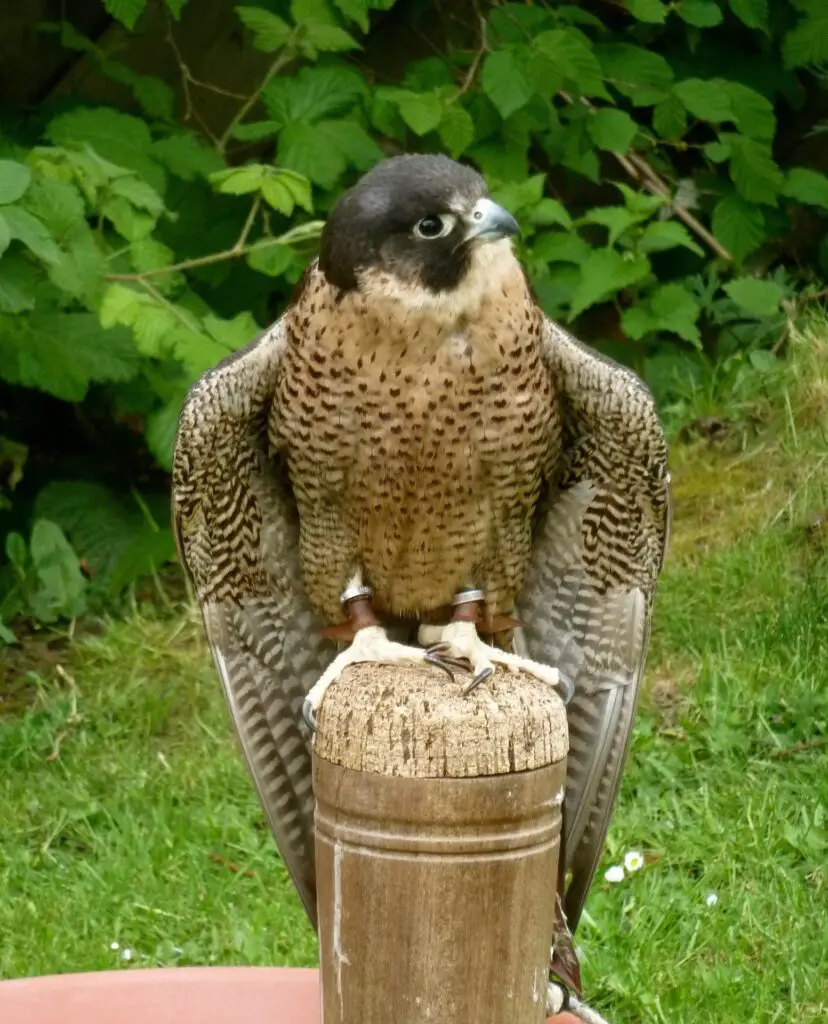
By following these safety precautions, you can ensure a safe and successful training experience for both the Falcon and yourself. Always prioritize the well-being of the bird and make adjustments as needed to create a positive and effective learning environment.
The Falcon Kite is an excellent tool for teaching peregrine falcons how to fly, preparing them for hunting in the wild. By properly introducing and acclimating the Falcon to the kite, gradually increasing altitude and flight endurance, and rewarding positive progress, you can train a successful Falcon ready for any challenge.
Frequently Asked Questions
Can Any Falcon Be Trained Using a Kite?
- Yes, any falcon can be trained using a kite. This method is effective in conditioning falcons to chase prey-like objects, improving their hunting skills.
What if the Falcon Gets Scared During Training?
- It’s important to monitor the Falcon closely during training and adjust the pace of training if needed. If the bird shows signs of fear or discomfort, take a break and try again later at a slower pace. Always prioritize the safety and well-being of the Falcon.
What Other Tools Can Be Used for Falcon Training?
- Aside from kites, falconers may also use lures, such as fake birds or fur-covered objects, to train falcons to chase and capture prey. These tools can be used in combination with kites for a more dynamic training experience.
Can Falcon Kite Training Be Done Indoors?
- Indoors, falcon kite training can be challenging due to space limitations and potential hazards. Adequate room height, ventilation, and safety precautions are essential. Outdoor training is generally recommended for falcons to have sufficient space for flying and maneuvering.