

In the previous section, we discussed the breeding and nesting habits of Peregrine Falcons. In this section, we will focus on the next stage of their life cycle – rearing eggs and hatchlings.
The female falcon begins incubating her eggs as soon as she lays them. This process can go on for 29-33 days before the eggs finally hatch. During this time, the male and female falcon take turns incubating the eggs, with the female taking the majority of the responsibility.
Once your Peregrine falcon has successfully laid a few eggs, you should take the following steps:
Mark and weigh the eggs
The eggs must be marked so they can be identified if they get mixed up or moved during incubation. This process also allows you to track the development of each egg and monitor its progress.
Eggs should also be weighed regularly to ensure proper growth and development. If an egg is underweight, it may indicate a problem that needs attention.
Here are three steps I take to monitor the health of the eggs:
- Marking: Use a pencil to mark each egg with a unique identifier, noting the date of laying to establish a timeline for incubation.
- Weighing: Utilize a precise scale to weigh the eggs regularly, keeping a record of any weight changes that may indicate developmental milestones or potential issues.
- Documentation: Maintain a detailed log of the markings and weights for each egg, allowing for comprehensive tracking and analysis throughout the incubation period.

Incubate Eggs:
Incubation is a delicate process, and the eggs should be handled with extreme care to avoid damage or contamination. The ideal temperature for incubating Peregrine Falcon eggs is between 99 and 100 degrees Fahrenheit (37.2°C and 37.8°C) at around 60% humidity.
I use a high-quality egg incubator to maintain a stable environment for the eggs. Throughout the incubation period, which typically lasts around 29-32 days, I regularly monitor the temperature and humidity levels to mimic natural conditions.
It’s essential to maintain these conditions consistently throughout the incubation period to ensure healthy development. Any fluctuations in temperature or humidity could result in complications or even failure to hatch.
Ensure regular turning of the incubated eggs.
Regularly turning the eggs during incubation is crucial to ensure proper development and hatching. Your incubator should have a timer that you can set to automatically turn the eggs every so often. By gently rotating the eggs several times a day, you can prevent the embryo from sticking to the shell membrane, which could lead to deformities or death.
Turning the eggs also helps to ensure an even distribution of heat, nutrients, and gases within the egg, promoting uniform growth and development of the falcon chick.
Check embryo for viability.
When assessing the viability of the embryos during the rearing process, careful examination of their development stages is essential for successful falcon breeding.
Methods I use for Checking Embryo Viability:
- Candling Technique: This is the most common technique I use. Shine a light through the egg to observe the embryo’s growth and movement.
- Vein Development: Look for a network of veins indicating proper blood flow and development.
- Air Cell Size: Monitor the air cell’s growth, as deviations can signal issues like improper humidity levels.
Ensuring these factors are in check allows for the identification of healthy embryos, contributing to the successful rearing of Peregrine Falcons.
When to expect the hatchlings
Around the 33rd day of incubation, the Peregrine Falcon egg is expected to hatch. However, hatching can occur up to a week earlier or later than the expected date. Regular monitoring of the eggs and embryos’ development stages can help anticipate when hatching will occur.
Once the chick has fully emerged from its shell, it’s essential to provide a safe and appropriate environment for its growth and development. This includes providing proper nutrition, adequate space for movement, and regular check-ups by a veterinarian.
Monitoring Growth and Development
This includes regularly measuring their weight, checking for proper feather growth, and monitoring their activity levels are essential tasks. Hatchlings should exhibit steady weight gain, with a healthy downy covering transitioning into feathers.
Observing their feeding habits and interactions with siblings can provide insights into their overall health and development. Documenting milestones such as the first flight attempts and vocalizations can help track their progress.
Food Preparation for Hatchlings
When preparing food for your newborn peregrine falcon, it’s crucial to take their nutritional requirements into account. They need plenty of protein for healthy growth and development, which means you should offer them fresh meat like quail or pigeon. Make sure the whole carcass (quail) is blending finely to help with digestion before being fed at room temperature – this will help stimulate their appetite and encourage them to eat.
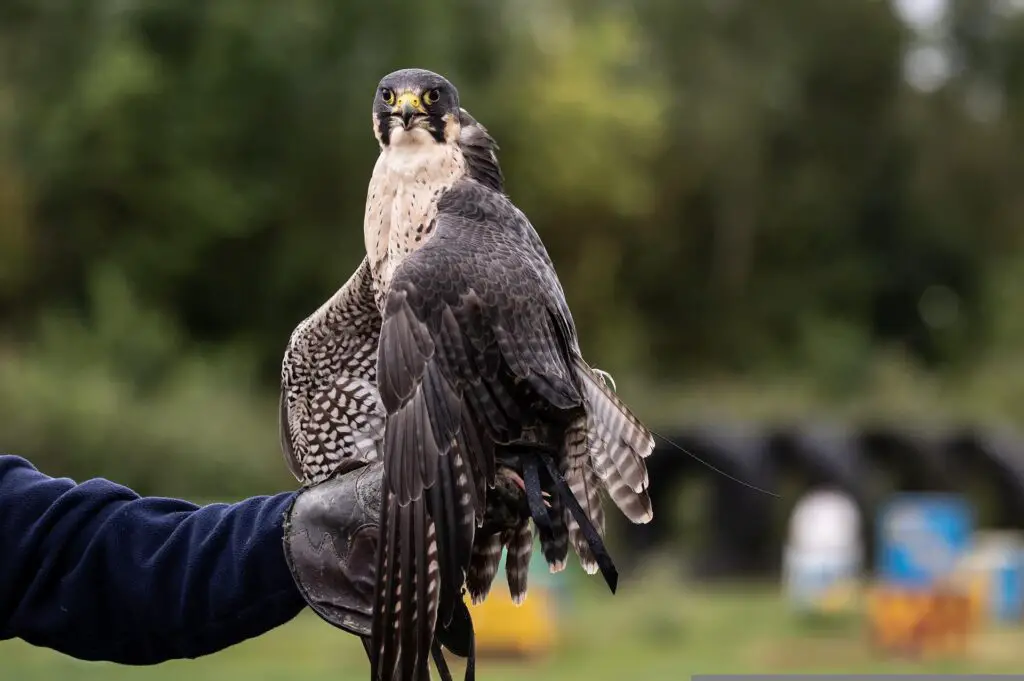
Here are three key points to consider:
- Feeding Schedule: Feed the hatchlings at regular intervals throughout the day to mimic the feeding patterns of their wild counterparts.
- Diet Composition: Provide a diet rich in nutrients, including small portions of raw meat such as quail, pigeon, or chicken, minced finely to aid digestion
- Feeding Technique: Use forceps or tweezers to offer food to the chicks, ensuring they consume adequate amounts without causing stress.
Supplements for Chicks
In addition to a well-rounded diet, chicks may require additional supplements to ensure proper growth and development. These can include calcium, vitamins, and minerals that are essential for bone and feather growth. It is crucial to provide a balanced nutrition plan to support their overall health and well-being.
I often add a probiotic and calcium supplement that was recommended by my avian specialist. This helps maintain a healthy gut flora and supports bone development. Incorporating these supplements directly into the minced-up raw meat during feeding ensures that the chicks receive all the necessary nutrients for robust and healthy growth.
Always remember to speak with an avian specialist before introducing supplements to your chick’s diet. They can provide specific recommendations tailored to the needs of your individual birds.
Imprint Training (Optional):
During the early stages of rearing the eggs and hatchlings, imprint training can be considered to establish a strong bond between the falconer and the young peregrine falcons. Imprint training involves exposing the hatchlings to humans from a very young age, usually within the first week after hatching. This process helps the falcons become accustomed to human presence and handling, making it easier for them to train for falconry later on.
In order to imprint, you should include the bird in your daily routine, provide food and water, and handle them gently but frequently. However, imprinting should always be done under the guidance of an experienced falconer to ensure the safety and well-being of both the birds and humans involved.
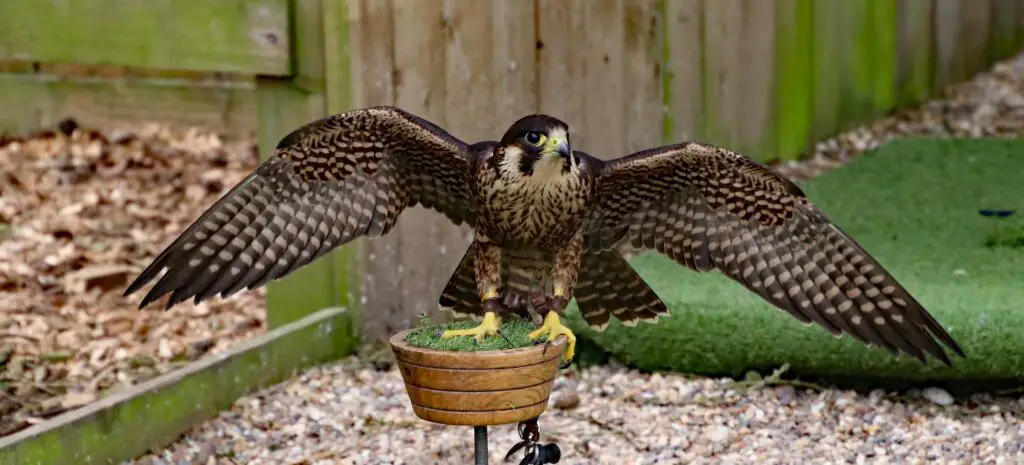
How long does it take to hand rear peregrine hatchling?
The hand-rearing process for Peregrine Falcons can take anywhere from 6 weeks to upwards, depending on the individual chick’s development and needs. It is vital to monitor their growth and development closely during this time and consult with a veterinarian if there are any concerns or health issues.
During hand-rearing, it is essential to provide proper nutrition, ensure adequate space for exercise and development, and continue to monitor their progress closely. As they grow, their diet will also need to be adjusted to support their changing nutritional needs.
Hand-rearing can be a rewarding but challenging process that requires dedication, patience, and proper knowledge. It is crucial to have the necessary resources and support before embarking on this journey of hand-rearing Peregrine Falcons. So, it is recommended to consult with experienced falconers or aviation experts for guidance and assistance. With proper care and nurturing, hand-reared peregrine falcons can grow into strong and healthy birds that are ready for their next stage in life – training for falconry.
Frequently Asked Questions
Can I Breed a Peregrine Falcon in Captivity Without a Breeding License?
- No, breeding a peregrine falcon in captivity without a license is illegal and unethical. Proper licensing ensures the welfare of the birds and adherence to conservation regulations. It is essential to obtain the necessary permits and consult with experts before breeding Peregrine Falcons.
How Many Hatchlings Can a Pair of Peregrine Falcons Produce in One Season?
- A pair of peregrine falcons can produce up to 3-4 hatchlings in one season, depending on their age and health. However, it is essential to consider the breeding pair’s capacity and resources available before attempting to raise multiple hatchlings.
At What Age Can a Peregrine Falcon Begin Training for Falconry?
- Peregrine Falcons can begin training for falconry once they reach 6-8 weeks of age, depending on their individual development. However, it is recommended that you consult with an experienced falconer for proper guidance and training techniques.