
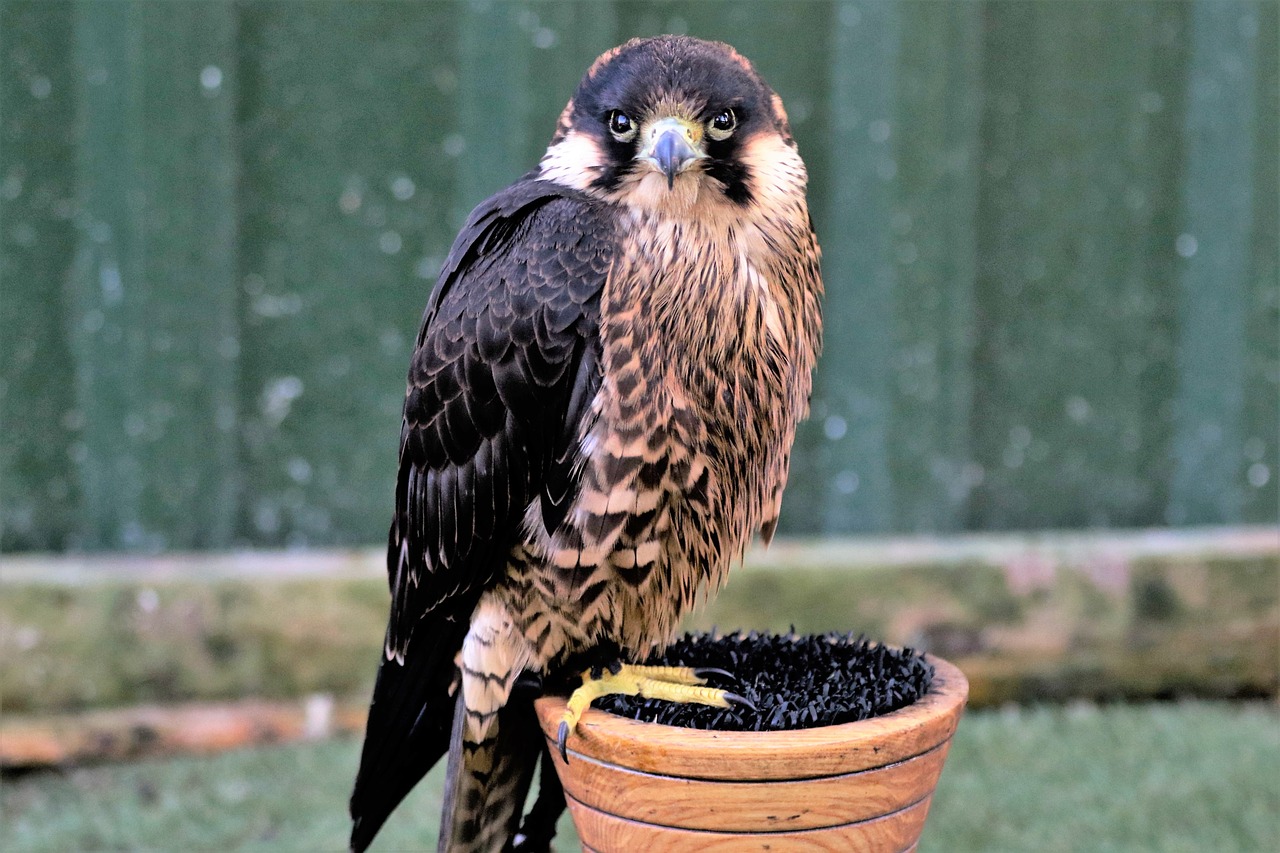
Peregrine Falcons have a rich history in falconry, starting thousands of years ago. Egyptians linked them to the sky god Horus, highlighting their significance. In Rome, these falcons denoted status and control over nature. They were sourced from Europe and Asia for their hunting prowess and adaptability. Their unmatched speed, precision, and keen eyesight make them exceptional hunters. Falconers appreciate their versatility in various habitats. Today, falconers still value Peregrine Falcons for hunting and pest control. If you explore further, you’ll discover how falconers train and conserve these remarkable birds.
Ancient Origins of Falconry
Falconry emerged as a sophisticated practice around 4,000 to 6000 BC. However, the use of peregrine falcons in falconry dates back thousands of years, with records suggesting humans used them as early as 2000 BC. The modern resurgence in using peregrine falcons for falconry, particularly in urban areas for pest control, can be attributed to efforts in the late 20th century.
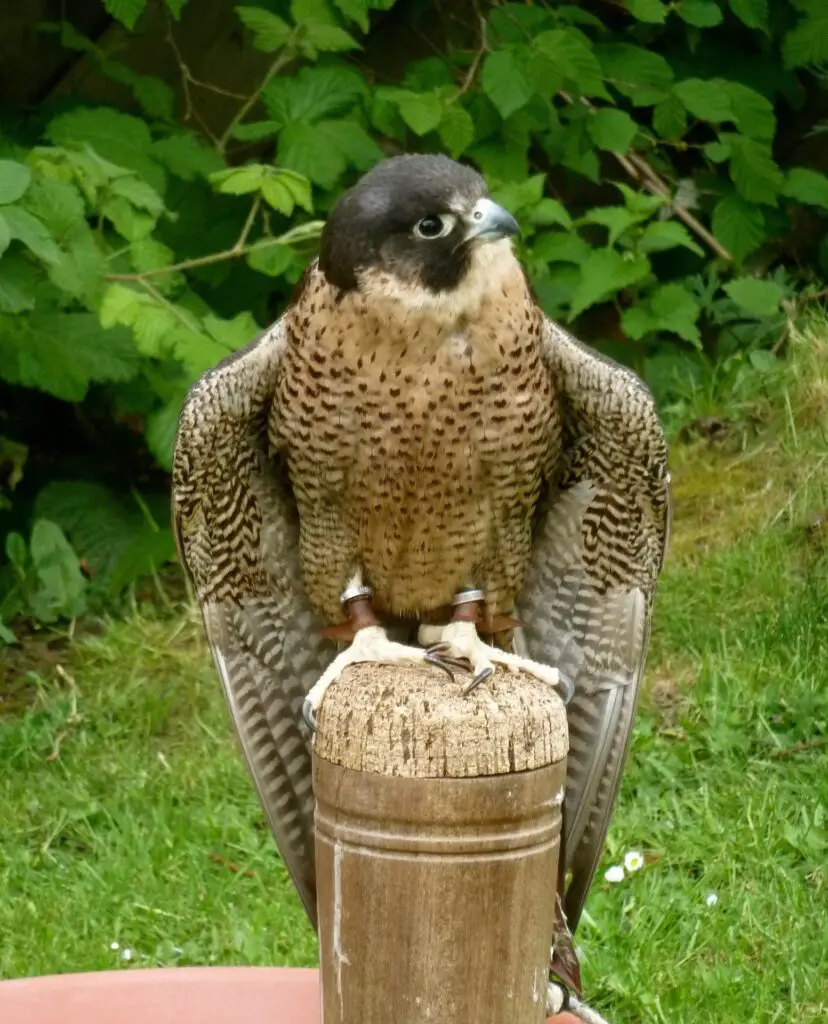
One notable figure who popularized the use of peregrine falcons for pest control in urban areas is Tom Cade, an American ornithologist and conservationist. Cade played a significant role in the recovery of peregrine falcon populations through captive breeding and reintroduction programs, which led to the resurgence of their use in falconry for pest control, particularly in cities where they are employed to deter pigeons and other nuisance birds.
Organizations and individuals involved in falconry and conservation have also contributed to the reintroduction of peregrine falcons into urban environments for pest management purposes. These efforts have been especially prominent in places like Europe and North America.
Falconry, also known as hawking, involves training birds of prey to hunt small game such as birds and mammals. Peregrine falcons, with their keen eyesight and swift flight, quickly became favored among falconers due to their effectiveness in capturing prey.
Peregrine Falcons in Egyptian Civilization
Peregrine Falcons in Egyptian Civilization showcased a unique bond between humans and raptors, illustrating the ancient Egyptians’ respect for these birds. In ancient Egypt, Peregrine Falcons held a special significance, symbolizing power, royalty, and protection. These birds were often depicted in hieroglyphics, tombs, and artifacts, emphasizing their importance in Egyptian culture.
Moreover, Peregrine Falcons were associated with Horus, the god of the sky and kingship, in Egyptian mythology. Horus was often depicted with the head of a falcon, symbolizing divine protection and vigilance. This connection elevated the status of Peregrine Falcons to sacred beings, further solidifying their place in Egyptian society.
The falconry techniques developed by the ancient Egyptians laid the foundation for future civilizations to refine and expand upon. The bond between humans and Peregrine Falcons in Egyptian Civilization not only shaped falconry practices but also reflected the deep-seated cultural and religious beliefs of this ancient civilization.
Where Peregrine Falcons Came From in Falconry
Peregrine falcons have been used in falconry for centuries, and their origin in falconry can be traced back to various regions where they are naturally found. Historically, peregrine falcons were widespread across Europe, Asia, Africa, and North America, and they were captured and trained for falconry purposes in these regions.
In Europe, particularly during the medieval period, peregrine falcons were highly prized for their speed and agility in hunting other birds. Falcons were trained and flown by falconers, who were often nobility or individuals of high status. Peregrine falcons were favored for their ability to hunt birds in flight, making them valuable assets for falconry.
Similarly, in Asia, particularly in regions like the Middle East and Central Asia, peregrine falcons were also used in falconry. Falconry was a popular pastime among royalty and aristocracy in these regions, and peregrine falcons were among the preferred birds for hunting.
In North America, indigenous peoples also practiced falconry using native species of falcons, including peregrine falcons. They were trained for hunting small game and birds in the wild.
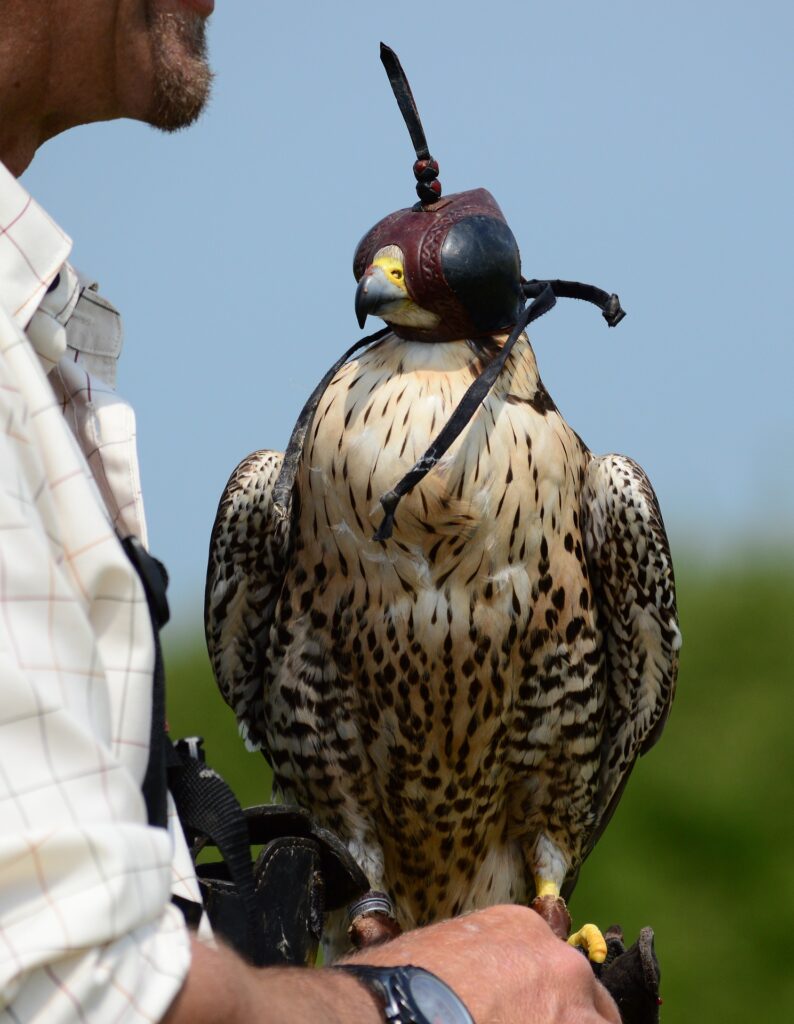
Who was the first person to practice falconry with a peregrine falcon?
Al Harith bin Mu’awiya, also known as Al Harith al-Kindi, was an Arab falconer who lived during the 9th century. He is renowned for his contributions to the field of falconry and is often credited with writing one of the earliest known treatises on falconry, titled “Kitab al-Mutawakkili,” dedicated to the Abbasid caliph al-Mutawakkil.
While Al Harith bin Mu’awiya’s work primarily focused on falconry techniques, training methods, and the care of various birds of prey, it’s unclear if he specifically mentioned peregrine falcons in his writings. However, given the importance of falconry in Arab culture during that time and the prominence of the peregrine falcon as a prized hunting bird, it’s possible that peregrine falconry was included in his treatise or was practiced by falconers influenced by his work.
Al Harith bin Mu’awiya’s writings on falconry were influential and served as foundational texts for later works on the subject.
Why People Like Using Peregrine Falcons for Falconry
Utilizing their unmatched speed and precision, falconers appreciate Peregrine Falcons for their exceptional hunting abilities in the ancient art of falconry. These magnificent birds are revered for their incredible diving speeds, reaching up to 240 miles per hour during a hunt. Their keen eyesight allows them to spot prey from great distances, making them invaluable assets to falconers seeking efficient hunters.
Peregrine Falcons possess a unique hunting style that involves high-speed pursuits and swift strikes, making them highly effective in capturing agile prey like birds in mid-flight. Their adaptability to various environments, from coastal regions to urban settings, further enhances their appeal to falconers looking for versatile hunting companions.
In addition to their hunting prowess, Peregrine Falcons exhibit strong loyalty and bonding capabilities with their handlers. Through careful training and consistent interaction, falconers develop deep connections with these birds, fostering mutual respect and understanding that’s essential for successful hunts.
Furthermore, the Peregrine Falcon’s historical significance in falconry adds to its allure among enthusiasts. Revered for centuries as a symbol of power and agility, these birds continue to captivate falconers. Overall, the Peregrine Falcon’s exceptional hunting abilities, adaptability, loyalty, and historical prestige make them a preferred choice for falconers dedicated to the ancient tradition of falconry.
How Peregrine Falcons are Used in Falconry Today
In modern falconry, peregrine falcons are still highly valued and widely used for hunting. Here’s how they are typically used in falconry today:
- Hunting: Peregrine falcons are renowned for their speed and agility, making them excellent hunters. Falconers often use them to hunt a variety of game birds, such as pigeons, ducks, and grouse. Peregrines are particularly prized for their ability to stoop, a rapid, high-speed dive used to catch flying prey.
- Competitions: Falconry competitions, known as falconry meets or falconry festivals, are held worldwide, where falconers showcase the skills of their birds, including peregrine falcons. These events may include lure-coursing competitions, where falcons chase a mechanical lure, or live hunts where falcons pursue quarry.
- Pest Control: In some regions, peregrine falcons are employed for pest control purposes, particularly in urban areas, to deter nuisance birds like pigeons and seagulls. Falconers may use trained peregrines to fly at specific locations to discourage pest birds from roosting or nesting.
- Conservation: Peregrine falcons are also used in conservation efforts, including breeding programs aimed at bolstering wild populations. Falconers may assist in breeding captive peregrines for release into the wild, helping to restore populations in areas where they have declined.
- Education and Outreach: Falconers often use peregrine falcons in educational programs and public demonstrations to raise awareness about falconry, bird conservation, and raptor ecology. These programs may take place in schools, wildlife centers, or public events, where people can learn about these magnificent birds up close.
Peregrine falcons have a long and rich history in falconry, spanning different regions and cultures. From the ancient civilizations of Europe, Asia, and North America to modern-day practices, these majestic birds continue to be valued for their hunting abilities, versatility, loyalty, and significance in the tradition of falconry.