
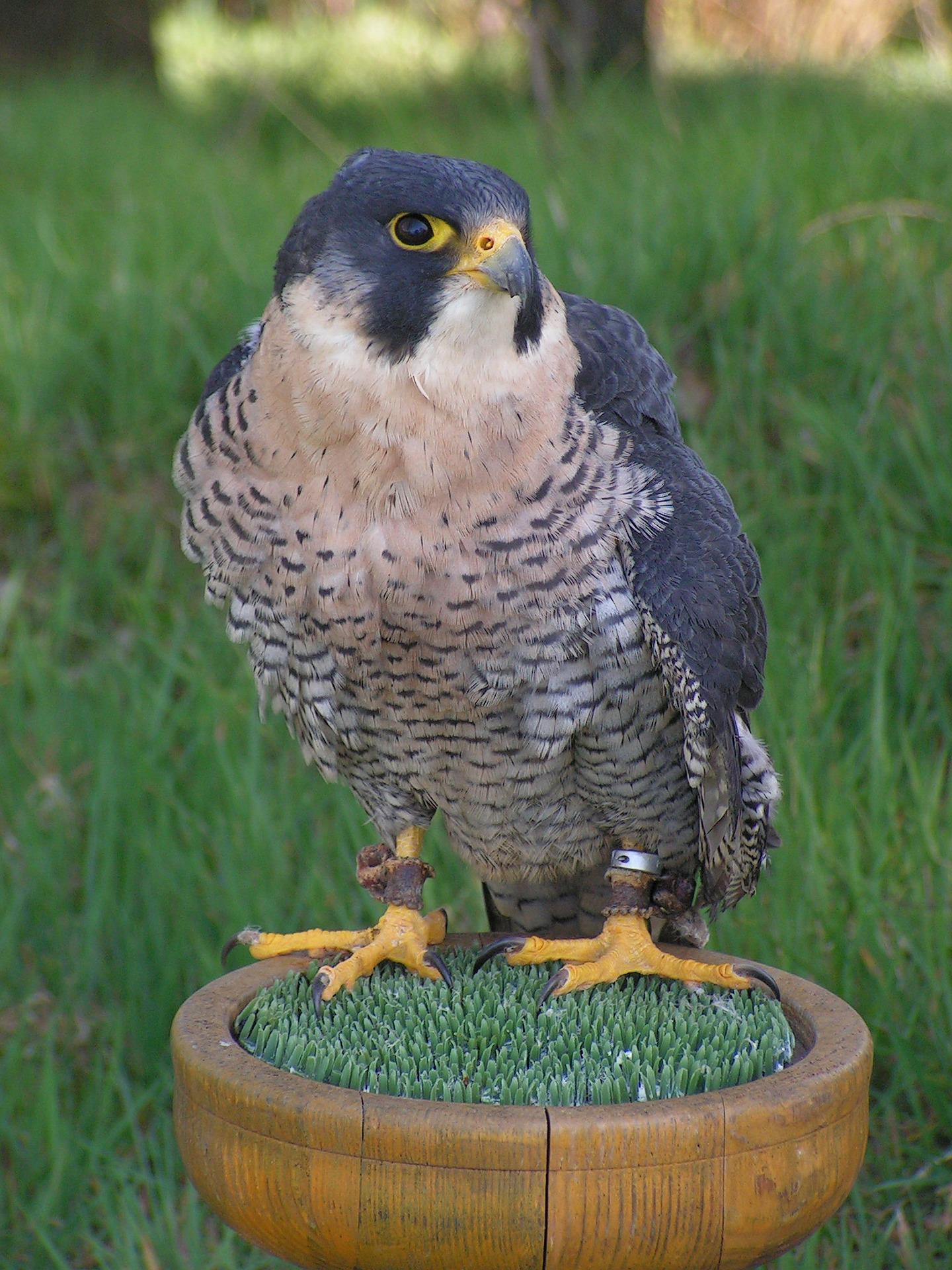
One of the first things I learned when I began my journey in falconry was the importance of Bonding and trust between you and your bird. This is especially true when it comes to working with a Peregrine Falcon. The bond you share with your bird is the foundation of your relationship and will determine the success of your training, hunting, and overall experience.
Benefits of Bonding With Your Falcon
Bonding with your falcon, especially if you are a falconer, is pivotal to your success as a falconer. Here are a few reasons why Bonding with your bird is so important:
- Trust: Building a strong bond with your falcon is essential for trust between you and the bird. Peregrine Falcons are wild animals and, by nature, wary of humans. Establishing trust through positive interactions and consistent handling helps the falcon feel secure and comfortable in your presence.
- Cooperation: A bonded falcon is more likely to cooperate during training sessions and hunting expeditions. When a falcon trusts its handler, it’s more inclined to follow commands, respond to cues, and engage in the desired behavior.
- Effective Training: Bonding facilitates effective training sessions. Peregrine Falcons that are bonded to their handlers are more receptive to learning new skills and behaviors. This makes it easier to teach them hunting techniques, recall commands, and other necessary skills for falconry.
- Reduced Stress: Handling a falcon can be stressful for both the bird and the handler if there isn’t a strong bond. A well-bonded falcon is typically more relaxed during handling, reducing the likelihood of stress-related issues such as feather plucking or aggressive behavior.
- Enhanced Relationship: Bonding with your falcon can lead to a deeper and more fulfilling relationship between you and the bird. This bond is not only beneficial for training and hunting purposes but also enriches the overall experience of falconry.
- Safety: A strong bond can contribute to safer interactions between the falcon and its handler. Falcons can be powerful birds with sharp talons and beaks, so a trusting relationship helps minimize the risk of accidental injury during handling and training.
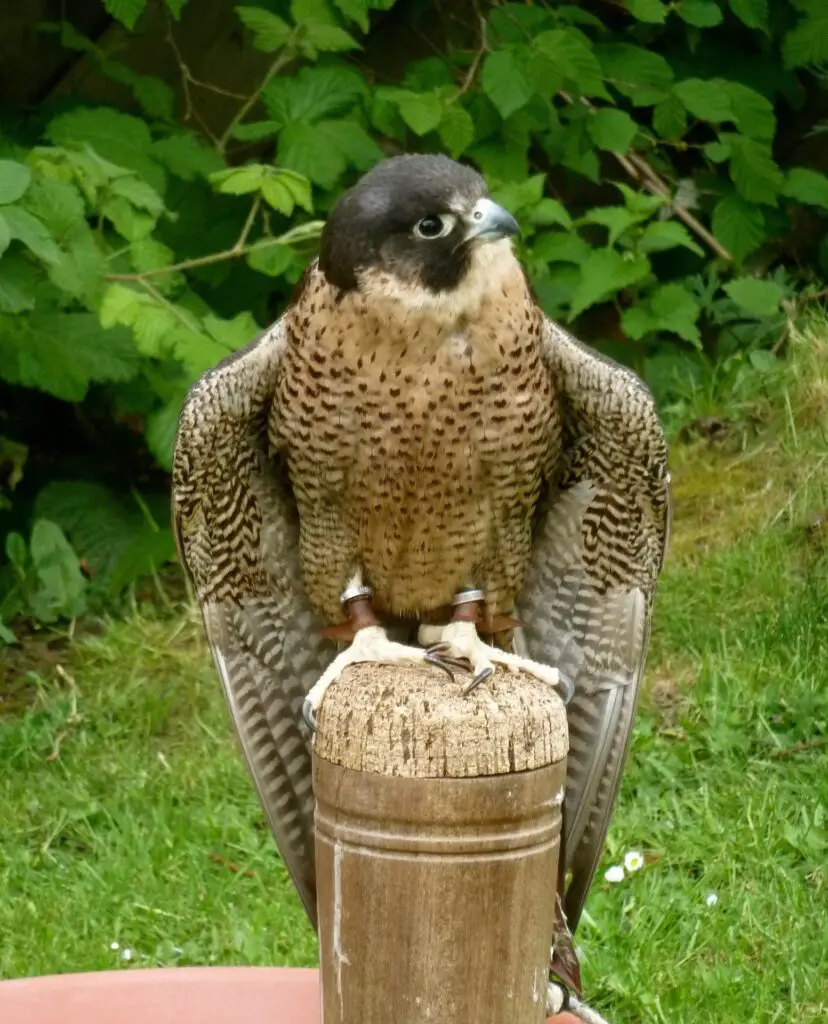
Tips for Building Trust and Bonding With Your Falcon
Building trust and Bonding with your Peregrine falcon is a gradual process that requires patience, consistency, and positive reinforcement. Here are some tips I have used to establish a strong bond with my Peregrine falcon:
- Start Early: If possible, begin the bonding process when the falcon is still a juvenile. Young falcons are generally more receptive to forming bonds with humans.
- Respect Personal Space: Initially, give your falcon space and avoid overwhelming it with too much interaction. I allow my bird to observe me from a distance and gradually approach as the bird becomes more calm and comfortable.
- Positive Reinforcement: Use positive reinforcement techniques such as food rewards to encourage desirable behaviors. Offer small pieces of food as a reward when the falcon exhibits calm behavior or responds to your cues.
- Consistent Handling: Handle your falcon regularly but gently. Consistency in handling helps build familiarity and trust. Use slow, deliberate movements to avoid startling the falcon.
- Establish Routine: Falcons thrive on routine, so establish a consistent daily schedule for feeding, training, and handling. Predictability can help the falcon feel more secure in its environment.
- Bonding Activities: Engage in bonding activities such as training sessions, where you can work together on basic commands and behaviors. Keep training sessions short and enjoyable to maintain the falcon’s interest.
- Positive Association: Associate yourself with positive experiences for the falcon. Spend time together during feeding, grooming, and enrichment activities. This helps create a positive association with your presence.
- Be Patient: Building trust takes time, so be patient and understanding throughout the bonding process. Respect the falcon’s pace and avoid rushing or forcing interactions.
- Observe Body Language: Learn to interpret your falcon’s body language to gauge its comfort level and emotional state. Respect cues indicating stress or discomfort, and adjust your approach accordingly.
- Avoid Punishment: Never use punishment or forceful techniques during interactions with your falcon, as this can damage trust and hinder the bonding process. Focus on positive reinforcement and patience instead.
- Socialization: Introduce your falcon to different environments, people, and experiences gradually to help it become more adaptable and confident.
- Build Mutual Trust: Trust is a two-way street. Show your falcon that you are a reliable and trustworthy companion by consistently meeting its needs and respecting its boundaries.
Communication and Understanding
Communication is essential in any relationship, including the one you share with your falcon. Pay attention to your bird’s body language, vocalizations, and behavior to interpret its needs, emotions, and desires. In turn, use consistent cues and commands to communicate your expectations and build understanding. Over time, you will develop a level of communication and mutual understanding with your falcon. Here are some common cues to look for:
| Communication Cues | Interpretation |
| Head Bobs | Excitement or curiosity |
| Tail Fanning | Agitation or warning |
| Vocalizations | Various emotions |
| Wing Flapping | Display or exercise |
| Eye Pinning | Stress or discomfort |

Enhancing Training and Performance
Enhancing the training and performance of your Peregrine falcon involves a combination of effective training techniques, consistent care, and a deep understanding of the bird’s natural behaviors. Utilizing positive reinforcement, maintaining consistency in training sessions, and gradually progressing training goals are essential for optimizing your falcon’s learning experience. Leveraging the bird’s innate instincts through hunting simulations and prey-based exercises fosters engagement and skill development.
Strengthening the bond and trust between you and your falcon is crucial for promoting cooperation and communication during training. Additionally, providing environmental enrichment, ensuring optimal fitness conditioning, and monitoring your falcon’s health closely contribute to its overall well-being and performance. By incorporating these strategies into your training regimen with patience, persistence, and a positive attitude, you can enhance your Peregrine falcon’s training outcomes and achieve greater success in falconry pursuits.
As you can see, building a strong bond with your Peregrine falcon is crucial for fostering trust, safety, and effective training. Without a bond, your bird may exhibit fear, aggression, or disinterest in working with you. By following the tips and strategies outlined above, you can establish a trusting relationship with your falcon and enjoy rewarding hunting sessions with your bird.