
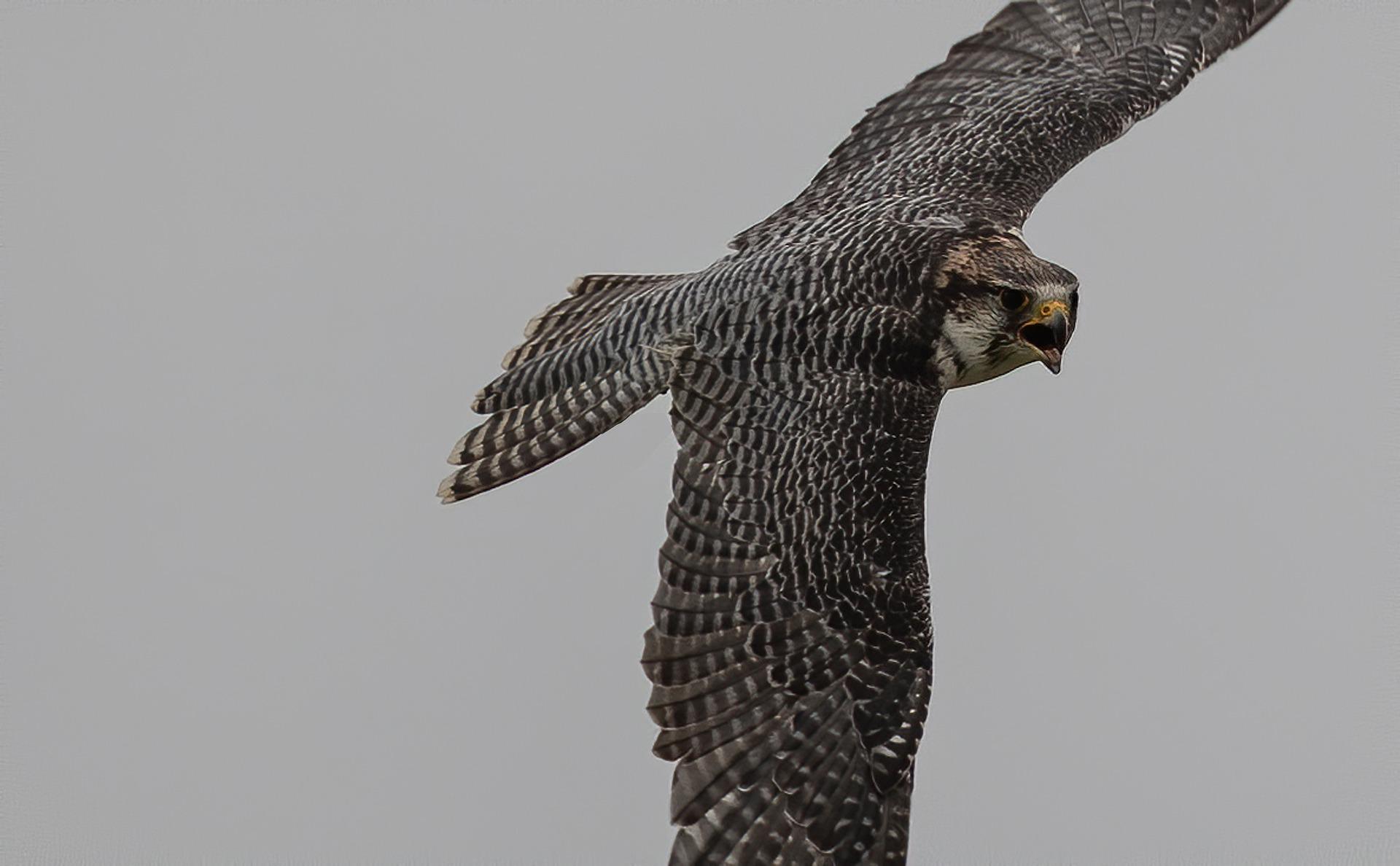
The diet of a peregrine falcon is essential for their health, energy, and overall well-being. These birds of prey require a varied diet in order to thrive in the wild or in captivity. Here, I will discuss what I feed my peregrine falcons and how to ensure they are receiving the proper nutrition.
Natural Diet of Peregrine Falcons
Peregrine Falcons primarily prey on small birds and occasionally insects. As a falconer caring for one of these birds, it’s important to understand their natural diet to guarantee their well-being and happiness. Observing their feeding habits in the wild can provide valuable insight into their nutritional needs and preferences.
Small birds such as starlings, sparrows, and pigeons are the main food sources for Peregrine Falcons. They also consume insects like dragonflies, beetles, and grasshoppers. While not as common as avian prey, insects provide essential nutrients and wide range to their diet. Offering a diverse range of food options can help replicate their natural feeding habits and promote overall health.

Prey Items in the Wild
When considering what to feed these birds, understanding their natural diet is crucial. In the wild, Peregrine Falcons hunt a variety of prey items to sustain their dietary needs. Here are some common prey items that Peregrine Falcons hunt in the wild:
- Pigeons: These birds are a favorite prey for Peregrine Falcons due to their abundance in urban areas.
- Waterfowl: Ducks and other waterfowl make up a significant portion of the falcon’s diet, especially near bodies of water.
- Shorebirds: Falcons are adept at hunting shorebirds such as sandpipers and plovers along coastlines and marshes.
- Small mammals: Field mice, voles, and even small rabbits are on the menu for Peregrine Falcons, providing essential nutrients.
- Insects: While not a primary food source, insects like dragonflies and beetles can supplement the falcon’s diet, especially during breeding season.
I always try to replicate the falcon’s natural diet as closely as possible to guarantee their health and well-being in captivity.
Nutritional Requirements for Captive Falcons
In captivity, Peregrine Falcons require a carefully balanced diet to ensure their nutritional needs are met. As falconers, we must provide a varied diet that includes protein, fat, carbohydrates, vitamins, and minerals. Here are some essential nutrients and their sources that should be included in a captive falcon’s diet:
- Protein: Meat from small birds such as quail, pigeon, and chicken provides falcons with the necessary protein.
- Fat: Fat is an essential energy source for Peregrine Falcons. Mice and rats are excellent sources of fat.
- Carbohydrates: Grains such as corn and oats can provide carbohydrates to supplement a captive falcon’s diet.
- Vitamins and Minerals: A balanced falcon diet should also include fruits, vegetables, and supplements to meet the bird’s vitamin and mineral requirements. Calcium, in particular, is crucial for healthy bones and egg formation in female falcons.
| Nutrient | Importance |
| Proteins | Essential for muscle development |
| Fats | Source of energy and insulation |
| Vitamins | Needed for overall health |
| Minerals | Support various bodily functions |
| Water | Essential for digestion and hydration |
I recommend consulting a veterinarian or experienced falconer to develop a well-rounded diet plan for your Peregrine Falcon.
Feeding Schedule for Adult Peregrines
Adult Peregrine Falcons typically require 1-2 meals per day, with the amount of food depending on their activity level and body weight. I suggest observing your falcon’s eating habits and adjusting the portion size accordingly. Here is a general feeding schedule that has worked well for my adult peregrines:
- Morning: A small meal to start the day, typically consisting of a mouse or small bird.
- Afternoon: A larger meal, such as a quail or medium-sized bird.
- Evening: Optional second feeding if the falcon is particularly active or has a high metabolism. This can consist of another small meal or a snack like a piece of meat.
It’s important to remember that every falcon is unique, and their feeding needs may vary. Some may require more or less food depending on their activity level and metabolism.
Feeding Schedule for Juvenile Peregrines
Young peregrine falcons have different dietary needs than adults due to their rapid growth and development. As a general rule, they should be fed 3-4 times a day until they reach maturity. Here’s a sample feeding schedule for juvenile falcons:
- Morning: A small meal of a mouse or small bird.
- Mid-morning: Another small meal to keep up with their high energy levels.
- Afternoon: A larger meal consisting of a quail or medium-sized bird.
- Evening: If the falcon is particularly active or has a high metabolism, it can be fed an optional second meal. This can consist of another small meal or a snack like a piece of meat.
It’s crucial to monitor the falcon’s growth and adjust their feeding schedule accordingly. Consult with a veterinarian if you have any concerns about your juvenile peregrine falcon’s nutritional needs.
I’ve found that following a structured schedule helps maintain the falcon’s health and behavior. Here are some tips to create an effective feeding schedule for adult Peregrines:
- Consistency is Key: Feed your falcon at the same times each day to establish a routine that they can rely on.
- Monitor Food Intake: Track your falcon’s food intake to ensure it’s getting enough nutrition.
- Adjust for Activity Levels: To maintain your falcon’s ideal weight, modify the feeding amount based on its activity level.
- Provide Fresh Water: Always have fresh water available for your falcon to stay hydrated, especially after feeding.
- Consult a Vet: Regularly consult with a veterinarian who specializes in birds of prey to make sure your falcon’s diet meets their specific needs.
Suitable Food Options for Hunting Falcons
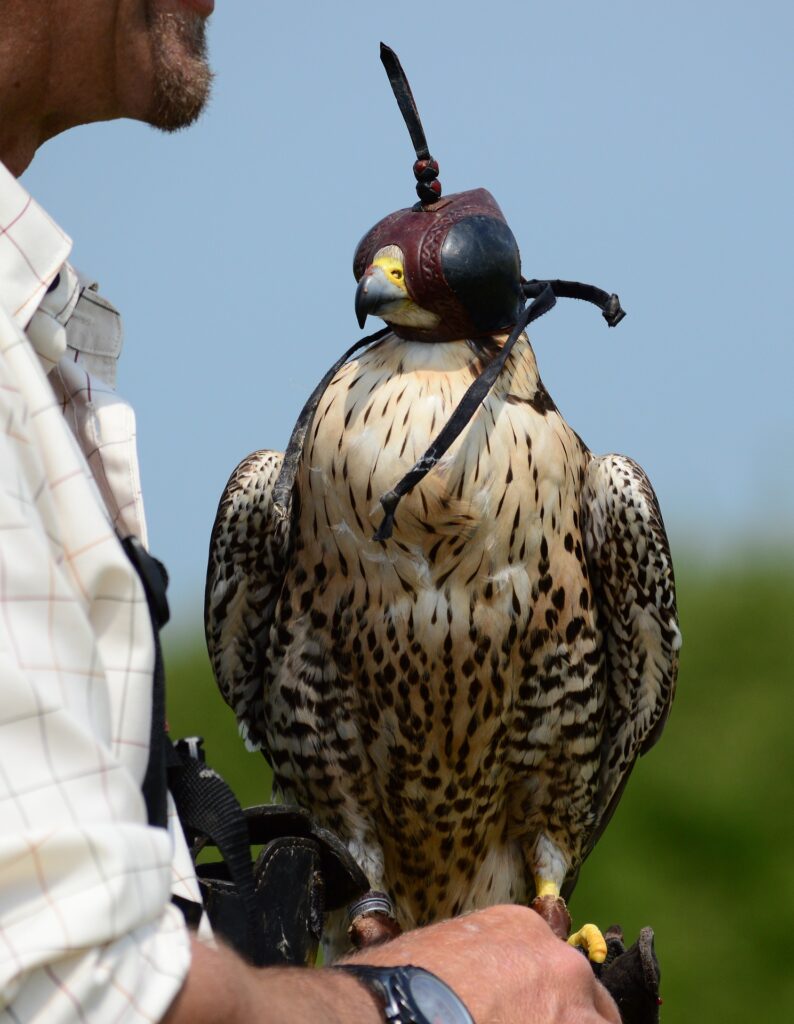
When considering suitable food options for hunting falcons, prioritize a diet rich in nutrients essential for their performance and health.
Here are some suitable options to take into account:
- Quail: This small game bird provides a good source of protein and is a favorite among many hunting falcons.
- Pigeon: A common prey for falcons in the wild, pigeons offer a balanced diet rich in vitamins and minerals.
- Duck: Larger falcons may benefit from the nutritional value found in ducks, which can help maintain their energy levels during hunts.
- Grouse: These birds are a great choice for hunting falcons due to their size and nutrient content, aiding in overall performance.
- Rabbit: While larger prey, rabbits are a hearty meal for falcons, offering a substantial source of protein and energy.
Commercially Available Falcon Diets
In addition to the options listed above, there are commercially available falcon diets that can provide a convenient and balanced meal for your falcon. These include:
- Whole prey: Whole frozen mice, rats, chicks, or quail can be purchased from specialty stores or online and offer a complete nutritional profile.
- Pelleted diets: These premade pellets are made from a mixture of grains, vitamins, and minerals and are designed specifically for falcons.
- Raw meat: Some falconers prefer to feed raw meat, which can include chicken, quail, or rabbit meat, as it closely resembles the diet of wild Peregrine Falcons.
Research and consult with experts before choosing a commercially available falcon diet, as they vary in quality and nutrient content. Supplement these diets with fresh fruits and vegetables to ensure your falcon receives all the vitamins and minerals it needs.
Commercial falcon diets undergo rigorous testing to ensure quality and safety, giving confidence in the products. By incorporating these diets into my falcon’s feeding routine, we can focus on enjoying our time together and watching my bird thrive on a well-rounded diet specifically tailored to meet its nutritional needs.
Supplements and Vitamins for Falcons
Supplements and vitamins play a pivotal role in maintaining falconers’ peak health and performance.
Here are some essential supplements and vitamins to contemplate incorporating into your falcon’s diet:
- Calcium: Important for bone health and eggshell formation in breeding falcons.
- Vitamin E: An antioxidant that helps boost the immune system and promote healthy reproduction.
- Omega-3 Fatty Acids: Supports heart health, reduces inflammation, and maintains glossy feathers.
- Vitamin B Complex: Essential for energy metabolism and overall nervous system function.
- Iron: Aids in oxygen transport throughout the body, vital for maintaining energy levels during flights.
Hydration Needs for Peregrine Falcons
Chicks obtain most of their hydration from the prey they consume, but juveniles and adults need access to fresh water daily. I make sure to provide clean water in a shallow dish or a water dispenser that’s easily accessible to my falcon. During hot weather or after strenuous activities like hunting or training sessions, I pay extra attention to their water intake to prevent dehydration.
Monitoring a falcon’s hydration levels is critical. I observe their behavior for signs of dehydration, such as panting, lethargy, or sunken eyes. If I notice any of these symptoms, I immediately offer water and, if necessary, consult a veterinarian for further guidance.
Monitoring Your Falcon’s Diet and Health
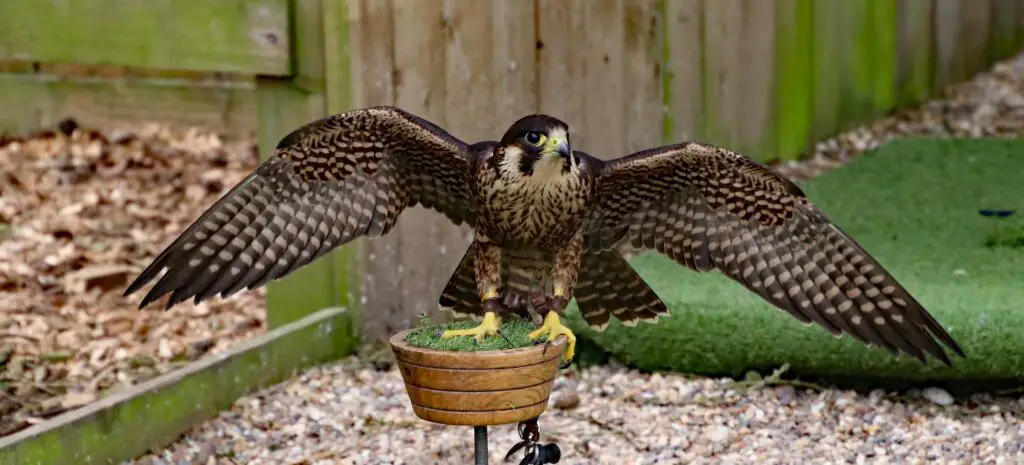
Regularly monitoring your falcon’s diet and health is crucial to ensure they receive proper nutrition. Some key factors to consider when monitoring include body weight, feather condition, and activity levels. Any changes or abnormalities should be addressed immediately with a veterinarian.
Here are the key aspects to take into account:
- Observe Eating Habits: Pay attention to how much your falcon eats daily to adjust portion sizes accordingly.
- Regular Weigh-ins: Weigh your falcon regularly to track any fluctuations that may indicate dietary issues.
- Consult with Experts: Seek advice from avian veterinarians or falconry professionals to fine-tune your bird’s diet.
- Record Keeping: Maintain a detailed log of your falcon’s diet and any changes in its health or behavior.
Feeding your peregrine falcon a well-balanced diet is essential for their health and well-being. By providing them with a variety of prey items, commercially available diets, and necessary supplements, you can guarantee they’re getting all the nutrients they need.
Remember to monitor their diet closely, especially for juvenile falcons, to ensure their thriving. Your falcon will thank you for keeping them healthy and happy!
Ensuring adequate nutrition for our majestic peregrine falcons is paramount. From understanding their natural prey items to maneuvering the complexities of commercial falcon diets, various factors must be taken.