
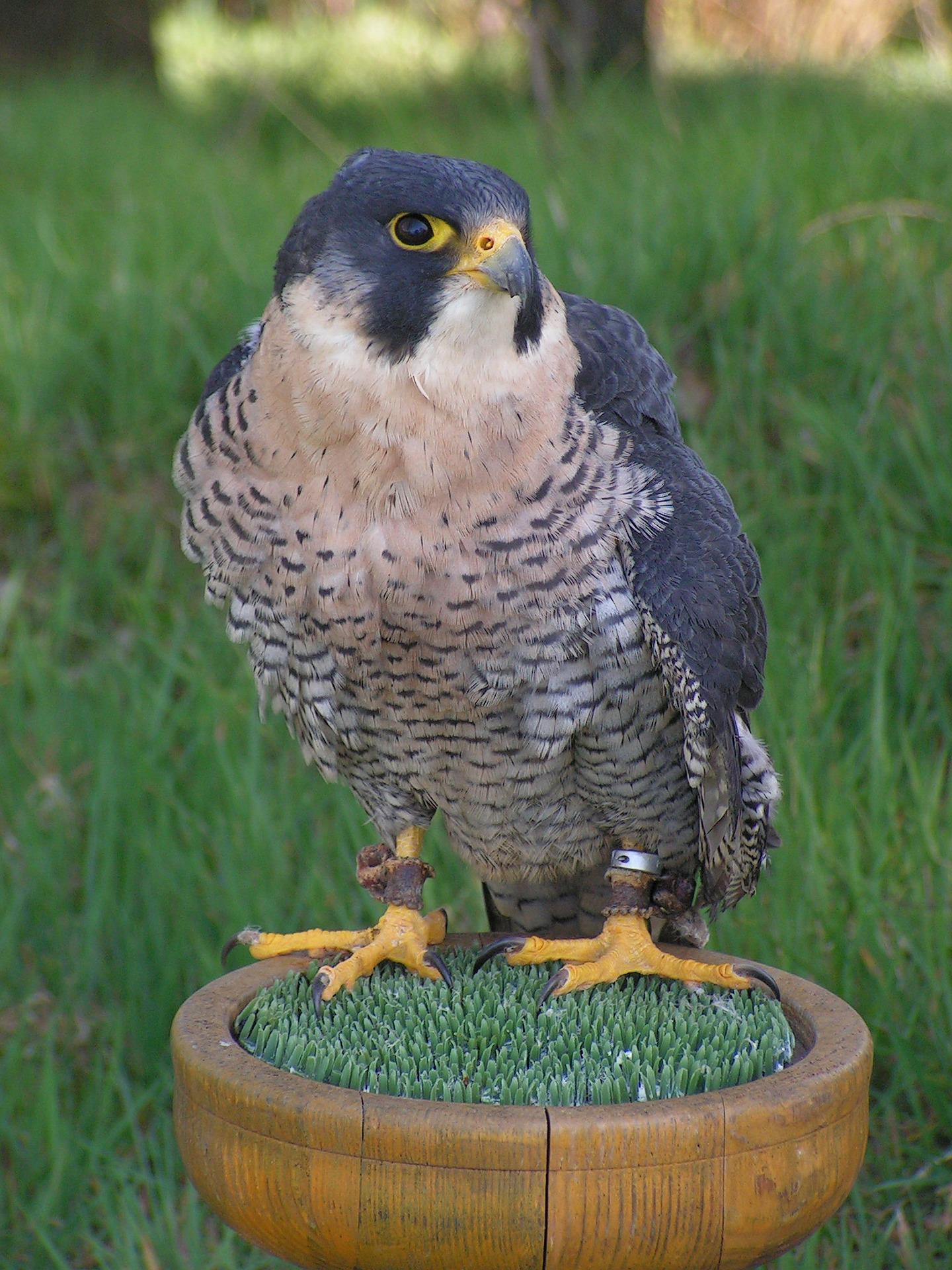
As a falconry enthusiast, one of the most common questions I get asked is, what do we feed our Peregrine Falcons? These majestic birds are known for their incredible speed and agility, making them highly sought after by experienced bird trainers. However, when it comes to feeding these creatures, there’s much more involved than just throwing them any old meat.
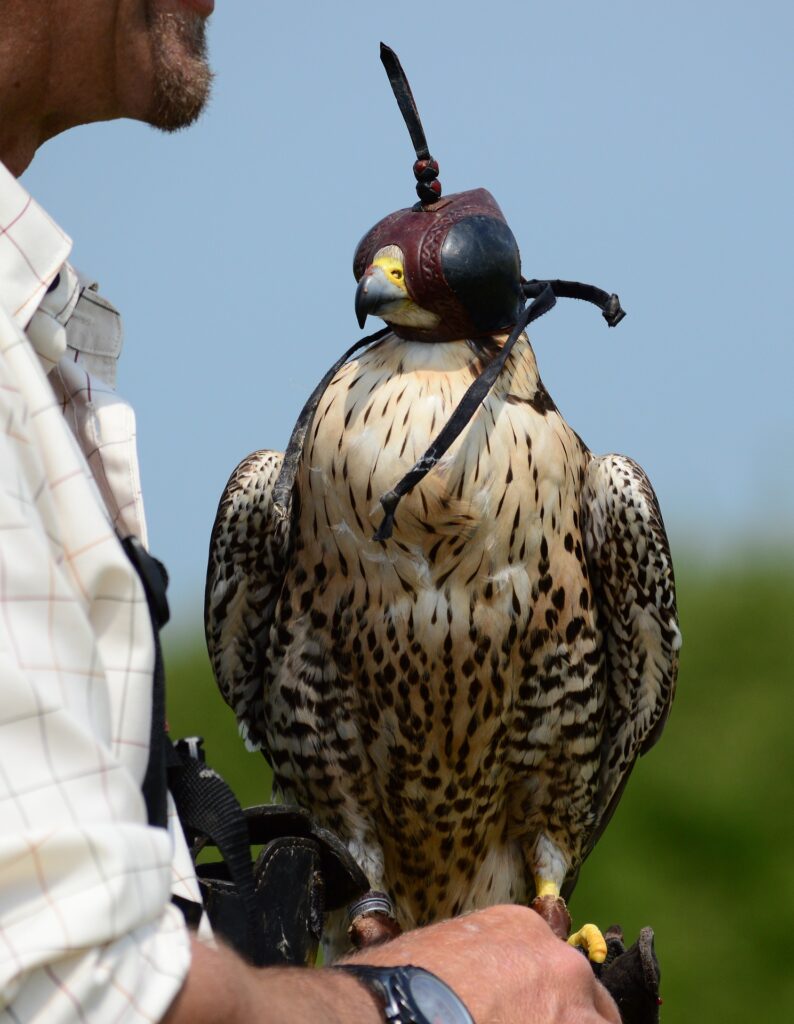
Falconers generally feed their Peregrine Falcons a diet of freshly killed prey, such as pigeons, doves, quail, and other small to medium-sized birds. The exact type and amount of food will depend on various factors, such as the age, size, and activity level of the bird, as well as the season and availability of prey.
Feeding your Peregrine Falcon requires careful consideration and a deep understanding of their nutritional needs. As avid hunters, they require a high-protein diet consisting primarily of fresh game such as quail or pigeon. In this article, we’ll explore the different types of food that you can give to your Peregrine Falcon to ensure they’re getting all the nutrients they need to thrive in captivity while still maintaining their natural instinct for freedom. So whether you’re an experienced falconer or simply curious about these magnificent creatures, read on to discover everything you need to know about feeding your Peregrine Falcon!
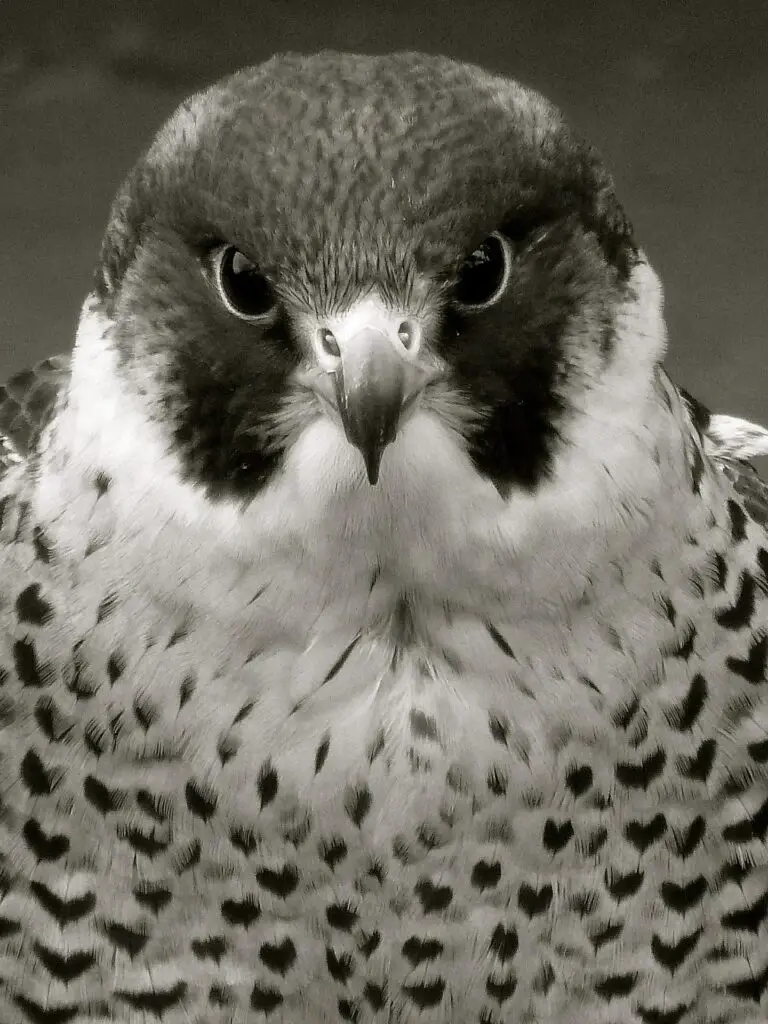
The Importance Of A Specialized Diet For Peregrine Falcons
As a falconer, I know that peregrine falcons are one of the most skilled hunters in the bird world. However, even as natural predators, they require specialized diets to maintain their health and energy levels. Knowing about their nutritional requirements is essential for any falconry enthusiast.
Food sources play an important role in meeting these nutritional needs. Peregrines feed primarily on other birds such as pigeons, doves, and quail. These prey items provide high protein content necessary for maintaining muscle mass, healthy feathers, and good overall body condition. It’s always best to source fresh whole prey items from reputable providers.
Feeding schedule also plays a crucial part in keeping your Peregrine healthy and happy. As with many predatory animals, it’s recommended to feed them smaller meals throughout the day rather than large meals all at once to avoid overfeeding or underfeeding. A regular feeding schedule will also help maintain optimal digestive function and prevent weight gain or loss issues down the line.
Whole Prey Items For Falconry Birds
As falconers and bird experts, we know that feeding a peregrine with the right kind of food is essential for their wellbeing. One of the best ways to provide your bird with a complete diet is through native prey items. These include small birds like quail, pigeons, and doves.
Using native prey has several advantages beyond nutritional value. It helps in developing hunting techniques and instincts as they mimic what they would typically hunt in the wild. In addition, it gives them an opportunity to develop natural behaviours such as tearing flesh from bones and picking feathers off the carcass.
Feeding your peregrine whole prey items can be both beneficial for their health and an exciting way to watch them eat. As you continue learning about falconry and caring for your bird, consider incorporating native prey into their diet while keeping in mind proper storage methods such as freezing and thawing before use.
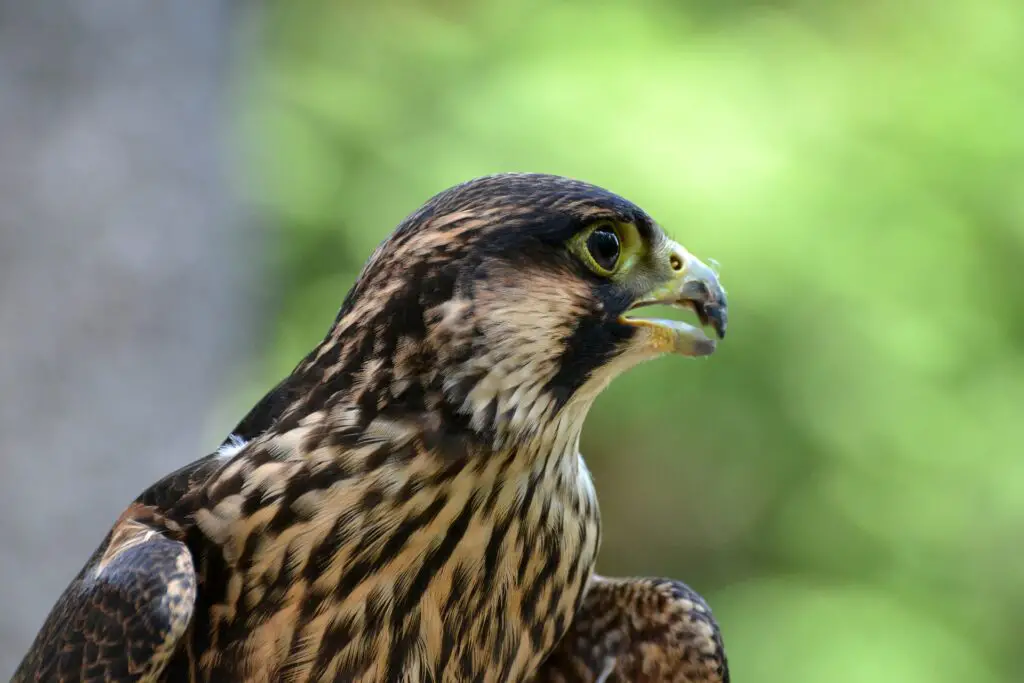
Frozen And Thawed Prey
Great advice! As a fellow bird enthusiast, I couldn’t agree more. Proper thawing techniques are just as important as the quality of the food we give our feathered friends.
When it comes to thawing, it’s important to take a patient approach. Thawing food in the fridge overnight is an effective and safe method. For those in a hurry, placing the food in a sealed plastic bag and submerging it in warm water can also do the trick. However, never use a microwave or hot water to speed up the proces.
Remember, when it comes to taking care of our bird friends, every detail counts. Taking the time to thaw their food properly is just one way we can make sure they’re getting the best care possible.
Supplementation For Balanced Nutrition
As a falconer, it’s essential to ensure that your Peregrine has a well-balanced diet. To achieve optimal health and performance, you must provide your bird with the right type of supplements and nutrients in their diet regularly.
Supplement types play an integral role in ensuring nutrient balance for peregrine falcons. These include mineral blocks, vitamins, calcium supplements, and probiotics. Each supplement serves a specific purpose in providing necessary nutrients that aren’t always present in food alone.
A consistent feeding pattern helps regulate metabolism while allowing proper digestion and absorption of nutrients. By adhering to a reliable feeding plan, you can also monitor how much they consume daily and adjust accordingly if needed.
Here are five key factors to consider when supplementing your Peregrine’s diet:
- Age
- Gender
- Seasonal changes
- Type of activity (hunting or non-hunting)
- Body condition score
By taking into account these considerations when choosing supplements for your Peregrine’s diet, you can help support their overall wellbeing and optimize their hunting abilities. In the next section, we’ll explore some critical factors affecting diet choices for peregrine falcons.
Factors Affecting Diet Choices For Peregrine Falcons
As a falconry expert, I understand the importance of ensuring that peregrine falcons have a balanced and nutritious diet. When it comes to choosing what to feed these birds, there are several factors that need to be considered. Environmental factors such as seasonality and habitat can greatly affect prey abundance and availability, which in turn affects the dietary choices for peregrines.
Nutritional requirements also play an important role in determining the diet of a Peregrine falcon. These birds require high levels of protein and fat to maintain their energy levels and support their intense hunting activities. It’s essential to provide them with nutrient-dense foods that meet their specific needs.
Despite all this information, every bird is unique, so you must take into account your individual bird’s preferences when deciding on its diet plan. The table below outlines some common food options for peregrine falcons, along with their nutritional content:
| Food Option | Nutritional Content |
|---|---|
| Pigeons | High in protein and fat |
| Quail | Good source of vitamin B6 and iron |
| Partridge | Rich in omega-3 fatty acids |
| Grouse | Contains high amounts of selenium |
In conclusion, environmental factors, prey abundance, and nutritional requirements should all be taken into consideration when planning out what to feed your peregrine falcon. By providing them with a variety of nutrient-dense foods, such as pigeons or quail, you’re helping ensure they remain healthy and strong hunters. In the next section, we’ll discuss how to properly prepare and serve food for falconry birds without compromising their health or wellbeing.
Preparing And Serving Food For Falconry Birds
Feeding a Peregrine falcon is no easy task, but it’s essential for their health and wellbeing. These birds of prey have unique preferences when it comes to food, so as a falconer, you need to be aware of what they like and dislike. The feeding schedule also plays an important role in the bird’s overall health.
Preparing food for your Peregrine requires some skill and knowledge. You must know how to handle raw meat properly and ensure that it’s fresh and free from bacteria. Depending on your bird’s preference, you may need to prepare different types of meat, such as quail or pigeon. Some falcons prefer larger pieces of meat, while others prefer smaller chunks. It all depends on the individual bird.
When serving food to your Peregrine, presentation is key. Some birds prefer their meat whole, while others prefer small bite-sized pieces. Remember that each bird has its own unique preferences, so don’t be afraid to experiment with different preparation techniques until you find what works best for your feathered friend. By paying close attention to your Peregrine’s diet, you’ll help keep them healthy and happy for years to come.
As a responsible falconer, monitoring the health and wellbeing of our beloved peregrines through their diet is crucial. A balanced diet ensures that they receive all the necessary nutrients needed for optimal performance during hunting or training sessions. In the next section, we will discuss how adjusting certain aspects of their diet can affect their overall health status- allowing us to make informed decisions about how best to care for these magnificent creatures!
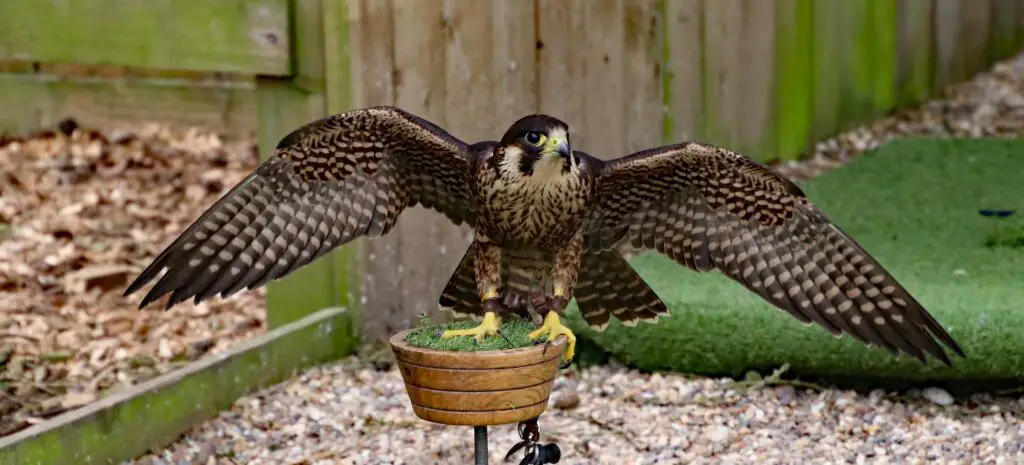
Monitoring The Health And Wellbeing Of Peregrine Falcons Through Diet
Have you ever wondered how falconers ensure the health and wellbeing of their Peregrine? One crucial aspect is monitoring their diet. Peregrines are carnivorous birds, so they need a varied prey variety to achieve nutritional balance in their meals.
To maintain optimal health, we provide our peregrines with a balanced meal frequency that suits their activity level and age. Younger birds require more frequent feeding than adult ones because they have higher metabolic rates. On average, adult peregrines eat around 500g of meat per day. However, this amount varies depending on factors such as weather conditions or breeding season.
Nutritional balance is essential for maintaining healthy feathers, muscles, and organs in peregrines. A balanced diet includes different types of game meats such as quail, pigeon, and partridge to meet all the bird’s nutritional requirements. We also supplement diets with vitamins and minerals when necessary to prevent deficiencies that can lead to various diseases or even death.
In summary, keeping a peregrine healthy requires providing them with prey variety while achieving nutritional balance through proper meal frequency. By doing so, we help our feathered friends thrive not only physically but mentally too!
Frequently Asked Questions
Can Peregrine Falcons Eat Vegetables Or Fruits?
When it comes to the nutritional value of a Peregrine falcon’s diet, there are certain dietary restrictions that must be followed. While some may wonder if these birds can consume fruits or vegetables as part of their meal plan, it is important to note that they primarily thrive on a protein-based diet consisting of meaty foods such as quail and pigeon. However, incorporating small amounts of fruits and veggies into their meals can provide additional vitamins and minerals for optimal health. As a bird/falconry expert, I highly recommend consulting with a professional before making any changes to your peregrine falcon’s fruit and vegetable diet. Remember, in order for them to maintain their freedom in the wild, we must ensure proper care and nourishment in captivity.
How Do Falconers Ensure That Their Peregrine Falcons Get Enough Water?
As a bird/falconry expert, I understand the importance of water consumption techniques for peregrine falcons. It’s not just about feeding schedules and hydration methods – it’s also important to ensure that your feathered friend is getting enough H2O throughout the day. One effective way to do this is by offering fresh water regularly throughout the day. You can also use special watering systems designed specifically for birds of prey. These systems provide clean, filtered water and help prevent dehydration during long flights or periods of exercise. Remember: when it comes to keeping your Peregrine hydrated, every drop counts!
What Are Some Common Health Issues That Can Arise From A Poor Diet In Peregrine Falcons?
As a bird expert and falconer, I know that proper nutrition is essential for the health of our feathered friends. Nutritional deficiencies can lead to metabolic disorders and digestive problems in peregrine falcons. Just like how we need a balanced diet to stay healthy, these majestic birds require specific nutrients to thrive in their natural habitat. Without this balance, they are unable to soar through the skies with grace and freedom. It’s crucial that we take responsibility for providing them with the right food so they can live long and fulfilling lives. Remember – a poor diet can clip their wings and prevent them from reaching new heights!
Do Different Subspecies Of Peregrine Falcons Have Different Dietary Requirements?
As a bird/falconry expert, I can tell you that different subspecies of peregrine falcons do have varying dietary requirements. Peregrine diet variations are largely influenced by their breeding and dietary needs. For instance, wild peregrines require diets consisting mostly of birds while captive-bred ones may adapt to eating more rodents or poultry. Hunting and dietary adaptations also play a significant role in shaping the Peregrine’s feeding habits. These magnificent creatures are known for their agile hunting skills, which allow them to catch prey mid-flight. Their bodies must be fueled with high-protein diets to sustain these incredible feats of athleticism. As someone who has dedicated my life to studying these majestic animals, I understand your subconscious desire for freedom and the natural world that surrounds us all – let me tell you, there is nothing quite like seeing a peregrine soaring through the sky on its own terms!
So, there you have it – the ins and outs of what Peregrine Falcons are fed by falconers. As an expert in bird care and falconry, I must say that these birds are truly fascinating creatures with unique dietary needs.
It’s ironic to think about how we put so much effort into feeding our feathered friends while sometimes neglecting our own diets. But alas, such is life. Just remember to keep your peregrines healthy and happy, and they’ll reward you with their majestic presence for years to come. Happy hunting!