

Peregrine falcons are the fastest animals in existence. However, with this incredible speed must come an equal amount of nutrition to support their body’s speed and agility, so what exactly do these raptors eat? What will they do if there is no food available, and how does their diet differ when they are used in falconry?
A peregrine falcons diet mainly consists of smaller birds and mammals such as starlings, pigeons and small rodents. Their sharp talons and hooked bills make them highly effective hunters, and they can take down prey larger than their own weight! These raptors need certain nutrients to support their high metabolisms.
When it comes to either feeding a peregrine or if curious about what they might eat in the wild, the content below is dedicated to the eating habits of peregrine falcons, as well as what you can and cannot feed them.
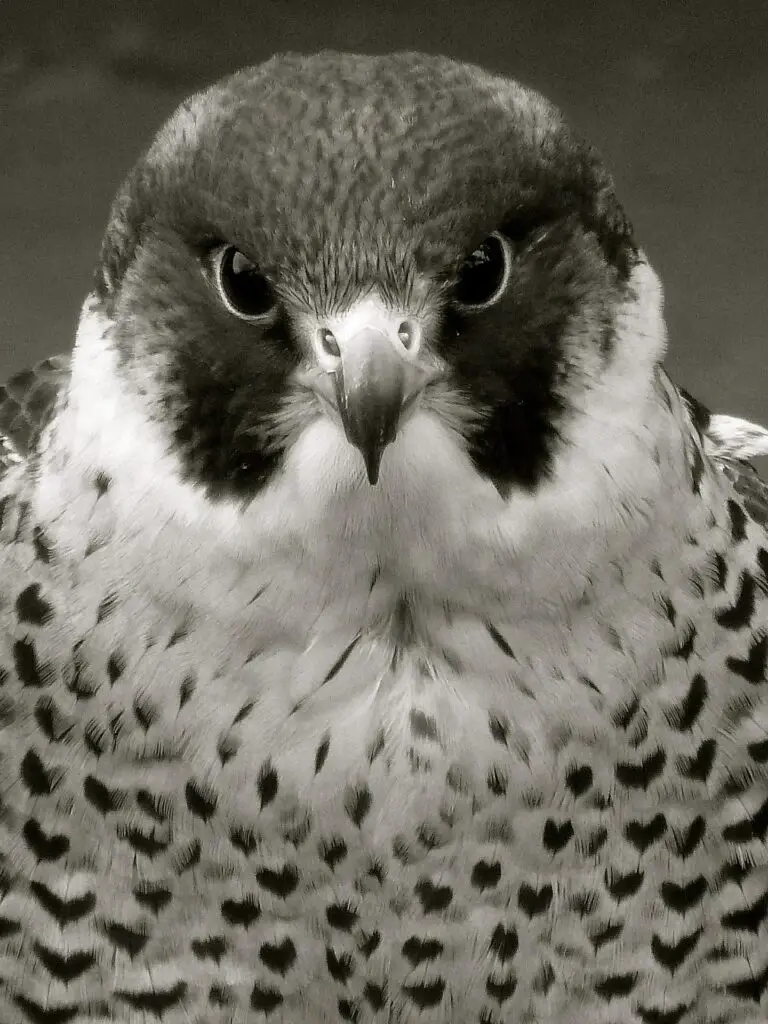
Are peregrines carnivorse omnivores or herbivores
Peregrine falcons are carnivores, which means that their diet consists primarily of meat. Peregrines typically hunt smaller birds, such as doves and sparrows, in the wild. They will also eat small mammals, reptiles, and insects. While peregrines in the wild typically stick to a diet of mostly meat, those in captivity may be given a more varied diet. This is because it can be challenging to provide a steady supply of fresh meat in captivity. Regardless of their diet, peregrines are built for hunting and eating other animals. Their talons are sharp and curving, and their beaks are strong and hooked. This allows them to kill their prey quickly and easily.
Exploring the Diet of the Peregrine Falcon
Peregrine Falcons typically eat birds, but they can also eat small mammals and reptiles. The diet of a Peregrine Falcon depends on what is available in its habitat, but these birds typically hunt during the day and roost at night. Therefore, they usually live in open areas where they can easily spot their prey, such as grasslands, marshes, and river valleys. In captivity, they will consume a variety of prepared foods, including fresh meat and fish.
Uncovering the Nutritional Needs of the Peregrine Falcon
Peregrine falcons are obligate carnivores, which means that their diet consists only of meat. A typical peregrine falcon eats 1 to 2 ounces of food daily. The diet of a wild peregrine falcon typically consists of small birds, such as doves, starlings, and sparrows. The diet of a captive peregrine falcon may also include rodents, such as mice and rats. In order to meet the nutritional needs of the peregrine falcon, it is essential to provide a diet that is high in protein and fat.
What types of food are best for a peregrine
Peregrines are raptors, or birds of prey, with particular dietary needs. In the wild, peregrines eat other birds, such as ducks, starlings, and thrush. Small mammals will also be eaten by them, such as rodents and bats. In captivity, peregrines can be fed a diet of commercially available frozen prey items, such as quail or mice. It is vital to offer various prey items to ensure that the peregrine receives all the nutrients it needs. Peregrines are also known to eat carrion, so offering them a variety of meat-based foods is essential for their health.
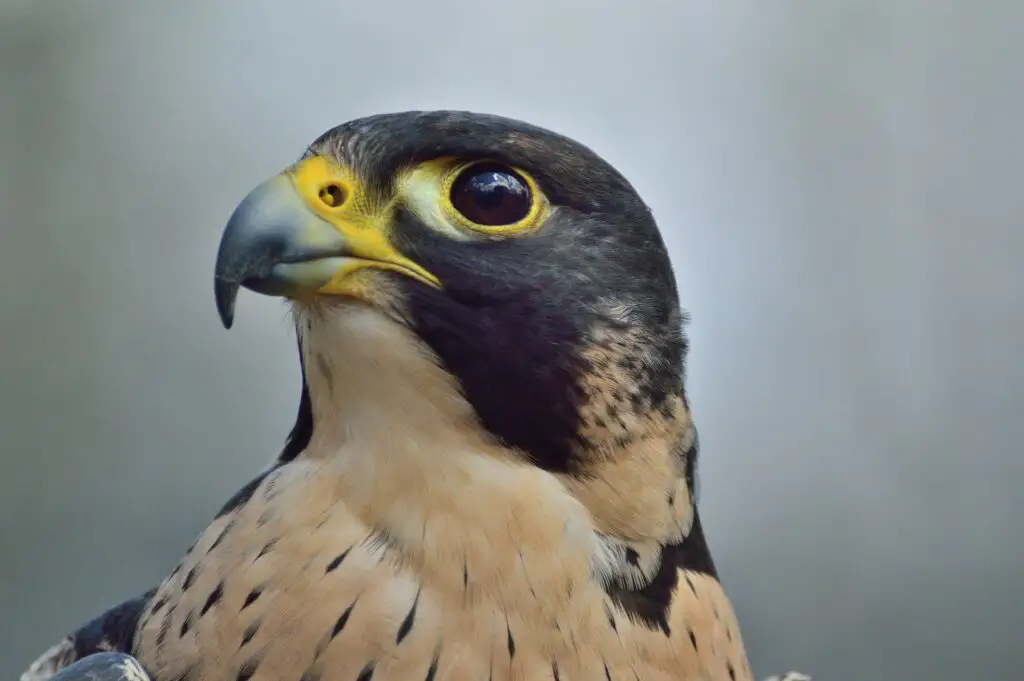
How often should I feed my bird, and what are the consequences of irregular feeding
Peregrine falcons are among the most popular birds of prey, prized for their magnificent hunting abilities. When kept as pets, they require a diet that includes both birds and mammals. In the wild, peregrine falcons typically eat one large meal per day, but captive birds may benefit from being fed more frequently. The exact feeding schedule varies according to the size and age of the bird, as well as its activity level. For example, younger birds or those who are breeding may need to be fed more often than adult birds who are not actively hunting.
Irregular feeding can have severe consequences for peregrine falcons. These birds rely on a steady supply of food to maintain their energy levels, and an erratic diet can lead to malnutrition or even starvation. In addition, irregular feeding can disrupt the natural hunting instincts of the bird, making it more challenging to transition back to a wild diet if it is ever released into the wild. For these reasons, it is essential to consult with a veterinarian or experienced falconer before feeding a peregrine falcon.
Can my peregrine eat fruits or vegetables?
Peregrine falcons are carnivorous birds, meaning that their diet consists primarily of meat. However, that doesn’t mean that they never eat fruits or vegetables. While most of their diet is typically made up of small birds and mammals, peregrines will occasionally eat fruits or vegetables if they’re available. So, suppose you’re wondering whether or not your peregrine can eat fruits or vegetables. In that case, the answer is yes – but it shouldn’t make up anything significant in their diet.
Does a peregrine eat fish?
Peregrine falcons are raptors or birds of prey. As such, it has a diet that consists primarily of other birds and small mammals. However, the peregrine is also known to eat smaller vertebrates, including reptiles, amphibians, and fish. Although fish is not a standard part of the peregrine’s diet, they can be fed fish as an occasional treat. However, fish should only make up a small percentage of their overall diet and should never replace more appropriate meals such as fresh meat and poultry.

Can my peregrine occasionally have human junk food?
Many people believe giving their pet bird the occasional treat of human junk food is okay, but this is not the case. Human junk food is typically high in fat and salt, which can be harmful to birds. In addition, many junk foods contain artificial ingredients and preservatives that can also be dangerous for birds. As a result, it is best to stick to bird-safe foods when feeding your pet peregrine falcon.
If you see a peregrine falcon in the wild, keep your distance and enjoy this magnificent bird from afar. And remember, they’re not just beautiful to look at – they’re also top predators that play an essential role in keeping our ecosystems healthy.