
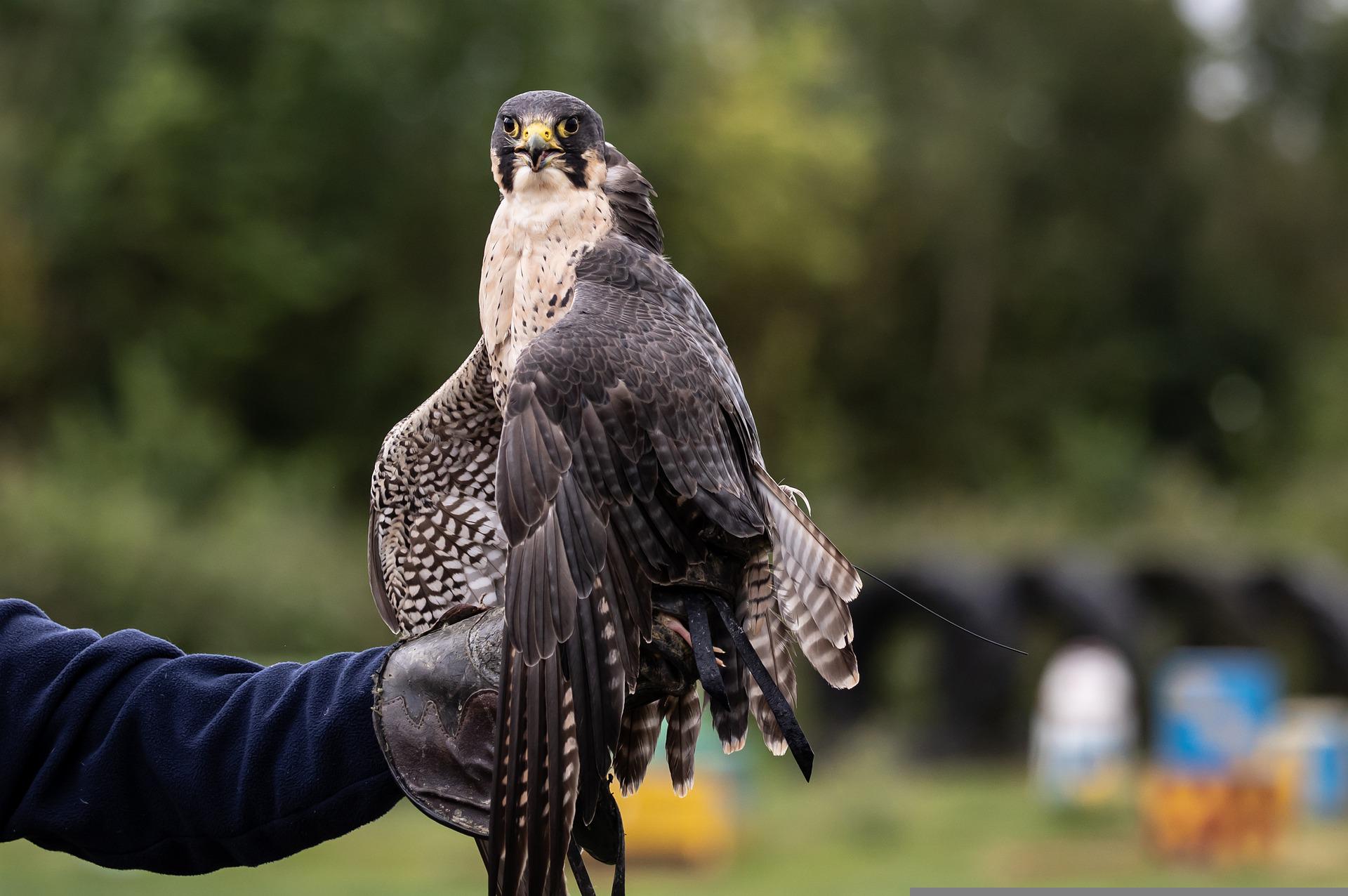
If you own a Peregrine Falcon or are interested in owning one as a pet, it’s important to know what they need to survive and thrive. Peregrine Falcons require specific care and attention in order to stay healthy and happy, and it’s crucial to understand their needs before bringing one into your home. Here I’ll provide you with the information you need to properly provide, maintain and care for your bird.
Understanding the Natural Habitat of Peregrine Falcons
Peregrine Falcons are birds of prey found worldwide in a wide range of habitats. However, they primarily live in mountainous regions, coastal areas, and open grasslands. These natural environments provide them with high perches for hunting, access to water sources, and plenty of open space to fly and hunt.
In captivity, it’s important to try and replicate their natural habitat as closely as possible. This means providing them with a large, spacious enclosure that mimics the open spaces of their natural habitat. Additionally, having access to high perches and freshwater sources is essential for their well-being.
Essential Food and Water Requirements
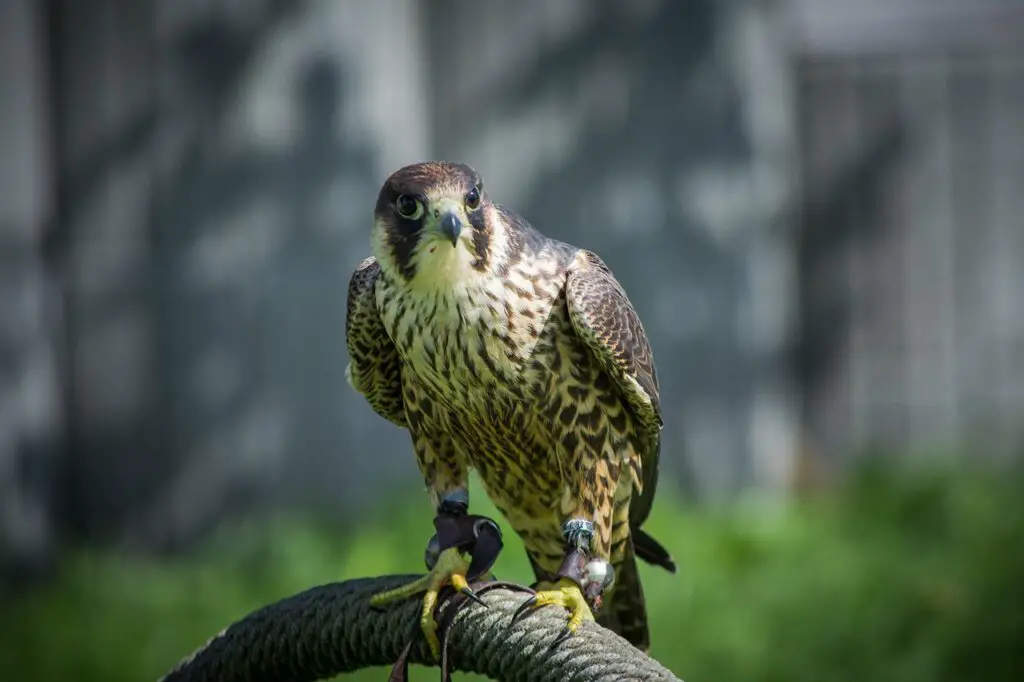
Nourishing the powerful Peregrine Falcons requires a diet rich in protein and access to clean water sources to sustain their hunting prowess and overall health. To guarantee the well-being of these majestic birds, we must provide them with the following:
- High-Protein Diet: Peregrine Falcons primarily feed on medium-sized birds like pigeons and doves, which provide them with the necessary nutrients to thrive.
- Varied Prey Options: Offering a diverse range of prey species ensures that the falcons receive all the essential vitamins and minerals needed for peak health.
- Fresh Water Sources: Access to clean, fresh water is vital for hydration and proper physiological functions in Peregrine Falcons.
- Regular Feeding Schedule: Maintaining a consistent feeding routine helps regulate the falcons’ metabolism and energy levels for successful hunting.
- Supervised Feeding: Monitoring the falcons during feeding times allows us to make sure they’re consuming an adequate amount of food and identify any potential health issues early on.
Importance of Providing Shelter and Nesting Sites
In the wild, Peregrine Falcons nest on rocky ledges or in tall trees near their hunting grounds. Therefore, providing a suitable shelter and nesting site is crucial for captive birds’ well-being.
- Enclosure Size: Peregrine Falcons require large enclosures to mimic their natural habitats and allow them to fly and exercise freely.
- Nesting Box: A nesting box should be provided for breeding pairs to lay their eggs and raise their young.
- Perches and Roosting Areas: High perches allow the falcons to survey their surroundings, hunt, and rest as they would in the wild.
Hunting and Feeding Behaviors
During their hunting expeditions, Peregrine Falcons show remarkable agility and precision in capturing their prey.
They’re known for:
- High-speed dives: Falcons can reach speeds of over 240 miles per hour when diving to catch their prey.
- Sharp talons: Their strong talons help them grasp and hold onto their prey securely.
- Excellent eyesight: Falcons have keen eyesight, allowing them to spot prey from great distances.
- Stealthy approach: They use their streamlined bodies and stealth to surprise their prey.
- Swift kills: Falcons swiftly dispatch their prey using a quick bite to the neck.
Physical and Mental Stimulation Needs
These birds thrive on challenges that keep their bodies and minds sharp. Providing opportunities for them to exhibit their natural behaviors like hunting, flying, and even problem-solving tasks is essential. Physical stimulation can be achieved through activities such as flying exercises, agility training, and interactive toys that simulate hunting scenarios. Mental stimulation, on the other hand, can be fostered through puzzle feeders, training sessions, and exposure to new environments that encourage exploration.
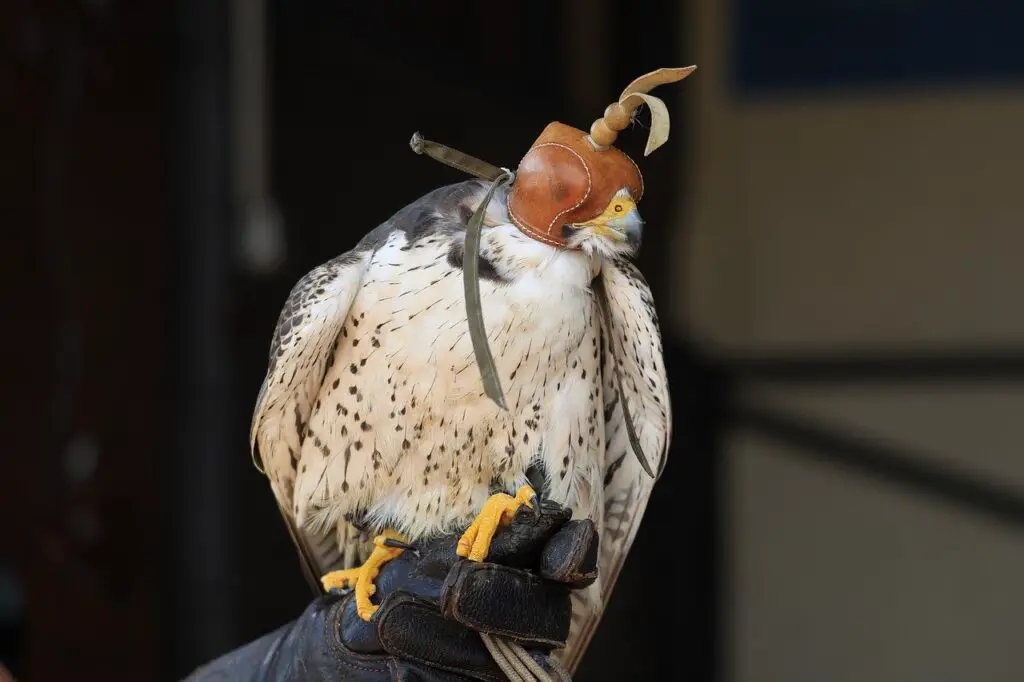
I’ve witnessed firsthand the positive impact of providing ample physical and mental stimulation. Not only does it keep them physically fit and mentally sharp, but it also enhances their overall quality of life. By catering to their stimulation needs, we’re ensuring that Peregrine Falcons lead fulfilling and enriched lives in captivity.
Health and Veterinary Care Considerations
It’s crucial to monitor Peregrine Falcons for any signs of illness or injury. Being aware and noticing changes in behavior, appearance, or appetite can help detect potential health issues early on. Seeking veterinary care from an avian specialist at the first sign of a problem is crucial for maintaining your bird’s health.
Some common health concerns I’ve previously witnessed in Peregrine Falcons include:
- Malnutrition: Improper diet and inadequate access to fresh water can lead to malnutrition, causing serious health issues.
- Respiratory infections: Falconers must maintain a clean and dry enclosure to prevent respiratory infections, which can be fatal if left untreated.
- Foot problems: Peregrine Falcons have powerful feet that can suffer from soreness or even injury if not given proper perches and roosting areas.
Here are five key considerations:
- Regular Health Check-ups: Scheduling routine check-ups with an avian veterinarian helps detect any potential health issues early on.
- Balanced Diet: Providing a diet rich in nutrients essential for falcon health, such as high-quality proteins and vitamins, is crucial.
- Preventive Care: Administering parasite prevention treatments and vaccinations can safeguard against common illnesses.
- Monitoring Behavior: Observing their behavior closely allows for early detection of any changes that might indicate health problems.
- Emergency Preparedness: Being equipped with the necessary knowledge and supplies to handle emergency situations promptly is vital for their well-being.
Providing Peregrine Falcons with a healthy diet, access to clean water, spacious enclosures, suitable shelter and nesting sites, physical and mental stimulation opportunities, and regular veterinary care is essential for their overall well-being.