
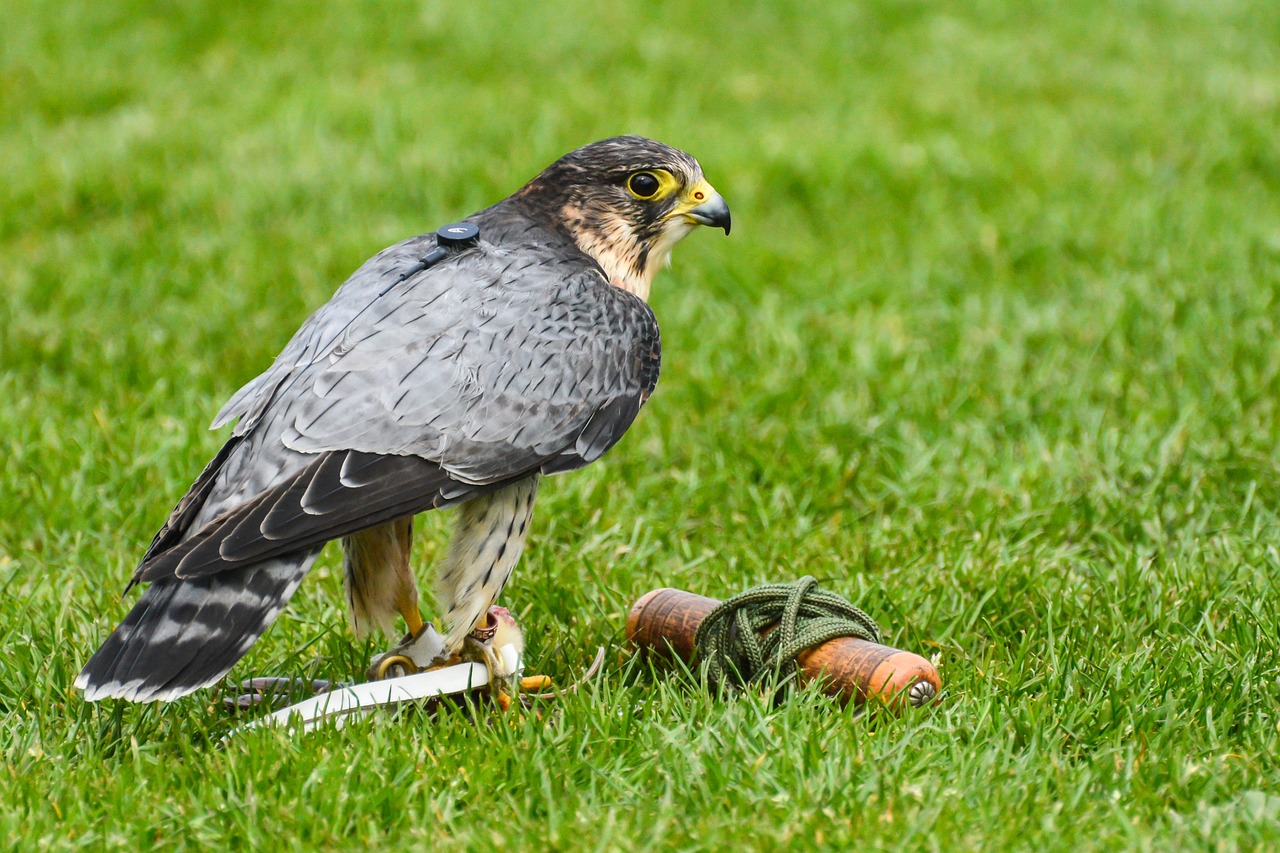
From my experience in breeding and rearing Peregrine falcons, I recommend separating chicks from their parents after around three weeks. At this stage, they are equipped with flight feathers for flying and hunting independently. It’s important for their survival and adapting skills. It’s important to watch for signs like eating independently, comfort with interactions, and strong flight abilities. Balancing independence with parental guidance builds their confidence. Separating too early can hinder their connection and learning of important skills. It’s important to know when they’re ready for a change. Separation at the right time helps them grow and develop healthily.
Best Age for Separation
When determining the best age for separating peregrine falcon chicks from their parents, it’s essential to consider their developmental stage and readiness for independence. Peregrine falcon chicks typically reach a stage where they’re physically capable of surviving on their own, which is usually around 35 to 42 days after hatching.
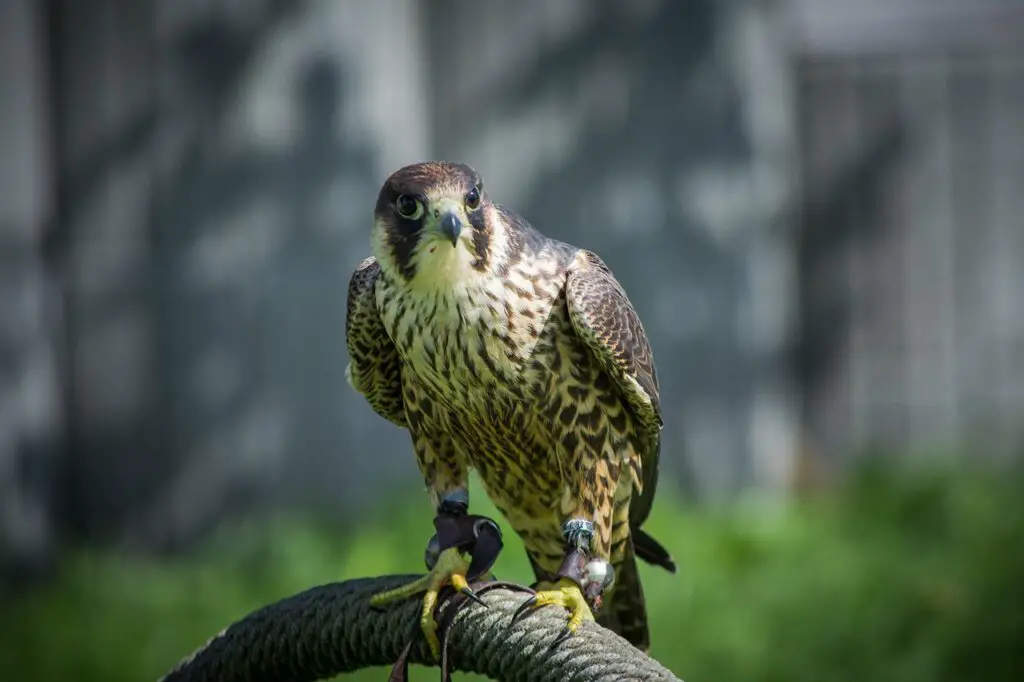
They’ve developed their flight feathers at this age, enabling them to fly competently and hunt for prey. Separating them too early can hinder their ability to fend for themselves and adapt to their environment. On the other hand, delaying the separation excessively can lead to over-dependence on the parents, making the change more challenging.
Behavioral Indicators for Readiness
Separating Peregrine Falcon chicks from their parents in falconry should be done with care and consideration for the birds’ well-being. Here are some behavioral indicators that may suggest Peregrine Falcon chicks are ready to be separated from their parents:
- Feeding Independence:
- Chicks should consistently take food from a falconer or feed themselves without relying heavily on their parents.
- Wing Development:
- Chicks should have well-developed wings and show signs of strong flight capabilities or the ability to flap and hover.
- Physical Growth:
- The chicks should have reached a significant size and weight appropriate for their age, indicating that they are mature enough to handle the separation and adapt to new surroundings.
- Exploratory Behavior:
- Chicks may start showing increased curiosity about their environment, exploring their surroundings, and displaying natural hunting behaviors.
- Reduced Parental Dependence:
- Chicks should be less dependent on their parents for warmth and shelter, showing increased independence and confidence.
- Vocalization:
- Chicks may produce less frequent begging calls or vocalizations directed at their parents, indicating reduced dependence on parental care.
- Aggression Toward Parents:
- Chicks may display increased aggression or territorial behavior towards their parents, which can signify readiness to establish their territory.
- Molt Patterns:
- Chicks may start showing signs of juvenile plumage molt, with the appearance of adult-like feathers indicating maturity.
- Physical Fitness:
- Chicks should demonstrate good physical fitness, stamina, and coordination, essential for survival in the wild and adapting to new hunting techniques in falconry.
- Mental Readiness:
- Chicks should exhibit alertness, attentiveness, and an eagerness to engage with their environment, indicating mental readiness for training and learning.
It’s essential to closely monitor the chicks for these behavioral indicators and consult with experienced falconers or avian veterinarians before separating them from their parents.

Impact on Parent-Chick Bonding
Separating Peregrine Falcon chicks from their parents can significantly impact parent-chick bonding and relationships. While it’s crucial for the chicks’ growth and development, it may also cause stress and confusion for the parents. Therefore, handling the separation process with care and consideration is essential.
Here are some key points to keep in mind:
- Emotional Connection: Separating chicks too early can disrupt the emotional connection between the parents and the chicks, affecting their well-being.
- Learning from Parents: Chicks learn essential survival skills and hunting techniques from their parents. Premature separation can hinder this learning process.
- Behavioral Development: The bond between parents and chicks plays a significant role in the behavioral development of young falcons.
- Long-Term Effects: Premature separation may have long-term effects on the chicks’ ability to adapt to the wild and survive independently.
I suggest that the best time to separate Peregrine Falcon chicks from their parents is when they’ve reached a physical and behavioral readiness stage. Before making the decision, monitoring and evaluating various factors like feeding independence, wing development, physical growth, parental dependence, and mental readiness is crucial.