
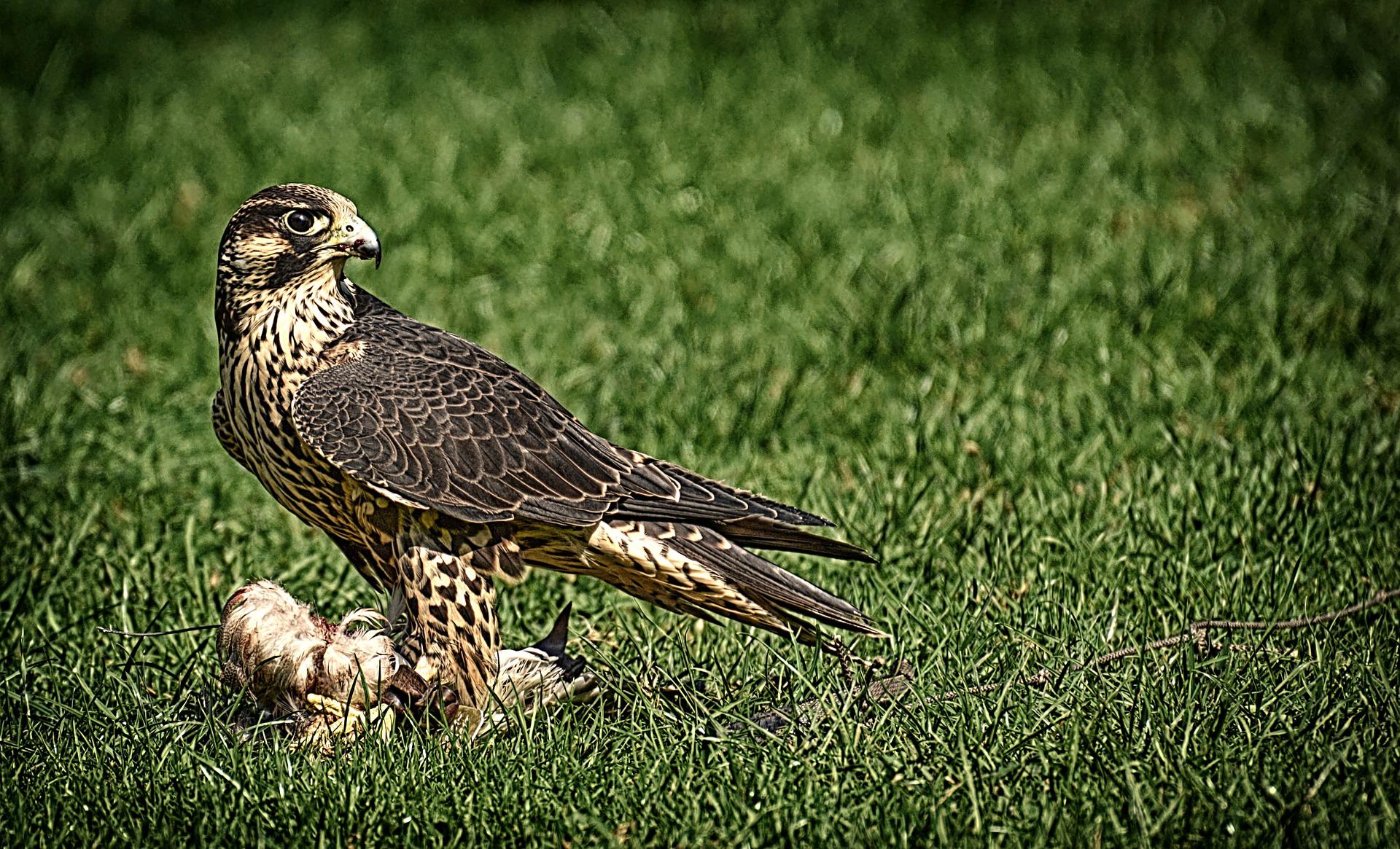
The Prairie Falcon’s agility and intelligence make it an exceptional choice for falconry. I find their hunting tactics fascinating; they use low-altitude dives to catch small mammals and birds. Their social behavior during breeding is intricate, with mated pairs defending their territory fiercely.
However, challenges like unpredictable migration and territorial conflicts can arise. If you’re intrigued by their training techniques, care requirements, and the legal aspects of falconry, there’s much more to explore about this remarkable bird.
Introduction:
Scientific name: Falco mexicanus
Family: Falconidae
Diet: Small mammals also eat birds, reptiles, and insects.
Lifespan: Typically 3-5 years in the wild; up to 20 years in captivity.
Habitat and Range: Open grasslands, deserts, and prairies across the western United States, Canada, and northern Mexico. Prefers wide, open spaces for hunting.
Temperament: Skilled and fast hunter, known for its high-speed dives and exceptional aerial agility.
Size: 15 to 20 inches in length.
Weight: 1 to 1.5 pounds (450 to 700 g), with females larger than males.
Color: Sandy brown upperparts and pale underside with dark streaking. Dark mustache markings on the face and dark wing tips.
Wingspan: 35 to 44 inches.
Wing Shape: Long and pointed for high-speed flight.
Tail Shape: Long and narrow with dark bands and a pale tip.
Biology and Natural History of Prairie Falconry
When I observe prairie falcons in their native habitats, I can’t help but appreciate their unique taxonomy and classification, which set them apart from other falcon species.
Their social structure and hunting behavior reflect a remarkable adaptation to the open, arid landscapes they inhabit, showcasing their efficiency as predators. Understanding these aspects reveals not just their survival strategies but also their role in the broader ecological context.
Taxonomy and classification
The prairie falcon (Falco mexicanus) stands out within the diverse family of falcons due to its unique evolutionary lineage and specific adaptations to arid environments. Its taxonomy hierarchy places it within the genus Falco, highlighting its distinct characteristics compared to other falcons.
Through genetic analysis, researchers have determined that the prairie falcon shares a closer relationship with peregrine falcons than once believed, revealing an evolutionary lineage that diverged from a common ancestor around 3-5 million years ago.
This scientific classification emphasizes its adaptability, showcasing how it thrives in harsh habitats while employing efficient hunting strategies.
Native habitat and range
Although prairie falcons are often associated with open, arid landscapes, their native habitat spans diverse environments across Western North America. I’ve observed them thriving in various settings, showcasing remarkable environmental adaptations. Their migration patterns are less pronounced compared to other falcons, as they prefer stable territories.
Here are three key aspects of their habitat:
- Open Country: They favor sagebrush, deserts, and shortgrass prairies.
- Nesting Sites: These falcons nest on rocky ledges, utilizing vertical cliffs for protection.
- Winter Habitats: They may move to agricultural areas in colder months.
Conservation efforts are crucial, especially in regions where habitat development threatens their populations. Understanding these dynamics helps in preserving this unique species.
Social structure and hunting behavior
While observing prairie falcons in their natural habitat, I’ve noticed that their social structure is quite fascinating, shaped by their hunting behavior and territorial instincts. These birds exhibit intricate social dynamics, especially during the breeding season, where they fiercely defend their territories.
Their hunting strategies involve coordinated attacks and agile maneuvering to outsmart prey. I’ve seen how they interact with prey, often employing surprise tactics to catch small mammals or birds.
| Aspect | Description | Example |
| Social Dynamics | Pair bonding during nesting | Mated pairs defend territory together |
| Hunting Strategies | Low-altitude pursuit of prey | Dives and fast flights |
| Territorial Behavior | Aggressive defense against intruders | Coordinated attacks on larger raptors |
| Prey Interactions | Opportunistic feeding habits | Hunting ground squirrels and small birds |
| Communication | Vocal signals during courtship | Kree-kree-kree calls |
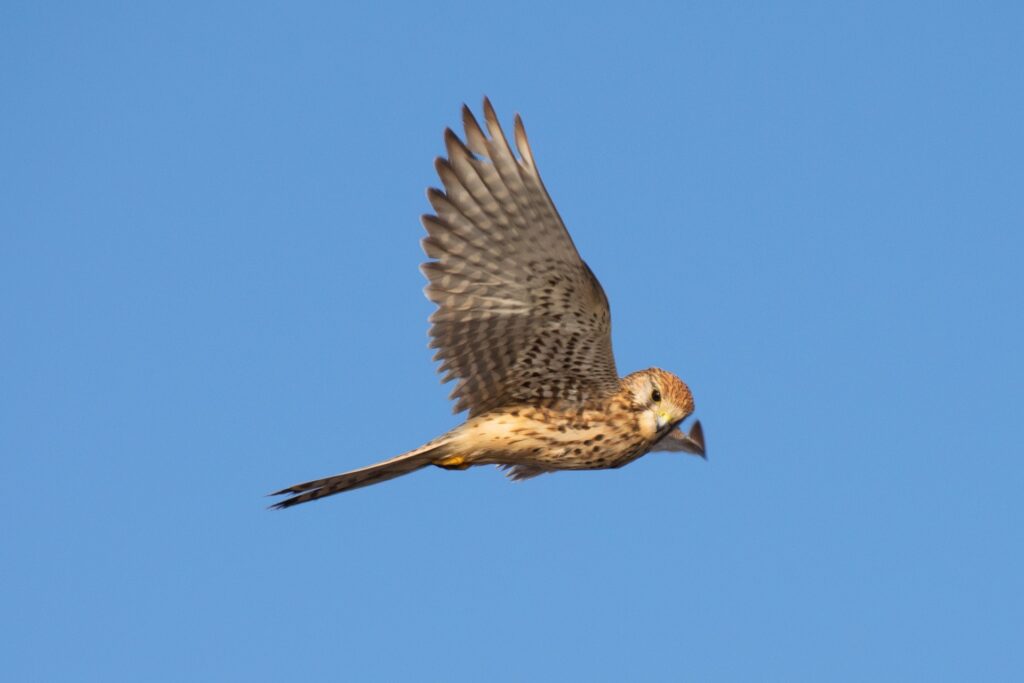
Lifespan and Health of Prairie Falcon
When I consider the lifespan of prairie falcons, there’s a striking contrast between their time in the wild and in captivity. In the wild, they typically live around 5 to 10 years, while those in controlled environments can thrive for over 15 years, facing different health challenges along the way. I’ve observed that common diseases and signs of illness require vigilant attention, making veterinary care essential for their well-being.
Lifespan in the Wild vs. Captivity
Understanding the lifespan of prairie falcons in the wild compared to those in captivity reveals intriguing insights into their health and survival strategies. This lifespan comparison highlights how environmental influences can drastically affect their longevity.
1. In the wild, prairie falcons typically live around 5-7 years, facing threats like predation and food scarcity.
2. In captivity, however, they can thrive for up to 20 years or more, benefiting from consistent care and a controlled environment.
3. Captive longevity often allows for better health management, contributing to their overall well-being.
While wild survival demands adaptability and resilience, captive conditions provide security that enhances their lifespan. This contrast underscores the importance of understanding how different environments shape these remarkable birds’ lives.
Common Diseases and Health Concerns Faced by Prairie Falcon
Common diseases and health concerns significantly impact the well-being of prairie falcons, both in the wild and in captivity. I’ve observed that these birds face various threats, including common parasites that can lead to significant health issues. Respiratory infections are another concern; they often arise in crowded or stressed environments.
Eye diseases, such as conjunctivitis, can affect their hunting ability and overall quality of life. Additionally, nutritional deficiencies may occur if their diet is not balanced, leading to weakened immune systems.
| Health Concern | Description |
| Common Parasites | Infestations affecting overall health |
| Respiratory Infections | Illnesses that impair breathing |
| Eye Diseases | Conditions affecting vision |
Signs of illness and veterinary care
Recognizing the signs of illness in prairie falcons is crucial for their health and longevity. I’ve observed several key signs of distress that can indicate a falcon needs immediate attention:
- Behavioral Indicators: Look for changes in appetite, lethargy, or unusual vocalizations. These can signal underlying health issues.
- Physical Symptoms: Watch for signs like feather loss, abnormal droppings, or swelling, as these require prompt veterinary assessments.
- Emergency Protocols: If you notice any alarming symptoms, don’t hesitate to contact an avian veterinarian. Having a plan for veterinary care ensures your falcon receives timely treatment.
Early detection and intervention can significantly enhance their quality of life, so staying vigilant is essential.
Diet and Nutrition
Prairie Falcon Diet Across Life Stages
The prairie falcon (Falco mexicanus) is a powerful raptor native to open landscapes of North America. Its diet shifts throughout its life stages, reflecting its growing hunting skills and energy needs. Below is a breakdown of its feeding habits at different life stages.
Nestling Stage (0–4 Weeks)
Nestling prairie falcons rely entirely on their parents for food. The adult falcons hunt and bring back small, easy-to-eat prey, often tearing it into manageable pieces for the young. Their diet consists mainly of small birds and mammals.
| Prey Type | Percentage of Diet |
| Small birds (e.g., sparrows, larks) | 50% |
| Small mammals (e.g., mice, voles) | 40% |
| Large insects (e.g., grasshoppers) | 10% |
Juvenile Stage (4 Weeks – 1 Year)
As juvenile prairie falcons begin to hunt on their own, they experiment with different prey. They start by catching insects and small birds, gradually improving their skills. They may also scavenge from other raptors or their parents.
| Prey Type | Percentage of Diet |
| Small to medium-sized birds (e.g., doves, starlings) | 60% |
| Small mammals (e.g., ground squirrels, voles) | 30% |
| Large insects and reptiles | 10% |
Adult Stage (1 Year & Older)
Adult prairie falcons are efficient hunters, specializing in birds and small mammals. Their diet varies based on seasonal availability, but they primarily prey on ground-dwelling animals.
| Prey Type | Percentage of Diet |
| Medium-sized birds (e.g., pigeons, quail) | 50% |
| Small mammals | 45% |
| Reptiles and large insects | 5% |
Prairie falcons are opportunistic hunters, adapting their diet to what is most available in their habitat. Their speed and agility make them highly effective predators across all life stages.
Supplements
Monitoring weight is just one aspect of optimizing a prairie falcon’s training; the right diet and nutritional supplements play a significant role, too. I’ve found that different supplement types, such as amino acids and omega fatty acids, can enhance their overall health and performance.
Vitamin sources, like fish oil and leafy greens, support vital functions while addressing their specific mineral needs, including calcium and phosphorus, which are crucial for bone health.
Regular dietary adjustments based on their activity level and seasonal changes help maintain their energy levels. Incorporating these elements into their diet not only boosts their physical condition but also enhances their hunting capabilities, ensuring they remain sharp and agile during training sessions. Use the table below as a guide.
Dietary Supplements for Prairie Falcons
In the wild, prairie falcons obtain the necessary nutrients from their prey. However, in captivity, rehabilitation, or falconry, supplements may be required to maintain optimal health, feather quality, and muscle function. Below is a breakdown of key supplements and their benefits.
Essential Supplements and Their Benefits (TABLE)
| Supplement | Purpose | How It’s Provided |
| Calcium (e.g., crushed eggshells, bone meal) | Supports bone strength and eggshell production in breeding females | Mixed with food or provided as a powder |
| Vitamin D3 | Aids calcium absorption and prevents metabolic bone disease | Through natural sunlight exposure or dietary supplements |
| Taurine (found in raw heart and muscle meat) | Essential for vision, heart health, and neurological function | Provided through fresh, unprocessed meats like chicken hearts |
| Omega-3 & Omega-6 Fatty Acids | Support cardiovascular health and feather conditions | Found in fish oil or specialized avian supplements |
| B Vitamins | Aids metabolism and energy production, essential for high-energy flight | Found in organ meats or added as a supplement |
| Electrolytes (e.g., sodium, potassium) | Maintain hydration and nerve function, especially in hot climates | Added in small amounts to drinking water |
While prairie falcons naturally obtain most nutrients from a balanced diet of whole prey, supplementation is beneficial for birds in captivity, during illness recovery, or in high-performance falconry.
Care and Maintenance
When it comes to caring for a prairie falcon in captivity, I’ve found that establishing a suitable environment is crucial for their well-being. This includes providing proper housing like mews and weathering yards, along with enriching their space with perches and baths.
Regular health checks and maintenance of their beak and talons are essential to prevent stress and aggression, ensuring a harmonious relationship between us.
Housing: Mews and Weathering Yards
Creating suitable housing for prairie falcons, particularly in the form of mews and weathering yards, is essential for their well-being and performance in falconry. A well-designed setup not only provides shelter but also promotes healthy behavior. Here are three key considerations:
- Mewing Techniques: Ensure your mews allow for proper ventilation and protection from extreme weather, using materials like wood or durable plastics.
- Weathering Yard Setup: Include shaded areas and perches to mimic their natural environment, which helps reduce stress and encourages natural behaviors.
- Environmental Enrichment: Use varied housing materials and structures to stimulate exploration and play, enhancing their overall mental and physical health.
Perches, Baths, and Environmental Enrichment
Building on the importance of suitable housing, the selection and arrangement of perches, baths, and environmental enrichment play a vital role in the care and maintenance of prairie falcons. I’ve found that using various perch types, such as natural branches and flat platforms, promotes their natural behavior and comfort. Providing bath options, like shallow water dishes, is essential for their hygiene and helps them regulate body temperature.
To enhance environmental stimulation, I incorporate enrichment activities, such as hiding food or using toys that mimic prey. Observing my falcon’s interactions with these elements has shown me how they flourish with such stimulation, showcasing their intelligence and agility. This thoughtful setup not only meets their needs but enriches their overall quality of life.
Routine Health Checks and Beak/Talon Maintenance
While conducting routine health checks on my prairie falcon, I focus on assessing both my physical condition and the maintenance of its beak and talons. I’ve found that regular health monitoring is essential for their overall well-being. Here’s what I pay attention to:
- Beak Maintenance: I inspect for any signs of overgrowth or damage, ensuring it remains sharp and functional for hunting.
- Talon Care: I check for cracks or splits, as healthy talons are crucial for gripping prey and perching safely.
- General Health Checks: I observe its weight, feather condition, and alertness, looking for any signs of illness.
These steps ensure my prairie falcon stays healthy and ready for its next adventure.
Preventing Stress and Aggression in Captivity
To effectively prevent stress and aggression in my prairie falcon while in captivity, I’ve learned that environmental enrichment plays a crucial role. I’ve identified potential environmental stressors, such as lack of space and insufficient stimulation, which can lead to irritability.
Implementing stress reduction techniques, like providing varied perches and hiding spots, helps create a more engaging environment.
I also incorporate behavioral enrichment activities—such as puzzle feeders and training sessions—to keep my falcon mentally stimulated. Additionally, I utilize aggression management strategies, including observing body language for signs of discomfort.
By addressing these factors, I ensure my prairie falcon remains calm and content, ultimately fostering a healthier, happier bird in captivity.
Training and Handling
The initial manning process is crucial when training a prairie falcon; it sets the foundation for a strong bond between the bird and the handler. Careful weight control significantly enhances training effectiveness, allowing for better responsiveness during exercises.
Additionally, employing varied training techniques keeps the falcon engaged and motivated, ensuring a successful training experience.
Manning (initial taming process)
Manning, the initial taming process for prairie falcons, requires careful observation and patience to foster trust between the bird and handler. I’ve found that effective manning techniques revolve around three key taming methods:
- Consistent Handling: Frequent, gentle interactions help establish a sense of safety and comfort.
- Controlled Environment: Keeping the bird in a quiet, familiar setting reduces stress and promotes initial bonding.
- Positive Reinforcement: Offering treats during interactions enhances the falcon’s training readiness and willingness to engage.
Throughout this process, I focus on reading the falcon’s body language, ensuring that each step respects its comfort level.
Equipment Training
When I start training a prairie falcon, the right equipment is crucial for effective handling and communication. I rely on jesses and leashes to secure the bird while providing freedom of movement, and I use perches to create a comfortable resting space. Additionally, hoods and telemetry gear help manage the falcon’s focus and safety during training sessions, ensuring a productive partnership.
Jesses
Jesses are essential tools in the art of falconry, serving as a direct connection between the falconer and the bird. Understanding their importance involves considering the following:
- Jesses Types: Leather, synthetic, or custom designs.
- Jesses Materials: Durability varies based on the choice.
- Jesses Fitting: Properly adjusted to ensure comfort and safety.
Routine jesses maintenance is key to ensuring your prairie falcon’s well-being during training and handling.
Leashes
Following the discussion on jesses, leashes play a vital role in the training and handling of prairie falcons. I’ve found that various leash materials, like nylon or leather, provide durability and comfort. Using appropriate training techniques ensures the falcon remains secure yet mobile. Implementing safety measures, such as quick-release clips, enhances handling practices, preventing accidents while fostering a trusting bond between the falcon and handler.
Perches
In my experience with training prairie falcons, choosing the right perch is crucial for their comfort and development. Here’s what I consider:
- Perch Types: Varied options like natural branches or padded perches help prevent foot injuries.
- Perch Materials: Wood or synthetic materials offer durability and comfort.
- Perch Placement: Positioning perches away from distractions ensures a calm environment while considering environmental factors like sunlight and wind.
Hoods
While training prairie falcons, I’ve found that using hoods is essential for managing their behavior, especially during initial handling. Various hood types, crafted from materials like leather or synthetic fabrics, allow for comfort and durability.
Proper hood fitting is crucial; it should snugly cover their eyes without being restrictive. I prioritize consistent hood training to help them adapt and remain calm in different situations.
Telemetry
When I began incorporating telemetry into my training regime for prairie falcons, I quickly realized its importance in tracking their movements and behaviors in the field. Using telemetry methods effectively allowed me to:
1. Monitor falcon behavior during hunts.
2. Analyze flight patterns in various terrains.
3. Utilize tracking devices for real-time data analysis.
Weight Control for Training Effectiveness
Maintaining optimal weight control is crucial to ensuring the effective training of prairie falcons. I’ve observed that slight weight fluctuations can significantly impact their responsiveness during training sessions. By carefully designing training schedules, I can align their physical condition with the intensity of the exercises.
For instance, I adjust feeding strategies based on their daily activities; a heavier meal before a low-intensity day can help maintain their energy levels without overburdening them. Health monitoring becomes vital as well; by closely monitoring their weight, I can quickly identify any health issues that might arise.
This meticulous approach enhances their training effectiveness and supports their overall well-being, ensuring a successful partnership in falconry.
Training techniques
When training a prairie falcon, I find that mastering techniques like creance flying, recall training, and lure training are essential for effective handling. Each method offers unique advantages, enhancing the bird’s responsiveness and honing its hunting skills.
I can foster a strong bond with the falcon by systematically applying these techniques while ensuring it thrives in a controlled environment.
Creance Flying
Although the concept of creance flying may seem straightforward, it’s a pivotal training technique that requires careful observation and understanding of the prairie falcon’s behavior. Here are key aspects to consider:
- Creance length: Adjust based on the falcon’s flight capabilities.
- Creance material: Use durable, lightweight materials for safety.
- Creance techniques: Focus on gradual increases in distance to build confidence.
Recall Training
Effective recall training is essential for ensuring that your prairie falcon responds promptly to your commands, enhancing both safety and hunting efficiency. I focus on various recall techniques, addressing training challenges by observing behavioral cues.
By implementing consistent reinforcement methods, I encourage my falcon to return reliably. This systematic approach not only fosters trust but also sharpens the bond between us in the field.
Lure Training
Lure training is an integral part of my falconry practice, consistently enhancing my prairie falcon’s hunting skills and responsiveness. I focus on:
- Lure Types: I use feathered and fur-based lures to mimic prey.
- Lure Materials: Durable materials ensure longevity and realism.
- Training Techniques: Gradual exposure increases lure effectiveness, reinforcing positive responses.
This method not only sharpens their instincts but strengthens our bond during training sessions.
Free-flying and Hunting Preparation
Attention to detail is crucial for success when preparing for free-flying and hunting with a prairie falcon. I meticulously check my falconry equipment, ensuring the jesses and leash are secure, and the telemetry is functioning. In deciding on free-flying techniques,
I consider the bird’s comfort and the hunting strategies that best suit the terrain. It’s essential to gauge the weather conditions; a calm, clear day enhances visibility and allows for optimal hunting performance.
I often scout locations beforehand, identifying potential prey and suitable launch points. During the flight, I stayed alert and ready to signal the falcon at the right moment.
Understanding its behavior is vital; I observe how it reacts to different stimuli and adjust my approach accordingly. The synergy between the falcon and me during these sessions is rewarding, and preparing thoroughly always pays off in the field.
Legal and Ethical Considerations
Navigating falconry’s legal and ethical landscape is essential for every practitioner, as it directly impacts both the sport and the conservation of our avian partners.
Understanding the legal frameworks and regulations governing falconry helps ensure that we practice responsibly and sustainably. Here are three key considerations:
- Compliance with Falconry Regulations: Knowing local laws and obtaining necessary permits safeguards both the falconer and the birds.
- Ethical Hunting Practices: Prioritizing humane techniques protects prey populations and promotes sustainable hunting.
- Conservation Practices: Engaging in efforts supporting habitat preservation and bird populations’ health is vital for future generations.
Hunting with a Prairie Falcon
When I take my prairie falcon out for a hunt, I focus on its agility and speed as key advantages. The ideal prey includes small mammals and birds that complement its opportunistic feeding habits, allowing for a successful catch. Observing its hunting techniques, like low flying and utilizing terrain for stealth, reveals the falcon’s natural prowess in the wild.
List of Ideal Prey Species for Hunting with Prairie Falcon
Selecting the right prey is crucial for successful hunting with a prairie falcon, as their hunting prowess is closely tied to the availability of suitable species. Understanding ideal prey species helps refine our hunting techniques and optimizes the use of falconry equipment.
Here are a few of the ideal prey for prairie falcons:
- Ground Squirrels – They make excellent targets and are Abundant and easy to spot.
- Small Birds – Sparrows and finches provide quick, agile challenges that hone the falcon’s skills.
- Medium-sized birds– Larger than typical prey, they require more advanced training methods for effective hunting.
Hunting Techniques
Although hunting with a prairie falcon is an art that requires patience and skill, the techniques employed can significantly influence the success of the hunt. I’ve learned that effective hunting strategies begin with careful prey selection. Observing flight patterns is crucial; prairie falcons often hunt by flying low, using terrain to their advantage for a surprise attack.
Their agility allows them to navigate swiftly around obstacles, making it easier to catch elusive prey. I’ve noticed that hunting success peaks when I time the falcon’s dives just right, as it leverages its speed and sharp vision.
Each hunt is an intricate dance between falcon and environment, where understanding these techniques can lead to a rewarding experience in the field.
Advantages and Challenges of Prairie Falcon in Falconry
When I consider the advantages of using a prairie falcon in falconry, I see their impressive hunting agility and adaptability to various terrains as standout traits.
However, the challenges, such as their need for expansive, open spaces and competition with larger raptors, can’t be overlooked. Balancing these pros and cons is crucial for anyone looking to partner with these remarkable birds.
Pros:
- Exceptional speed and agility make them highly effective hunters.
- Adaptability to various hunting terrains, including open fields and rugged landscapes.
- Strong hunting instinct, which requires minimal training for specific prey.
- Moderate size, making them manageable for falconers of different experience levels.
- Resilient and hardy nature, suited for different climates and conditions.
- Impressive stamina, allowing for extended periods of active hunting.
Cons:
- Requires consistent training and handling to maintain their hunting skills.
- They may exhibit aggressive tendencies if they are not properly socialized.
- High-energy nature demands significant time and commitment from the falconer.
- Can be prone to stress in overly confined or unsuitable environments.
- They need a diet specific to their hunting lifestyle, which can be costly and time-consuming.
- Potentially challenging for inexperienced falconers to manage effectively.
Breeding Prairie Falcons
When I observe prairie falcons during their breeding season, I’m struck by their unique nesting habits, often choosing sheer cliff ledges for safety. The female’s role in incubation, lasting about 31 days, contrasts with the male’s focus on providing food, showcasing a clear division of parental responsibilities. Their diet during this period reflects the availability of prey, which can directly influence the success of their offspring.
Nesting Habits and Locations
Nesting sites are crucial for the prairie falcon’s reproductive success, as they typically choose sheer cliff ledges or rocky outcrops for their nests. I’ve observed that their nesting preferences significantly affect their overall breeding success.
The choice of locations provides safety from predators and aids in effective territory defense. Here are three key factors influencing their nesting behavior:
- Elevation: Higher locations minimize ground threats.
- Proximity to Prey: Nesting near abundant food sources enhances chick survival.
- Territory Size: Larger territories allow for better resource allocation and defense against competitors.
These strategic choices highlight the prairie falcon’s adaptability in thriving within its environment while ensuring the survival of its young.
Breeding Season Overview
As the breeding season approaches for prairie falcons, I observe a fascinating interplay of behaviors that ensures their reproductive success. Their breeding behaviors are marked by elaborate courtship displays, where males perform aerial acrobatics to attract females.I’ve noticed that they prefer nesting on cliff ledges, providing safety from predators.
Once the female lays her eggs—typically three to five—she takes on most of the egg incubation duties, lasting about 31 days. During this period, the male invests heavily in hunting, bringing food to sustain both the female and himself. This strong parental investment is crucial, as the availability of prey directly influences their reproductive success and the survival of their young.
Parental Care Responsibilities
The responsibilities of parental care in prairie falcons are clearly defined and shared between both the male and female. Their collaboration is vital for the survival of their young, showcasing impressive parental feeding strategies and nest protection behaviors. Here are the key aspects of their care:
- Parental Feeding Strategies: The male primarily hunts while the female incubates and cares for the chicks, ensuring they receive adequate nutrition during early development.
- Nest Protection Behaviors: Both parents vigilantly guard the nest from predators, displaying aggressive behaviors when threatened.
- Chick Development Stages: They monitor the growth of their chicks, facilitating sibling dynamics by ensuring all receive food and attention, which is crucial for healthy development.
Diet during breeding
Proper nutrition is essential for breeding pairs in captivity to ensure their health and successful reproduction. The diet during this period should be carefully managed to meet increased energy and nutritional demands. Below is an example of a recommended diet for breeding birds in captivity:
| Food Type | Nutritional Benefit | Frequency |
| High-Quality Pellets | Provides balanced nutrition and essential vitamins | Daily |
| Fresh Fruits | Source of vitamins and antioxidants | 3-4 times per week |
| Fresh Vegetables | Rich in fiber and additional vitamins | Daily |
| Protein Sources (e.g., cooked eggs, insects) | Support egg development and chick growth | 2-3 times per week |
| Calcium Supplement (e.g., cuttlebone or mineral blocks) | Essential for strong eggshell formation | Always available Fresh Water Vital for hydration and digestion Replace twice daily |
Providing variety and maintaining consistency in the diet helps ensure that breeding pairs remain healthy and that the chicks develop optimally.
Conclusion
In conclusion, the prairie falcon is a remarkable companion in the art of falconry, offering unique challenges and rewards. Its adaptability to diverse environments and impressive hunting prowess make it a worthy addition to any falconer’s repertoire. By understanding its biology, nutrition, and training needs, we can foster a deeper bond and enhance our experience.
Discover the fascinating world of birds of prey, their habitats, and the art of falconry! Explore additional articles and deepen your understanding of these majestic creatures, their training, and conservation efforts. Start your learning adventure today!