
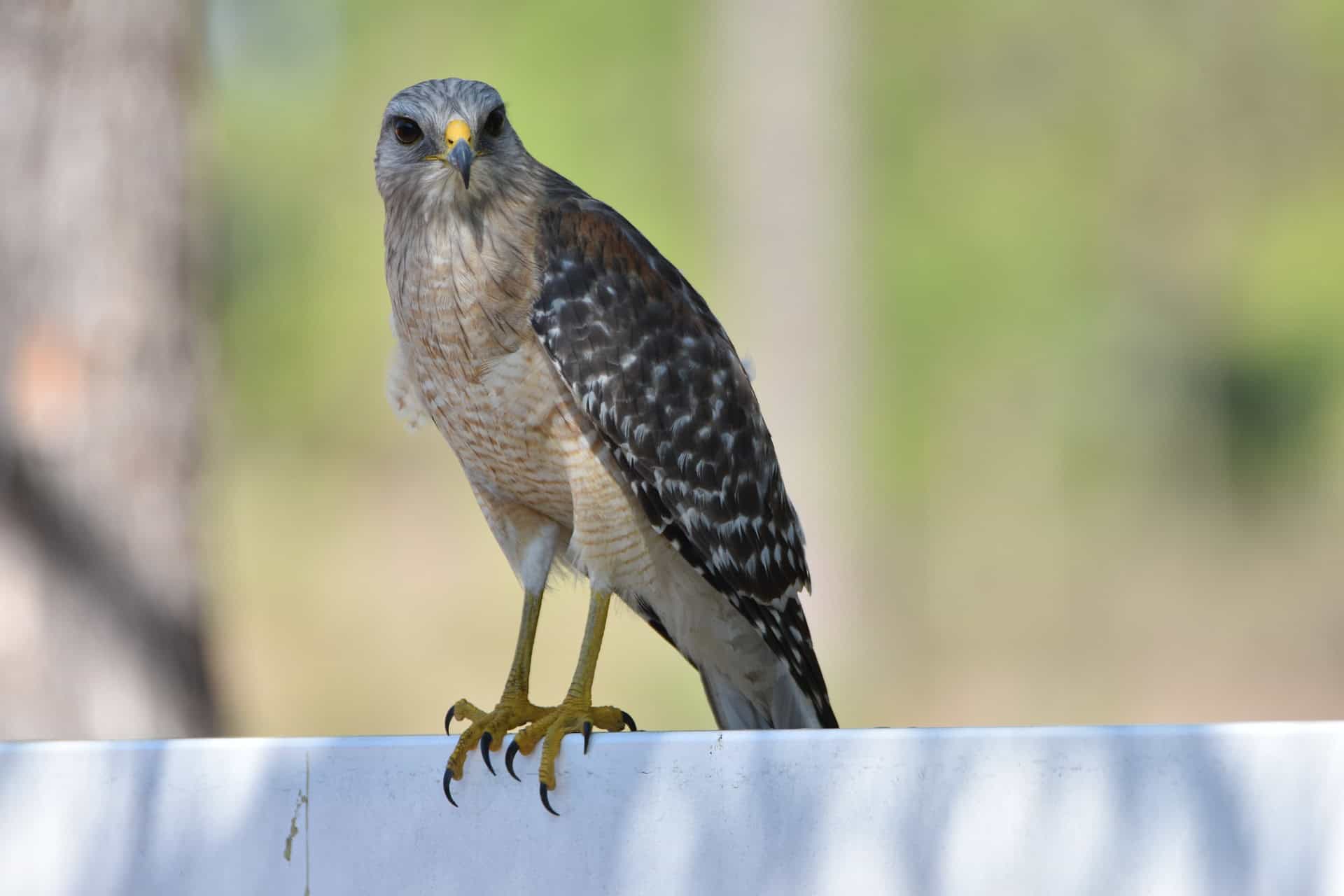
In the hobby of falconry, breeding Red-shouldered Hawks has been a hands-on journey for me. From decoding their courtship behaviours to ensuring their dietary needs, each step in the process has guided me closer and closer to successful breeding outcomes. Below I will show you in a complete guide what this process is about and how to sucessfully do it.
The Breeding Process
During the breeding process in falconry, the male and female Red-Shouldered Hawks engage in intricate courtship behaviours to establish bonding and readiness for reproduction. The courtship rituals involve aerial displays, mutual preening, and vocalizations that strengthen the pair’s connection. Once the bond is secured, the hawks begin nesting, with the female laying eggs in a well-constructed nest made of sticks and lined with softer materials like moss.
Incubation of the eggs, lasting around 32-35 days, is primarily the female’s task. The male willl provide food and nesting materials for the female during this period, displaying parental behaviour and contributing to the bonding between the pair. After the eggs hatch, both parents partake in feeding the chicks. Their feeding regimen consists of hunting small mammals, reptiles, and insects, carefully selecting prey that provides the necessary nutrients for the growing chicks.
As the chicks develop, the parents continue to nurture them, ensuring their growth and preparing them for the fledgling stage. The fledglings begin to exercise their wings and explore the surroundings under the watchful eyes of their parents. Genetic traits play a crucial role in determining breeding success, influencing traits like hunting skills and adaptability that are passed down to the offspring. Ultimately, the breeding process in falconry is a complex yet fascinating journey that highlights the remarkable behaviours and instincts of Red-Shouldered Hawks.

Legal Obligation
To legally breed red-shouldered hawks for falconry, I needed to obtain the necessary permits from the relevant authorities. Specific aviary prerequisites must also be met to ensure the birds are housed appropriately. Documentation of the breeding process and bird care is crucial to adhere to falconry regulations.
Permits
What specific permits are required for breeding Red-Shouldered Hawks, and why are these permits necessary? Breeding Red-Shouldered Hawks necessitates obtaining breeding permits, which involve a series of steps, including permit applications, processing, and compliance with breeding restrictions and regulations. These permits are essential for maintaining the conservation status of Red-Shouldered Hawks and ensuring that breeding activities align with wildlife protection laws.
Permit renewal is crucial to demonstrate an ongoing commitment to compliance with breeding regulations. Breeders must also be prepared for breeding permit inspections to verify adherence to specified guidelines. Failure to comply with permit compliance can result in permit violations and consequences such as fines, permit revocation, or other legal actions, underscoring the importance of obtaining and abiding by the necessary permits for breeding Red-Shouldered Hawks.
Aviary prerequisites
When breeding Red-Shouldered Hawks, specific legal requirements must be met for the aviary setup to ensure compliance with regulations and the well-being of the birds.
- Aviary ventilation: Adequate ventilation is crucial to maintain air quality and reduces the buildup of harmful gases.
- Roosting spots: Providing suitable roosting areas mimicking their natural habitat is essential for the hawks’ comfort and health.
- Water sources: Access to fresh and clean water is a non-negotiable requirement to keep the hawks hydrated and healthy.
- Aviary flooring: Choosing the right flooring material that is easy to clean and does not pose health risks to the Hawks is vital for their well-being.
- Perch variety: Offering a variety of perch sizes and textures helps promote foot health and prevents muscle fatigue in Red-Shouldered Hawks.
Documentation
Meeting legal documentation requirements is a critical aspect of breeding Red-Shouldered Hawks, ensuring compliance with regulations, and safeguarding the welfare of the birds. Proper documentation is essential for data recording and analysis, enabling breeders to track breeding success, monitor the health and behaviour of the birds, and make informed decisions. Detailed breeding records are crucial for documenting the lineage of the hawks, tracking their reproductive history, and ensuring proper care and management. By maintaining accurate documentation, I establish patterns and identify potential issues early on, and that, in turn, contributes to the overall conservation efforts of Red-Shouldered Hawks. The importance of documentation cannot be overstated in the context of breeding these magnificent birds because, in my opinion, it serves as a cornerstone for effective reproduction tracking and management.
Setting up your breeding environment
To ensure a successful breeding environment for Red-Shouldered Hawks, attention must be paid to several crucial factors. Space allocation is vital to allow for natural behaviours and movement. Protection from predators, a suitable nesting area, proper perch placement, and temperature control are all essential components to consider meticulously.
Space
I find that proper space allocation is crucial when setting up the breeding environment for Red-Shouldered Hawks due to its significant impact on their reproductive success. When considering breeding space, several environmental factors must be taken into account to ensure the well-being of the hawks. Territory boundaries play a vital role in establishing a sense of security and ownership for the breeding pair. Flight conditioning within the designated space is essential for maintaining the hawks’ physical health and agility, contributing to successful breeding behaviour. By carefully planning and setting aside adequate space for these hawks, I create an environment conducive to breeding success.
Protection from predators
Considering the importance of establishing a secure breeding environment for Red-Shouldered Hawks, safeguarding them from potential predators becomes a critical aspect of the setup process. Predator deterrence strategies involve creating physical barriers or using predator-proof netting to prevent access. Camouflage techniques can be employed to blend the nesting site with its surroundings, making it less conspicuous to predators. Careful nesting site selection in areas with natural protective features can also enhance security. Training the hawks to recognize and respond to alarm calls can help them identify potential threats. Additionally, teaching them threat recognition through exposure to simulated predator stimuli can further prepare the hawks to defend themselves effectively.
Nesting area
Establishing the nesting area for breeding Red-Shouldered Hawks requires careful consideration of environmental factors and predator-proofing methods. Red-shouldered hawks exhibit specific nesting habits, with the female primarily responsible for nest construction, which is typically located high in the canopy of deciduous trees. Parental care is crucial during egg incubation, where both male and female hawks take turns to ensure the eggs remain warm and protected. Nest maintenance is important throughout the breeding season to keep the nesting area clean and safe for the growing chicks. As fledgling development progresses, the nesting area should provide adequate space for the young hawks to exercise their wings and prepare for their first flights.
Perch Placement
When setting up a breeding environment for my Red-Shouldered Hawks, the strategic placement of perches plays a crucial role in simulating natural hunting and roosting behaviours. Optimal perch sizes are essential to accommodate the bird’s wingspan comfortably. Try Implementing a perch rotation system that not only prevents muscle atrophy but also offers exercise benefits by stimulating flight and movement. Ensuring that the perch height is suitable for the hawk’s safety is paramount. Preventing potential injuries from falls. By carefully considering these factors in perch placement, the breeding environment can closely mirror the hawk’s natural habitat, promoting a healthy and active lifestyle for the birds.

Temperature control
Temperature regulation in the breeding environment of Red-Shouldered Hawks is a critical aspect that demands meticulous attention to ensure optimal breeding conditions. Effective climate control directly impacts breeding outcomes, as it influences the birds’ reproductive health. To achieve successful breeding, heat management must be carefully monitored to enhance breeding productivity. Implementing heaters and cooling systems is essential for maintaining thermal control, which significantly impacts breeding performance.
- Temperature regulation: Crucial for breeding success
- Climate control: Directly influences breeding outcomes
- Heat management: Vital for reproductive health
- Cooling systems: Essential for breeding productivity
How to mimic the natural breeding environment
Providing natural nesting materials such as sticks, twigs, and leaves can help create a suitable habitat that closely resembles their wild environment. Artificial lights play a crucial role in maintaining the appropriate photoperiod that stimulates breeding behaviour for Red-Shouldered Hawks. When combined thoughtfully, these elements can encourage the hawks to exhibit natural breeding behaviours essential for successful reproduction.
Artificial lights
Mimicking the natural breeding environment through the use of artificial lights is crucial for successfully breeding Red-Shouldered Hawks in captivity.
- Light intensity: Adjust the brightness to replicate natural daylight conditions.
- Photoperiod control: Regulate the duration of light exposure to simulate seasonal changes.
- Spectrum selection: Use lights that emit a spectrum similar to sunlight for optimal breeding conditions.
- Lighting duration: Ensure a consistent day-night cycle to mimic the natural environment accurately.
Natural Nesting Materials:
In my experience, replicating the natural breeding environment for red-shooted hawks demands careful attention in selecting appropriate nesting materials. These hawks, with their distinct nesting habits, rely on sticks, twigs, and leaves to construct their nests. Mimicking this environment is critical, and providing these materials is essential for encouraging successful breeding outcomes.
The choice of nesting materials significantly influences the structural integrity and insulation properties of the nest. Therefore, selecting suitable materials is crucial for fostering a conducive breeding environment. Regular nest maintenance is imperative to uphold stability and safety for the breeding pair and their offspring.
Through diligent nest monitoring, falconers like myself gain invaluable insights into the hawks’ behaviour and breeding progress. This observation allows us to fine-tune our breeding management strategies, ensuring optimal conditions for successful breeding outcomes.
Selecting a breeding pair:
Selecting a compatible breeding pair is paramount in nurturing a successful breeding environment for Red-Shouldered Hawks. The process requires a discerning approach to evaluate both physical health and behavioural compatibility. Ideal candidates should exhibit robust health, clear eyes, and vigorous plumage, indicative of good overall condition. In addition, genetic diversity plays a critical role in preventing hereditary health issues, so consideration of the Hawks’ lineage is essential.
Behaviorally, the pair must show compatibility, with signs of mutual tolerance and cooperation, vital for the intricate process of nest building and chick rearing. Observing potential pairs for signs of aggression or indifference can help identify the most promising matches. Compatibility not only ensures a smoother breeding process but also significantly contributes to the well-being of the hawks during this naturally stressful period.
Incorporating these considerations when selecting a breeding pair lays the groundwork for a successful and sustainable breeding program, ultimately contributing to the conservation efforts for Red-Shouldered Hawks.
How to introduce the breeding pair and what to look out for
Introducing the breeding pair in a controlled and monitored environment is necessary to promote compatibility and avoid potential conflicts. When introducing the hawks, it is vital to observe their behaviour for signs of aggression or unease.
- Controlled environment: A designated area with minimal distractions promotes focus and allows for close observation.
- Monitoring behaviour: Pay careful attention to body language and vocalizations to identify potential issues.
- Separation if necessary: If aggression is observed, temporarily separating the hawks can prevent injury and allow for gradual reintroduction.
Overall, creating a simulated natural breeding environment for Red-Shouldered Hawks demands careful consideration and attention to detail. By providing appropriate temperature control, lighting, nesting materials, and selecting compatible breeding pairs, we can successfully contribute to the conservation efforts of these magnificent birds.
Compiling data and analyzing it
When breeding Red-Shouldered Hawks in falconry, one must meticulously document laying dates, growth rates of embryos, and hatch dates. These data points are crucial for monitoring the progress of the breeding pair and ensuring the health and development of the offspring. By compiling and analyzing this information, I can make informed decisions to support the successful breeding and rearing of my Red-Shouldered Hawks.
Laying dates
During the breeding season, I closely monitor the red-shouldered hawk pairs to determine their laying dates. This critical data helps me understand the breeding behaviour of my raptors, and here’s what I commonly find.
- Laying dates can vary slightly between different pairs.
- Factors such as weather conditions and food availability may influence laying dates.
- The laying dates often coincide with the peak of the breeding season.
- Monitoring laying dates provides insights into the overall reproductive success of the red-shouldered hawks.
Analyzing this information helps me track the progress of the breeding season and better understand the dynamics of my raptors.
The growth rate of embryos
I meticulously track and analyze the growth rate of embryos to uncover valuable insights into their developmental processes. Embryo development in these hawks is a fascinating and intricate process. Monitoring the incubation period and fetal growth provides crucial information on egg viability and the overall health of the embryos. By observing the growth rate and changes in the embryos over time, I can ensure proper embryo care, adjust environmental conditions if needed, and anticipate any potential issues that may arise.
Hatch date
Compiling and analyzing the data on hatch dates reveals crucial insights into the synchronization and variability of red-shouldered hawk offspring emergence. The hatch date is influenced by various factors, such as the incubation period, nesting behaviour, and parental instincts. Understanding these elements aids in predicting the fledgling care requirements and establishing an effective feeding schedule. Through meticulous record-keeping and observation, patterns in hatch dates can be discerned, shedding light on the red-shouldered hawk’s reproductive cycle. This information is invaluable for falconers seeking to optimize breeding success and enhance the well-being of the hawks in their care.
- Incubation Period: Influences the timing of hatch dates.
- Nesting Behavior: Impacts the security and warmth provided to the eggs.
- Fledgling Care: Begins immediately after hatching, crucial for the development of the young hawks.
- Feeding Schedule: Linked to the hatch date, ensuring proper nutrition for the growing chicks.
How do you know when your raptor is pregnant?
Detecting pregnancy in a raptor involves observing specific behavioural and physical indicators closely. When breeding a Red-Shouldered Hawk, it is essential to pay attention to various signs that indicate the onset of pregnancy. Here are some key indicators to look out for that are common among my red-tail hawks:
- Egg development: As the female raptor’s body prepares for egg-laying, you may notice changes in her behaviour and physical appearance. The growth of eggs internally will lead to visible signs of pregnancy.
- Behavioural changes: Pregnant raptors may exhibit alterations in their usual behaviour. This could include increased aggression, restlessness, or a shift in their hunting patterns as they focus on preparing for nesting.
- Nest building: One of the most apparent signs of pregnancy is the female raptor’s instinct to build a nest. This behaviour indicates that she is preparing a safe environment for her potential offspring.
- Incubation period: Once the eggs are laid, the raptor will begin the incubation process. She will spend extended periods sitting on the nest to keep the eggs warm, a clear sign that she is pregnant and committed to hatching the eggs.
Observing these behaviours and physical changes can provide valuable insights into the pregnancy status of your Red-Shouldered Hawk without the need for invasive procedures.
Nutritional, Weight Management, and Healthcare Requirements for Breeding Red-shouldered Hawk
When breeding Red-shouldered Hawks, understanding their nutritional requirements is vital for their health and reproductive success. Proper weight management is crucial to ensure that the birds are in optimal condition for breeding and raising young. Additionally, healthcare maintenance, including regular check-ups and preventative measures, is essential for the well-being of the hawks throughout the breeding process.
Nutritional requirements
Understanding the nutritional requirements of the Red-shouldered hawks has been integral to maintaining their health and ensuring breeding success in my falconry experience. When crafting their diet plan, establishing a proper feeding schedule and ensuring the correct composition are paramount to meeting their specific needs. I’ve found that incorporating vitamin supplements is crucial for supporting their overall health, with a particular emphasis on providing ample sources of protein to facilitate muscle development and maintenance. Additionally, ensuring adequate calcium intake is essential, especially for breeding females, to prevent issues such as egg binding. By meticulously balancing these nutritional aspects in their diet, I’ve observed how falconers can effectively promote the well-being and reproductive success of Red-shouldered Hawks under their care.
Weight management
Effective weight management is crucial for ensuring optimal health and breeding success. To achieve this, adherence to strict feeding schedules is essential. Regular meals should consist of a balanced diet to maintain the hawk’s health and weight. Monitoring the hawk’s weight is a daily task, ensuring it remains within the ideal range for breeding. Incorporating exercise routines into the hawk’s daily activities is vital for both physical health and mental stimulation. Observing behavioural changes can indicate if the hawk is getting sufficient exercise and food. Regular veterinary check-ups are necessary to catch any health issues early on. By following these protocols diligently, breeders can promote the well-being and reproductive success of their Red-Shouldered Hawks.
Healthcare
Maintaining optimal health and weight in Red-Shouldered Hawks for successful breeding requires meticulous attention to their nutritional needs and healthcare requirements.
- Diet management: Red-shouldered hawks need a varied diet consisting of whole prey items like rodents, birds, and insects to ensure proper nutrition.
- Vaccination schedule: Adhering to a strict vaccination schedule is crucial to prevent common avian diseases and maintain overall health.
- Exercise routine: Regular flight exercises help red-shouldered hawks maintain muscle tone, improve cardiovascular health, and prevent obesity.
- Parasite prevention: Routine parasite control measures, such as regular veterinary check-ups and deworming, are essential to prevent infestations that can compromise the bird’s health.
What is artificial insemination, and how is it done for Red-shouldered Hawk
Artificial insemination in Red-shouldered Hawks involves carefully collecting and transferring semen to the female’s reproductive tract to facilitate fertilization. This reproductive technology is crucial in avian genetics to enhance breeding success by overcoming potential fertility issues or genetic limitations. When natural breeding methods are unsuccessful or when specific genetic traits need to be preserved or enhanced, artificial insemination becomes a valuable tool in ensuring reproductive success.
The process begins with the collection of semen from a male Red-shouldered Hawk. The semen is then evaluated for quality, concentration, and motility before being introduced into the female’s reproductive tract. To perform the insemination, a specialized catheter is inserted into the female’s cloaca, allowing for precise delivery of the semen into the oviduct where fertilization occurs. Careful attention is paid to timing and technique to optimize the chances of successful fertilization.
Fertility treatments may be administered to the female prior to insemination to increase the likelihood of conception. Monitoring the female’s reproductive cycle and hormonal levels is essential for determining the most fertile period for insemination. By combining advanced breeding techniques with artificial insemination, falconers and breeders can meticulously control the genetic outcomes of Red-shouldered Hawk breeding programs, ultimately contributing to the preservation and improvement of this magnificent species.
In conclusion, breeding red-shouldered hawks requires careful attention to detail, legal compliance, and a thorough understanding of their natural habitat. By creating a suitable breeding environment, selecting a compatible pair, and addressing any challenges that may arise, falconers can successfully breed these majestic birds.