
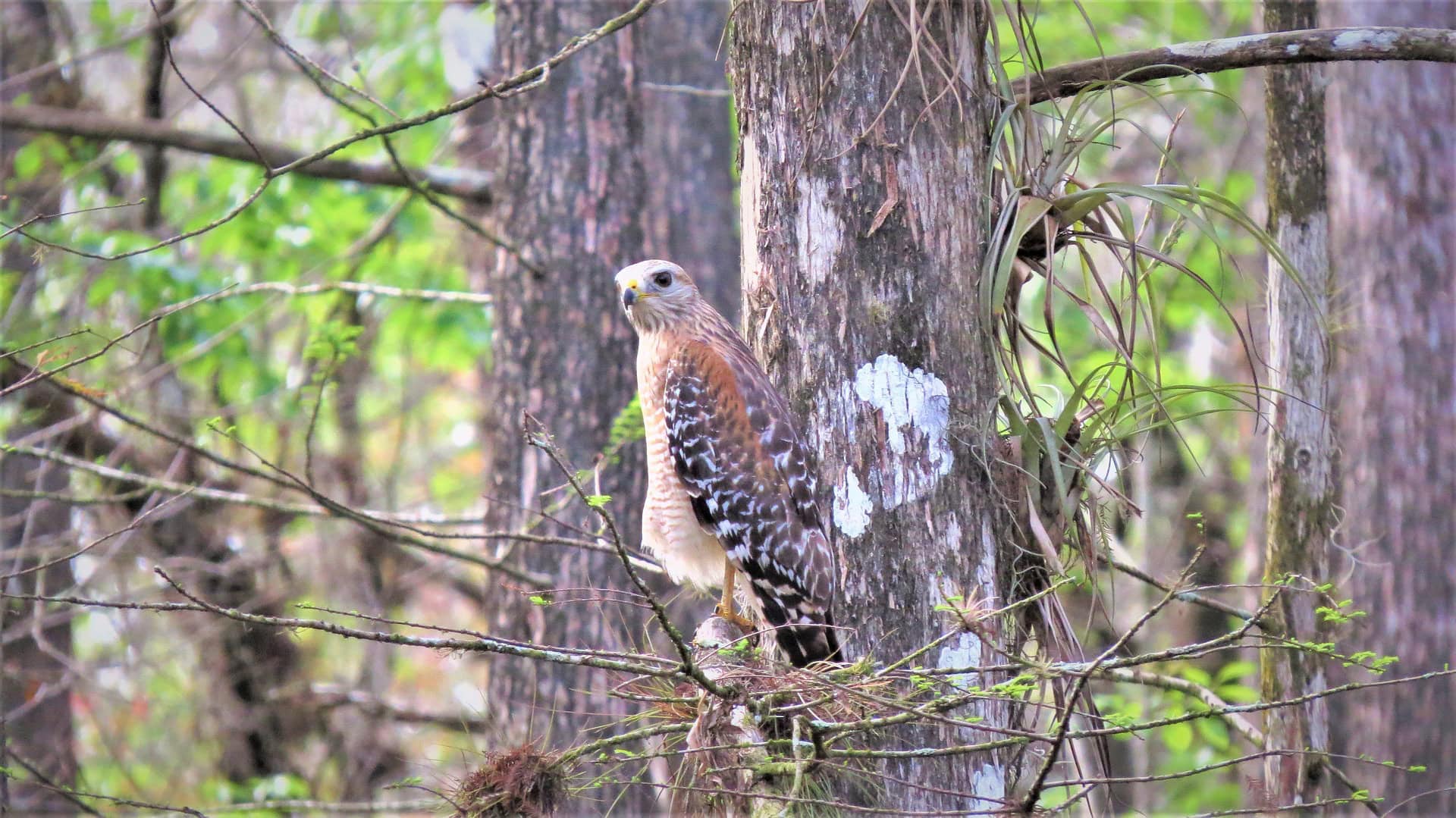
If you have ever wanted to learn about falconry, you may be curious about which birds are best for it. Falcons and hawks are popular among those practising this ancient art form, but one bird stands out: the red-shouldered hawk. This species or bird of prey is formidable in the air, and they are so graceful while flying apex predators, yet when they go in for the kill but are they good for falconry and how smart are they in following commands?
A red-shouldered hawk is an excellent bird for falconry. They have a keen sense of sight and hearing, which makes them excellent hunters. In addition, they are relatively easy to train compared to other birds of prey, which makes them a great choice for those just starting out in falconry. They can also learn commands quickly and respond well to positive reinforcement.
My life has been dedicated to falconry, and over the years, I have had the pleasure of keeping 3 of these birds of prey. I found that each bird possesses its own traits and levels of temperament, but once they are accustomed to you, it’s relevantly smooth sailing. So based on what I went through with my raptors, I will provide valuable insight as to why these magnificent birds make some of the best hunting companions. In addition, I will discuss their graceful yet powerful flight abilities, keen eyesight and hearing, and adaptable behaviour. So if you want to know more about red-shouldered hawks and whether they fit into your falconry aspirations or not – read on!

Introduction to Falconry and Red-Shouldered Hawks
If you’ve ever wondered what it’s like to have a bird of prey as a companion, you might want to look into falconry. Falconry is a closely monitored sport with many regulations ensuring the bird is well taken care of, and the handler knows what they are doing. This sport involves using bird of prey to hunt with you, and one commonly used species is the red-shouldered hawk. This bird is known for its striking appearance and is one of the most intelligent species in the raptor species. Although this sport demands a lot, the bond you will develop will outweigh the cons. As challenging as it may be, with a little patience and dedication, you will surely master this sport.
Assessing the Red-Shouldered Hawk’s Temperament for Falconry
Suppose you’re pondering about adding a Red-Shouldered Hawk to your falconry group. In that case, you’re probably wondering what their temperament is like. I must warn you that parrots can be quite aggressive. From their territorial nature to the defence of their nests, these birds have been known to express aggression towards anyone they perceive as a threat-including those who handle them! This is usually only an issue at the start of training once trust is built. The temperament of these raptors is quite timid. l, So keep an eye on your bird and tailor the training to build a trusting and meaningful relationship with their falconers. All birds of prey require proper training and socialization.
What are the challenges of using a red-shouldered hawk in falconry?
Red-shouldered hawks may appear straightforward to maintain, but they cost some obstacles to falconry. These birds are notorious for having a powerful spirit and being quite rigid in their training process – something that could dishearten any falconer! On top of this, this falconry is a practice that has been around for centuries, but it’s not without its challenges. These Creatures must adhere strictly to a distinctive diet consisting mostly of rodents and small mammals to remain healthy. This can be difficult or expensive to maintain or obtain, especially if you don’t live in an area where those types of prey are readily available. Despite these challenges, many falconers still work with red-shouldered hawks because of their impressive hunting abilities and striking appearance. Once the bulk of the training is done, it’s more or less smooth sailing.
How long does it take to train a red-shouldered hawk?
Training a red-shouldered hawk is an intricate process requiring much time and dedication. These birds of prey are natural hunters and are willing learners. Still, before they become so willing, they will pose many challenges. While the answer to your question isn’t so clear-cut training, a hawk can take a few weeks to more than a year, depending on the individual bird’s traits and receptiveness. Before attempting to train the hawk, you need to be 100% confident that you know what you are doing and deeply understand how these birds operate. Even though it may seem a bit scary, don’t let anything put you off once your bird starts heeding your Directions, the rewards will be endless, and that feeling is matched by nothing else. With the right tips and approach, even an apprentice falconer can master working with a red-shouldered hawk.
How receptive to training are red-shouldered hawks.’
Red-shouldered hawks are a pretty cool bird of prey, but how trainable are they? Well, it turns out that they are quite receptive to training! These majestic raptors are fast learners and can be trained to perform a variety of behaviours and tricks. Of course, it takes a lot of time and patience to train any animal, and red-shouldered hawks are no exception. With the right approach, however, these birds can become very responsive to their trainers and make for amazing show birds or hunting partners.
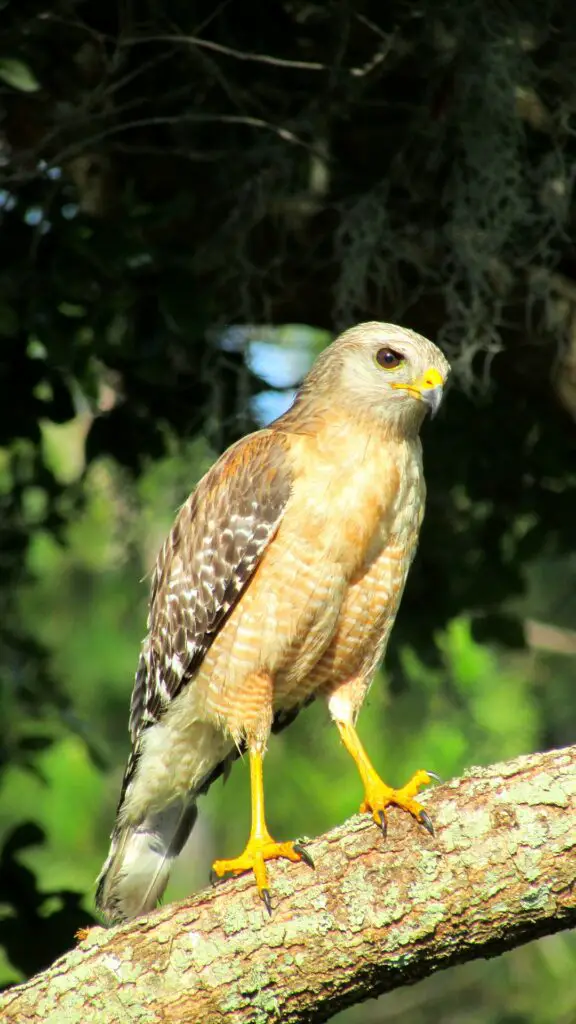
Ultimately, a Red Shouldered Hawk is a great choice for an aspiring falconer looking to start with a responsive, hard-working raptor. Not only do they have all the necessary physical features that make them solid hunters, but they also have loyal personalities that will undoubtedly bring enjoyment to the handler as they progress in their craft. It’s not surprising, then, why Red Shouldered Hawks are so popular among falconers and why their sheer numbers remain high throughout North America. With proper training, care and respect for these majestic birds of prey, anyone can become one of the many proud owners of this wonderful avian species.