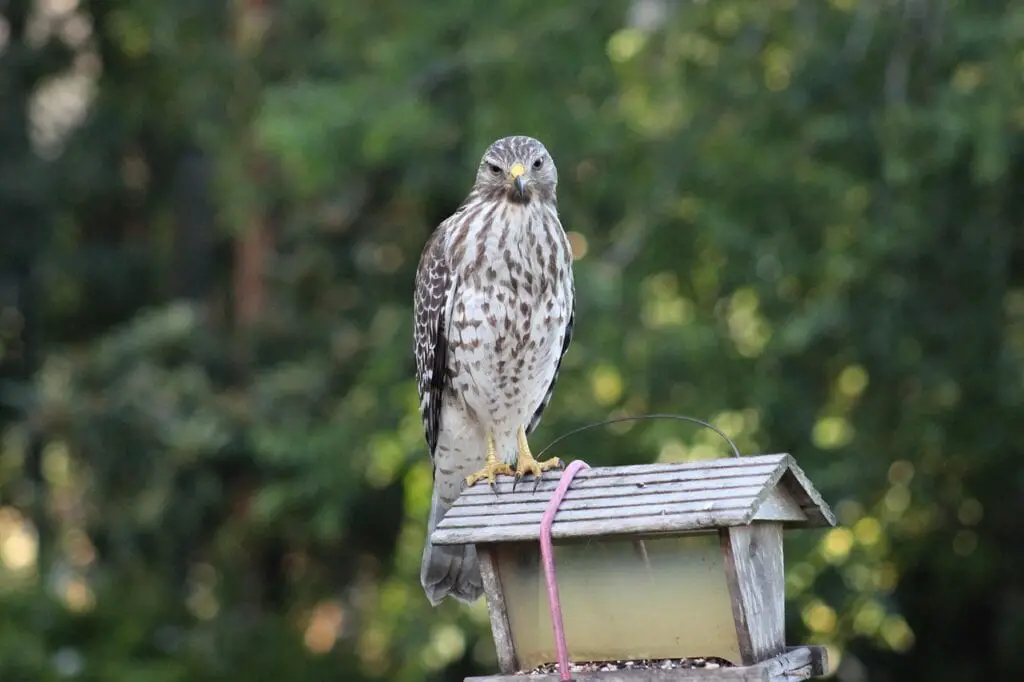
If you’re considering the Red-Shouldered Hawk for falconry, you’ll find it a rewarding, though sometimes challenging, experience. These hawks possess unique hunting styles and interesting social behaviors, which I have come to appreciate over years of working with them. Native to North America, they thrive in moist woodlands and are often found nesting high in mature trees.
Their Diet primarily consists of small mammals, birds, and reptiles, so appropriate nutrition is key to their health and performance. While their territorial nature can sometimes complicate training, a deep understanding of their needs is essential to success. Let’s explore how to help them adapt and excel in falconry.
Biology and Natural History of Red-Shouldered Hawk
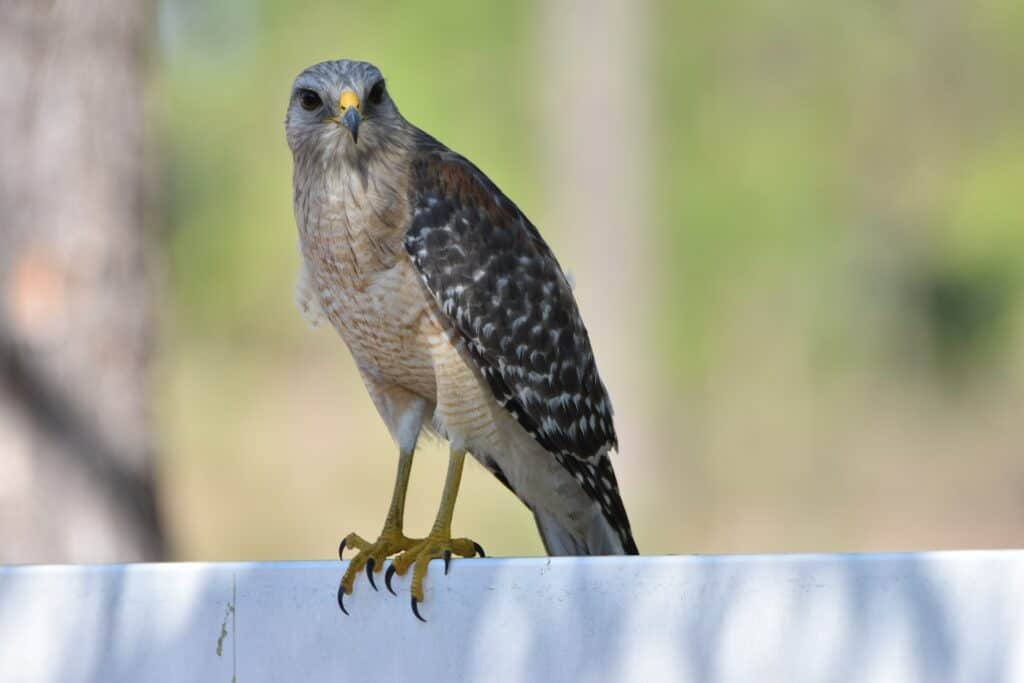
Understanding the biology and natural history of the Red-Shouldered Hawk is fundamental. Their classification within the Buteo genus, their natural habitat, and their hunting behaviors all provide valuable insights into how to best train and manage them.
Taxonomy and classification
As an experienced falconer, I’ve learned that understanding a hawk’s classification is more than just an academic exercise; it gives you insight into their behavior and needs. The Red-Shouldered Hawk (Buteo lineatus) belongs to the family Accipitridae and the genus Buteo, which includes many other familiar hawks and buzzards.
Here is the information in a table format:
| Category | Classification |
|---|---|
| Kingdom | Animalia |
| Phylum | Chordata |
| Class | Aves |
| Order | Accipitriformes |
| Family | Accipitridae |
| Genus | Buteo |
| Species | Buteo lineatus |
This hawk’s evolutionary adaptations have shaped its hunting efficiency and habitat preferences. Understanding its taxonomy allows falconers to appreciate the hawk’s ecological role and develop effective training practices.
Native habitat and range
In my experience, knowing where a hawk comes from is key to understanding its needs. The Red-Shouldered Hawk is primarily found in the eastern half of North America, ranging from southern Canada to Florida.
They have a disjunct population in California and Baja California, Mexico. These hawks prefer moist woodlands, riparian zones, and deciduous forests. They have adapted to suburban environments, provided there are wooded areas for nesting. These territories are actively defended, especially during the breeding season.
Social Structure and Hunting Behavior
The Red-Shouldered Hawk exhibits strong pair bonds that often last for life. These hawks are highly territorial, especially during the breeding season, and will aggressively defend their nesting sites.
I’ve observed that their hunting strategies often involve ambushing prey from a perch or flying low through the undergrowth. They primarily hunt small rodents, amphibians, reptiles, and occasionally birds. Their ability to adapt their hunting techniques to different environments makes them versatile partners in falconry.
Lifespan and Health of Red-Shouldered Hawk
Understanding the lifespan and potential health issues of Red-Shouldered Hawks is crucial for providing appropriate care. I’ll outline these aspects to help ensure these birds thrive.
Lifespan in the Wild vs. Captivity
The lifespan of a Red-Shouldered Hawk varies significantly between wild and captive environments.
- Wild Conditions: In the wild, their lifespan averages 10-15 years, influenced by factors such as predation, food availability, and habitat quality.
- Captivity Environment: In captivity, with proper care, they can live for 20 years or more, benefiting from a consistent diet, veterinary care, and protection from predators.
- Health Impacts: Captive birds often experience fewer health issues, while wild birds face challenges such as disease, habitat loss, and human-related threats.

Common Diseases and Health Concerns Faced by Red-Shouldered Hawk
Red-shouldered hawks can be susceptible to several diseases and health concerns, both in the wild and in captivity. Regular monitoring and preventative care are essential.
Here is the information in a table format:
| Common Diseases | Health Concerns | Preventive Measures |
|---|---|---|
| Aspergillosis | Respiratory infections | Clean mews, proper ventilation |
| Avian Pox | Skin lesions, weight loss | Vaccination, insect control |
| Parasitic Infections | Weight loss, poor plumage | Regular deworming |
| Trauma (fractures, etc.) | Injury from accidents | Safe housing, careful handling |
| Bumblefoot | Foot infections | Proper perch design, hygiene |
Veterinary treatments will vary based on the condition, so staying informed and consulting with an experienced avian veterinarian is key to their care.
Signs of Illness and Veterinary Care
Identifying signs of illness early is crucial for the long-term health of your hawk. I recommend daily observation and regular health checks. Key signs of illness include:
- Change in Appetite: A sudden decrease in food intake or difficulty eating.
- Abnormal Behavior: Lethargy, depression, or unusual aggression.
- Physical Symptoms: Changes in plumage, discharge from eyes or nostrils, labored breathing, or weight loss.
If you notice any of these signs, consult a veterinarian immediately to discuss treatment options.
Diet and Nutrition
Providing proper nutrition is essential for the health and performance of a Red-Shouldered Hawk in falconry. I focus on replicating their natural Diet as closely as possible while managing their weight for effective training.
Natural Diet
The natural Diet of the Red-Shouldered Hawk is diverse and opportunistic. Their Diet varies depending on the season and the availability of prey.
- Small Mammals: Voles, mice, and shrews are a staple part of their Diet.
- Birds: Smaller birds, such as songbirds and fledglings, are often taken.
- Amphibians and Reptiles: Frogs, snakes, and lizards are consumed, especially during warmer months.
Proper Diet in captivity
With my red-shouldered hawk, I strive to provide a diet that closely mimics their natural intake. This typically includes a variety of whole prey items.
Here is the information in a table format:
| Food Type | Frequency | Nutritional Benefits |
|---|---|---|
| Whole Mice | 3-4 times/week | Protein, calcium, and essential nutrients |
| Quail | 2-3 times/week | Variety and additional protein |
| Chicks | 1-2 times/week | Easily digestible and calcium-rich |
| Supplemented Diet | Daily | Probiotics, vitamins, and minerals |
Weight Management and its Role in Training
Weight management is crucial for successful training. I monitor my hawk’s weight daily to ensure it’s at the optimal level for hunting and training.
- Regular Weight Monitoring: Keeping a log of daily weights helps me track their condition.
- Behavioral Impact Analysis: Observing how weight affects their behavior and responsiveness is key.
- Dietary Adjustments Importance: Adjusting food intake based on activity level ensures they remain in peak condition.
Supplements
While a balanced diet of whole prey is ideal, it’s important to incorporate supplements to ensure my hawk receives all the necessary nutrients.
- Calcium: Essential for bone health, especially during growth and breeding.
- Vitamin D3: Aids in calcium absorption and overall health.
- Omega-3 Fatty Acids: Supports feather quality and immune function.
Care and Maintenance
Proper care and maintenance are essential for the health and well-being of a Red-Shouldered Hawk in falconry. I focus on providing appropriate housing, enrichment, and regular health checks.

Housing: Mews and Weathering Yards
Providing suitable housing is crucial for your hawk’s well-being. Proper mews design and weathering yard setup can significantly impact its comfort and behavior.
- Space Considerations: The mews should be spacious enough for the hawk to move freely and stretch its wings without hitting the walls or ceiling.
- Ventilation: Adequate airflow is essential to maintain a comfortable temperature and prevent respiratory issues.
- Safety Features: The mews should be constructed from sturdy materials and be secure enough to protect your hawk from predators and the elements.
Perches, Baths, and Environmental Enrichment
To ensure your Red-Shouldered Hawk thrives in captivity, I recommend providing a variety of perches, regular bathing opportunities, and environmental enrichment.
- Perches: Use a variety of perch types, including natural branches, padded perches, and bow perches.
- Baths: Provide a shallow dish of clean water for bathing several times a week.
- Environmental Enrichment: Offer enrichment items such as branches, logs, and puzzle feeders to stimulate their natural behaviors.
Routine Health Checks and Beak/Talon Maintenance
Routine health checks are critical for maintaining your hawk’s health and well-being. You should be performing regular assessments early to identify potential issues.
- Beak Trimming: Overgrown beaks can interfere with feeding. Regular trimming maintains proper length and shape.
- Talon Care: Talons require attention to prevent injury and ensure they’re sharp enough to capture prey.
- Health Assessment: A thorough evaluation of weight, feather condition, and overall behavior is essential for spotting health problems.
Preventing Stress and Aggression in Captivity
Managing stress and aggression is crucial for maintaining a healthy and well-adjusted hawk. I use several techniques to minimize stress and promote positive behavior.
- Minimize Stressors: Reduce loud noises, sudden movements, and other potential stressors in their environment.
- Provide Enrichment: Offer a variety of enrichment items to keep them mentally stimulated and prevent boredom.
- Social Interaction: Regular, positive interactions with the falconer can help build trust and reduce stress.
Training and Handling
Effective training and handling are essential for a successful falconry with a Red-Shouldered Hawk. Focus on building trust, using positive reinforcement, and tailoring my approach to the individual bird.
Manning (initial taming process)
The manning process is crucial for establishing a bond of trust between you and your hawk. I use gentle and patient techniques to help the bird become comfortable in my presence.
- Consistent Interaction: Spend time daily near the hawk, allowing it to become accustomed to your presence.
- Positive Reinforcement: Reward calm behavior with treats, reinforcing trust-building.
- Behavior Observation: Carefully note the bird’s reactions, adjusting your approach based on its comfort level.
Equipment Training
Using the right equipment is essential for effective handling and management.
Jesses
Jesses are a vital part of falconry equipment. They are used to tether the bird to the falconer, providing control during training and hunting.
- Jesses Materials: Commonly made from leather or synthetic materials.
- Jesses Types: Traditional one-piece jesses or two-piece button jesses.
- Jesses Maintenance: Regular cleaning and inspection are necessary to ensure they remain in good condition.
Leashes
While jesses are undeniably critical for securing your bird, leashes are equally vital in falconry, providing a secure method of control during training and handling. I’ve spent years experimenting with different materials and found that durable, high-quality nylon or leather leashes are the most reliable.
For leash length, I typically recommend between 6 and 10 feet. Remember, proper leash training is paramount to ensure your hawk is responsive and to prevent accidents during our outings.
Perches
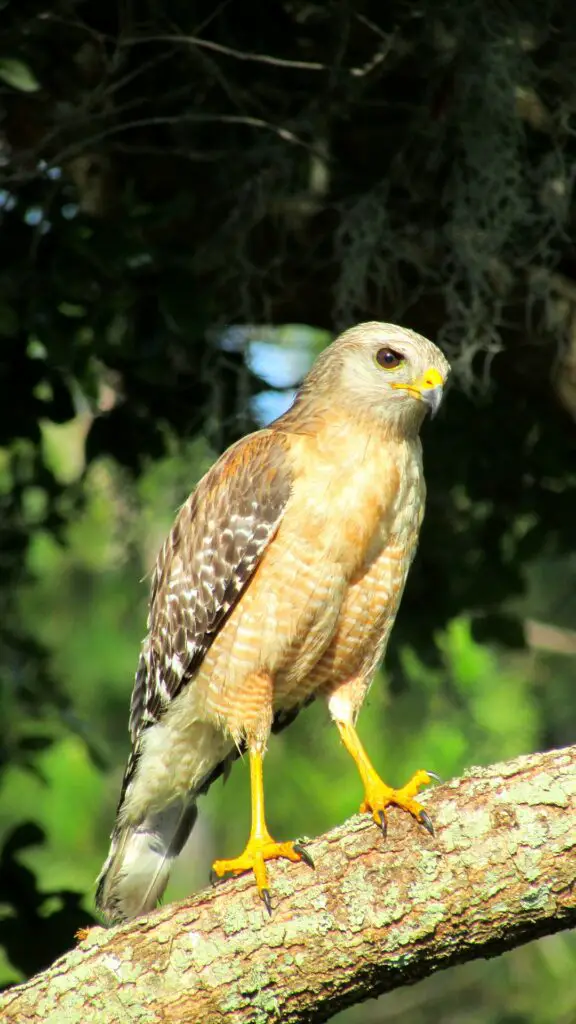
Effective perches are essential for training and handling hawks, as they provide a stable and secure environment for the bird. When setting up a perch, I consider these factors:
- Perch Design: The design needs to accommodate the hawk’s natural foot structure and grip. A good diameter prevents foot problems like bumblefoot.
- Perch Materials: I prefer durable, non-toxic materials that can withstand the elements. Artificial turf or padded surfaces can be beneficial.
- Perch Height: Adjust height based on the hawk’s comfort and visibility. I like to start low and gradually increase the height as the bird gains confidence.
Hoods
Providing a safe and controlled environment extends to the use of hoods. Hoods are critical for calming a hawk, especially in stressful situations. Focus on selecting appropriate hood types, often made from high-quality leather. The fit is absolutely crucial. A poorly fitted hood can cause feather damage or discomfort. Effective hood training involves associating the hood with positive experiences, like food rewards. This acclimates the bird, reducing stress and facilitating handling during sessions.
Telemetry
Telemetry has revolutionized falconry. It’s no longer a luxury but a necessity, in my opinion. I rely on telemetry devices to:
- Track flight patterns: Understanding how your hawk moves in different conditions helps refine your training and hunting strategies.
- Analyze signals: Being able to quickly and accurately locate your bird is paramount to falconry.
- Integrate equipment: Modern systems allow for seamless integration with GPS and mapping software, vastly improving our monitoring capabilities.
These advancements ensure we maintain a strong connection with our red-shouldered hawks during their training.
Weight Control for Training Effectiveness
Weight management is paramount for successful falconry. The Red-Shouldered Hawk’s weight is closely monitored. Maintaining the correct weight is crucial for maximizing responsiveness and performance. The Diet is adjusted based on daily weight readings, observed behavior, and weather conditions.
If the weight dips too low, the hawk becomes overly eager and potentially reckless. If the weight is too high, it loses motivation. Regular behavioral observations help identify any signs of stress or lack of enthusiasm, which may indicate the need for diet adjustments.
Balancing these factors results in a more effective training regimen, enabling the hawk to perform at its best in various conditions.
Training Techniques
When training a Red-shouldered Hawk, focus on essential techniques like creance flying, recall training, and lure training. Each method plays a crucial role in developing the bird’s hunting skills and responsiveness. By mastering these techniques, I can enhance both the hawk’s performance and our partnership in falconry.
Creance Flying
Understanding creance flying is essential for effectively training a Red-shouldered Hawk.
- Creance flying techniques help establish control and build the bird’s flight muscles.
- Creance training benefits include improved focus, responsiveness, and the development of essential flight skills.
- Creance flying challenges may arise from the hawk’s natural instincts, so patience and consistency are key.
Recall Training
To successfully train a Red-shouldered Hawk to recall, it’s crucial to establish a consistent and positive reinforcement system. Use various recall techniques during training sessions, focusing on clear behavioral cues. Pairing these cues with effective reinforcement methods encourages hawks to return reliably. Over time, this creates a strong association between the cues and the rewards, ensuring successful recall.
Lure Training
Lure training plays a vital role in developing a Red-shouldered Hawk’s hunting skills and responsiveness. I focus on specific lure types and training methods to maximize effectiveness. Here are the key components:
- Lure Materials: Using feathers and fur enhances attraction.
- Training Schedules: Consistency is crucial for success.
- Rewards: Positive reinforcement ensures engagement and motivation.
These elements create a solid foundation for effective lure training.
Free-flying and Hunting Preparation
When preparing for free-flying a Red-shouldered Hawk, it’s essential to consider the bird’s natural instincts and unique hunting behaviors. Focus on free-flying techniques that allow the hawk to express its natural predatory instincts.
Observing its behavior during training helps me refine my hunting strategies. Combining behavioral observations with structured free-flying sessions helps the hawk develop confidence and proficiency, ultimately preparing it for successful hunts in the wild.
Legal and Ethical Considerations
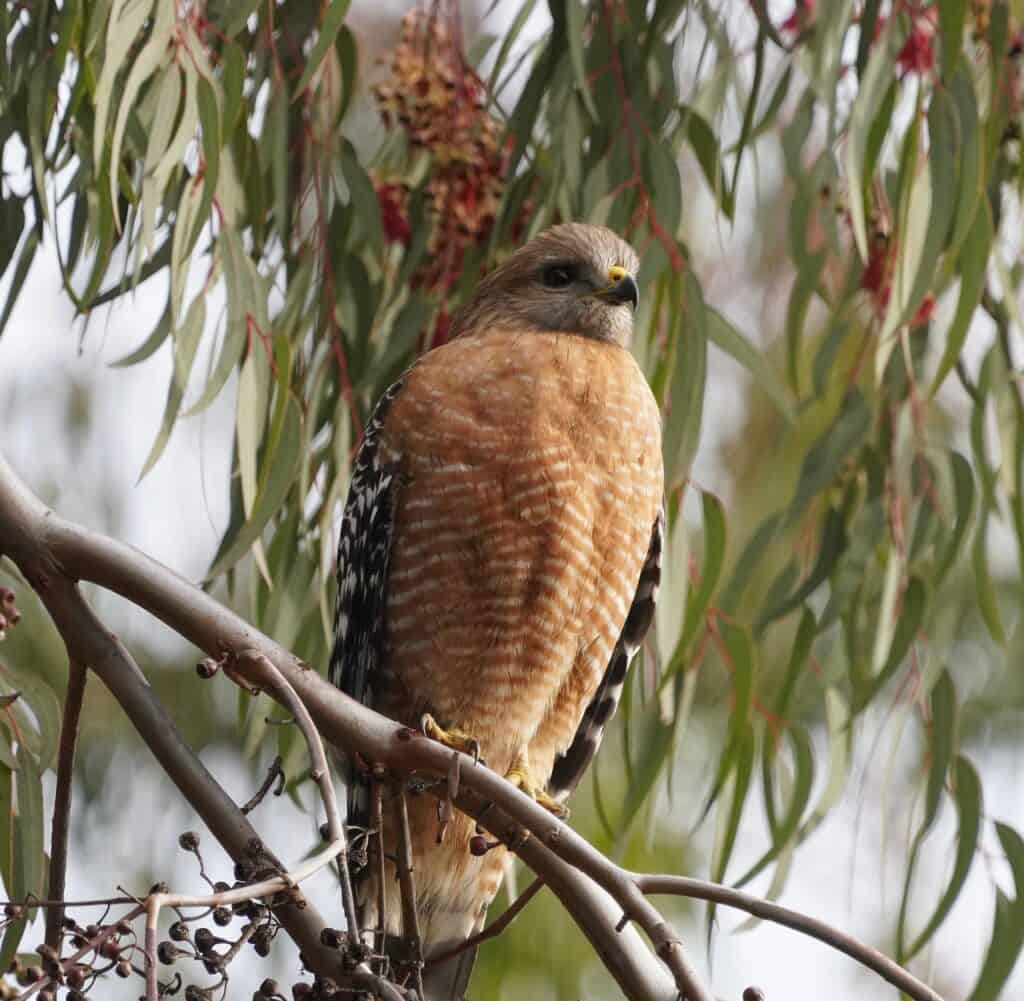
When engaging in falconry with a Red-shouldered Hawk, navigating the legal and ethical landscape surrounding raptor handling is crucial. Here are some key points to remember:
- Legal Compliance: Always adhere to local laws regarding raptor capture and ownership. Falconry regulations vary widely by state and country, so thorough research is essential.
- Ethical Hunting: Prioritize humane practices that respect the wildlife and habitat.
- Conservation Impact: Be mindful of how your actions affect the species’ declining population and public perception of falconry.
Hunting with a Red-Shouldered Hawk
When hunting with a Red-Shouldered Hawk, I’ve found that their ideal prey includes small mammals like voles and rabbits, frogs, and various reptiles.
Their hunting techniques are versatile, often involving low flights to surprise unsuspecting quarries in open fields or near water sources. Understanding these elements can significantly enhance our success when partnering with this unique bird of prey.
List of Ideal Prey Species for Hunting with Red-Shouldered Hawk
Hunting with a Red-shouldered Hawk can be an exhilarating experience, especially when targeting a specific list of ideal prey species. Understanding prey selection is crucial for successful falconry practices. Here are three ideal prey species that I’ve found effective:
- Small Mammals: Voles and mice provide excellent hunting opportunities due to their abundance and accessibility.
- Frogs: These amphibians are a favorite for Red-shouldered Hawks, thanks to their habitat preferences and availability during warmer months.
- Birds: Smaller birds, particularly those that are ground-feeding, can be targeted using stealthy hunting techniques.
Hunting Techniques
Various hunting techniques are essential for effectively capturing prey with a Red-shouldered Hawk. These birds employ diverse hunting strategies to increase their hunting success, adapting their flight techniques based on prey selection.
| Prey Type | Flight Technique |
|---|---|
| Rodents | Gliding near ground level (Low-level hunting) |
| Frogs and lizards | Quick dive from a perch (Perch and pounce) |
| Birds | Swift, agile flight (Aerial pursuit) |
Mastering these techniques enhances a falconer’s ability to train the hawk, ensuring effective hunting for various prey species.
Advantages and Challenges of Red-Shouldered Hawk in Falconry
When considering the Red Shouldered Hawk for falconry, it is crucial to weigh both its advantages and challenges.
Pros:
While many falconers might gravitate towards the more common Red-Tail Hawk, the Red-Shouldered Hawk offers unique advantages that can enhance the falconry experience. Here are three compelling reasons to consider this species:
- Adaptability: Red-shouldered hawks are highly adaptable to different environments and hunting conditions.
- Versatility: They exhibit a wide range of hunting techniques, allowing for varied quarry.
- Intelligence: These hawks are known for their intelligence and trainability.
Incorporating the Red-Shouldered Hawk into your falconry practice not only enhances your experience but also aids in vital conservation efforts.

Cons:
Incorporating the Red-Shouldered Hawk into falconry certainly presents unique advantages, but there are noteworthy challenges to consider as well.
| Challenge | Description | Implication |
|---|---|---|
| Temperament | Can be more sensitive and require a patient approach | Requires experienced handling |
| Habitat Preferences | Requires specific habitats for optimal performance | Limited hunting locations |
| Availability | Fewer available compared to other common falconry birds | May be harder to acquire |
Breeding Red-Shouldered Hawk
When breeding Red-Shouldered Hawks, understanding their nesting habits and locations is crucial.
Nesting Habits and Locations
As I delve into the nesting habits of the Red-shouldered Hawk, it’s clear that these birds exhibit fascinating behaviors when raising their young. They typically select nesting sites high in trees, often near water sources, which provide both safety and ample food.
Here are three key aspects of their nesting behaviors:
- Nesting Sites: Often found in deciduous or mixed forests, near swamps or streams.
- Nesting Materials: Twigs, grass, and leaves, ensuring durability and insulation.
- Chick Development: Parents fiercely defend the nest, contributing to successful chick growth and survival.
Breeding Season Overview
The breeding season for Red-shouldered Hawks typically begins in early spring, around March to April, depending on geographic location.
Parental Care Responsibilities
After the breeding season, the parental care responsibilities of Red-shouldered Hawks become apparent. Both parents actively engage in raising their young, showcasing impressive dedication.
- Nesting site selection: They choose elevated, secure locations to protect their chicks from predators.
- Parental feeding techniques: Parents hunt diligently, providing a diverse diet that supports optimal chick development stages, ensuring they grow strong and healthy.
- Parental aggression behaviors: When threats approach, adults display fierce aggression to defend their nest and offspring, a critical factor for survival.
Diet during breeding
While raising their chicks, Red-shouldered Hawks require a robust diet to ensure the healthy growth and development of their young. During this critical period, they employ diverse feeding strategies, targeting small mammals like voles and rabbits, as well as frogs, which are abundant in their habitats.
Conclusion
Hunting with a Red-shouldered Hawk is an experience like no other, and understanding their unique hunting techniques, ideal prey species, and breeding behaviors can greatly enhance the falconry practice. By considering both the advantages and challenges of this bird of prey, we can create a successful partnership that benefits both the falconer and the hawk.
Dive Deeper into the World of Falconry
The Red-Shouldered Hawk offers a fascinating and rewarding falconry experience, but it’s just one of many incredible sports raptors. Whether you’re interested in training techniques, raptor conservation, or learning about other birds of prey, there’s always more to discover.
📖 Explore more articles on falconry and raptor care to deepen your knowledge and refine your skills!