
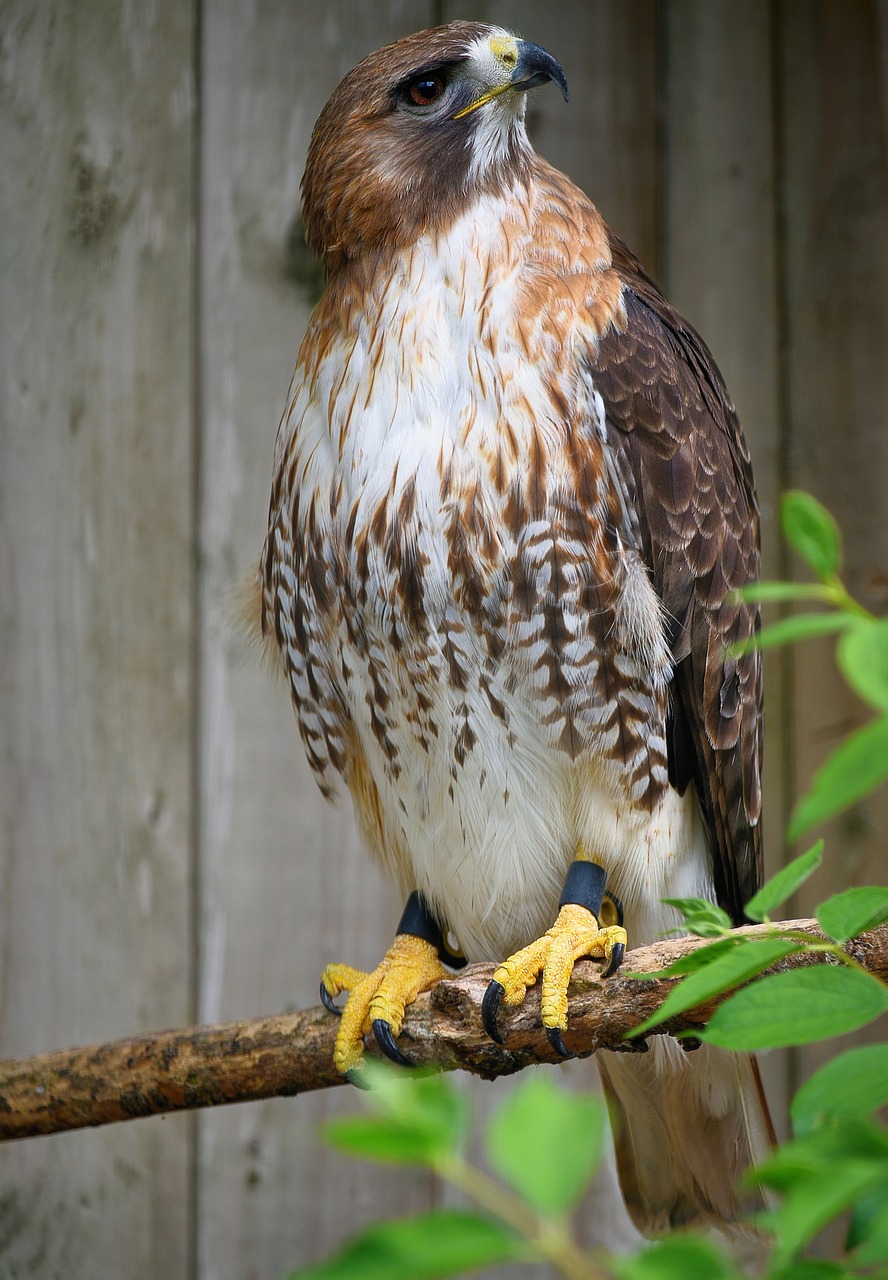
Training Red-Tailed Hawks requires patience and expertise. Their hunting instincts and territorial nature present challenges, so an experienced hand is required. Building trust through positive reinforcement and understanding body language and vocal cues are key. Training a red-tailed hawk is not easy, but if you know what you’re doing, then it’s a relevantly straightforward process. For those who are learning the ropes or even experienced falconers looking for other methods, the content below will outline strategies to deal with aggression and common challenges faced by falconers.
Are Red-Tailed Hawks Hard to train
Training Red-Tailed Hawks can be challenging due to their independent nature and strong instincts. Hawk behavior plays a significant role in how they respond to training methods. Understanding their natural tendencies is crucial when embarking on bird training, particularly in raptor training and falconry techniques. Red-tailed hawks are known for their fierce hunting skills and territorial instincts, making it essential to establish trust and respect during the training process.
When working with these majestic birds, patience is key. Their independent nature means they may not always comply with commands immediately. Building a strong bond through positive reinforcement and consistent training sessions is essential. You can encourage desired behaviors and create a more cooperative training environment by using falconry techniques that focus on positive rewards, such as food treats.

Characteristics That Impact Training
Red-tailed hawks’ strong territorial instincts and independent nature significantly influence their training process. Understanding their behavioral patterns, instinctual tendencies, and communication cues is crucial when working with these majestic birds.
- Behavioral Patterns: Red-tailed hawks exhibit specific behaviors such as hunting techniques, perching habits, and vocalizations, which can affect their response to training cues.
- Instinctual Tendencies: Their innate drive to hunt and establish territories can sometimes override training commands, requiring patience and consistent reinforcement.
- Communication Cues: Recognizing subtle cues like body language, vocalizations, and eye contact is essential for effective communication and building trust during training sessions.
Environmental influences play a significant role in shaping a hawk’s responses and learning capabilities. Factors like noise levels, weather conditions, and unfamiliar surroundings can impact their focus and performance. Bonding strategies, such as positive reinforcement, consistency, and mutual respect, are fundamental in establishing a strong relationship with these birds, laying the foundation for successful training endeavors.
Common Challenges in Training Hawks
When training hawks, one quickly learns to navigate the intricacies of their strong instincts and independent demeanor. Hawk aggression is a common hurdle to overcome; these birds of prey can display aggressive behaviors, especially during training sessions. Establishing trust with a hawk is crucial but can be challenging due to its naturally solitary nature. Building this trust requires patience, consistency, and understanding of the hawk’s individual personality.
Prey motivation plays a significant role in training hawks. Ensuring that the hawk is sufficiently motivated by the lure or reward offered is essential for successful training sessions. Equipment handling is another challenge, as hawks can be sensitive to the tools used during training. Weather conditions also present obstacles, as hawks may not perform well in extreme heat or cold. It is important to consider the weather when planning training sessions to ensure the hawk’s comfort and safety. Addressing these common challenges with diligence and adaptability is key to effectively training a red-tailed hawk.
Effective Training Techniques for Hawks
Navigating the intricate world of training hawks requires a deep understanding of effective techniques that capitalize on their natural instincts and behaviors. When working with these majestic birds, the following techniques have proven to be particularly effective:
- Positive Reinforcement: Rewarding desired behaviors with treats or praise helps establish a strong connection between the hawk and the trainer, encouraging the hawk to repeat those behaviors in the future.
- Trust Building: Building trust is crucial in the training process. Bonding with the hawk, understanding its body language, and respecting its boundaries fosters a trusting relationship.
- Prey Training: Teaching the hawk to associate food with specific cues or signals is essential for successful hunting. This prey training helps the hawk understand its role in the hunting partnership.
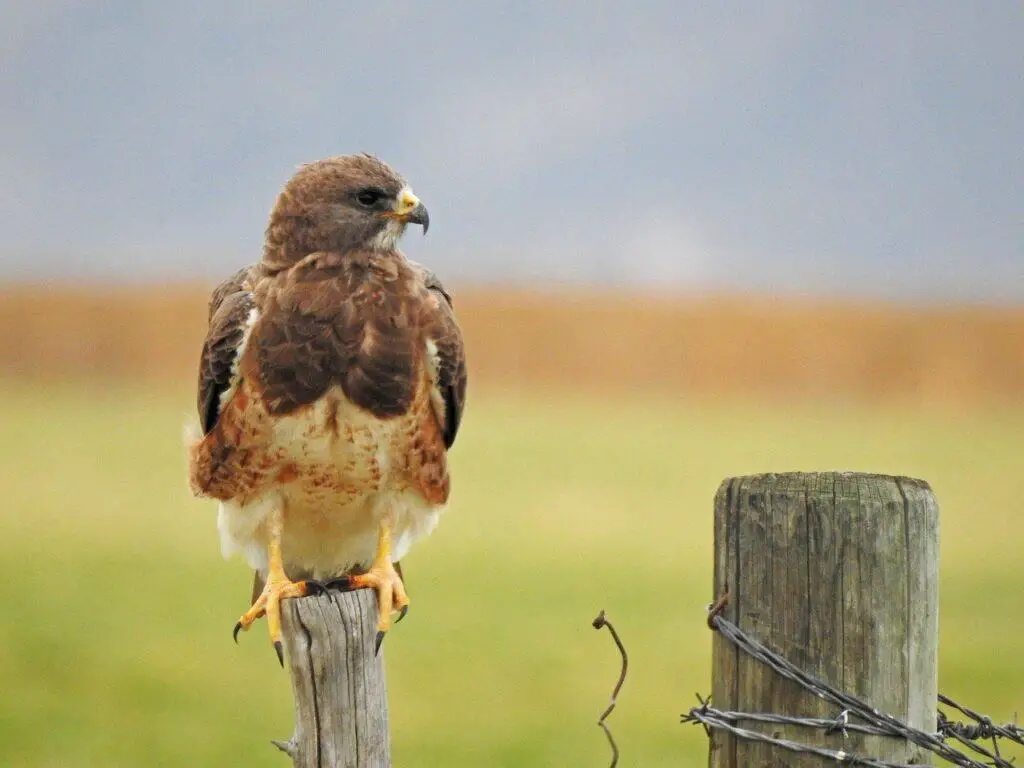
Utilizing these techniques alongside flight conditioning and behavior modification can lead to a well-trained and responsive hawk partner.
After years of training Red-Tailed Hawks, I can confidently say that they are not easy to train. Their strong-willed nature and independent streak can make the process challenging. However, building a strong bond and successfully training these majestic birds is possible with patience, consistency, and positive reinforcement. Understanding their characteristics and utilizing effective training techniques are key to overcoming common challenges and achieving success in training them.