

Red-tailed hawks are mostly active during the day but hunt at night on rare occasions, like during full moons or in well-lit areas. They rely more on hearing and memory in the dark and might change their prey choices. These hawks have some night vision ability due to specialized cells in their eyes. This adaptability helps them capture prey during twilight. Suppose you want to learn more about the fascinating behaviors of red-tailed hawks. In that case, the information laid out below is just for you.
Red-Tailed Hawks: Diurnal or Nocturnal Behavior?
Red-tailed hawks are primarily diurnal, meaning they are most active during the day. This is when they do the majority of their hunting and other activities, such as defending their territory and mating. However, there are some instances where red-tailed hawks may exhibit nocturnal behavior.
During full moons, red-tailed hawks have been observed hunting at night. The bright light from the moon makes it easier for them to spot prey and navigate through their territory. Red-tailed hawks have also been known to hunt at night in areas with artificial lighting, such as cities or near highways.
Do red-tailed hawks hunt at night?
Do red-tailed hawks hunt during the night, or are they strictly diurnal predators? Red-tailed hawks are primarily diurnal hunters, meaning they are most active during the day. However, there are rare instances where they may hunt at night, especially during full moons or in areas with artificial lighting. While they do not have the specialized adaptations of truly nocturnal birds of prey, such as owls, red-tailed hawks do possess some night vision capabilities that allow them to see in low-light conditions.
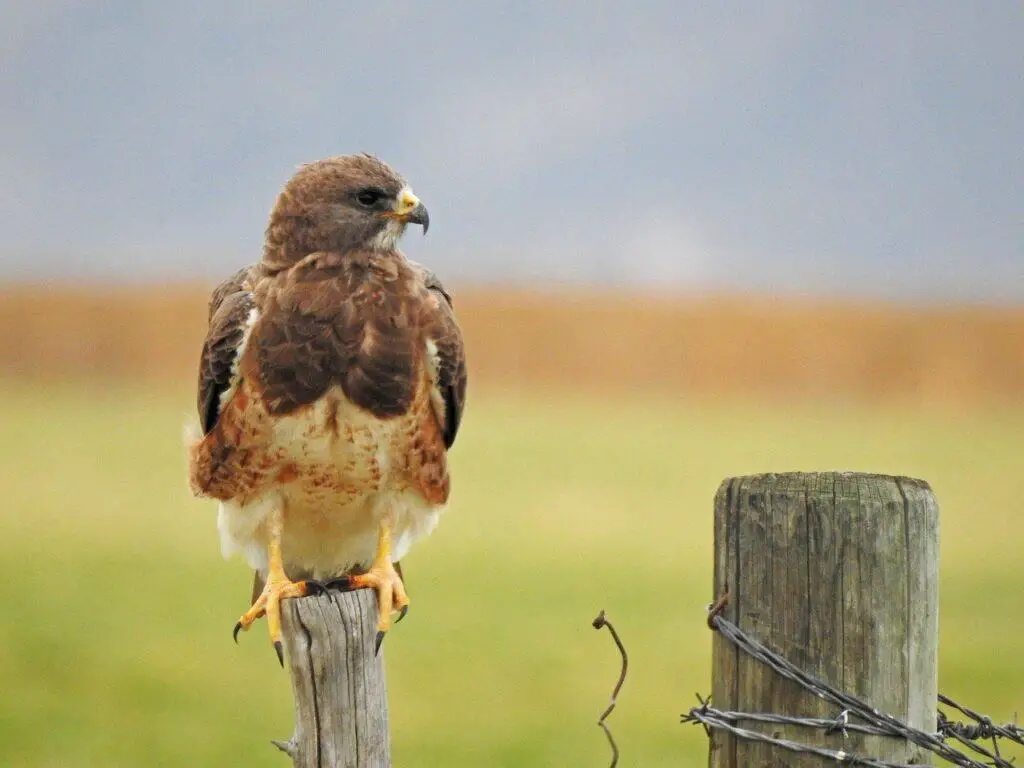
Their hunting strategies during the night differ from their daytime tactics. Red-tailed hawks rely more on their keen hearing and memory of prey-rich areas rather than their vision in darkness. Their prey selection may also vary slightly at night, focusing more on active rodents and small mammals during those hours.
Despite these adaptations for darkness, red-tailed hawks generally prefer to hunt during the day. They utilize their exceptional eyesight and soaring abilities to locate and capture prey efficiently.
Can red-tailed hawks see at night?
While red-tailed hawks are not considered truly nocturnal animals, they do possess some adaptations that help them see in low-light conditions. These include specialized cells called rods and cones in their eyes, allowing them to perceive light and colors differently than humans. They also have a reflective layer behind their retina called the tapetum lucidum, which enhances their night vision by reflecting light back through their retina.
In addition to these physical adaptations, red-tailed hawks rely on their exceptional hearing and memory to navigate through the darkness and locate prey. This allows them to hunt successfully during twilight hours when visibility is limited.
Do red-tailed hawks screech at night?
One of the most distinctive sounds associated with red-tailed hawks is their piercing screech. They use this call to communicate with other hawks, defend their territory, and attract mates during the breeding season. But do red-tailed hawks screech at night as well?
While their screeching may seem loud during the day, it can actually be heard for miles at nighttime. Red-tailed hawks have been known to vocalize during the night, especially when defending their territory or communicating with other hawks in the area.
However, their screeching is less frequent at night than during the day. This is because they are less active and do not engage in activities like hunting or mating during this time.
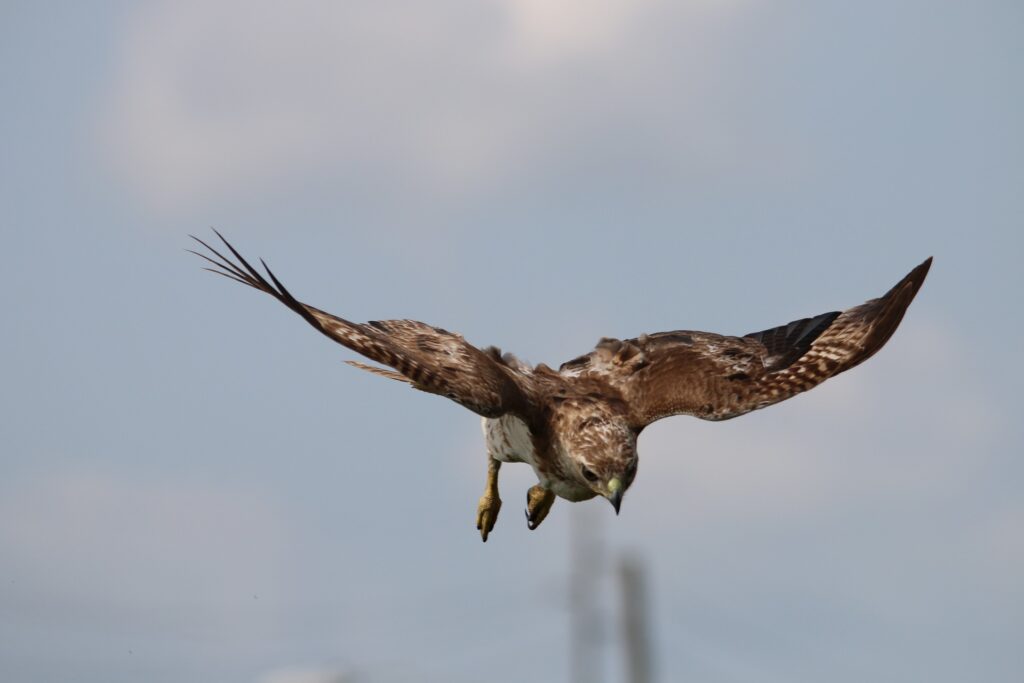
So, are red-tailed hawks nocturnal? While they are primarily diurnal birds of prey, red-tailed hawks have been known to exhibit some nocturnal behaviors, especially during full moons or in areas with artificial lighting. Their adaptations for low-light conditions, such as specialized eye cells and keen hearing, allow them to hunt at night if necessary.