
When breeding my Red-Tailed Hawks, I breed them at around two years old when they reach sexual maturity. At this age, they exhibit mating behaviors like courtship rituals and territorial displays. Physical readiness for breeding is also important, with mature feathers, strong wings, and vibrant plumage being crucial factors. Behavioral signs of readiness include intricate aerial displays, vocalizations, and nest building. Environmental, nutritional, health, genetic, and social factors can impact breeding age along with many other factors, so I am here to guide you with the content laid out below based on my vast experience in breeding red-tailed hawks.
Red-Tailed Hawks: Age for Breeding
The optimal age for breeding Red-tailed Hawks, in my experience, is typically around 2 to 3 years. This timing ensures that both male and female hawks have reached full sexual maturity, displaying robust health and behavior conducive to successful mating and chick rearing. Prior to this age, they might not have developed the necessary courtship behaviors or territorial instincts needed for breeding. Breeding hawks too early, before they’ve reached this maturity level, can lead to several issues, including lower fertility rates, higher stress levels leading to health problems, and potentially unsuccessful or less viable offspring.
On the other hand, late breeding isn’t commonly problematic; however, it may potentially decrease the number of breeding seasons a hawk participates in over its lifetime. Furthermore, older hawks may face more challenges in terms of health and recovery from the breeding process. Thus, timing breeding for this window of maturity maximizes the chance of successful, healthy offspring while ensuring the well-being of the parent hawks.
Physical Maturity of Red-Tailed Hawks
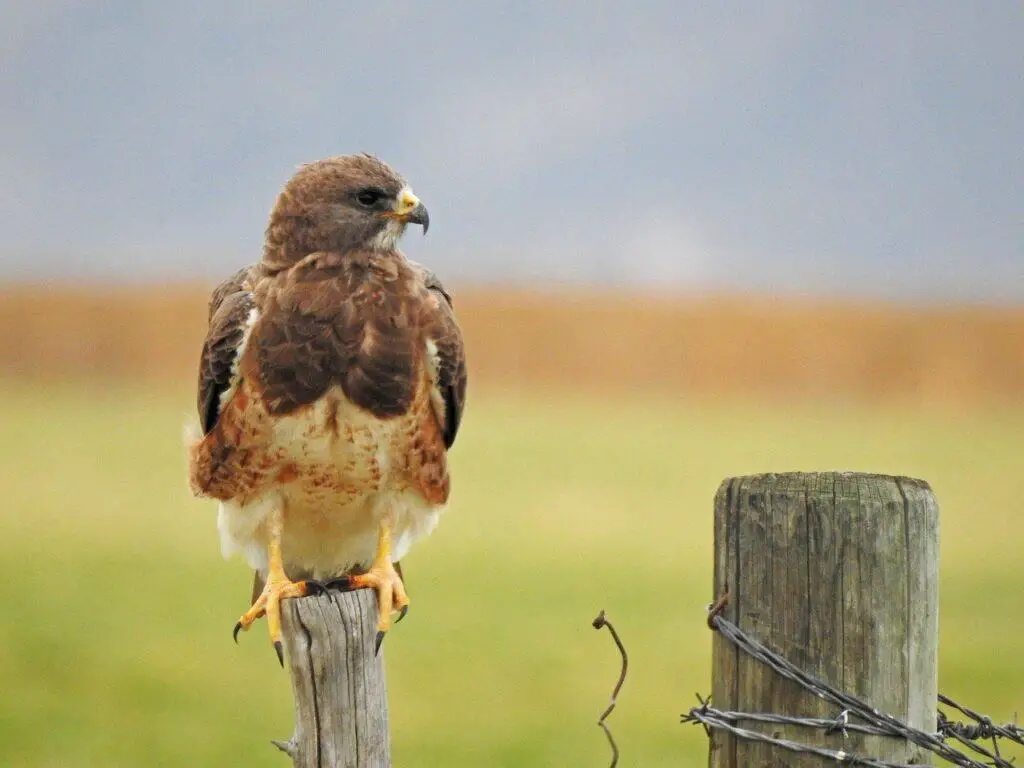
To understand the physical maturity of red-tailed hawks, one must observe their development in relation to reproductive readiness and behavioral changes. Red-tailed hawks go through distinct growth stages, marked by feather development that signals their progression toward sexual maturity. As they reach this stage, breeding behaviors become more prominent, including courtship rituals and nesting habits. A key indicator of physical maturity is the hawk’s wing span and physical strength, which play crucial roles in successful breeding.
Additionally, plumage coloration becomes more vibrant, reflecting the bird’s readiness to establish territories and mate. These changes in physical attributes are intertwined with the hawk’s instinctual drive for reproduction. Understanding the physical maturity of red-tailed hawks is essential for breeders to ensure optimal breeding conditions and successful reproduction. By closely monitoring their growth, behavior, and physical characteristics, breeders can make informed decisions on when to initiate breeding activities.
Behavioral Readiness for Breeding
Observing the behavioral cues exhibited by red-tailed hawks is key to determining their readiness for breeding. Breeding behavior in these raptors is fascinating to witness. Mating rituals typically involve intricate aerial displays, where the male and female soar together, showcasing their agility and strength. Courtship displays include vocalizations, such as high-pitched screams or piercing cries, signaling their bond.
Nest building is another crucial aspect; observing the hawks collecting branches, twigs, and soft materials for their nest indicates their readiness for breeding. As they meticulously construct their nest high up in trees or on cliffs, it signifies their preparation for raising offspring. Understanding these behaviors is essential for assessing their reproductive readiness. It’s crucial to recognize when the hawks exhibit these behaviors consistently and with purpose, indicating they are emotionally and physically prepared for the breeding season ahead.
Factors Affecting Breeding Age
Factors influencing the breeding age of red-tailed hawks include environmental conditions, genetic predispositions, and individual health status. Environmental conditions contribute a crucial role in determining when red-tailed hawks reach breeding age. Factors like food availability, habitat quality, and climate can impact the development and maturity of these birds. Nutritional requirements also significantly influence the breeding age of red-tailed hawks. A diet abundant in proteins, vitamins, and minerals is essential for their growth and reproductive readiness. Health considerations are paramount when determining the breeding age of red-tailed hawks.
Any underlying health issues or diseases can delay or affect their ability to breed successfully. Genetic predisposition is another key factor in determining when red-tailed hawks are ready to breed. Certain genetic traits can influence the timing of sexual maturity in these birds. Social dynamics within the hawk population can also play a role in when individuals reach breeding age, as competition for resources and mates can impact their development.
Best Practices for Breeding Red-Tailed Hawks
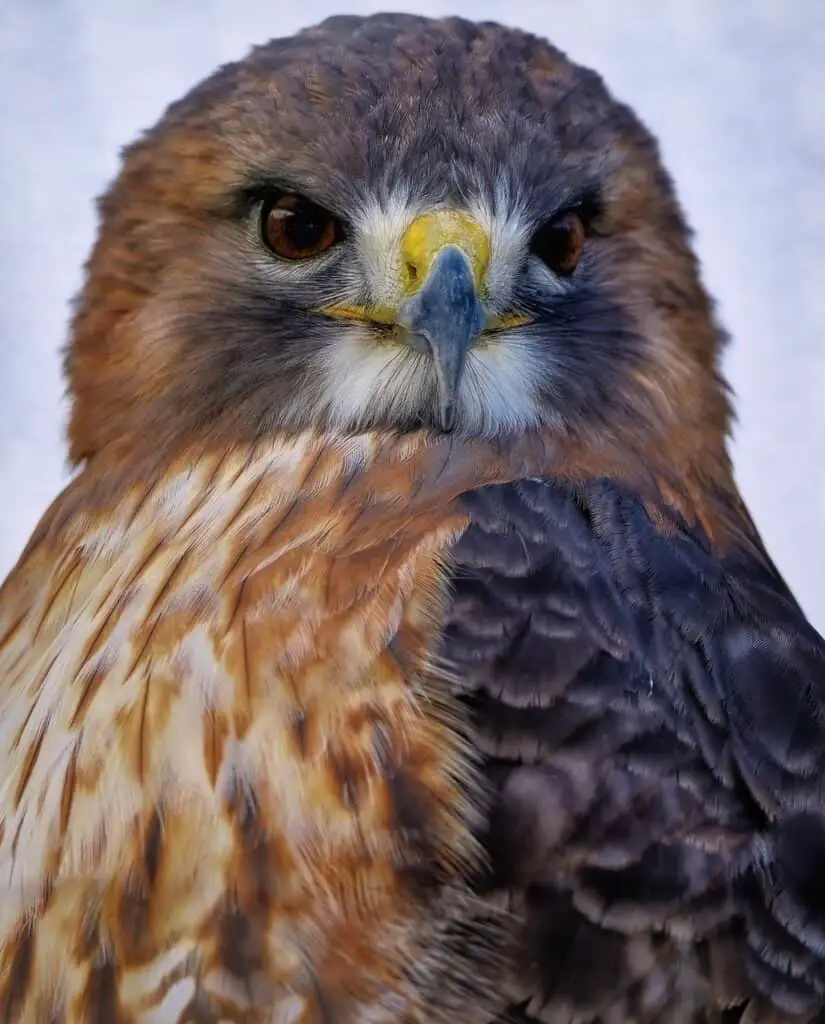
Implementing proper husbandry practices is essential for successfully breeding red-tailed hawks. During the breeding season, providing a suitable nesting site is crucial. Red-tailed hawks normally would build their nests in tall trees, so ensuring they have access to appropriate materials like sticks and twigs is important for successful nest building. Once the eggs are laid, the incubation period begins, lasting around 28-35 days. It’s essential to minimize disturbances during this time to ensure the eggs develop properly.
After hatching, chick development occurs rapidly. The chicks are altricial, meaning they are born helpless and rely solely on their parents for food and warmth. Adequate parental care is vital during this phase to ensure the chicks grow and develop properly. Both parents play a role in feeding and protecting the chicks until they are ready to fledge.
Breeding red-tailed hawks requires careful consideration of both physical maturity and behavioral readiness. While the age at which to breed these majestic birds can vary, it is important to ensure they are in optimal health and condition. Factors such as diet, environment, and genetics also play a crucial role in successful breeding. By following best practices and consulting with experienced falconers, you can ensure a successful breeding program for your red-tailed hawks.