

I usually start training red-tailed hawks when they reach around 10-12 weeks old, as they are developmentally prepared for learning at that stage. This early initiation helps build trust and a stronger bond. Initiating the training process is a big step because each hawk progresses differently, but from my struggles and experience, I will cover in the content below things like physical development, behavioral readiness, and environmental cues that would indicate your raptor is ready to start training.
Optimal Age for Training
The optimal age for starting to train a red-tailed hawk is typically around 10-12 weeks. The hawk is considered a juvenile at this age and has gone through most of its major physical development. It is also mentally prepared for learning and can retain information better than when it was younger. However, the exact age may vary depending on individual differences and the hawk’s development rate.
| Age (Weeks) | Type of Training to Conduct |
| 12-14 weeks | Basic handling and jessing (fitting the leather straps used for securing a trained bird) |
| 15-17 weeks | Introduction to the creance (long line training) and basic recall training |
| 18-20 weeks | Free flight in a controlled area, improving recall and introduction to lure training |
| 21-23 weeks | Hunting skills development and fine-tuning flying techniques |
| 24+ weeks | Advanced hunting strategies and increasing independence |

Factors Influencing Training Age
Factors such as the hawk’s physical development and behavioral readiness can significantly influence the optimal age for training sessions with red-tailed hawks. Biological readiness plays a crucial role in determining when a red-tailed hawk is prepared for training. Young hawks need to reach a certain level of physical maturity before they can effectively handle the demands of training exercises. Environmental cues also play a part; exposure to different experiences in their habitat can impact their readiness for training.
Parental influence is another critical factor. The interactions and guidance the hawk’s parents provide can shape their behavioral development and readiness for training. Social interactions within the hawk community can also impact their ability to learn and adapt to training sessions. Understanding these dynamics is essential for determining the right time to start training a red-tailed hawk. Lastly, their physical capabilities, such as strength and coordination, must be considered to ensure that the hawk’s training is safe and effective.
Best Practices for Development
Establishing clear and consistent training routines catering to red-tailed hawks’ needs and abilities is crucial to achieving optimal development. Nestling care is paramount during the early stages of a hawk’s life. Proper nutrition, warmth, and a stress-free environment are essential for their growth and well-being. Introducing prey at the right time is crucial to developing a hawk’s hunting instincts. Gradually exposing them to various prey items helps them hone their hunting skills effectively.
Wing exercises are vital in strengthening a hawk’s flight muscles and increasing their agility. Regular wing stretching and conditioning exercises help build the necessary strength for sustained flight. Socialization techniques are also important in the development of red-tailed hawks. Exposing them to other birds and animals from a young age can help prevent aggression and ensure they are comfortable in various environments.
Lastly, assessing a hawk’s flight readiness is crucial before advancing their training. Monitoring their progress and ensuring they exhibit strong flight capabilities are key indicators of their readiness for more advanced training exercises. Following these best practices can help red-tailed hawks develop into skilled and well-adjusted hunting partners.
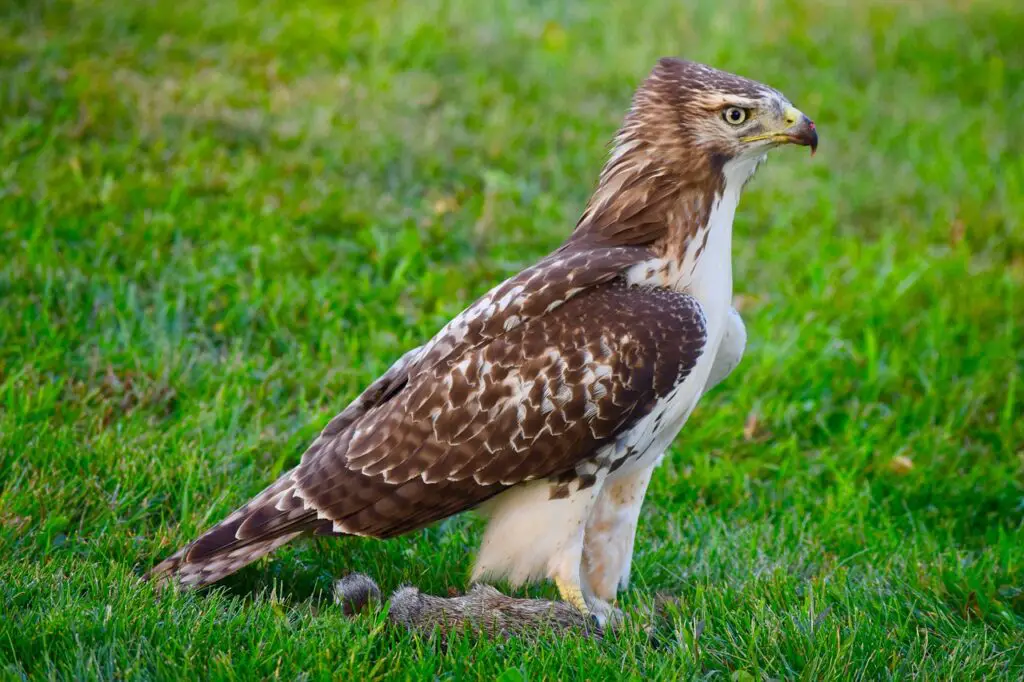
In conclusion, red-tailed hawks can begin training at around 10-12 weeks of age once they have reached sufficient physical and mental development. However, it is important to consider individual factors such as personality, health, and socialization before beginning training. Following best practices and training at the optimal age can help ensure your red-tailed hawk’s successful development and bonding.